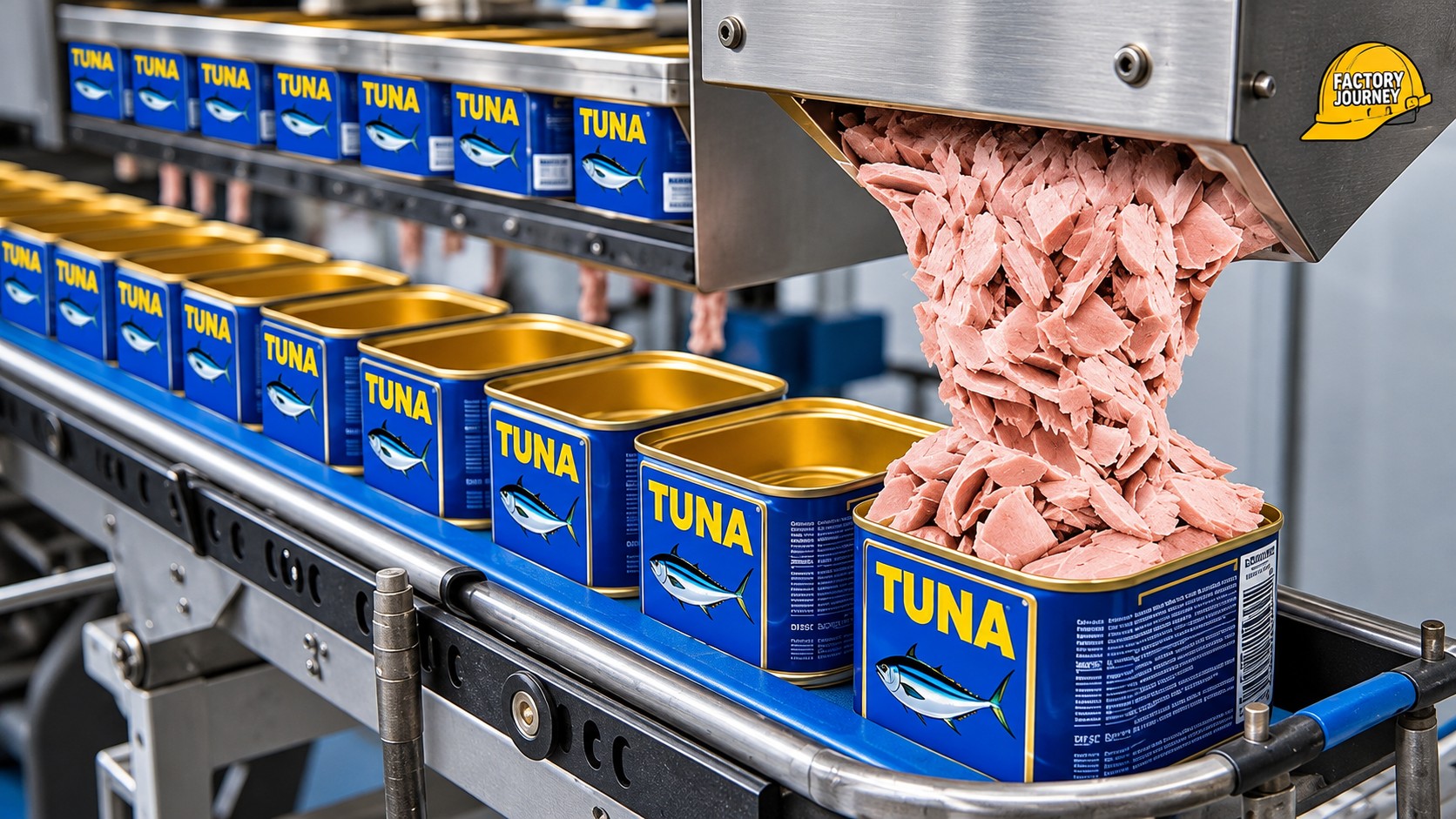

A canned-tuna offer is not defined by can size alone. Species, cut style, packing medium, fish-to-liquid ratio, drained weight, can dimensions, shelf life and destination labelling all affect whether a product fits retail, foodservice or industrial use. The Freshdi listings reviewed here show Vietnamese suppliers with different can formats and commercial scales, plus a China-based lead whose own description identifies it as a wet pet-food factory. Buyers should keep human-food and pet-food sourcing separate and compare only like-for-like specifications.
Key Takeaways
- Name the tuna species and Latin name; do not accept a generic “tuna” description when the market requires species identification.
- Specify solid, chunk, flake or shredded presentation and the minimum drained weight.
- Compare oil, brine or water packing medium, net and drained weight, can size and cans per carton.
- Request histamine, microbiological, seam-integrity and thermal-process evidence for the actual production lot.
- A listing is a discovery starting point. Confirm samples, current stock, documents and commercial terms directly.
Market Overview
The Codex Standard for Canned Tuna and Bonito (CXS 70-1981, amended through 2024) defines permitted species, product presentation, processing, hygiene and labelling expectations. The standard distinguishes solid, chunk, flake and grated or shredded forms and requires commercial sterility in hermetically sealed containers. NOAA and FAO fish-processing guidance also emphasize time-temperature control, because histamine can form in tuna before canning and is not reliably removed by heat. Buyers should therefore assess raw-fish handling as well as the finished can.
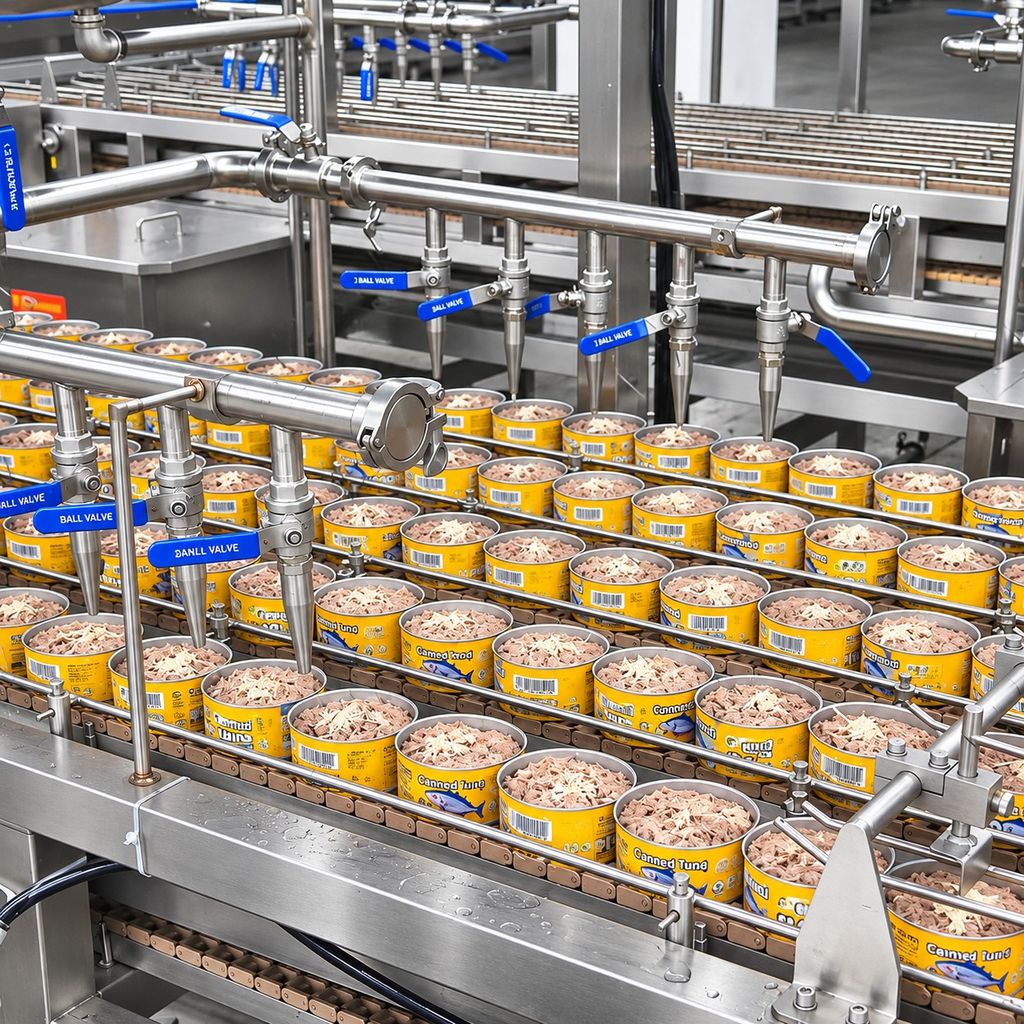
What Buyers Should Specify Before Requesting a Quote
Species and origin. State the common and Latin name (for example, Tongol or Skipjack), catch or harvest origin, and whether the fish is wild-caught or farmed where applicable.
Presentation. Specify solid, chunk, flake or shredded; define chunk size, proportion of flakes, colour, texture and allowable broken pieces.
Packing medium and ratio. Choose vegetable oil, sunflower oil, soybean oil, brine or water; specify the oil or brine ratio and ingredients.
Net and drained weight. State can size, net weight, minimum drained weight, fish content, cans per carton and pallet configuration.
Food safety and shelf life. Request histamine, microbiological, heavy-metal and process records; verify commercial sterility, seam integrity, lot traceability and label compliance.
Looking to Source Canned Tuna?
Connect with verified suppliers, discover matching products, and explore sourcing opportunities from global markets.
Freshdi Supplier Listings to Explore
The table gives buyers a quick comparison of the four Freshdi leads before the detailed profiles. It summarizes only information stated in the listings; missing or conflicting fields should be confirmed directly.
| Supplier | Country | Product snapshot | MOQ and trade terms | Buyer note |
|---|---|---|---|---|
| KHACANFOOD | Vietnam | Tongol; 160 g net / 112 g drained; chunks and flakes; sunflower oil | MOQ conflict: 1 carton vs 2,250 to 10,000 cartons; FOB, T/T | Human food; confirm MOQ and response |
| Vietex Global | Vietnam | Canned tuna; 307 and 603 can sizes; solid, chunk, flake, shredded; oil or brine | 1 × 40-ft container; FOB; L/C or T/T | Species and drained weight not stated |
| VIETEX AGRI | Vietnam | 160 / 185 / 200 g; solid, chunk, flake; oil, brine or water | MOQ conflict: 1 piece vs 96,000 to 192,000 pieces; FOB, T/T | Confirm MOQ and certificate scope |
| Shandong Asiapet | China | Listing title says canned tuna; supplier description identifies a wet pet-food factory | 5,000 pieces; T/T or L/C; trade term to be discussed | Pet-food lead only; not a human-food shortlist |
Important: profile ratings, product reviews, verification levels and inquiry-response indicators are different signals. They should not be treated as substitutes for product documents, samples or current commercial confirmation.
Detailed Supplier Profiles to Explore
The profiles below are presented as individual sourcing leads rather than a ranked list. Each has a different level of product detail, order scale and commercial readiness. Supplier country, stated product origin and loading port are kept distinct. Where a listing does not publish a specification, the gap is identified rather than filled by assumption.
1. Khanh Hoa Canned Food Co., Ltd (KHACANFOOD), Vietnam
KHACANFOOD’s Freshdi listing is the most detailed of the human-food offers for a buyer seeking canned Tongol tuna in sunflower oil. The listed pack is 160 g net weight and 112 g drained weight, with a stated composition of 70% chunks and 30% flakes. The listing also describes a 60% oil / 40% brine packing ratio, an easy-open lid, English and Arabic labelling, 48 cans per carton and a shelf life of 24 months. These details give retail and foodservice buyers a useful starting specification, particularly when they need a defined chunk-to-flake presentation rather than an unspecified tuna mix.
The listing shows FOB, T/T and Ho Chi Minh City as the loading location. However, the MOQ field says 1 carton while the order-range field shows 2,250–10,000 cartons. Buyers should ask the supplier to confirm the actual minimum order for a first shipment, the exact carton dimensions and pallet configuration, and whether the stated pack is currently available. The price-validity date is past, so it should not be treated as a current quotation. The product review panel shows 5.0/5 from one review, while the supplier profile rating is 4.4/5. The response rate is 3%, despite a 95% inquiry-open rate across 327 inquiries; allow time for follow-up and do not assume that opening an inquiry means a quotation has been sent.
View KHACANFOOD Tongol tuna listing →
2. Vietex Global, Vietnam
Vietex Global’s listing describes canned tuna with oil and states that the sourcing field is 100% Vietnamese tuna. Available can formats are listed as 307 and 603, with solid, chunk, flake or shredded presentations. The supplier also describes vegetable oil or brine as packing options, snap-on closures and writable packaging. This makes the listing relevant to buyers comparing larger foodservice or industrial formats, or buyers who want to discuss several presentation styles and packing media with one supplier.
The commercial fields show a minimum order of one 40-foot container, FOB, payment by L/C or T/T, and Hai Phong as the loading port. HACCP, ISO 22000 and IFS are listed, but buyers should request current certificate copies and verify the issuing body, site, scope and validity. Important technical fields remain unconfirmed on the visible listing: the tuna species and Latin name, drained weight, fish percentage, can dimensions and the precise pack specification for each presentation. The profile shows Level 3 verification, a 4.1/5 profile rating and an 86% inquiry-open rate across 167 inquiries; no product reviews are shown. A supplier-stated responsible-fisheries claim should be supported with traceability or certification evidence if it is a buyer requirement.
View Vietex Global canned-tuna listing →
3. VIETEX AGRI TRADING CO LTD, Vietnam
VIETEX AGRI lists canned tuna in 160 g, 185 g and 200 g formats, with solid, chunk or flake presentations. The product description refers to oil or brine packing, easy-open tins, firm texture and a stated shelf life of 24–36 months; it also mentions water packing. These retail-size formats may be relevant to buyers building a multi-SKU range or comparing common small-can options for supermarket, convenience retail or foodservice distribution. The listing is useful as an initial product lead, but buyers will need a SKU-level specification sheet before comparing it directly with the more detailed Tongol offer.
The listing shows FOB, T/T and Ho Chi Minh as the loading location. Its MOQ field says 1 piece, while the quantity range shows 96,000–192,000 pieces. That discrepancy should be resolved in writing, including the minimum order by SKU, cans per carton, carton dimensions, pallet quantity and whether mixed-SKU loading is possible. The visible listing does not fully establish species, Latin name, net and drained weight, fish percentage or the exact oil, brine or water ratio. The profile is Level 3 verified and rated 4.5/5, with a 71% inquiry-open rate across 532 inquiries; no product reviews are shown. HACCP and ISO are listed, but certificate copies and the production-site scope still need to be checked.
View VIETEX AGRI canned-tuna listing →
4. Shandong Asiapet Food Co., Ltd., China | Pet-food lead only
Shandong Asiapet appears in the Freshdi product category under a “Tuna canned food” title, but the supplier’s own description identifies the company as a wet pet-food factory. For that reason, this listing should not be treated as a human-food canned-tuna offer or compared directly with the three Vietnamese suppliers above. It may be relevant only to buyers who explicitly source canned pet food and are prepared to assess feed formulation, ingredient declarations, pet-food processing controls and destination-market feed regulations.
The listing shows an MOQ of 5,000 pieces, T/T or L/C, and Qingdao as the loading port; the trade term is stated as to be discussed. The listing names several standards and registrations, including CIQ, FDA, EU, APPA, HACCP, ISO 9001, ISO 22000, BRC, IFS and BSCI, but the buyer must verify which documents apply to the actual pet-food product and manufacturing site. The profile rating is 3.9/5, Trust Stars are 3.9/5 with zero reviews, company verification is 1/4, responsiveness is 0%, and the average product score is 1.4/5. These indicators call for enhanced due diligence and make this a low-priority lead unless the buyer’s requirement is specifically pet food.
View Shandong Asiapet tuna canned-food listing →
Which Suppliers Should You Contact for Your Buying Needs?
The right shortlist depends on the pack format, order scale and end market, not simply on the supplier’s country or profile rating.
For human-food retail buyers needing Tongol chunks and a defined can pack. KHACANFOOD is the clearest starting point when the buyer needs Tongol tuna with a stated chunk-to-flake ratio and a defined 160 g net / 112 g drained pack. Its listing also identifies sunflower oil, an easy-open lid, English and Arabic labelling, 48 cans per carton and a 24-month shelf life. Before moving forward, obtain confirmation of the actual MOQ because the listing’s one-carton field conflicts with the 2,250–10,000 carton order range. Also ask for a current production schedule and confirm that the 3% response rate will not delay sampling or shipment planning.
For container buyers seeking larger cans and flexible commercial terms. Vietex Global is worth contacting when a full-container order is acceptable and the buyer wants to discuss 307 and 603 can formats, several product presentations and oil or brine packing. Its listing states FOB, Hai Phong, and L/C or T/T. The buyer should treat this as a technically incomplete lead until the supplier confirms the tuna species and Latin name, drained weight, fish percentage, can dimensions and product-specific certificate scope. Ask for a sample from the same presentation and packing medium that will be used in the contract.
For buyers comparing 160–200 g retail formats. VIETEX AGRI may be a useful comparison point for 160 g, 185 g and 200 g cans in solid, chunk or flake formats. Its listing refers to oil, brine and water packing and a 24–36 month shelf life. However, the one-piece MOQ conflicts with the stated 96,000–192,000-piece quantity range. Request a current SKU catalogue, net and drained weights, cans per carton and a written MOQ by SKU before assuming it can support a small trial shipment.
For buyers sourcing canned pet food rather than human food. Shandong Asiapet should only be considered when the purchase requirement explicitly concerns pet food. Its own company description identifies a wet pet-food factory, so the listing should not be used as evidence of a human-food tuna supply capability. Buyers should assess the formulation, intended animal species, ingredient and additive declarations, processing controls and feed-import rules for the destination market. The weak responsiveness and verification indicators make independent checks especially important.
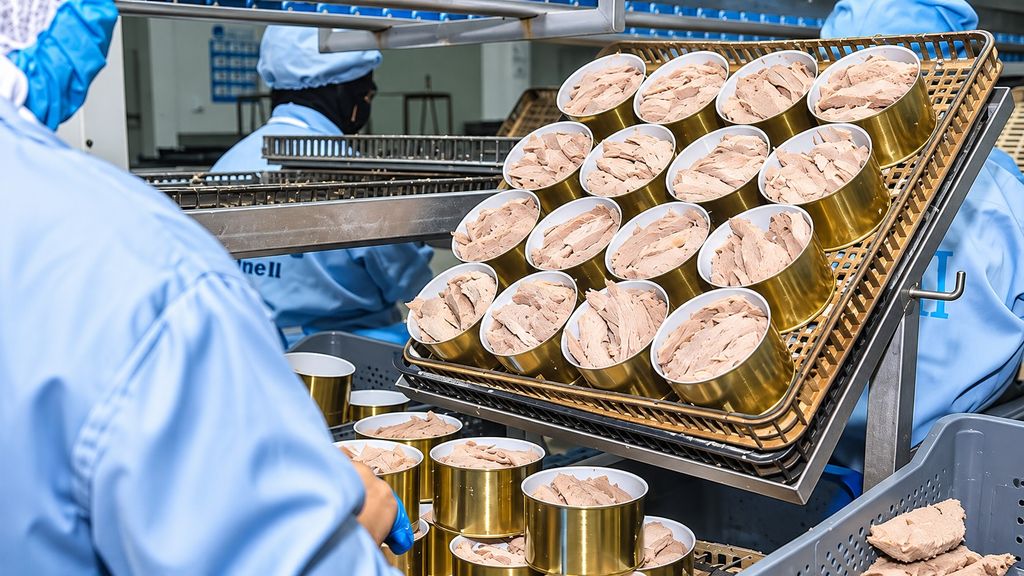
How Freshdi Helps Buyers Find Suitable Suppliers
Finding a canned-tuna supplier is not simply a matter of locating a company that lists “tuna” in its product catalogue. Buyers need to connect a product specification with a supplier that can document the exact species, presentation, packing medium, can format, food-safety controls and commercial terms required for the destination market. Freshdi helps organize that discovery process by bringing supplier profiles and product listings into one sourcing environment, so buyers can move from a broad market search toward a more focused, evidence-led shortlist.
1. Turn the buying requirement into a clear sourcing brief. Before contacting suppliers, define what the finished product must look like and how it will be sold or used. State the tuna species and Latin name, whether you need solid, chunk, flake or shredded presentation, the packing medium, target net and drained weights, can size, cans per carton, label language, shelf life and destination. Add your expected order volume, preferred shipment window, packaging requirements and any mandatory certificates or laboratory tests. A precise brief helps suppliers understand whether the enquiry fits their current production range and reduces the number of quotations that cannot be compared.
2. Discover relevant suppliers and compare product-level evidence. Use Freshdi’s supplier discovery and product listings to identify companies offering the product format you need. Review the actual product page rather than relying only on a broad company description: a supplier may list several canned-food products, but the species, pack size or packing medium can differ by SKU. Compare the supplier’s country separately from the stated tuna origin and loading port. This is especially important when the sourcing location, processing location and shipment route are not the same.
3. Separate product specifications from supplier profile signals. Freshdi displays several kinds of supplier information, and each answers a different question. Product details describe the offer; company verification indicates the level of business information reviewed; profile ratings and product reviews reflect different feedback sources; inquiry-open and response indicators help buyers understand communication activity. These signals should be read together, not treated as substitutes for technical evidence. A high profile rating does not confirm a particular tuna species, drained weight or thermal process.
4. Send a focused enquiry and request supporting documents. Once you have a shortlist, send suppliers the same specification so their replies can be compared fairly. Ask each supplier to confirm the species and Latin name, product presentation, oil, brine or water medium, net and drained weights, can dimensions, cans per carton, MOQ, production lead time, loading port, Incoterm and payment terms. Request a current product specification sheet, representative sample, lot-specific histamine and microbiological reports, process validation or commercial-sterility evidence, and current food-safety certificates. If a certificate or claim is important to the purchase, ask for the certificate number, issuing body, production-site scope and validity.
5. Compare quotations on a like-for-like basis before committing. A low unit price may reflect a different fish species, lower drained weight, smaller can, different packing medium or a larger minimum order. Compare the landed-cost basis, not just the quoted can price: include carton configuration, palletization, container utilization, freight responsibility, insurance where applicable, port charges and destination handling. Resolve inconsistencies in the listing, such as an MOQ field that differs from a quantity range, before issuing a purchase order. Approve a sample and agree the inspection, testing, labelling and claim-handling procedure before confirming bulk production.
6. Keep the sourcing conversation organized as requirements evolve. If a supplier cannot meet the original pack size or delivery schedule, update the brief rather than quietly accepting a substitute. Record which specifications are mandatory and which can be adjusted, then ask suppliers to quote any alternative as a separate option. This makes it easier to distinguish a genuine match from a compromise. Freshdi can serve as the starting point for supplier discovery and enquiry; final approval should still depend on direct document verification, sample evaluation and a written contract.
Practical next step: prepare one RFQ with your species, cut style, packing medium, net and drained weight, can size, target quantity and destination. Share the same brief with shortlisted suppliers so their technical and commercial offers can be compared consistently.
Discover Canned Tuna Suppliers on FreshdiPost Your Buying Request
What Should Buyers Verify Before Contacting a Supplier?
- Confirm species identity and Latin name, catch area, fishing method and chain-of-custody documents where required.
- Request histamine test results for the raw material and finished product. Codex CXS 70-1981 specifies a maximum of 20 mg/100 g in a sample unit.
- Check net weight, drained weight, fish percentage, oil or brine ratio, can size, easy-open end, seam integrity and carton count.
- Request validated thermal-process records, commercial-sterility evidence, microbiological tests and lot traceability.
- Verify the HACCP, ISO, BRC or IFS certificate holder, issuing body, production site, scope and validity; do not rely on a logo alone.
- Confirm the label language, species name, packing medium, allergen statement, date coding, shelf life, loading port, Incoterm and payment schedule.
Frequently Asked Questions
What is the difference between solid, chunk, flake and shredded tuna?
Solid tuna is packed in larger intact pieces; chunk consists of substantial pieces that retain their structure; flake is made of smaller pieces; shredded or grated tuna is reduced to finer, separated fragments. Codex CXS 70-1981 defines these presentations. Buyers should specify the form and acceptable proportion of smaller pieces because the same can size can contain very different product presentations.
Should I choose tuna in oil, brine or water?
The packing medium changes flavour, texture, fat content and how the product performs in recipes. Oil-packed tuna may suit salads, sandwiches and premium retail, while brine or water may fit buyers seeking a different nutrition profile or industrial recipe. Specify the oil type, medium ratio, ingredient list and drained weight, then test the sample in the intended application.
Why does the tuna species need to be stated?
Different species can differ in colour, texture, flavour, cost and market labelling requirements. Ask for the common name and Latin name, such as Tongol or Skipjack, and verify that the species is permitted in the destination market. A listing that only says “tuna” is not enough for a final purchase specification or a compliant product label.
What food-safety tests should canned-tuna buyers request?
Ask for histamine results, microbiological testing, heavy-metal results where required, raw-material temperature records, process validation and evidence of commercial sterility. Codex CXS 70-1981 includes a histamine limit of 20 mg per 100 g for a sample unit. Also inspect can seams and container integrity, because a damaged hermetic seal can compromise shelf stability.
How should I compare net weight and drained weight?
Net weight includes the packing medium, while drained weight measures the fish remaining after the prescribed draining procedure. Both matter: net weight affects declared pack size, while drained weight helps compare actual fish content. Specify the test method and minimum drained weight, and ask suppliers to confirm the number of cans per carton and the exact can size.
Can a pet-food canned-tuna listing be used for human-food sourcing?
Not automatically. A supplier may manufacture wet pet food under different formulation, ingredient, process and regulatory requirements from human food. Confirm the product classification, intended species, ingredient list, processing validation and destination-market approvals before considering it. In this guide, Shandong Asiapet is treated only as a pet-food lead because its own description identifies its factory as a wet pet-food producer.
How do I see full buyer contact details for these RFQs?
Full buyer contact details are unlocked separately for each RFQ on Freshdi, and the unlock is needed before you can view them and send a quotation. The platform keeps contact information behind this step so suppliers can check buyer intent before sharing sensitive commercial terms. Access depends on your account plan and the unlock credits available to you. A visible verification level or rating is a screening signal, not a guarantee of a response or a completed transaction.
Explore Suppliers on Freshdi
Browse relevant supplier profiles and product listings to compare canned-tuna offers by species, presentation, packing medium and can format. Have a specific sourcing requirement? Post your buying request with product specification, quantity, packaging, destination and commercial requirements.
References
1. FAO/WHO Codex Alimentarius, CXS 70-1981, Standard for Canned Tuna and Bonito (2024 amendments).
2. NOAA Fisheries, Canned Tuna and Bonito Standard.
3. FAO Code of Practice for Fish and Fishery Products.