
Introduction
Four parboiled rice buying requests posted on Freshdi from 31 October to 3 November 2026 state quantities and target-price fields. The requests come from buyers based in Togo, the United States and India, and name destinations in Togo, Ghana and Algeria. Buyer country and destination are separate details, so suppliers should read both before estimating freight or preparing an offer.
The requests range from 26 MT to 12,000 MT as written. Two include product specifications, while the commercial information differs in detail. This snapshot covers those four Freshdi requests and current public rice-market context. Suppliers can use it to check product fit, identify details that need confirmation and prepare a quotation around the buyer's stated requirements.
Key Takeaways
- Four buyers posted parboiled rice requests on Freshdi between 31 October and 3 November 2026; all four state a quantity and a target-price field.
- The request quantities are 12,000 MT, 26 MT, 50 MT and 12,000 MT as stated in the individual records.
- The Indian non-Basmati request gives kernel and moisture limits; the 26 MT request specifies 50 kg PP packing.
- FOB appears in three requests and CIF in one. T/T appears in three, while L/C appears in two; one request lists both payment terms.
- The price information is not a consistent unit-price basis: three records show USD, while one states 400 USD without a stated unit basis.
1. How large is the rice market, and what is changing?
Global rice production and trade remain large, but current forecasts point to tighter production and shifting trade flows. The Food and Agriculture Organization (FAO) estimated 2026 world rice production at 552 million tonnes, down 2.5 percent from 2025 and the first decline in four seasons. FAO attributed the projected fall largely to poor producer margins and El Niño-related weather conditions. It forecast rice food use to rise 1.0 percent in 2026/27.
The November 2026 USDA Foreign Agricultural Service report says global rice production for 2026/27 was nearly unchanged from its previous month’s estimate. It revised consumption slightly lower, leaving projected ending stocks higher, though still below the prior year’s record. USDA also reduced its global trade outlook, citing lower Indian exports and reduced imports for Bangladesh and West Africa. Those revisions describe milled-rice trade overall; they do not isolate parboiled rice.
Price indicators also vary by measure and product. FAO’s All Rice Price Index averaged 112.3 points in October 2026, up 1.6 percent from September. FAO linked the increase to harvest delays and supply concerns in some exporting countries. USDA’s November 2026 report showed FOB quotes for long-grain white rice, not parboiled rice, at about USD 389 per ton for India and USD 439 per ton for Vietnam. These figures refer to specified white-rice market quotations and are not a parboiled-rice offer or quotation.
These global indicators provide context, not a forecast for the four Freshdi requests. They do not establish the market price for the grades, packing, routes or shipment periods in those requests. The platform observations below describe only four requests posted from 31 October to 3 November 2026; they are not a measure of total market demand.
Looking to Sell Parboiled Rice?
Connect with verified buyers, receive relevant buying leads, and explore sourcing opportunities from global markets.
2. What do the recent parboiled rice buying requests state?
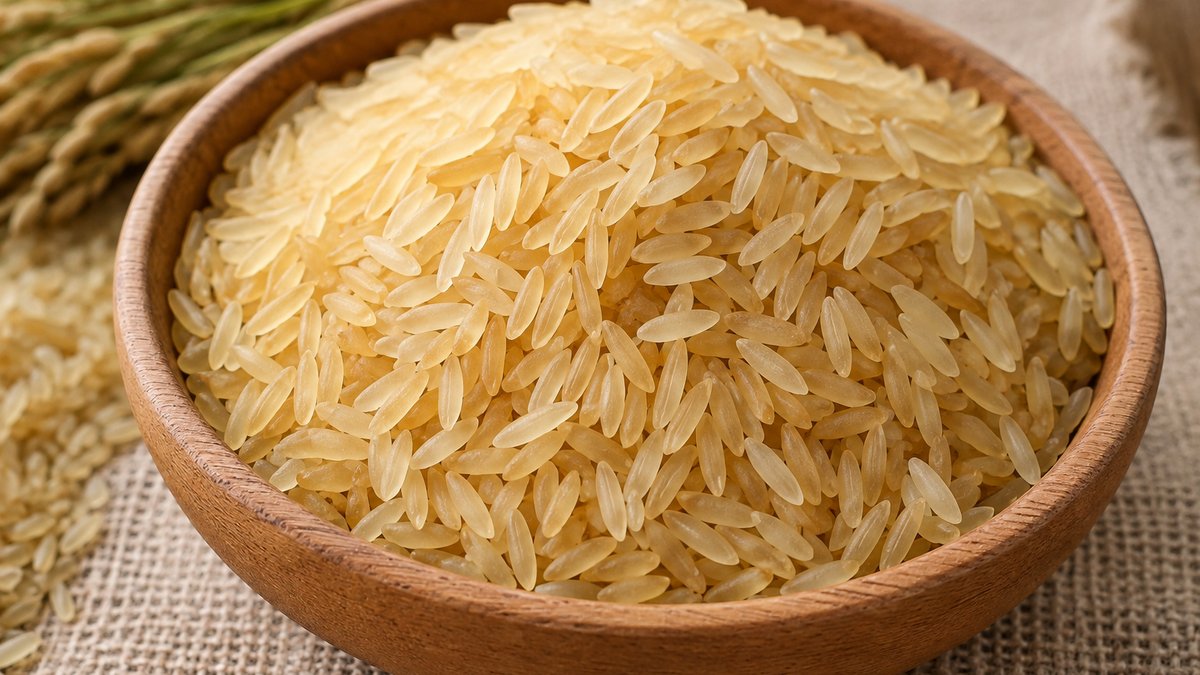
Four requests from four buyers posted on Freshdi between 31 October and 3 November 2026 state a required quantity. The individual requests list Indian parboiled non-Basmati rice, parboiled rice and parboiled rice using two spellings of the product name. Their destinations are listed as Lome Togo, Accra, and Alger, Algeria, Dz (ALG). The record fields are shown as entered.
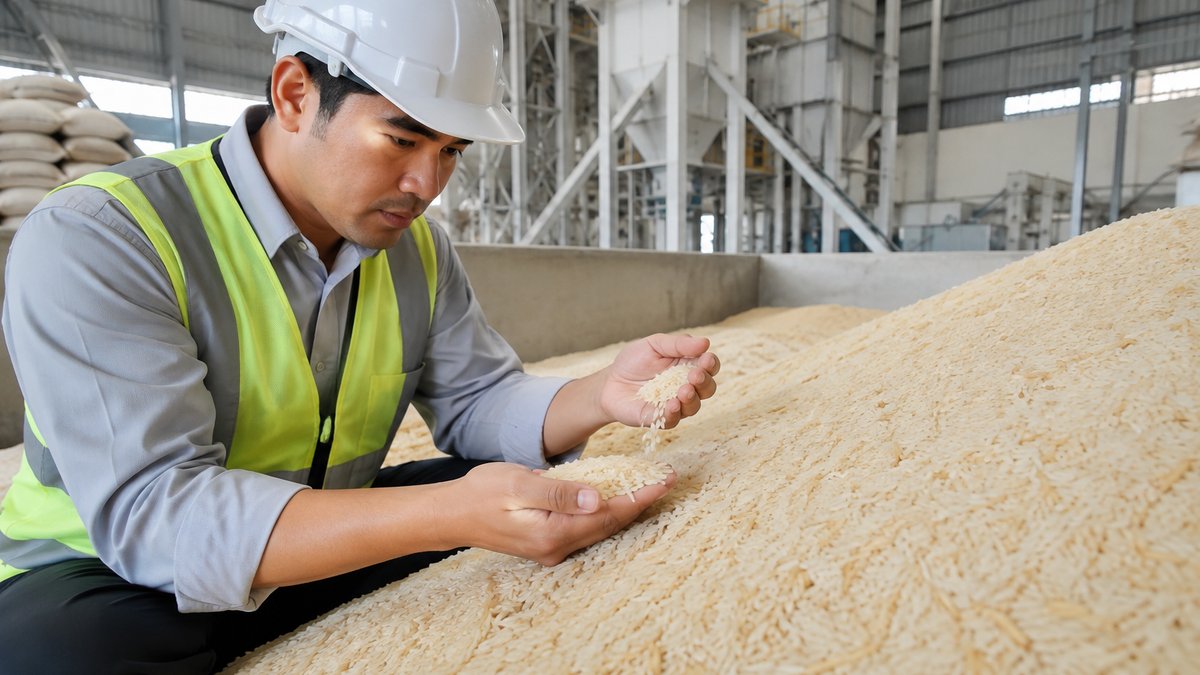
The quantities differ sharply. The Indian Parboiled Non-Basmati Rice request and another parboiled rice request each state 12,000 MT. The request naming Accra states 26 MT, while the request naming Alger, Algeria, Dz (ALG) states 50 MT. Suppliers should confirm quantity, shipment schedule and whether the stated volume applies to one shipment or a purchasing program before costing supply.
2.1 Specifications and packing detail
The Indian non-Basmati request gives maximum limits for black or black-tip kernels, foreign matter, damaged or discolored kernels and moisture. Its entries include values written with doubled percent signs in some fields. The buyer and supplier should confirm the intended format and acceptance method before treating those entries as contract specifications. The request for 26 MT states “50 Kg Pp” packing. The other two requests do not state product specifications in their records.
A specification needs a clear test basis to support a shipment decision. Suppliers responding to the non-Basmati request should ask how the buyer will assess each limit, what sampling method applies and whether the listed figures are maximum tolerances for the delivered lot. For the 50 kg PP packing request, confirm the required bag material, bag weight tolerance, labeling and pallet requirements instead of assuming details that the request does not provide.
2.2 Price, trade and payment fields
All four requests include a target-price field, but the entries do not provide a comparable price basis. Three show USD, while the 50 MT request states 400 USD. That record does not state a unit basis, and the other USD-only entries do not give a numeric amount. Suppliers should not interpret these fields as a confirmed price per tonne or as a buyer’s accepted offer.
FOB is listed on three requests and CIF on one. FOB means the seller’s delivery and risk obligations are tied to the named port of shipment under the agreed Incoterms rule; CIF includes cost, insurance and freight to the named destination port, with risk transferring at shipment under the rule. The records do not all provide enough detail to establish the named place or full commercial basis, so suppliers should confirm the intended Incoterm and location.
T/T is listed on three requests and L/C on two; one request lists both. Because those payment options may imply different documentary and timing requirements, suppliers should ask which option governs and confirm currency, payment timing, bank charges and required documents before preparing a final quotation. One request also states sea freight and a lead time of 20, but the record does not specify the unit for that lead-time figure.
Two requests are marked as verified in the Freshdi records. Verification status is a platform field, not proof of a future transaction, payment or product acceptance. The remaining commercial and product details still need independent review by both parties.
3. What should suppliers prepare before responding?
Suppliers should first match the request to the rice they can document and ship. The Indian non-Basmati request gives kernel-quality and moisture limits, so a relevant response should identify the offered variety and provide test results on a clearly stated basis. The Accra request names 50 kg PP packing, so the quotation should specify whether the supplier can provide that pack and what the bag contains.
Volume needs its own check. A 26 MT or 50 MT request may fit a different stock and loading plan from a 12,000 MT request. Ask whether the listed quantity is for one shipment, how the buyer wants shipments scheduled and whether the amount is fixed. Do not divide, round or recast the quantity unless the buyer confirms the intended figure and unit.
The destination and buyer country must be treated as distinct fields. One request lists a buyer in the United States and a destination of Accra; two requests list Togo as the buyer country and Lome Togo as destination; another names a buyer in India and destination as Alger, Algeria, Dz (ALG). Suppliers should preserve the stated destination when asking for freight costs and confirm the named port and country details with the buyer.
A complete quotation should state product identity, origin, grade or specification, available quantity, packing, price currency and unit, delivery term with named place, payment terms, shipment timing and quotation validity. Attach only documents the supplier actually holds and can provide. For the request with a USD 400 target-price entry, establish the unit, quality basis, packing and delivery term before making any price comparison.
Put the response together in the same order as the buyer’s requirements. Identify the rice type and origin first, then state the specification or packing you can meet. Give the quantity available and whether it is for one shipment or staged shipments only after confirming production and stock. Write the unit behind every price and state whether freight and insurance are included. If the request gives conflicting or incomplete information, list the point to confirm before treating the offer as firm. This makes the proposal easier to compare with the request without turning an unstated detail into a promise.
Buying consideration: Before reserving stock, confirm the unclear fields directly through the request process and retain the agreed product and commercial terms in the written quotation.
4. How can Freshdi help suppliers find parboiled rice buyers?
Suppliers can review parboiled rice buying requests to compare the product, quantity, destination and terms stated in each listing. A request is worth pursuing when its requirements match the supplier’s documented product and available shipment capacity. Freshdi’s rice category also provides a place to review broader rice buying requests.
The four requests in this snapshot show why a product name alone is not enough to price a shipment. Before responding, check which fields are specified, which are absent and which need clarification. Keep the inquiry focused on the buyer’s actual request, including the quantity unit, product details, destination, trade term and payment option.
Suppliers can also review parboiled rice supplier listings to see how product information is presented on Freshdi. The requests and supplier listings are a place to review sourcing information; they do not guarantee a buyer response, order or completed transaction.
Suppliers ready to review current rice demand can use Freshdi to find buyers and examine the requirements in each request.
View Latest Buying Requests for This Product →
5. What practical next steps should parboiled rice suppliers take?
The four requests show buyer interest at different stated volumes and levels of specification. One gives kernel and moisture limits, another names a 50 kg PP pack, and the commercial fields vary across FOB, CIF, T/T and L/C. Suppliers should check fit against their actual product, then resolve gaps in the request before submitting a final price.
A useful next step is to identify the closest matching request, prepare a product specification and confirm the buyer’s quantity, destination, delivery term and payment basis. Freshdi’s buying-request listings give suppliers a place to review requests for rice and decide which ones warrant a response.
Suppliers can use Freshdi’s Find Buyers option to continue reviewing rice buying requests.
View Latest Buying Requests for This Product →
Frequently Asked Questions
How many recent parboiled rice requests are included?
Four requests from four buyers were posted on Freshdi between 31 October and 3 November 2026. Each states a quantity. The snapshot describes those requests only, not all current parboiled rice demand.
What quantities do the requests state?
The records state 12,000 MT for the Indian Parboiled Non-Basmati Rice request, 26 MT for the request naming Accra, 50 MT for the request naming Alger, Algeria, Dz (ALG), and 12,000 MT for another parboiled rice request. Confirm the unit, shipment schedule and intended quantity before quoting.
Are the listed target prices comparable?
No. All four include a target-price field, but three show USD without a numeric amount in the record, while one states 400 USD without a unit basis. Ask the buyer to confirm the amount, currency, unit, specification and delivery basis.
Which commercial terms appear in the requests?
FOB is listed in three requests and CIF in one. T/T is listed in three and L/C in two, with one request listing both payment terms. Confirm the governing trade and payment terms, the named place and the required documents before submitting a firm offer.
What product specifications should a supplier confirm?
The Indian non-Basmati request lists limits for kernel defects, foreign matter and moisture, with some values written using doubled percent signs. Confirm the intended figures and test basis. Another request states 50 kg PP packing; confirm bag details and any labeling or pallet requirements.
How can suppliers review more parboiled rice buying requests?
Suppliers can browse the parboiled rice buying-request category on Freshdi and open listings to review the requirements stated by each buyer. Compare those details with the product and shipment capacity you can support, and clarify missing or inconsistent fields before quoting.
References
1. FAO – FAO Food Price Index edges down in October amid subdued demand, 6 November 2026.
2. USDA Foreign Agricultural Service – Grain: World Markets and Trade, November 2026, November 2026.
3. Freshdi – Parboiled rice buying requests posted from 31 October to 3 November 2026, As of 22 November 2026.
Disclaimer: This article is compiled from platform data, public sources and information provided by third parties, for general informational purposes only. We do not guarantee its accuracy or completeness. Mentions and rankings of suppliers do not constitute an endorsement or guarantee, and strategies and examples are illustrative; results may vary. Please conduct your own due diligence before making business decisions.