
1. Red Kidney Beans and Light Speckled Kidney Beans Differ First in Appearance and Naming
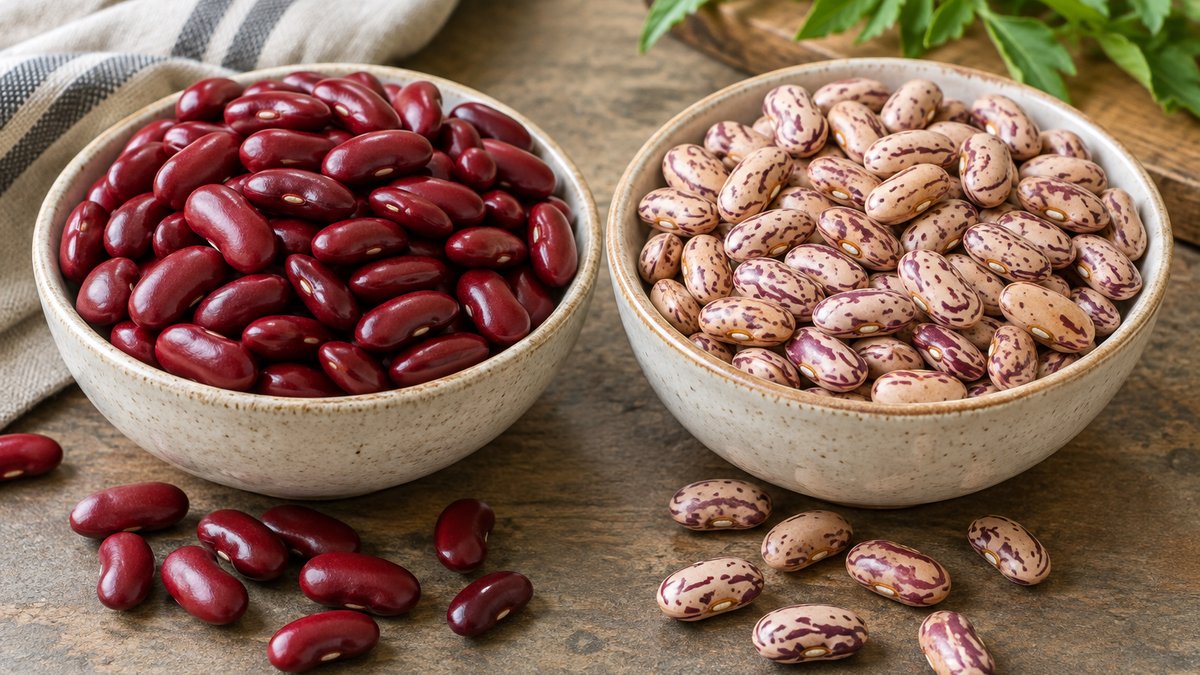
Red kidney beans are identified by their red seed coat and kidney-like shape. Light speckled kidney beans have a pale background marked with red or brown speckles. For importers and exporters, the naming distinction matters because “red kidney beans” can be an imprecise request, while “light speckled kidney beans” describes a visibly different commercial type.
The U.S. Department of Agriculture (USDA) separates light red kidney beans and dark red kidney beans into distinct classes. Its inspection handbook describes light red kidney beans as medium to large, long and broad, somewhat kidney-shaped, and light to reddish brown. Dark red kidney beans are described as large, oblong to kidney-shaped, and dark red. The USDA class list does not name light speckled kidney beans as a separate class; it says beans outside its listed classes are designated by a commonly accepted commercial name. These are U.S. classification terms, not a universal naming system.
“Red kidney beans” therefore needs clarification in a contract. A buyer may mean dark red kidney beans, light red kidney beans or a broad retail description. The supplier and buyer should agree on the intended class, appearance and quality requirements before using that wording in a purchase specification.
Regional names can add another layer of ambiguity. South Africa’s agriculture department groups red-speckled or speckled sugar beans as a dry-bean type with red speckles on a beige background. That description resembles the appearance meant by some sellers using “light speckled kidney beans,” but the names should not be treated as interchangeable across all countries or contracts.
The USDA standards also caution that using a variety name to designate a bean class does not guarantee varietal purity. Buyers who require a particular variety, growing origin or seed shape should state that requirement separately and agree how it will be checked.
When a supplier uses a regional or commercial name, ask for the product’s botanical name and a recent lot sample alongside the name. A buyer can then record the accepted sample and written description in the same specification. Keeping those details together helps both parties distinguish a local label from the physical product being purchased.
2. How Do the Bean Types Compare in a Purchase Specification?
The clearest distinction is visual: red kidney beans have a red coat, while light speckled kidney beans have a pale ground color with contrasting speckles. Size, grade, crop year, defects and other contract terms need separate agreement; the names alone do not define those requirements.
A class name is only one part of a contract. USDA bean standards define classes and grading criteria for the U.S. system. A buyer sourcing for another market should check the destination’s rules and the contract’s governing specification instead of assuming the U.S. grade applies automatically.
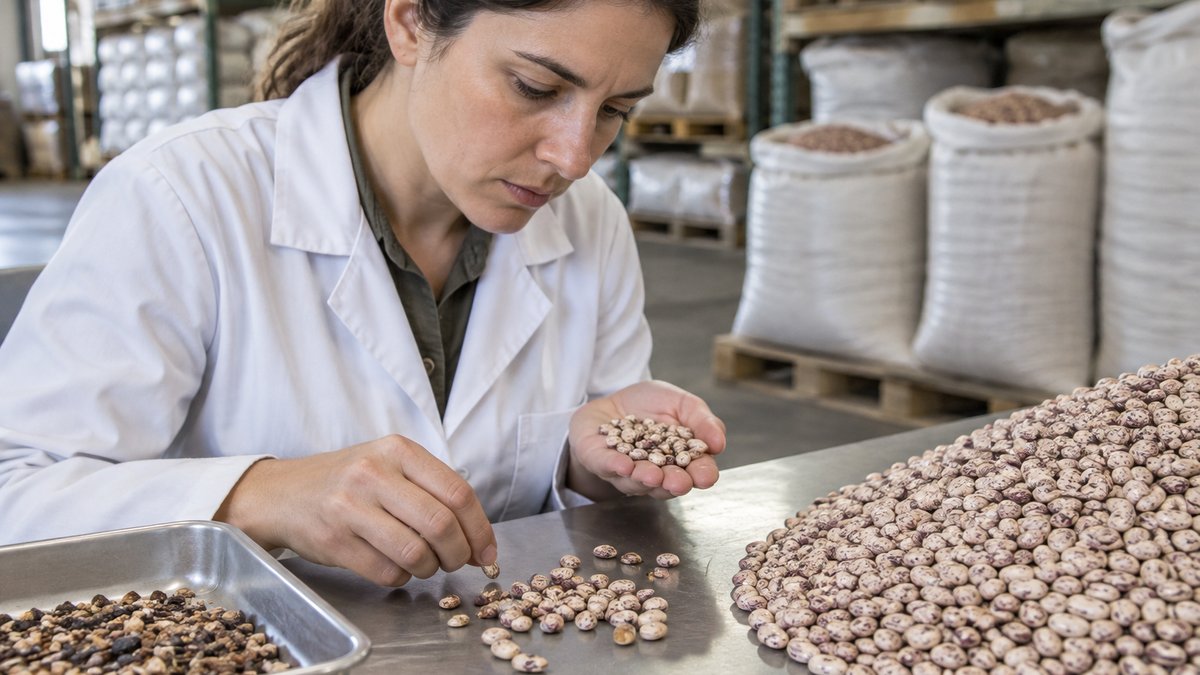
For a speckled lot, an agreed physical sample or clear color reference can help both parties define acceptable background color and speckle pattern. The contract should say whether the approved sample is a visual reference, how the shipment will be inspected against it, and how the parties will handle natural variation between lots.
For either type, write measurable limits for moisture, foreign material, damaged beans, broken beans and other defects where they matter to the transaction. Set the required measurement method, inspection point and procedure for resolving a disputed result. A seller’s indicative product sheet is not a substitute for limits written into the contract.
Size also needs an explicit basis. If the parties use a count-per-weight measure, state the unit and acceptable range. If they use a screen or another size method, identify it. Avoid comparing quotations that use different sizing bases or leave size unstated.
A quotation comparison is more useful when each supplier responds to the same specification. Keep the product name, sample reference, quality limits, packing and delivery basis consistent across requests. If a supplier cannot meet one item, ask for the proposed alternative to be stated clearly instead of treating it as equivalent.
3. Example Sourcing Situations for Red and Light Speckled Kidney Beans
A buyer selecting between the types should begin with the product the customer expects to receive. Color is visible on the dry bean and can affect how a product appears on a shelf, in a finished pack or in a prepared dish. The buyer’s intended presentation is a more useful starting point than a broad label such as “kidney beans.”
3.1 A buyer needs a red bean for a retail pack
Suppose a retailer’s artwork and product description call for red kidney beans. The buyer should ask whether the specification means light red or dark red kidney beans under the supplier’s grading system. The parties can then agree on an approved sample, acceptable shade variation, size range, crop year, packaging and the inspection criteria used before shipment.
If the purchase order only says “red kidney beans,” a supplier may quote a different shade or class from the one the buyer expects. Attaching a reference sample or adding a written color description helps narrow that gap. The buyer should also make clear whether mixed sizes or contrasting beans are permitted.
3.2 A processor needs a pale bean with speckles
A processor whose finished product depends on a pale, speckled appearance can request light speckled kidney beans and specify the acceptable pattern against an approved reference. The buyer should state the intended use and test a representative lot in its own process before committing to a large shipment. Cooking time, texture and appearance after processing should be confirmed for the lot and the process rather than inferred from its trade name.
A supplier may use a regional label such as “sugar beans” or “red-speckled beans.” Ask for photographs or a sample and confirm the botanical product, size and grade. Similar names do not by themselves establish that two offers match.
For a sample trial, keep a note of the sample’s lot identification and the conditions used in the buyer’s process. Record the result against the agreed appearance and quality requirements. If the trial leads to a change in the requested product or limits, send the revised specification to every supplier before comparing final offers.
3.3 An importer is comparing offers from different origins
Two offers can use the same product name while differing in crop year, size, cleaning, defect limits, bag weight or delivery basis. The importer should compare each offer against one written specification and identify any point where a supplier proposes a substitute or exception.
For example, if one offer describes dark red kidney beans and another describes light speckled kidney beans, the importer should not treat them as equivalent solely because both are kidney-shaped dry beans. The seed coat and speckle pattern differ, and the buyer should determine whether the intended customer accepts either appearance before comparing price.
Illustrative inquiry format:
Product: Light speckled kidney beans, Phaseolus vulgaris
Appearance: Pale background with speckle pattern matching the approved reference
Size: State the required size measure and acceptable range
Quality: State agreed moisture, foreign material and defect limits
Commercial details: State quantity, packing, destination, delivery term and shipment window
Inspection: State inspection point, method and procedure for disputed results
This is an illustrative inquiry format, not a universal grade or specification. Buyers should set values and requirements for their product and destination.
Looking to Source Kidney Bean?
Connect with verified suppliers, discover matching products, and explore sourcing opportunities from global markets.
4. When Should Buyers Choose Each Kidney Bean Type?
Choose red kidney beans when the buyer’s recipe, label or customer specification calls for red beans. Before requesting offers, clarify whether the requirement is for light red or dark red kidney beans, if that distinction applies to the supplier’s classification. A generic “red” description should not be used when color consistency is part of the purchase.
Choose light speckled kidney beans when the buyer needs the pale, marked appearance associated with that commercial name and has confirmed the supplier’s product against a sample or written description. This route suits a buyer whose pack or end use depends on the speckled look. The name alone does not set size, grade, cooking performance or origin.
Use this sequence before comparing quotations:
- Define the required appearance. State red, light red, dark red or light speckled, and include a reference sample or photograph when appearance needs tight control.
- Confirm the commercial name with the supplier. Ask whether the term follows a national grading system, a local trade name or the supplier’s own product description.
- Set the measurable specification. Include size and its measurement basis, crop year if required, moisture, defects, foreign material, packaging and any other agreed quality limits.
- Confirm destination requirements. Check the applicable import and food requirements for the destination and the processing state of the goods. A U.S. class or grade is not automatically a legal requirement in another jurisdiction.
- Agree inspection and acceptance. Put the sampling method, inspection point, tolerances and dispute process in the contract.
- Assess the lot in its intended use. If color after cooking, texture or processing performance affects acceptance, trial a representative sample under the buyer’s own process.
For importers, the receiving specification should match the sales specification. A buyer who sells beans by color or size should check that the incoming inspection can verify those attributes. For exporters, a clear description and current lot sample help prevent a buyer from interpreting a regional name differently.
If the product’s appearance is flexible, say so in the inquiry and ask suppliers to state the exact type offered. Flexibility should be agreed before quotation or shipment, not assumed after the goods arrive. Where appearance is fixed, document the agreed tolerance and reference.
The specification should also identify which documents and inspection results the buyer expects to receive and when. Agree those requirements with the supplier before shipment, along with how a nonconforming lot will be handled. This gives both sides a defined process if the delivered beans do not match the agreed description.
Buying consideration: Before accepting an offer, compare it with the written specification line by line. If the product name, shade, size basis or inspection terms differ, ask the supplier to confirm the intended product and record the agreed version in the contract.
5. Related Kidney Bean Sourcing Resources
USDA’s bean standards and inspection handbook are useful references for U.S. class descriptions and inspection terminology. The standards list light red and dark red kidney beans separately, while the handbook describes the seed characteristics used in inspection. Buyers should treat these as U.S. references and confirm which standard their contract and destination require.
The South African agriculture department’s dry-bean guide uses the names red-speckled and speckled sugar beans for a type with red marks on a beige background. That regional description can help explain why offers may use different names for visually similar beans. Buyers still need to confirm the offered product and contract specification directly.
When reviewing references, note which jurisdiction and product description each one covers. A grading handbook, a local crop guide and a supplier specification may use different naming systems and serve different purposes. For a contract, identify the document or buyer specification that governs acceptance, then use other references as context rather than silently combining their terms.
As of November 19, 2026, buyers and exporters can use Freshdi’s kidney bean buying requests and kidney bean supplier listings to find relevant sourcing leads. Review each listing’s stated product details and confirm the full specification before entering a transaction.

References
1. United States Department of Agriculture, Agricultural Marketing Service – United States Standards for Beans, July 2023.
2. United States Department of Agriculture, Agricultural Marketing Service – Bean Inspection Handbook, Chapter 3: Inspection, October 1, 2023.
3. South Africa Department of Agriculture – Dry Beans, n.d..
Disclaimer: This article is compiled from platform data, public sources and information provided by third parties, for general informational purposes only. We do not guarantee its accuracy or completeness. Please conduct your own due diligence before making business decisions.