
1. Table potatoes and processing potatoes are classified by intended use
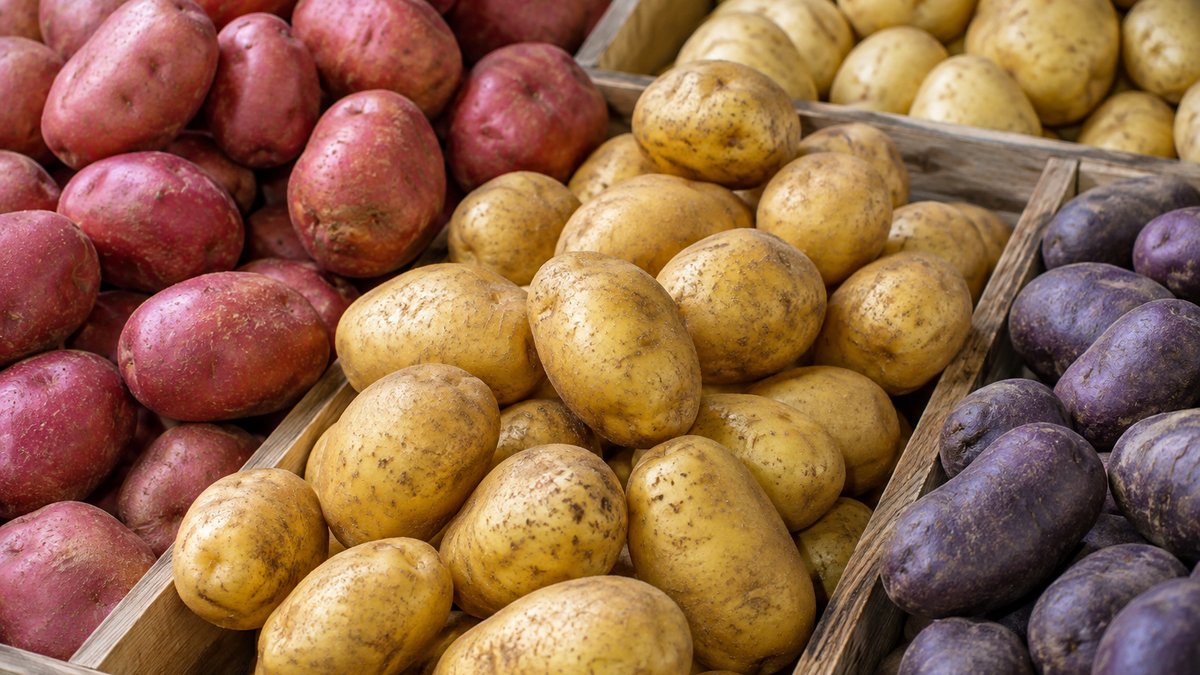
Table potatoes are sold fresh for people to prepare and eat; processing potatoes are grown or selected to make products such as chips and French fries. The distinction describes the intended market and performance requirements. It does not mean the two groups are separate species, or that every variety belongs exclusively to one group.
The United Nations Economic Commission for Europe’s 2023 standard for early and ware potatoes covers potatoes supplied fresh to consumers and expressly excludes potatoes for industrial processing. In Saskatchewan, the provincial government describes table potatoes as potatoes typically boiled, mashed or baked, and processing potatoes as potatoes used for French fries and chips. These sources distinguish the categories by destination and use, while product specifications and rules depend on the applicable market.
For a buyer, the distinction changes what needs to be checked before purchase. A fresh-market buyer may focus on variety, appearance, size, skin condition, firmness and packaging. A processor may also need the potatoes to meet requirements tied to the finished product, such as shape, dry matter or specific gravity, and frying colour.
Some varieties can serve more than one market. Oregon State University Extension notes that russet potatoes are used for both frozen processing and fresh sales. So the variety name alone does not establish whether a lot meets a buyer’s needs. The intended use, lot condition and agreed specification must be considered together.
The labels are not a universal grading system. UNECE FFV-52 sets commercial quality requirements for early and ware potatoes, while the U.S. Department of Agriculture maintains a separate U.S. grade standard for potatoes for processing. A grade or test under one scheme should not be assumed to apply in another country. In a cross-border contract, state the standard, jurisdiction and inspection method the parties will use.
Buying consideration: Before requesting prices, identify whether the shipment is for fresh sale or a named processing line, then write specifications that measure suitability for that use.
2. Compare the potatoes by the requirements of the buyer’s end use
A buyer comparing table and processing potatoes should compare what each lot needs to do, not rely on the category name alone. The points below describe common commercial distinctions; they are not universal legal requirements or a substitute for an agreed grade.
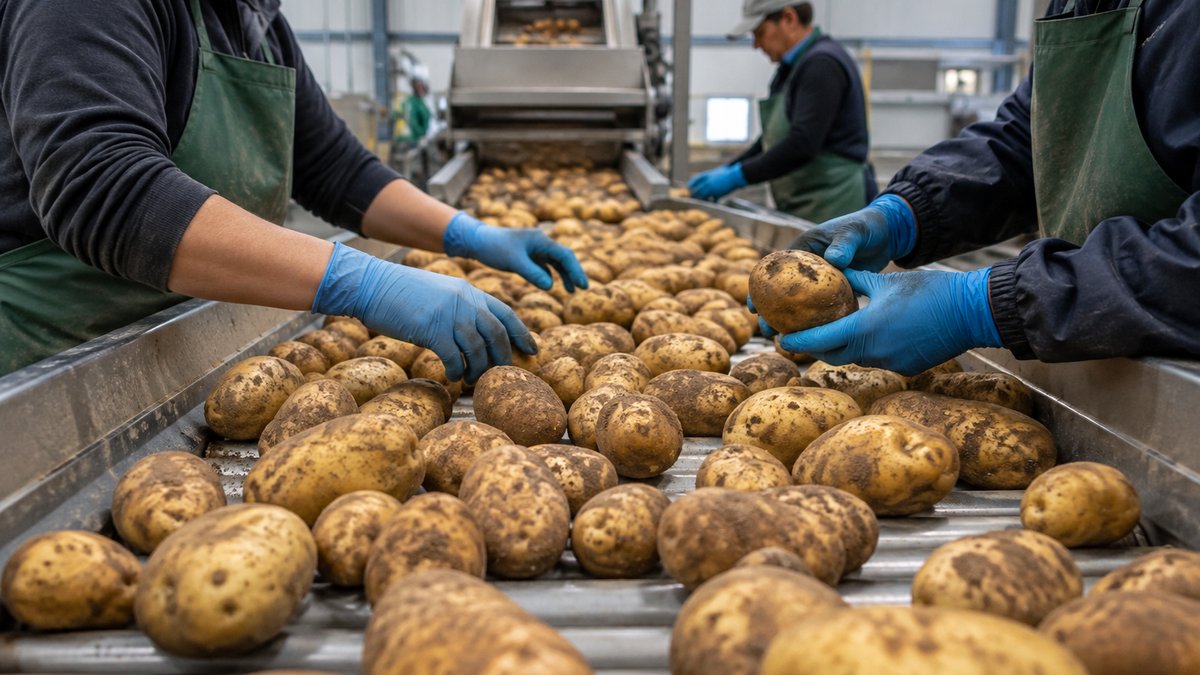
Fresh-market quality is not just a question of appearance. UNECE FFV-52’s requirements for covered early and ware potatoes include condition, cleanliness, firmness, freedom from certain defects, sizing, packaging and marking. That standard has a defined scope: it is for potatoes supplied fresh to consumers, not potatoes for industrial processing. Importers should check whether the standard applies to their transaction and what destination-country rules govern the shipment.
Processing performance requires tests and tolerances matched to the product being made. Oregon State University Extension explains that starch content is related to specific gravity or dry matter, and that processing varieties generally need relatively high starch and low reducing sugars. Those properties can affect texture, oil uptake and the colour of fried products. A buyer making chips and a buyer making long-cut fries may set different variety and shape requirements, so a general label such as “processing potato” leaves important details open.
The USDA’s U.S. Standards for Grades of Potatoes for Processing provide one jurisdiction-specific example. The standard describes U.S. No. 1 Processing and U.S. No. 2 Processing grades and includes optional tests for specific gravity and fry colour. These are U.S. standards. They do not create a worldwide processing grade, and a contract should not use “U.S. No. 1 Processing” unless the parties intend to apply that U.S. standard.
The two markets can also differ in what they accept as commercially usable. A fresh pack may be sold according to agreed size ranges and appearance tolerances. A processor may value a lot based on whether tubers meet size, shape and quality limits for its machinery and finished-product specifications. Agree how defects, undersized tubers, sampling, testing and rejected portions will be assessed. Do not infer a lower or higher grade merely from a lot’s intended destination.
Buying consideration: When quotations use different grade names, ask each supplier to identify the issuing authority and provide the full specification, including test method and tolerances, before comparing the offers.
3. A buyer’s specification changes with the product being made
Consider a buyer sourcing potatoes for two separate operations: fresh retail packs and frozen French fries. The buyer should prepare separate purchase specifications because the first operation sells whole tubers while the second processes them into a defined shape and cooked product. This is an illustrative sourcing scenario, not a claim about a particular shipment or a universal specification.
3.1 Fresh retail pack
For the retail order, the buyer could specify the variety or acceptable varieties, origin, size range, skin and flesh characteristics, visible defect tolerances, sprout condition, packaging format and required marking. The buyer should identify the applicable fresh-market standard, if one is required, and state how the lot will be sampled and inspected. If the potatoes will be sold as a particular cooking type, the buyer can ask the supplier to provide relevant variety information rather than relying on a broad label such as “table potato.”
The shipment terms should also explain how potatoes are packed and protected during transport, including ventilation where relevant. UNECE FFV-52 requires covered early and ware potatoes to be packed to protect the produce and allow adequate ventilation. Whether that standard applies depends on the shipment and market; the contract should identify the governing requirement rather than assume it.
3.2 Frozen French fry production
For the processing order, the buyer could specify the intended product, acceptable varieties, tuber size and shape, dry matter or specific-gravity range, reducing-sugar limits, defect tolerances and the agreed method for assessing fry colour. The contract should state how samples will be taken, who performs the tests, and what happens if a lot falls outside the agreed limits. If the processor uses a particular line or cut size, that information helps define the requirements that the potatoes must meet.
An inspection result should be interpreted against the contract method. A specific-gravity reading, for example, is useful only when the parties agree on the sampling and measurement procedure and a threshold relevant to their process. The same applies to fry colour: the test sample, preparation and assessment scale should be stated so the buyer and supplier evaluate the lot consistently.
Illustrative inquiry format:
Product: Fresh potatoes intended for French fry processing
Variety: Name the required or acceptable varieties
Size and shape: State the agreed size range and shape requirements
Processing tests: Set dry matter or specific-gravity limits and reducing-sugar or fry-colour requirements, if applicable
Quality and inspection: Define defect tolerances, sampling method, test method and inspection point
Commercial details: State quantity, packaging, shipment schedule, destination and delivery term
This is an illustrative inquiry structure. The required values and tests depend on the buyer’s product, equipment, market and contract.
A supplier may be able to provide potatoes for both markets, but the buyer should request evidence against each order’s criteria. A variety name or past use does not prove that a particular lot meets the buyer’s size, sugar, colour or defect limits. Ask for current lot information and agree whether pre-shipment or arrival inspection will control acceptance.
Looking to Source Fresh Potato?
Connect with verified suppliers, discover matching products, and explore sourcing opportunities from global markets.
4. Choose table or processing potatoes by the contract’s end-use requirements
Choose table potatoes when the order is for fresh sale and the lot meets the buyer’s requirements for appearance, size, condition, packing and destination market. Choose processing potatoes when the buyer needs raw material for a specific manufacturing line and the supplier can meet the relevant variety, shape, composition and test requirements. The category name is only a starting point; the written specification decides what the buyer is purchasing.
4.1 Specify fresh-market potatoes
Fresh-market buyers should set the acceptable variety or product description, size range, package weight, appearance requirements and defect tolerances. UNECE FFV-52, where relevant to the transaction, covers such matters as minimum quality, sizing, tolerances, packaging and marking for early and ware potatoes. Its scope excludes industrial processing potatoes, so do not use it as the sole quality specification for a processing contract.
Confirm the destination market’s import and food requirements separately from commercial grade. A commercial quality standard does not automatically settle phytosanitary, food-safety, labeling or customs requirements. The buyer and exporter should identify the applicable destination-country authorities and shipment conditions before contract confirmation.
4.2 Specify processing potatoes
Processors should name the finished product first, then translate its needs into measurable raw-potato criteria. For fries, requirements may include tuber length and shape; for chips, another shape profile may fit the slicer. Dry matter or specific gravity, reducing-sugar levels and fry colour may also be relevant. Set actual limits with the processor’s technical team, since variety, storage history and the manufacturing process influence performance.
Identify whether a named standard, processor specification or both govern the lot. If the contract refers to a government grade, cite the jurisdiction and edition. If the buyer adds stricter requirements, list them separately. The USDA processing grades, for example, are a U.S. grading framework; a buyer in another country should not assume that a U.S. grade is required or recognized without agreement.
4.3 Make the inspection and acceptance terms testable
Specify the sampling plan, inspection location, measurement method, tolerances and responsibility for testing. State how the parties will handle a split result, a nonconforming lot or a shortage of usable material. These terms matter because a shipment can appear acceptable from the outside while failing an internal processing test, or meet a processor’s criteria while falling outside a fresh-market appearance specification.
Compare quotations only after aligning the same items: variety, size, grade or specification, packaging, quantity, inspection basis, delivery point and shipment term. One supplier’s offer for fresh sale cannot be compared directly with another supplier’s processing-potato offer if the offers use different acceptance criteria. If a supplier has not stated a test result or tolerance, ask for it rather than treating it as included.
4.4 Check handling, storage and timing
Potatoes can change during storage, so buyers sourcing for processing should consider the period between harvest, dispatch and use when setting acceptance criteria. The contract should identify any storage-related requirements the processor relies on and when tests will be conducted. Fresh-market buyers should likewise consider firmness, sprouting, packaging and the condition expected at arrival. The specific handling plan depends on variety, lot condition, shipment duration and destination.
Exporters should describe the actual lot and available test results instead of relying on broad claims such as “ideal for processing” or “premium table quality.” State the variety, harvest or packing information available, size, grade, inspection results, packaging and shipment capability. Buyers can then check each statement against their intended use and contract.
Once the product use and specification are clear, buyers can review Fresh Potato suppliers on Freshdi as one place to find relevant listings. Confirm the supplier’s current lot details, documents and commercial terms against the requirements of the intended market before ordering.
References
1. United Nations Economic Commission for Europe – FFV-52: Early and Ware Potatoes, 2023.
2. Government of Saskatchewan – Potatoes, n.d..
3. Oregon State University Extension – Potato Variety Selection, n.d..
4. U.S. Department of Agriculture, Agricultural Marketing Service – United States Standards for Grades of Potatoes for Processing, Effective 1983; reprinted 1997.
Disclaimer: This article is compiled from platform data, public sources and information provided by third parties, for general informational purposes only. We do not guarantee its accuracy or completeness. Please conduct your own due diligence before making business decisions.