
Introduction
Japan’s October 2026 customs data put soybean imports at 275,891 metric tons, with a reported value of ¥26.135 billion. Dividing value by quantity gives an approximate customs import unit value of ¥94,728 per metric ton. This is an average across that month’s imports, not a current supplier quotation or a grade-specific export offer.
The latest separately reported monthly price estimate found for Japan was US$559 per ton for soybean imports in September 2026. The September dollar figure and October yen unit value use different reporting periods and currencies, so they should not be read as a direct month-to-month price comparison. This update covers Japan’s import market, origin comparisons and the checks buyers should make before comparing offers.
Key Takeaways
- Japan’s October 2026 customs data show soybean imports of 275,891 metric tons worth ¥26.135 billion, an implied average of about ¥94,728 per metric ton.
- October import quantity was down 23.3% year on year and value was down 8.6%. Using those rounded changes, the implied unit value was about 19.2% higher year on year.
- A September 2026 market table reported a Japan soybean import price estimate of US$559 per ton. It is a separate observation from October’s yen-denominated customs unit value.
- In 2025, Japan’s largest soybean import sources by quantity were the United States, Brazil and Canada. Their annual customs unit values differed, but they are not like-for-like supplier quotations.
- Buyers should compare the same soybean type, quality, volume, currency, delivery basis and shipment timing, then calculate landed cost for Japan.
1. Japan’s Soybean Market Depends on Imported Supply
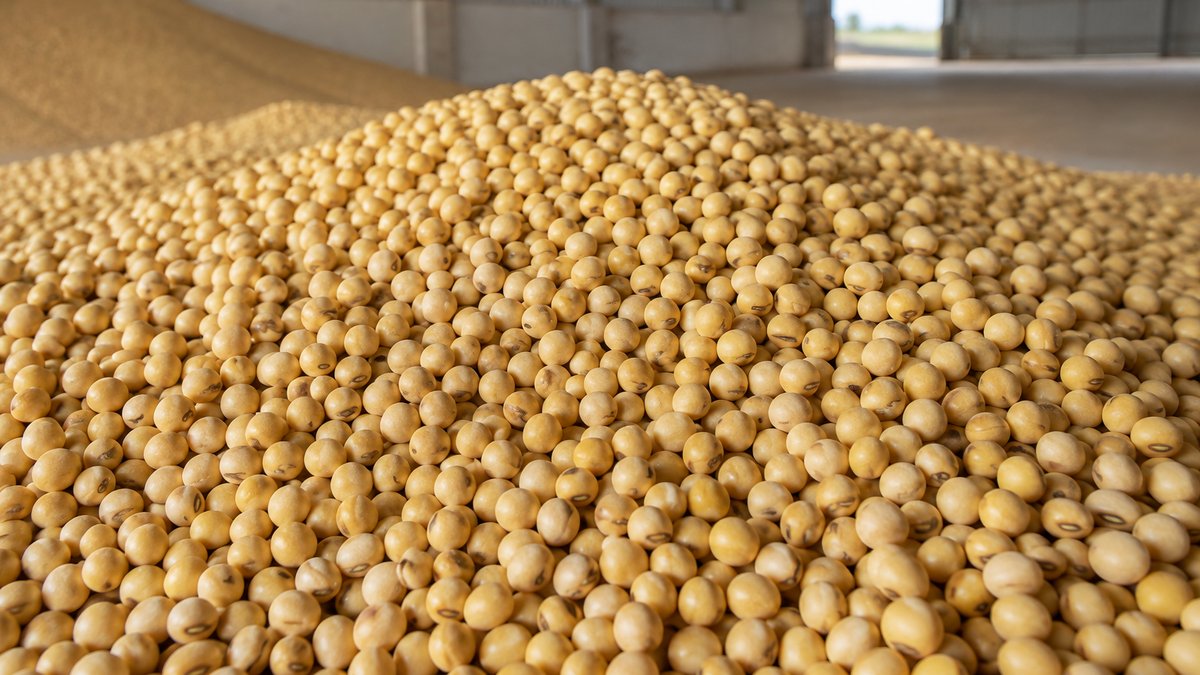
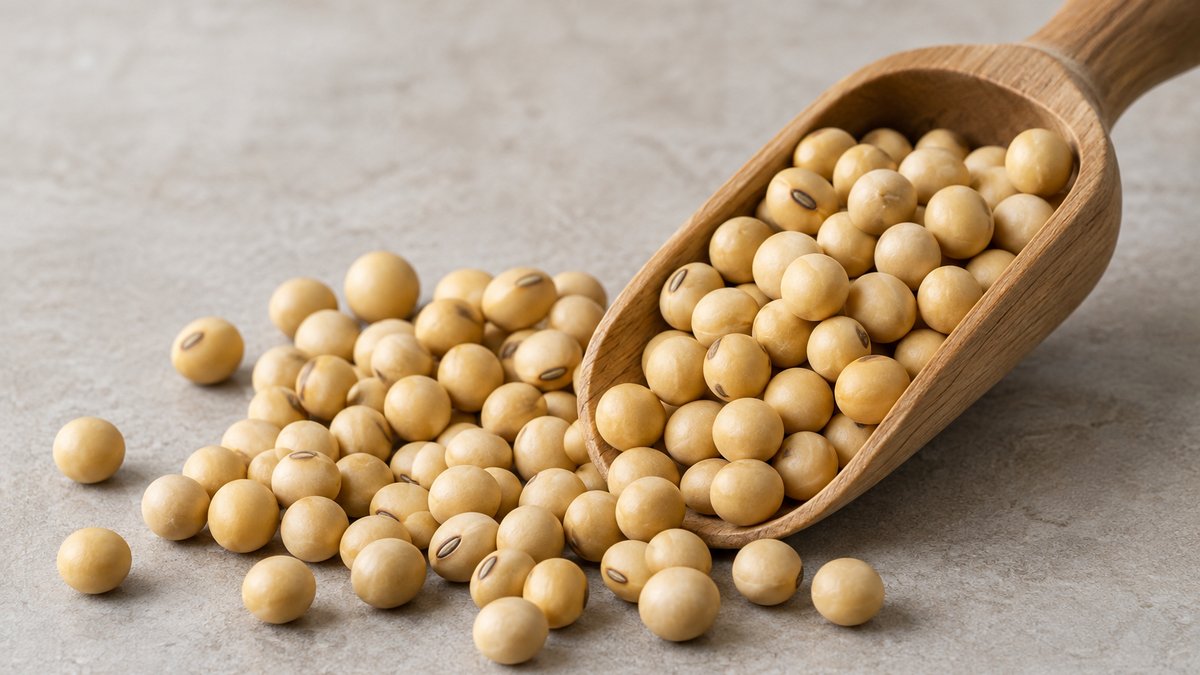
Japan imported 3.312 million metric tons of soybeans in 2025, according to UN Comtrade data reported through the World Bank’s World Integrated Trade Solution. Imports came mainly from the United States, Brazil and Canada. These origins supply a market that uses soybeans across food processing and other industrial demand.
USDA’s November 2026 oilseeds trade table estimates Japan’s soybean imports at 3.374 million metric tons for the 2025/26 marketing year and 3.300 million metric tons for 2026/27. USDA uses an October-to-September marketing year for Japan. The figures are forecasts or estimates for those marketing years, not calendar-year customs results.
Japan’s sourcing profile makes international crop availability, export competition, freight and the yen relevant to import costs. A change in a global benchmark can inform negotiations, but it does not by itself establish what a Japanese buyer will pay for a particular shipment. Protein, moisture, damage limits, intended use and contract terms can all differ between offers.
Customs value data also need careful interpretation. An import unit value divides the total recorded customs value by the total quantity in a period. It can move because of prices, product mix, origin mix, shipment timing or exchange rates. It is not the same measure as an exchange futures price or a seller’s FOB quotation.
Looking to Source Soybean?
Connect with verified suppliers, discover matching products, and explore sourcing opportunities from global markets.
2. Latest Soybean Prices for Japan Show Different Reporting Measures
2.1 October 2026 import unit value
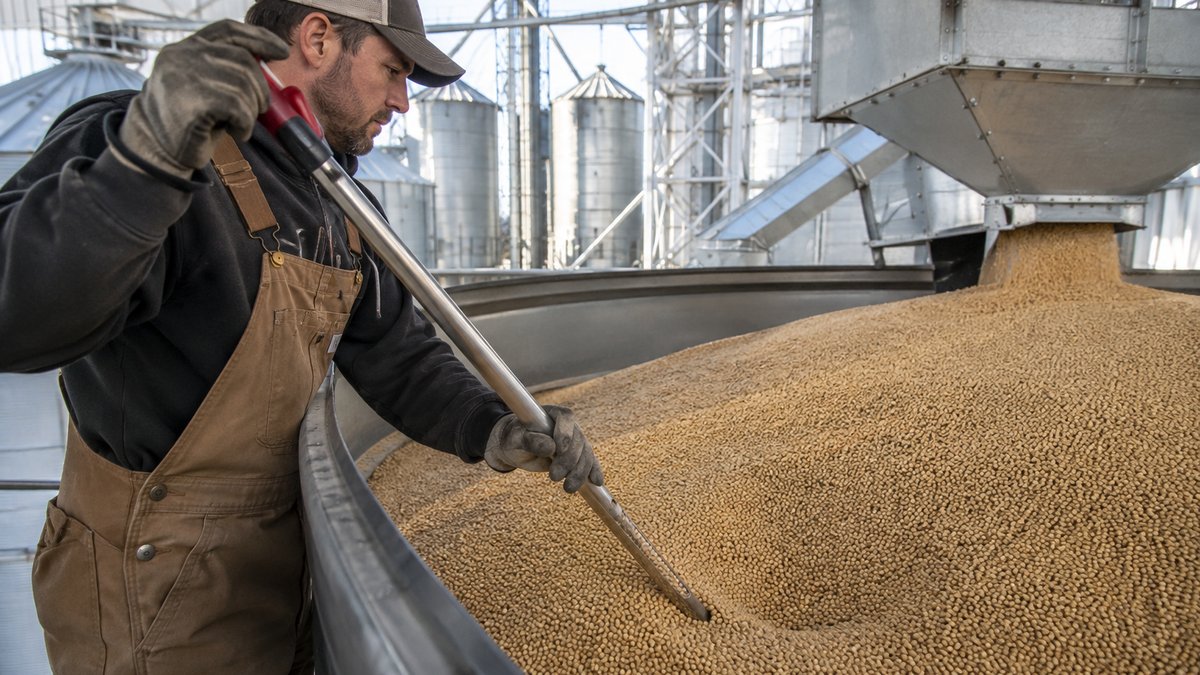
Japan’s Ministry of Finance reported October 2026 soybean imports of 275,891 metric tons, valued at ¥26,135 million. Dividing the reported value by quantity gives approximately ¥94,728 per metric ton. This calculated figure is a customs unit value for the month, not an offer for a specified grade, port or delivery term.
The ministry reported that October import quantity fell 23.3% from October 2025 and import value fell 8.6%. Using those rounded year-on-year changes, the implied unit value rose by approximately 19.2%: the value index was 91.4% of the prior-year level while the quantity index was 76.7%. The calculation is indicative because the published percentage changes are rounded.
The October customs report does not identify a single grade or contract specification behind the aggregate. Buyers should treat the unit value as a broad market reference and request a current quotation against their own written specification.
2.2 September 2026 price estimate
CLAL’s TESEO table reported a September 2026 Japan import price estimate of US$559 per ton for soybeans under HS 1201. The table reports import volume of 295,074 tons and value of US$164.871 million for that month. Dividing those totals also gives approximately US$559 per ton.
That September estimate is denominated in US dollars, while the October customs unit value is denominated in yen. They are not a direct comparison: the periods differ, and currency movement affects any conversion. The September figure is an import average, not a spot export quote or a commitment available to a buyer today.
Japan Exchange Group’s soybean futures reference page showed a 64,000 settlement reference for the listed December 2026 contract in its November 6, 2026 entry. The exchange figure is a futures reference, and the available page does not establish an equivalent delivered price for imported soybeans in Japan. Buyers should keep that distinction clear when using futures to discuss price risk.
2.3 Price comparison by exporting origin
Japan’s 2025 import data show different average unit values by origin. Calculated from WITS-reported customs values and quantities, the United States averaged about US$518 per metric ton, Brazil about US$447 per metric ton and Canada about US$813 per metric ton. These are annual import averages, not comparable offers for the same grade, shipment date or delivery basis.
Differences in annual unit values can reflect grade, variety, shipment composition, timing and contract conditions. They do not prove that one origin is cheaper for an identical shipment. For a purchasing decision, ask competing suppliers to price the same specification, volume, shipment window, packaging and delivery basis.
2.4 Price trend and comparison limits
The October customs figures indicate a higher implied unit value than a year earlier even as both import quantity and total value declined. That combination does not identify a single cause. Import mix, currency effects and shipment timing can all affect an aggregate unit value, and the monthly table does not separate those influences.
The September US$559-per-ton estimate provides a recent dollar-denominated reference, while October’s official customs value provides the latest monthly yen-denominated aggregate found for this update. Because the series differ by period and presentation, avoid calculating a price trend between them. A comparable trend requires the same currency, product scope, period and valuation method.
3. Factors That Can Change Soybean Prices in Japan
Global harvest expectations and available export supplies affect the offers Japan receives. USDA’s 2026/27 estimate puts Japan’s soybean imports at 3.300 million metric tons, slightly below its 3.374 million-ton estimate for 2025/26. Those projections describe import demand, not a forecast of Japan’s purchase price.
Competition among exporting origins can also change the choices available to Japanese buyers. The United States, Brazil and Canada supplied most of Japan’s 2025 soybean imports. Harvest timing, exportable stocks and competing demand can affect each origin’s availability and the timing of offers. Country-level annual unit values do not isolate those factors.
The yen affects the local-currency cost of soybeans priced in dollars. A buyer comparing a dollar-denominated offer with a yen budget should record the exchange rate and date used in the calculation, then account for payment timing and any currency-protection costs. The customs unit value in yen cannot be compared directly with a dollar futures price without that context.
Freight and route costs affect delivered price. A USDA Agricultural Marketing Service report on second-quarter 2026 transport costs for US soybeans shipped to Japan noted higher transportation costs on Gulf and Pacific Northwest routes. That report is older than the October customs data, so it is background on route exposure, not a current freight quotation. Buyers need current freight and insurance figures for their shipment window.
Export policy, port conditions and contract terms can alter availability or landed cost, but this price update does not establish a new Japan-specific policy change. Before committing, confirm the applicable import requirements and documentation for the exact soybean type and intended use with the relevant Japanese authorities or a qualified customs specialist.
4. Japan’s Major Soybean Import Markets and Export Destinations
4.1 Major global importing markets
China is the largest soybean import market in the USDA trade table, with estimated imports of 115 million metric tons for 2026/27. The European Union is forecast at 13.7 million tons, while Japan is estimated at 3.3 million tons. These are USDA marketing-year figures, not final customs totals. Japan is a substantial importer, but its import scale is far below China’s.
The same USDA table forecasts China’s imports at 113 million tons for 2025/26 and 115 million tons for 2026/27. Such demand estimates provide context for competition among exporters, but they do not show how much supply will be available to any individual Japanese buyer.
4.2 Japan’s main supplier origins
In calendar year 2025, Japan imported 2.282 million metric tons from the United States, 651,873 tons from Brazil and 360,217 tons from Canada. Together, those three origins accounted for almost all of Japan’s reported soybean imports that year. This is confirmed customs trade, rather than a forecast of future orders.
The United States supplied about 69% of Japan’s 2025 import quantity, Brazil about 20% and Canada about 11%, based on the reported quantities. These shares are calculated from the WITS country totals and may not match a later year’s sourcing mix.
4.3 What import demand means for suppliers
The origin mix gives exporters a practical reference for the competition they face in Japan. A supplier should state the soybean type, grade or variety, crop year where known, available quantity, loading location and quotation basis. Buyers can then assess whether an offer fits their processing use and delivery schedule.
A national import forecast is not a confirmed buyer order. Suppliers should distinguish government projections from tenders and individual purchase requests, and verify quantity, destination, specification and timing before treating a market estimate as demand for their own product.
5. How Buyers Can Compare Soybean Offers for Japan
Compare offers on a matched specification and delivered-cost basis. An annual import unit value or a futures reference can help frame a discussion, but neither replaces a supplier quotation for the product and shipment being considered.
- Write down the soybean type and intended use, along with grade, variety, crop year and quality tolerances where applicable.
- Request the same quantity, packaging and shipment window from each supplier. State the Japanese destination port and required arrival period.
- Compare quotations on one delivery basis. FOB means the seller’s price covers delivery onto the vessel at the named loading port; CFR includes carriage to the named destination port; CIF includes carriage and insurance to that port. Confirm the specific named ports and contract wording.
- Add freight, insurance, port charges, inspection costs and other buyer-borne expenses to calculate a comparable landed cost.
- Record the quotation currency, exchange-rate date, validity period, payment terms and any price adjustment clause.
- Check the import documentation and product requirements that apply to the shipment and its intended use in Japan.
FOB, CFR and CIF prices cover different cost and responsibility arrangements, so a lower headline number may exclude costs included in another supplier’s offer. Compare the same Incoterm and named ports before ranking quotations.
Buying consideration: For procurement, request a dated quotation that identifies the product specification, quantity, named ports, Incoterm, currency and validity period. Use a current freight quote and your own import-cost assumptions to compare the landed total.
6. What Soybean Demand Looks Like on Freshdi
No Freshdi request count or supplier snapshot is included in this update, so it does not quantify platform demand or describe individual buyers. Freshdi’s soybean category pages let users review the relevant buyer and supplier sections directly, where current listings can be checked.
A buyer assessing an offer should make the required quantity, soybean type, specification, destination and delivery terms clear in the inquiry. Suppliers can use those details to assess whether their listed product and shipment terms fit the requirement.
7. Practical Next Steps for Soybean Buyers and Suppliers
7.1 For buyers and importers
- Use the October customs unit value as a broad historical reference, not as a budget quote for a specific shipment.
- Compare supplier offers against one specification and one Incoterm, including the same destination port and shipment window.
- Separate currency effects from commodity-price changes by recording the exchange rate and date used in each comparison.
- Confirm quality, documents, import requirements and arrival schedule before agreeing a price.
- Recheck freight and insurance near the shipment date because transport costs can change after a published market report.
7.2 For exporters and suppliers
- Keep the quotation dated and identify the offered soybean type, grade, origin, available quantity and packaging.
- Name the loading port, delivery basis, quote currency and offer-validity period.
- Make sure the buyer can compare the offer with a clear shipment schedule and documented product specifications.
- Update offers when the underlying price basis, exchange rate or freight assumption changes.
- Respond to a buying requirement only when the product, quantity and destination match the supplier’s actual offer.
8. How Freshdi Helps Buyers and Suppliers Find Soybean Listings
Buyers can use Freshdi’s soybean supplier category to review relevant supplier listings, while suppliers can review the soybean buyer category for relevant buying activity. A listing is a starting point for checking fit; buyers and suppliers still need to confirm specifications, availability, delivery terms and documentation directly through the transaction process.
Readers comparing soybean sourcing options can review the relevant buyer and supplier category pages on Freshdi.
View Latest Grains, Cereal & Legumes Buying Requests →View Potential Grains, Cereal & Legumes Suppliers →
9. Japan Soybean Market Outlook for Buyers and Exporters
Japan’s October 2026 customs data show a calculated import unit value of about ¥94,728 per metric ton, with import volume and total value both lower year on year. A separate September estimate put the import price at US$559 per ton. These figures use different periods and currencies, so they do not establish a single current offer or a continuous price trend.
The United States, Brazil and Canada remain the main reference origins in Japan’s 2025 import data, while USDA estimates Japan’s 2026/27 soybean imports at 3.300 million metric tons. Buyers should compare current offers on specification and landed cost. Exporters should keep quotations precise and dated, with the loading point and delivery terms stated.
Buyers and exporters ready to explore soybean trade can review the related Freshdi category pages.
View Latest Grains, Cereal & Legumes Buying Requests →View Potential Grains, Cereal & Legumes Suppliers →
Frequently Asked Questions
What was Japan’s latest soybean import unit value?
Japan’s Ministry of Finance reported October 2026 soybean imports of 275,891 metric tons valued at ¥26,135 million. Dividing value by quantity gives an approximate import unit value of ¥94,728 per metric ton. It is a monthly customs average, not a quote for a particular grade or shipment.
Did Japan’s soybean import price rise in October 2026?
The October customs data show import value down 8.6% year on year and quantity down 23.3%. Dividing the value index by the quantity index implies a unit value about 19.2% higher than a year earlier. This estimate uses rounded published percentage changes and describes the aggregate import mix.
What was the latest reported soybean price estimate for Japan in US dollars?
CLAL’s TESEO table reported a September 2026 Japan soybean import price estimate of US$559 per ton for HS 1201. It is an import average, not a supplier’s current export offer. October’s customs unit value is reported in yen and should not be compared directly without accounting for the different month and currency.
Which countries supply most of Japan’s soybeans?
In 2025, Japan imported 2.282 million metric tons from the United States, 651,873 tons from Brazil and 360,217 tons from Canada, according to WITS-reported trade data. The quantities describe that calendar year and do not guarantee the same sourcing mix in a later period.
How should buyers compare soybean offers for Japan?
Ask suppliers to quote the same soybean type, quality specification, quantity, packaging, shipment window and destination port. Compare offers on the same Incoterm, then add freight, insurance and other buyer costs to estimate landed cost. Record the currency, exchange-rate date and quotation validity.
Are FOB and CIF soybean prices directly comparable?
No. FOB and CIF cover different cost arrangements. A CIF offer includes carriage and insurance to the named destination port, while FOB covers delivery onto the vessel at the named loading port. Compare like-for-like terms and ports, or calculate the additional costs needed to bring both offers to the same basis.
References
1. Ministry of Finance of Japan, Trade Statistics of Japan – Imports by Principal Commodity, October 2026, 2026.
2. CLAL, TESEO – Japan Import Oilseeds and Protein Flours, September 2026, 2026.
3. World Bank, World Integrated Trade Solution – Japan Soya Beans Imports by Country, 2025, 2025.
4. USDA Foreign Agricultural Service – Oilseeds: World Markets and Trade, November 2026, November 2026.
5. Japan Exchange Group – Night Session Reference Quotes: Soybean Futures, November 6, 2026.
6. USDA Agricultural Marketing Service – Grain Transportation Report, second-quarter 2026 soybean transportation costs to Japan, as reported by RFD, September 1, 2026.
Disclaimer: This article is compiled from platform data, public sources and information provided by third parties, for general informational purposes only. We do not guarantee its accuracy or completeness. Prices, volumes and forecasts are indicative, reflect conditions as of 2026-11-19 and may change without notice. This is not financial, investment or trading advice.