
Introduction
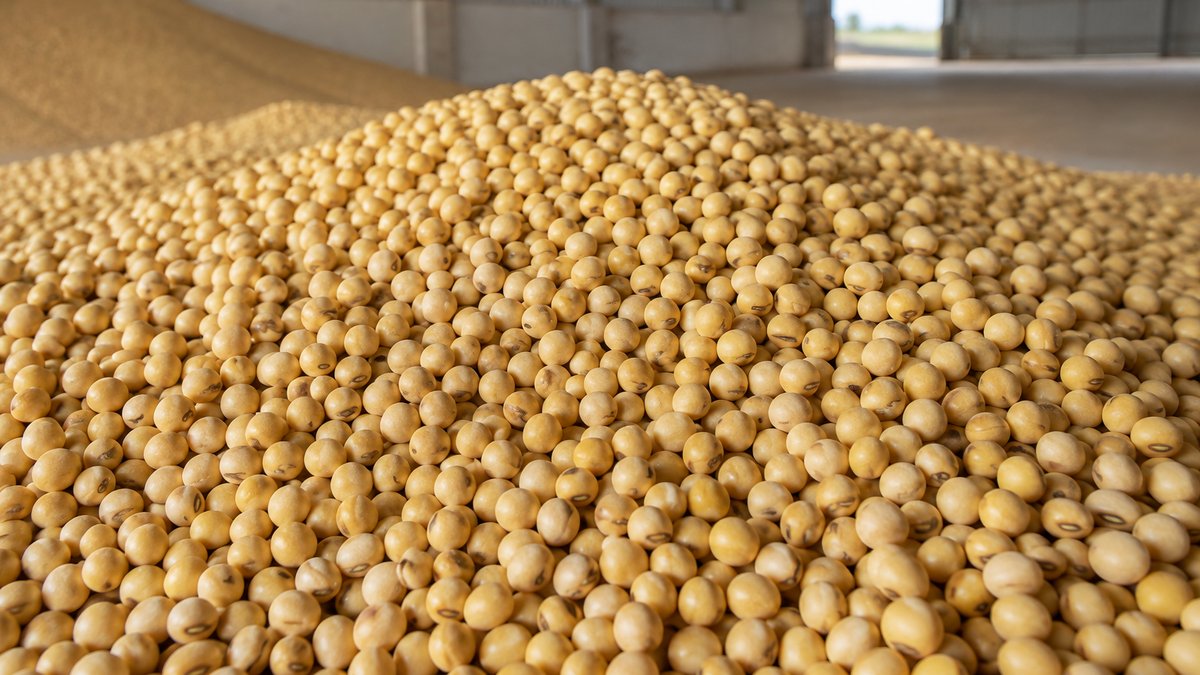
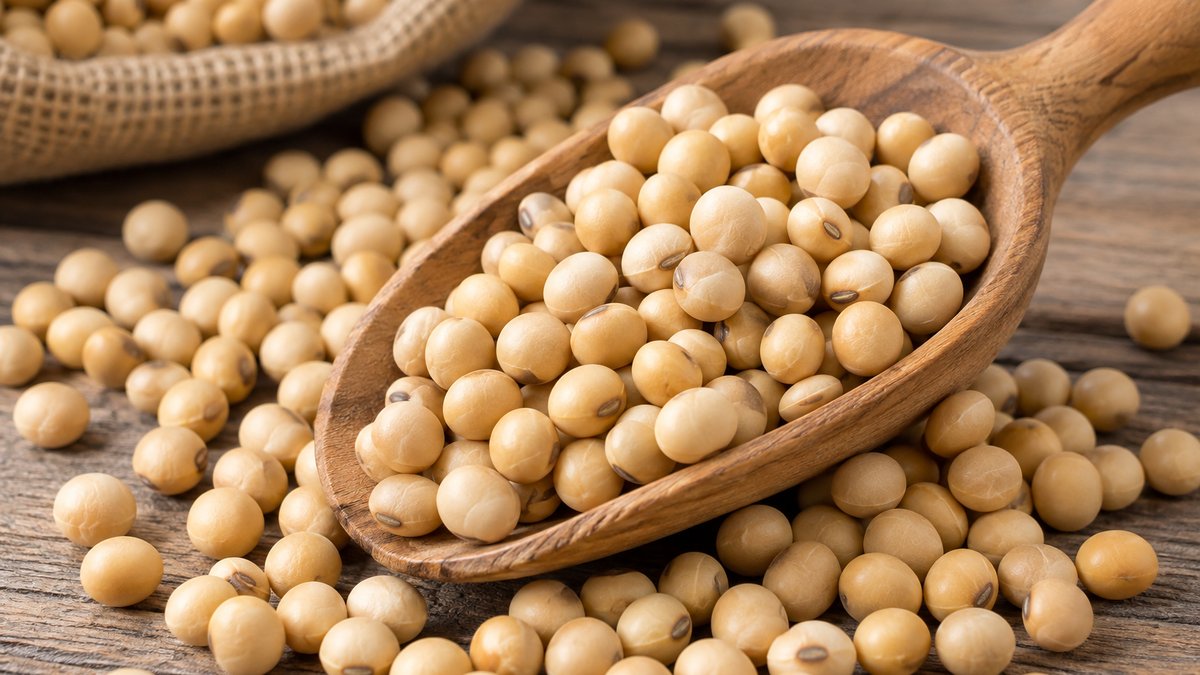
South Korea’s latest reported wholesale survey price for imported soybeans was KRW 127,200 per 35 kg on 18 November 2026, unchanged from the previous survey and 3.8% above a year earlier. This is a domestic wholesale reference, not an export quotation or an import customs unit value.
For comparison, the latest soybean export-price series in the November USDA oilseeds report runs through 4 November. It shows FOB prices near US$490 per metric tonne for Brazil, US$480 for the United States and US$470 for Argentina. Those export benchmarks use different locations and are not delivered prices in South Korea. This update covers reported November 2026 prices and the 2026/27 outlook, with each measure kept on its own basis.
Key Takeaways
- KAMIS’s 18 November 2026 survey, reported by AgriTicker, put imported soybeans at KRW 127,200 per 35 kg at the wholesale level. The price was unchanged from the previous survey and up 3.8% year on year.
- The November USDA report’s soybean export-price chart ends on 4 November 2026. Its approximate FOB benchmarks were US$490/MT for Brazil, US$480/MT for the U.S. Gulf and US$470/MT for Argentina Up River.
- USDA forecasts South Korean soybean imports at 1.05 million metric tonnes for marketing year 2026/27, down from 1.075 million tonnes in 2025/26. The marketing year runs October to September.
- FOB export prices and South Korean wholesale prices measure different stages of trade. Buyers should add freight, insurance, duties, handling and any applicable costs before comparing delivered offers.
- A 2026 South Korean tariff-rate quota adjustment covered soybeans for sprouting. It added 10,000 metric tonnes to that specific import program; it was not a general increase for all soybean uses.
1. Soybean Market Overview: Supply, Trade and South Korean Demand
Global soybean supply is forecast to tighten in marketing year 2026/27. USDA’s November 2026 Oilseeds report projects lower global soybean production, higher crush and trade, and lower ending stocks than in its previous outlook. Those projections describe the global balance, not a guaranteed price direction for shipments to South Korea.
South Korea remains a significant soybean import market. USDA’s November 2026 oilseeds trade table forecasts 1.05 million metric tonnes of soybean imports in South Korea’s October-to-September 2026/27 marketing year, compared with 1.075 million tonnes in 2025/26 and 1.128 million tonnes in 2024/25. These are forecasts and historical marketing-year estimates, not confirmed purchases or orders.
China dominates soybean import demand in the same USDA table, with imports forecast at 115 million tonnes in 2026/27. The European Union is forecast at 13.7 million tonnes, while South Korea’s 1.05 million-tonne forecast is much smaller. The measures are USDA marketing-year estimates, not calendar-year customs totals.
South Korea’s import rules can differ by soybean use. In July 2026, the government announced a 10,000-metric-tonne increase in its 2026 WTO tariff-rate quota for soybeans used for sprouting, citing high market prices and potential tighter supplies in the second half of the year. That adjustment applies to sprouting soybeans under the named quota, not automatically to food-processing or crushing imports.
The country-specific USDA outlook also reports that South Korean soybean production for 2026/27 was forecast to decline slightly to 154,000 metric tonnes. The report attributed the outlook in part to high government stocks of domestic soybeans from the preceding marketing year. This domestic production measure should not be confused with imports or the wholesale price of imported beans.
Looking to Source Soybean?
Connect with verified suppliers, discover matching products, and explore sourcing opportunities from global markets.
2. Latest Soybean Prices: South Korea and Exporting Origins
2.1 Current soybean price in South Korea
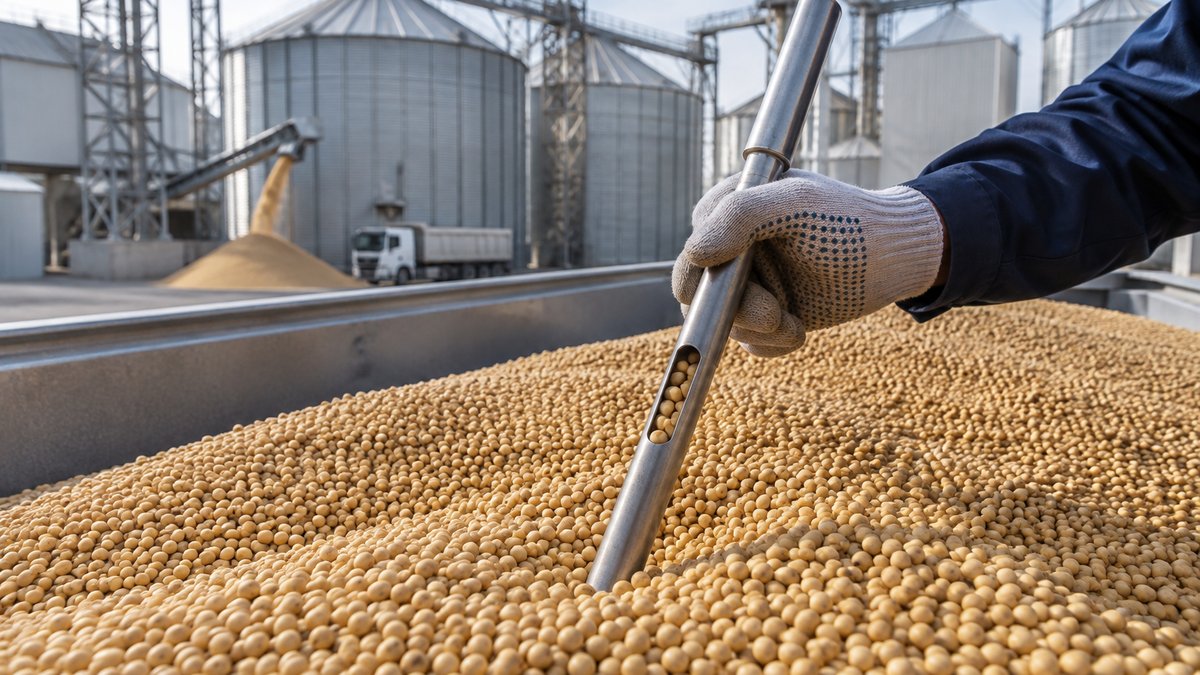
The latest South Korean reference located for this update is the KAMIS national wholesale survey for imported soybeans. AgriTicker reported a price of KRW 127,200 per 35 kg on 18 November 2026, unchanged from the previous survey and 3.8% higher than a year earlier. That is approximately KRW 3,634 per kilogram by simple division; the recorded survey unit is 35 kg.
The KAMIS figure is a domestic wholesale observation for imported soybeans. It does not identify a particular exporting origin, contract grade, shipment date or Incoterm. It therefore cannot be treated as a South Korean import customs value, a producer price or a direct offer for a bulk shipment.
2.2 Price comparison by exporting origin
USDA’s November 2026 oilseeds report reproduces International Grains Council export-price data through 4 November. The chart gives approximate FOB benchmarks for three major origins. FOB means the seller delivers the goods on board at the named shipment port; the buyer’s ocean freight and insurance are outside that benchmark.
These chart readings are approximate, and the locations differ. They provide an origin-market comparison, not exact matched bids for delivery to South Korea. The available chart does not specify a common grade or moisture specification for all three origins, so buyers should confirm specifications before using the figures to evaluate supplier offers.
2.3 Recent price trend and comparison limits
The USDA chart tracks export prices from November 2025 through 4 November 2026. It shows the three FOB series rising during parts of July to September and easing into early November. The Korean wholesale survey provides a different time series: the 18 November imported-soybean price was flat against the previous survey and 3.8% above the year-earlier observation, according to the KAMIS data reported by AgriTicker.
Those movements are not contradictory. Export benchmarks reflect bulk offers at named export locations, while a Korean wholesale survey records a domestic market price after the goods have moved through the import and distribution chain. Compare each series with its own previous observations; do not calculate a price change by comparing a Korean retail or wholesale measure with an FOB quotation.
3. Why Are Soybean Export Prices Changing?
The November 2026 USDA outlook identifies a tighter projected global soybean balance for 2026/27, with lower production, higher crush and trade, and lower ending stocks. A smaller projected stock cushion can make the market more sensitive to changes in crop estimates, demand and shipping availability. USDA’s forecast is an outlook, not a prediction of a particular South Korean price.
3.1 Crop supply and harvest timing
Harvest progress changes the origin mix of export availability through the year. The November USDA chart tracks separate U.S. Gulf, Brazil Paranagua and Argentina Up River prices, which can diverge as crop calendars, local supply and export demand change. The chart does not isolate the contribution of each factor to the November price levels.
3.2 Crushing demand and export competition
USDA raised its forecast for global soybean crush in 2026/27 in the November outlook. Crushing demand links whole-bean prices to expected demand for soybean meal and oil. At the same time, competition among origins affects the prices exporters can offer to importers such as South Korea.
3.3 South Korean policy and buyer requirements
The July 2026 tariff-rate quota adjustment was a policy response for soybeans used for sprouting. It signals that the government was addressing a specific supply concern in that segment, but it does not establish that every soybean category faced the same shortage or price conditions. Importers should check the quota’s product scope, applicable period and eligibility before including it in a procurement plan.
3.4 Currency, freight and delivery basis
FOB prices are quoted at the export location and in U.S. dollars in the USDA chart. A Korean buyer’s cost also depends on the exchange rate used for settlement, ocean freight, insurance, port and handling charges, applicable duties and inland delivery. A change in any of those costs can alter the delivered comparison even when the FOB benchmark is unchanged.
4. Which Countries Import the Most Soybeans?
4.1 Major global importing markets
USDA’s November 2026 oilseeds trade table forecasts China as the largest importer among the markets shown here, at 115 million metric tonnes of soybeans in 2026/27. The same table forecasts 13.7 million tonnes for the European Union and 3.3 million tonnes for Japan. South Korea is forecast at 1.05 million tonnes. These figures refer to marketing year 2026/27, not completed calendar-year import results.
This is a comparison of selected markets from USDA’s table, not a complete global ranking. The forecast shows South Korea as a smaller destination by volume than China, the European Union and Japan, while still representing a substantial import requirement.
4.2 South Korea’s origin and destination context
The USDA country outlook and global trade table provide South Korea’s import forecast but do not establish a current supplier-origin share for the 2026/27 marketing year. A buyer should use current customs or government procurement data to verify origin shares rather than infer them from global FOB prices. A benchmark price from a country does not prove that its beans are available under a South Korean contract.
4.3 What import demand can and cannot tell exporters
A national import forecast indicates expected market volume at country level. It does not confirm a buyer’s order, specification, delivery month or preferred origin. Exporters assessing South Korea should distinguish the USDA forecast from confirmed tenders and individual commercial inquiries, then quote against the buyer’s stated grade, use and delivery requirements.
5. Where Can Buyers Source Soybeans at a Competitive Price?
Compare offers on a matched specification and delivery basis. The November FOB benchmarks place Brazil above the U.S. Gulf and Argentina Up River on the approximate 4 November chart readings, but that ordering alone does not establish which origin offers the lowest delivered cost in South Korea.
- Write down the intended use, variety or type, grade, moisture and other contract quality limits.
- Request the same quantity, packing format, shipment window and destination from each supplier.
- Compare prices on one Incoterm. If offers use FOB, add freight, insurance and destination costs consistently; if offers use CFR or CIF, confirm what the named price includes.
- Check whether the quoted origin, crop year, loading port and shipment schedule match the buyer’s requirements.
- Confirm South Korean import eligibility and any use-specific quota or documentation requirements with the relevant authority or customs professional.
- Ask each supplier to state quote currency, validity period, payment terms and inspection arrangements.
CFR includes the cost and freight to the named destination port, while CIF also includes insurance under the applicable Incoterms rules. Neither term automatically includes every destination charge, such as duties, terminal handling or inland delivery. The contract and named port determine the exact scope, so buyers should list those costs separately when calculating landed cost.
Buying consideration: Before selecting an offer, compare the same soybean specification at the same destination and shipment period, then calculate total landed cost rather than choosing from the FOB benchmark alone.
6. What Does the Latest Demand Look Like on Freshdi?
National import forecasts and business buying requests answer different questions. USDA’s South Korea forecast describes expected country-level soybean imports for a marketing year; an individual request describes the requirements of a particular buyer. Neither should be used as a substitute for the other.
A South Korean buyer reviewing soybean requests should check the stated end use, product type, quantity, target shipment period, destination, trade term and required documents. A supplier should respond only when its available product and commercial terms match the request. Missing specifications need to be clarified before preparing a comparable quotation.
Freshdi’s soybean category pages provide a place to review relevant buying requests and potential suppliers. A request or listing is a sourcing lead, not confirmation of a purchase, market-wide demand or a completed transaction.
7. What Should Soybean Buyers and Suppliers Do Next?
7.1 For buyers and importers
- Use the 18 November Korean wholesale survey as a domestic reference only; it is not a bulk import offer.
- Ask suppliers to quote the same grade, quality limits, quantity, shipment window and destination.
- Keep FOB, CFR and CIF offers separate until each cost component is identified.
- Check South Korean import rules and confirm whether a quota applies to the exact product use.
- Confirm current availability, origin, shipment timing, inspection terms and quote validity before contracting.
7.2 For exporters and suppliers
- State the origin and loading port, soybean type, grade, crop year and quality tolerances in each offer.
- Identify the Incoterm and named port, quote currency, shipment window and validity period.
- Separate the product price from freight, insurance and other charges when quoting on different delivery bases.
- Check whether the buyer’s intended use requires a specific import program or supporting documents.
- Review current buyer requirements before sending a quotation, and avoid treating national import forecasts as confirmed orders.
8. How Freshdi Helps Buyers and Suppliers Connect
Buyers can review potential soybean suppliers and describe a sourcing requirement through Freshdi’s category pages. Suppliers can review relevant buying requests and decide whether the requested product, quantity and destination match their offer.
For a useful comparison, buyers should provide the soybean specification, volume, destination, delivery basis and shipment timing in their inquiry. Suppliers should state the same details in their response so that the buyer can compare offers on a consistent basis.
Buyers comparing soybean origins can review relevant sourcing requests and potential suppliers in the soybean category.
View Latest Grains, Cereal & Legumes Buying Requests →View Potential Grains, Cereal & Legumes Suppliers →
9. Conclusion: South Korea Soybean Market Outlook
South Korea’s reported imported-soybean wholesale price was KRW 127,200 per 35 kg on 18 November 2026, while the latest USDA-reproduced FOB export benchmarks date to 4 November. The Korean survey was flat from its previous observation and above its year-earlier level; the export chart shows separate approximate prices by origin and port.
USDA’s 2026/27 forecast places South Korean soybean imports at 1.05 million metric tonnes, while the global outlook projects lower soybean production and ending stocks alongside higher crush and trade. Buyers should treat those projections as planning context, verify current offers and rules, and compare full landed cost. Exporters should quote the exact specification and delivery basis requested.
Buyers and suppliers preparing a South Korea soybean inquiry can review Freshdi’s relevant supplier and buying-request categories.
View Latest Grains, Cereal & Legumes Buying Requests →View Potential Grains, Cereal & Legumes Suppliers →
10. Sources and Data Scope
The South Korean wholesale observation is dated 18 November 2026 and is reported by AgriTicker from a KAMIS national wholesale survey for imported soybeans. Its survey unit is KRW per 35 kg. The export benchmarks are approximate readings from the International Grains Council chart reproduced in USDA’s November 2026 oilseeds report; the chart runs through 4 November and uses FOB locations. USDA import figures are marketing-year estimates or forecasts, as identified in the text. The sprouting-soybean quota information applies to South Korea’s 2026 WTO tariff-rate quota adjustment.
Frequently Asked Questions
What was the latest reported imported-soybean price in South Korea?
The KAMIS national wholesale survey for imported soybeans was reported by AgriTicker at KRW 127,200 per 35 kg on 18 November 2026. The observation was unchanged from the previous survey and 3.8% above a year earlier. It is a domestic wholesale reference, not an export quotation or import customs value.
What were soybean export prices in November 2026?
The November USDA oilseeds report reproduces an International Grains Council chart through 4 November 2026. Approximate FOB prices were US$490/MT for Brazil at Paranagua, US$480/MT for the U.S. Gulf and US$470/MT for Argentina Up River. The chart readings are origin benchmarks, not offers delivered to South Korea.
Why can a South Korean soybean price differ from an FOB export price?
FOB measures a price at the named export location. A South Korean wholesale observation reflects a different stage of the supply chain. Freight, insurance, exchange rates, duties, port handling, distribution costs, quality and contract terms can all affect the price paid at destination.
How much soybean does South Korea import?
USDA’s November 2026 oilseeds trade table forecasts South Korean soybean imports of 1.05 million metric tonnes in marketing year 2026/27, which runs October to September. It estimated 1.075 million tonnes for 2025/26. These are marketing-year figures, not confirmed orders or completed calendar-year results.
How should buyers compare soybean quotations for South Korea?
Ask suppliers to quote the same product type, grade, quality limits, quantity, shipment period and destination. Compare offers on the same Incoterm, then add any costs that are not included to calculate landed cost. Confirm applicable South Korean import requirements and quote validity.
Where can buyers find soybean suppliers or buying requests on Freshdi?
Freshdi’s soybean category pages let buyers review potential suppliers and suppliers review relevant buying requests. A listing or request is a sourcing lead, so parties should confirm product specifications, quantity, origin, delivery terms and shipment timing directly through the relevant transaction process.
References
1. KAMIS, as reported by AgriTicker – Imported soybean wholesale price in South Korea, 18 November 2026.
2. USDA Foreign Agricultural Service – Oilseeds: World Markets and Trade, November 2026, November 2026.
3. USDA Economic Research Service – Oil Crops Outlook: November 2026, 13 November 2026.
4. USDA Foreign Agricultural Service – South Korea: ROK Increases Soybeans for Sprouting WTO Tariff-Rate Quota Volume, 23 July 2026.
5. USDA Foreign Agricultural Service, Seoul – Oilseeds and Products Annual: Korea - Republic of, 2026.
Disclaimer: This article is compiled from platform data, public sources and information provided by third parties, for general informational purposes only. We do not guarantee its accuracy or completeness. Prices, volumes and forecasts are indicative, reflect conditions as of 2026-11-19 and may change without notice. This is not financial, investment or trading advice.