
Introduction
Thailand relies on imported urea, so international prices and supply conditions can affect local fertilizer costs. The latest World Bank monthly benchmark available on 19 November 2026 was US$420 per metric tonne for October 2026, up 3.1% from September. This is a global benchmark, not a Thai import offer or a delivered price.
Thai wholesale data provide a separate local reference: the National Agricultural Big Data Center lists 46-0-0 urea at ฿16,978 per tonne for February 2026. That figure is several months older than the international benchmark. This update compares the two on their own terms and uses October 2026 as its main reporting period.
Key Takeaways
- The World Bank’s Eastern Europe urea series was US$420/MT in October 2026, up from US$407.5/MT in September and US$394.4/MT in October 2025. It is a benchmark, not a quote for delivery to Thailand.
- The latest Thai wholesale reference found here is ฿16,978/tonne for 46-0-0 urea in February 2026. The source identifies it as a Bangkok wholesale price, so it should not be treated as a current November offer.
- Thailand imported 2.54 million tonnes of urea in 2025. Saudi Arabia, Malaysia, Oman, Qatar and Brunei were the leading origins by reported quantity.
- Indicative market assessments dated 17 November listed granular urea at US$412.50/MT FOB Middle East and US$497.50/MT FOB Egypt. These origin prices are not delivered Thai prices; freight, insurance, specification and other costs still need checking.
- Buyers should request current, like-for-like quotations and compare landed costs. Suppliers should state grade, origin, loading port, Incoterm, shipment timing and quote validity.
1. Urea Supply, Consumption and Thailand’s Import Position
Thailand is an import-dependent urea market, and its recent trade figures show substantial purchasing volumes. World Bank WITS data report that Thailand imported 2.54 million tonnes of urea under HS 310210 in 2025, worth about US$1.087 billion. The annual total gives trade context, but it does not show the price of a particular grade, shipment or contract.
Thai import origins are concentrated in countries with established fertilizer production and export supply. In 2025, Saudi Arabia supplied 1.072 million tonnes, Malaysia 429,706 tonnes, Oman 364,323 tonnes, Qatar 285,251 tonnes and Brunei 155,352 tonnes, according to WITS trade data. Those quantities identify major sources for Thailand, but do not establish which origin has the lowest current offer.
Urea is a nitrogen fertilizer traded across several regional markets. Its international price can respond to producer availability, feedstock costs, export access, buying activity and freight. Thailand’s import dependence makes it important for buyers to monitor both the international benchmark and the cost of bringing a specific shipment into the country.
Thailand’s domestic wholesale price is a different measure from a traded export benchmark. The National Agricultural Big Data Center describes its Thai fertilizer series as wholesale prices in Bangkok and lists 46-0-0 at ฿16,978 per tonne for February 2026. The figure includes a local commercial context that an FOB export benchmark does not. It is also older, so buyers should obtain a current quote before budgeting.
Trade-policy decisions and weather conditions can alter supply or the timing of demand, but they do not translate automatically into a fixed price change. Buyers should check current customs and import requirements for their transaction, while exporters should verify that their product and documents fit the destination’s rules. This update makes no assumption that any particular policy or harvest event has changed Thai import conditions in November.
Looking to Source Urea Fertilizer?
Connect with verified suppliers, discover matching products, and explore sourcing opportunities from global markets.
2. Latest Urea Fertilizer Prices
2.1 Current Urea Price References
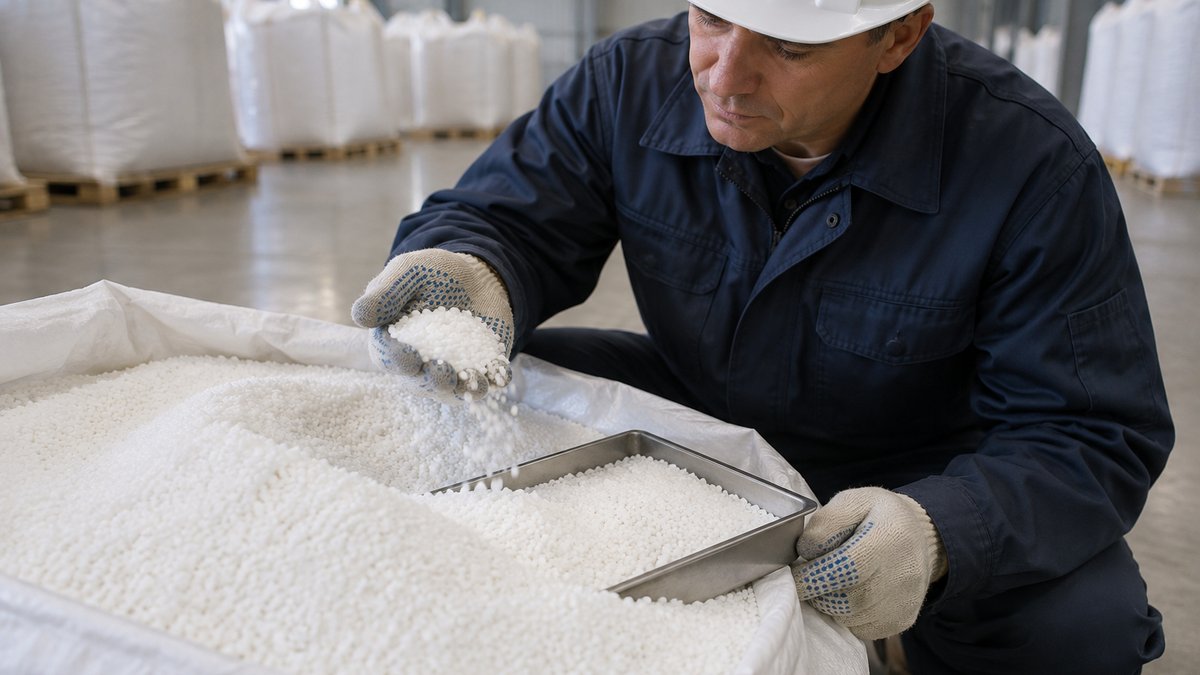
The latest monthly international reference located for this update is the World Bank’s urea price series for Eastern Europe: US$420 per metric tonne in October 2026. The World Bank released the November Pink Sheet on 3 November, and October was its latest reported month. The series is not a Thailand-specific delivered quote, and buyers should not use it as a supplier offer.
The World Bank series increased by 3.1% from September to October 2026 and was 6.5% above October 2025, using the monthly values in its November 2026 Pink Sheet. The Thai price reference is not directly comparable: it is in baht, covers a named fertilizer formula and reflects a domestic wholesale market several months earlier.
2.2 Price Comparison by Exporting Origin
A market assessment dated 17 November 2026 listed granular urea at US$412.50/MT FOB Middle East and US$497.50/MT FOB Egypt. FOB means the seller’s price covers delivery of the goods on board at the named loading port; the buyer arranges the main carriage and bears subsequent costs under the agreed contract. These are indicative regional offers, not customs values or a price for delivery to Thailand.
The 9 November Southeast Asia indication came from a weekly market report and describes small parcels, while the other two values are the market assessment’s 17 November listings. They differ in date and reporting context, so they are reference points rather than a controlled price comparison. The figures do not state a Thai destination port, freight charge, insurance cost, payment terms or all contract specifications.
The same 17 November assessment listed prilled urea from China at US$341.50/MT FOB. Prilled and granular products are distinct forms, and the assessment does not establish equivalent specifications for comparing that value with the granular offers above. Buyers should compare the physical form and contract specification before drawing conclusions from the difference.
2.3 Price Trend and Changes
The World Bank benchmark moved from US$390/MT in August 2026 to US$407.5/MT in September and US$420/MT in October. The October level was below the sharp monthly readings recorded earlier in 2026, including US$856.9/MT in April and US$770.5/MT in May. This series records monthly benchmark levels; it does not show the prices paid by every importer or the timing of individual contracts.
Thailand’s February wholesale reference cannot be used to calculate a November domestic price trend. The National Agricultural Big Data Center page also lists the underlying data’s month, which matters when a local price series is older than the global benchmark. Buyers should ask for dated, current offers from suppliers and confirm whether a quote is wholesale, FOB, CFR or CIF before comparing it.
Buying consideration: For procurement, record the quote date, currency, product form, nitrogen grade, quantity, packaging, loading port and Incoterm beside each offer. A price without those details is not enough to estimate the cost of a Thai shipment.
3. Why Are Urea Export Prices Changing?
Urea prices move when export availability and buyer demand change, and the reported indicators do not all cover the same market or period. The World Bank benchmark rose from US$407.5/MT in September to US$420/MT in October 2026. A weekly report dated 9 November, by contrast, described generally soft international trading and cited small Southeast Asian granular urea sales around US$430/tonne FOB for November loading. The monthly benchmark and weekly trade indications use different price series and cannot be merged into one continuous quote.
3.1 Supply, inventories and production
Available export volume depends on production, plant operations, domestic stock needs and the timing of shipments. If a supplier has less product available for export, or buyers seek cargoes at the same time, offers can change. The sources used here do not establish a November production shortfall for Thailand’s main supply origins, so no such shortage should be assumed in a purchase decision.
3.2 Buyer demand and export competition
Importers compare offers from producing regions, including Middle Eastern origins and nearby Asian suppliers. The 17 November market assessments show different FOB levels for granular urea from the Middle East and Egypt, while Thailand’s 2025 customs data show it bought from multiple origins. Those figures do not prove that buyers can substitute one origin for another without checking product requirements, supplier availability, delivery timing and import conditions.
3.3 Energy, currency and logistics
Urea production uses energy-intensive inputs, so changes in natural gas and other feedstock costs can influence producer economics. Currency movements also affect the baht cost of purchases priced in US dollars. Freight, insurance and port charges add further costs between an FOB offer and a delivered price in Thailand. The figures in this update do not quantify those separate cost components.
3.4 Harvest timing and trade measures
Seasonal fertilizer buying can affect when importers seek cargoes, but the timing and size of demand vary by crop and location. Export restrictions or policy changes can also affect availability when they are documented and in force. Buyers and suppliers should verify the current rule, its jurisdiction and the product scope with official sources before treating a policy report as applicable to a shipment.
A price movement is a signal to review the offer, not a forecast of the next move. For a purchase, confirm the supplier’s stock, loading window, quote validity and whether the price is firm or subject to change. For an export offer, state the date and validity clearly so the buyer can compare it with current alternatives.
4. Which Countries Import the Most Urea?
4.1 Major Global Importing Markets
Thailand imported 2.54 million tonnes of urea in 2025, according to World Bank WITS data for HS 310210. The sources used for this update establish Thailand’s import quantity and origins, but do not provide a consistent, verified ranking of all global importing countries for the same reporting year. A world ranking is therefore not stated here. Import totals can vary with year, product classification and reporting coverage, so buyers should check that basis before comparing countries.
4.2 Thailand’s Main Import Origins
Saudi Arabia was Thailand’s largest reported urea origin by quantity in 2025, followed by Malaysia, Oman, Qatar and Brunei. Saudi Arabia accounted for about 42% of the country’s 2.54 million tonnes, calculated from the WITS partner-country and total figures. The shares below are rounded calculations from those quantities, not separate official shares published by WITS.
These are confirmed customs trade flows for 2025, not current buying requests or supplier offers. The totals show where Thai importers sourced urea in that year; they do not confirm that the same suppliers or volumes are available in November 2026. Suppliers should treat destination demand as an opportunity to investigate, not a guaranteed order.
4.3 What Import Demand Means for Exporters
Thailand’s import volume and diverse origin mix give exporters a reason to check the market, but a historical trade flow is not proof of an active tender or immediate requirement. Exporters should match any approach to the buyer’s requested product form, grade, quantity, destination, delivery basis and shipment schedule. A quote should state what it includes and how long it remains valid.
Buying consideration: Buyers can use the 2025 origin mix to identify countries for quotation requests, then compare current offers on one specification and delivery basis. The customs data alone cannot identify the lowest-cost origin for a new shipment.
5. Where Can Buyers Source Urea at a Competitive Price?
The 17 November market assessment placed granular urea at US$412.50/MT FOB Middle East and US$497.50/MT FOB Egypt. The lower Middle East indication is a useful lead for comparison, not proof that it will produce the lowest cost in Thailand. A buyer must add the costs and risks that arise after the named loading port and check that the product fits the required specification.
5.1 Compare product specifications and quality
Ask each supplier to quote the same product form and grade. Urea described as prilled and urea described as granular should not be treated as identical without checking the buyer’s requirements. Confirm the nitrogen content, moisture and other agreed parameters, packaging, available quantity, production or stock timing and inspection arrangements. If the contract uses a particular standard or test method, confirm its scope with the parties and relevant authorities.
5.2 Compare FOB, CFR and CIF quotations
FOB, CFR and CIF identify different allocations of transport costs and responsibilities. Under CFR, the seller pays the cost of carriage to the named destination port, while the buyer arranges insurance. Under CIF, the seller pays for carriage and minimum insurance to the named destination port. Contract terms and the named ports matter, so compare quotations only after confirming the applicable Incoterms rule, version and exact place.
A US$412.50/MT FOB offer cannot be compared directly with a CIF offer to Thailand. To estimate landed cost, account for the product price, ocean freight, insurance where applicable, port and handling charges, duties or taxes, inland delivery and any inspection costs. Use the same currency and shipment quantity for each origin, and identify which costs are included in each quotation.
5.3 Check import requirements and shipment details
Before agreeing a purchase, verify the current Thai import rules for the exact product and shipment. Check product classification, required documents, applicable controls, packaging, labelling and any testing obligations with the relevant Thai authorities or a qualified customs professional. Requirements may depend on product type and shipment details; a supplier’s general statement is not a substitute for confirming the rule that applies to the buyer.
Ask suppliers to identify the loading port, quote currency, Incoterm, quantity, shipment period and quote validity. Confirm payment terms and the documents the seller will provide. If a quote does not specify whether it covers granular or prilled urea, ask for clarification before comparing it with another supplier’s price.
Buying consideration: Request quotations against one written specification and one delivery basis. Then compare the total estimated cost to the same Thai destination port, along with shipment timing and documentation.
6. What Does the Latest Demand Look Like on Freshdi?
Freshdi’s urea fertilizer buying-request category gives buyers and suppliers a place to review relevant sourcing activity. A platform request is an individual business requirement, not a measure of Thailand’s total urea demand or a confirmed national import forecast. Check each request’s stated product, quantity, destination and trade terms before deciding whether an offer fits.
For suppliers, a useful response addresses the buyer’s stated requirement directly. State whether the offer is for prilled or granular urea, identify the grade and available quantity, and quote on the requested delivery basis when possible. If a detail is not specified in the request, ask the buyer to confirm it instead of assuming.
For buyers, write a request with product form, grade, quantity, packaging, destination and preferred shipment period. Adding the requested Incoterm and any essential documents helps potential suppliers assess whether they can quote on comparable terms. The request itself does not replace checks on supplier capability, product quality or import requirements.
7. What Should Buyers and Suppliers Do Next?
7.1 For Buyers and Importers
- Ask for current quotations dated on the same day or within a clearly stated period. The October World Bank benchmark and February Thai wholesale figure are reference points, not November offers.
- Send suppliers one specification covering urea form, grade, quantity, packaging, destination port and requested shipment window.
- Compare the same Incoterm and destination basis. Add freight, insurance and destination charges where the quotation excludes them.
- Verify the supplier’s origin, availability, shipment documents and applicable Thai import requirements before signing a contract.
- Record quote validity, payment terms and any inspection arrangements so that the cost comparison includes the commercial terms.
7.2 For Exporters and Suppliers
- Keep product information current and state whether the offer is for granular or prilled urea.
- Include grade, nitrogen content, available quantity, packaging, loading port and shipment window in the quotation.
- Name the quote currency, Incoterm, named place and validity period. Do not describe an FOB price as a delivered Thai price.
- Identify the documents and quality information available for the shipment, and avoid claims that cannot be supported.
- Review relevant buyer requests and respond when the requested product and trade terms match the offer.
Illustrative urea quotation checklist:
Product: Urea, form and grade stated
Quantity: Metric tonnes and packaging
Delivery basis: Incoterm and named port
Shipment: Loading window and quote validity
Documents: List documents available for the shipment
This checklist is illustrative. Buyers and suppliers should agree the specification and contract terms for each transaction.
8. How Freshdi Helps Buyers and Suppliers Connect
Buyers can use Freshdi’s urea fertilizer category to find potential suppliers, while exporters can review relevant buying requests and assess whether their available product fits. A marketplace listing or request can help the two sides identify a possible match, but it does not verify a shipment’s quality, guarantee a transaction or replace commercial due diligence.
For a useful comparison, buyers should share the destination, required grade, quantity and delivery terms when seeking offers. Suppliers should present the loading port, available volume, product form and quote validity. Keeping these details specific makes it easier to distinguish a comparable quotation from one based on a different product or delivery arrangement.
Buyers comparing urea offers can review current sourcing requests and potential suppliers for the product.
View Latest Manures & Fertilizers Buying Requests →View Potential Manures & Fertilizers Suppliers →
9. Conclusion: Thailand Urea Fertilizer Market Outlook
The latest monthly benchmark available on 19 November 2026 was the World Bank’s October urea series at US$420/MT, 3.1% above September. The latest Thai wholesale reference cited here is older: ฿16,978 per tonne for 46-0-0 in February 2026. Thailand’s 2025 imports of 2.54 million tonnes, led by supply from Saudi Arabia, show the scale of its reliance on international sources, but historical volumes do not set a current offer.
Buyers should obtain fresh quotations and compare the same product specification, Incoterm and destination basis before estimating landed cost. Exporters should make grade, quantity, loading port and quote validity explicit. Freshdi is a place to review relevant urea buying requests and potential suppliers.
Readers ready to compare current urea sourcing options can review relevant buying requests and potential suppliers on Freshdi.
View Latest Manures & Fertilizers Buying Requests →View Potential Manures & Fertilizers Suppliers →
Frequently Asked Questions
What is the latest urea fertilizer price for Thailand?
The latest Thai wholesale reference cited here is ฿16,978 per tonne for 46-0-0 urea in February 2026, identified by the National Agricultural Big Data Center as a Bangkok wholesale price. It is not a current November quotation. The latest international monthly benchmark available on 19 November was US$420/MT for October 2026 in the World Bank’s Eastern Europe urea series. Neither figure is a delivered offer for a specific Thai shipment.
Why do urea prices differ between exporting origins?
Export offers can differ by product form, grade, origin, loading port, shipment timing and market conditions. On 17 November 2026, one market assessment listed granular urea at US$412.50/MT FOB Middle East and US$497.50/MT FOB Egypt. Those are indicative FOB references, not landed prices in Thailand. Buyers should check equivalent specifications and add transport and destination costs before comparing.
What factors affect urea price movements?
International availability, buyer demand, production and feedstock costs can affect offers. Currency, freight and insurance influence the buyer’s delivered cost. The World Bank’s monthly benchmark rose from US$407.5/MT in September to US$420/MT in October 2026, while a separate weekly report described quieter trading in early November. Those sources cover different series and periods.
Which countries supplied Thailand’s urea imports?
World Bank WITS data show that Thailand imported 2.54 million tonnes in 2025. Saudi Arabia supplied 1.072 million tonnes, followed by Malaysia with 429,706 tonnes, Oman with 364,323 tonnes, Qatar with 285,251 tonnes and Brunei with 155,352 tonnes. These are annual customs figures, not a list of current offers.
How should buyers compare FOB and CIF urea prices?
Confirm the named ports and the applicable Incoterms rule first. FOB generally leaves the buyer to arrange the main carriage and insurance after loading. CIF includes the seller’s carriage and minimum insurance to the named destination port. Compare the same product, quantity and destination, and account for charges not included in each offer before estimating landed cost.
How can buyers and suppliers find urea sourcing opportunities on Freshdi?
Buyers can review relevant urea fertilizer buying requests and state their product form, grade, quantity, destination and shipment timing. Suppliers can review requests and respond when their available product fits. Verify the supplier, specifications, documents and commercial terms independently; a request or listing does not guarantee a completed transaction.
References
1. World Bank – Commodity Markets: Commodity Price Data (The Pink Sheet), November 2026, 3 November 2026.
2. National Agricultural Big Data Center – Fertilizer Market Dashboard, Data through October 2026; Thai wholesale urea data through February 2026.
3. World Bank, World Integrated Trade Solution – Thailand Urea Imports by Country, 2025, 2025.
4. Office of Agricultural Economics, Thailand – Agricultural Economic Report: 1st Quarter 2026, 2026.
5. CommodityScope – Fertilizer Prices: Urea Market Assessments, 17 November 2026.
6. Shandong Ruiyuan Fertiliser – Weekly Nitrogen Fertilizer Report: Market Update, Price Trends and Key Takeaways, 9 November 2026.
Disclaimer: This article is compiled from platform data, public sources and information provided by third parties, for general informational purposes only. We do not guarantee its accuracy or completeness. Prices, volumes and forecasts are indicative, reflect conditions as of 2026-11-19 and may change without notice. This is not financial, investment or trading advice.