
Introduction
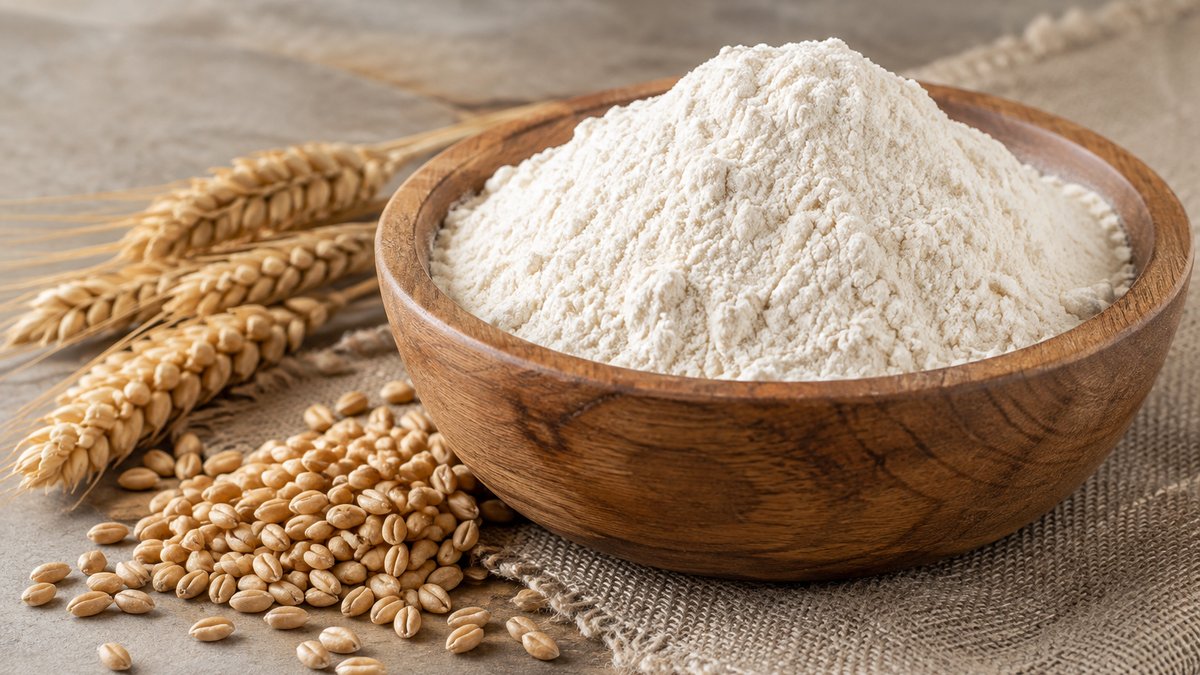
Wheat flour buyers state requirements in different levels of detail. Recent Freshdi requests include flour quantities from 100 MT to 20,000 tons, alongside requests titled wheat grain, wheat powder, wheat bran, or a combined grain and flour product. Suppliers should check the listed product and specifications before treating any quantity as demand for a particular flour grade.
From 21 October to 18 November 2026, 10 buyers posted 12 quantity-stated wheat and flour-related requests on Freshdi. The listed destinations include ports in Togo, Benin, Ghana, Libya, the United Arab Emirates, and Yemen, as well as Abidjan in Côte d’Ivoire. Buyer country is stated for 10 requests. This snapshot describes those listings, not total market demand. Suppliers can use it to assess product fit, identify details to clarify, and prepare a quotation that matches the request.
Key Takeaways
- The 12 requests came from 10 buyers and were posted between 21 October and 18 November 2026. The records include grain and other wheat-related titles as well as wheat flour.
- Protein content is stated in 5 requests. Moisture limits and other product specifications vary, so a supplier should match each offer to the buyer’s exact product description.
- CIF appears in 8 requests and FOB in 4; CFR and EXW also appear. Because some requests list more than one term, these counts overlap.
- Nine requests state packaging. Two list 25 kg and 50 kg bags, while other entries specify different bag or pack formats or ask the supplier to advise.
- USDA’s November 2026 wheat trade figures combine wheat flour and selected wheat products with wheat grain on a grain-equivalent basis. They provide market context, not flour-only trade totals.
1. Global wheat supply and trade set the wider context
Global wheat figures provide context for flour sourcing, but they do not measure flour demand alone. USDA Foreign Agricultural Service’s November 2026 circular forecasts world wheat production of 827.5 million metric tons and domestic consumption of 824.7 million metric tons for 2026/27. Its trade tables combine wheat with flour and selected wheat products, converting flour and products to grain equivalent. The totals therefore should not be presented as wheat flour-only production, consumption, imports, or exports.
On that combined grain-equivalent basis, USDA forecasts 2026/27 world exports at 209.246 million metric tons, down from 226.320 million in 2025/26. Its November 2026 table lists Russia, the European Union, Canada, and Australia among the larger exporting origins. The forecast import table lists Indonesia at 12.5 million metric tons and Egypt at 11.5 million for 2026/27. Those country figures cover wheat and specified flour and wheat products together, not flour alone.
FAO’s 6 November 2026 Cereal Supply and Demand Brief also forecasts lower wheat trade in 2026/27, with shipments from major exporters constrained by supply or logistics. For flour suppliers, the practical takeaway is to check the origin, milling specification, shipment route, and offer validity against current conditions. Broad wheat trade forecasts cannot establish a delivered flour price or confirm that a buyer wants a particular protein level.
Raw-wheat prices are an input reference, not a flour quotation. FAO reported that in October 2026 U.S. No. 2 Hard Red Winter wheat export prices fell 5.5% from September, while remaining 37.2% above October 2025. Argentina’s 12% wheat quotation at Up River fell 2% month on month, and Australia’s Eastern States quotation fell 2.4%. These are wheat export prices, not milling-flour prices; the grade, origin, basis, and period differ from the Freshdi target-price entries.
Freshdi’s platform sample is narrower than the global market data. The 12 listings have stated quantities and destination ports, but several product titles refer to wheat grain or another wheat product rather than flour. The platform observations below are therefore kept separate from the USDA and FAO market figures.
Looking to Sell Wheat Flour?
Connect with verified buyers, receive relevant buying leads, and explore sourcing opportunities from global markets.
2. Recent Freshdi requests show varied product and commercial requirements
The Freshdi sample contains 12 quantity-stated requests posted from 21 October through 18 November 2026 by 10 buyers. The request titles and stated requirements do not all describe the same product. Review each listing before deciding whether it fits your flour, and do not treat a grain or bran request as a flour order.
2.1 Product identity and specifications
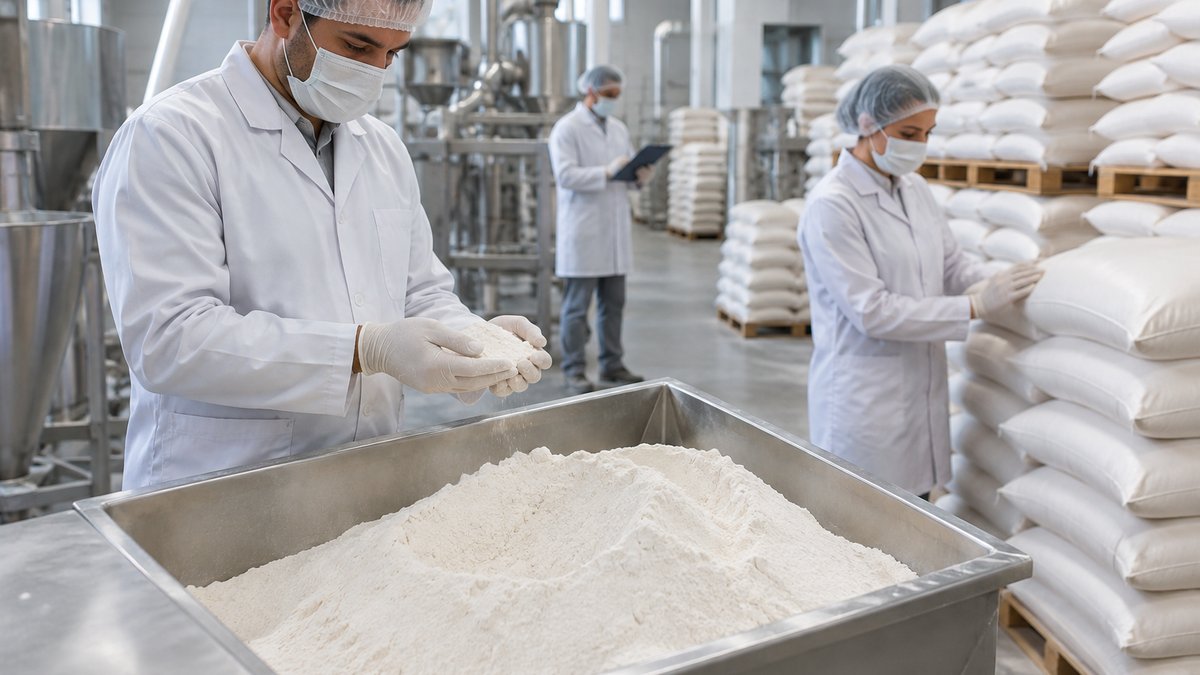
The listings include requests titled Wheat Flour, All Purpose Wheat Flour, and Wheat Powder. Other titles name wheat grain, Wheat Flour Bran etc, or Wheat Grain / Wheat Flour. These names do not establish that the products are interchangeable. For a flour offer, confirm whether the buyer wants flour for a stated use, a grain shipment, bran, or more than one product.
Protein content is stated in 5 requests, while the listed values and wording differ. One request describes all-purpose flour as having moderate protein; another gives 12.5 percent; others state a minimum or approximate percentage in records titled wheat grain or wheat grain / flour. A flour supplier should not apply grain specifications to a flour quotation. Ask the buyer to confirm the test method, target range, and tolerances when those details are absent.
Moisture information also appears in several forms, including maximum moisture and moisture content. One wheat-powder request gives both a maximum moisture value and a 12-month shelf life, while other listings state moisture limits for grain or a combined grain and flour product. Check that a stated limit applies to the product being quoted. The requests do not establish one shared moisture specification for wheat flour.
2.2 Quantities, destinations, and packaging
Quantities range from 1 ton for the Togo wheat-powder request to 20,000 tons for a wheat-flour request with Libya as the stated destination. Other flour entries state 100 MT, 125 MT, 500 tons, and 12,000 MT. These quantities use different units and refer to separate requests; they are not a single buying program. The 12,000 MT Togo listing requests European Union or Moldova origin and lists 25 kg and 50 kg bags.
All 12 requests state a destination port or place, but the destination and buyer country are not always the same field or location. Examples include a Benin-based buyer naming Cotonou, a Burkina Faso-based buyer naming Tema in Ghana, and a Togo-based buyer naming Abidjan in Côte d’Ivoire. Read the destination exactly as listed and confirm the final delivery point before calculating freight.
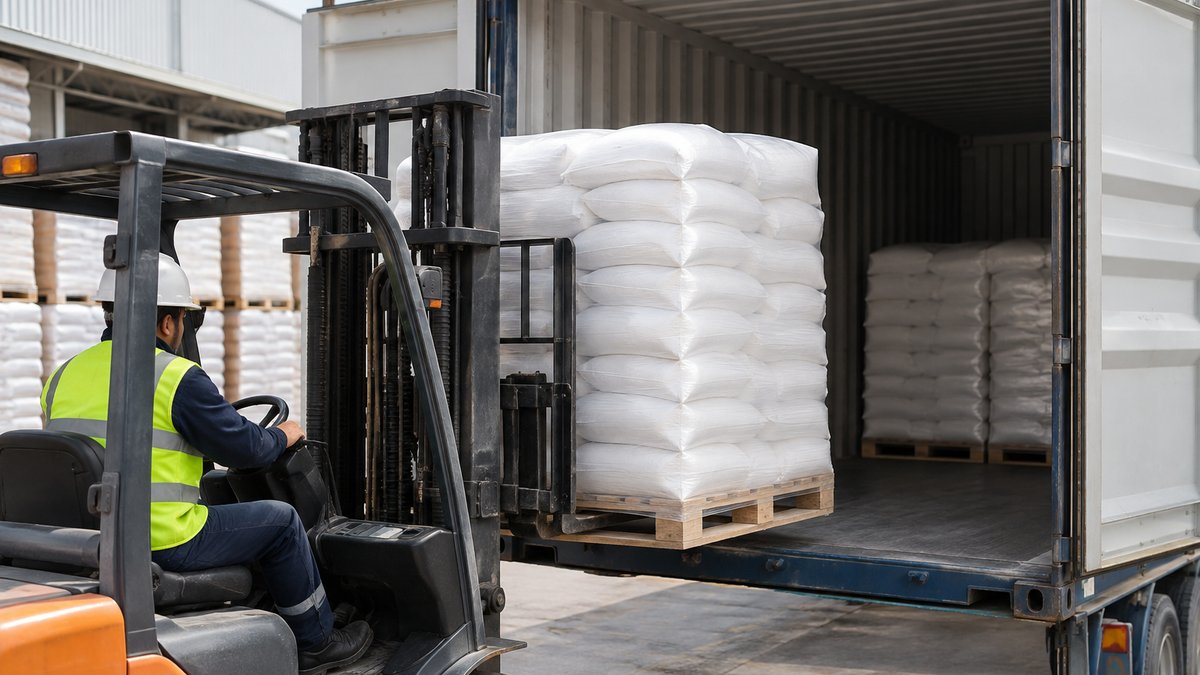
Nine requests state packaging. Two list 25 kg and 50 kg bags. Other listings specify 50 kg bags, a 50 kg carton with inner double PE bags, a 1 kg unit, or buyer-choice packaging. Several requests use broader descriptions such as supplier to advise. A quotation should state the actual net weight per bag, bag material, pallet or container loading plan, and any agreed outer packaging.
2.3 Trade terms and prices need confirmation
CIF appears in 8 of the 12 requests, FOB in 4, CFR in 1, and EXW in 1. These totals overlap because some buyers list more than one term. FOB, CIF, CFR, and EXW assign different cost and delivery responsibilities under an Incoterms rule. Confirm the named place, applicable rule, and version before pricing freight or insurance. Where a request lists alternatives, ask which one the buyer wants quoted.
Payment terms also vary. The summary records L/C in 4 requests, T/T in 8, and D/P in 1, with overlap where a request lists more than one. The target-price field is present across the sample, but entries do not provide a consistent price basis. Some state a currency without an amount; where a numeric target appears, the unit and basis are not sufficiently specified for comparison. Do not use these entries as market quotations.
Eleven requests are marked verified in Freshdi. That status is a platform field, not proof that specifications, payment arrangements, product quality, or commercial performance have been independently established. Confirm the company, order authority, product requirement, and transaction terms through your own due diligence.
3. Suppliers should qualify each request before quoting
A useful response starts by confirming that the requested product matches your supply. This matters in this sample because the request titles include flour, grain, wheat powder, bran, and a combined grain or flour description. If the product category is unclear, ask the buyer to identify the exact item before submitting a price.
- Confirm product form and use. Ask whether the buyer needs wheat flour, wheat grain, wheat powder, bran, or another item. For flour, request the intended application and any required flour type.
- Agree the specification. State protein content, moisture limit, ash or other quality measures only when your product data supports them. Confirm the test method, tolerance, sampling point, and whether the buyer needs a certificate of analysis.
- Resolve quantity and packaging. Confirm the unit, whether the quantity is for one shipment or a schedule, and the net weight and packaging format. Do not assume a bag size from another request.
- Set the delivery basis. Confirm the Incoterms rule, named port or place, shipment mode, and delivery timing. If the request lists more than one trade term, ask which one to use in the offer.
- Agree payment and documents. Confirm currency, payment instrument, timing, documentary requirements, and any inspection conditions. State only documents your business can provide.
- Make the quotation comparable. Give the product description, specification, quantity, packaging, price unit and currency, Incoterm with named place, validity period, and shipment readiness. Keep each product or grade on a separate line.
Buying consideration: For requests with missing or conflicting fields, ask for written confirmation before reserving stock or including freight costs. A quotation built on a stated unit and delivery point is easier for the buyer to assess.
4. Freshdi gives suppliers a place to review buying requests
Suppliers can use Freshdi to review posted buying requests and compare the requirements in each listing with their own product and export capability. Start with the product name, quantity, destination, specifications, packaging, trade terms, and payment fields. Where a listing is incomplete, treat the missing detail as a question for the buyer, not a fact to fill in.
The wheat-related listings show why a product-level check matters. A supplier of flour should focus on requests that actually ask for flour, then confirm grade, application, packaging, shipment, and price basis. Listings for grain, bran, or powder may suit other businesses, but they should not be presented as flour demand without buyer confirmation.
Suppliers can review Wheat Flour buying requests and compare listed Wheat Flour suppliers. Use the listing details to decide whether to respond and prepare an offer that answers the buyer’s stated requirements.
Suppliers who have confirmed their product fit can use Freshdi’s Find Buyers option to continue reviewing relevant buying requests.
View Latest Buying Requests for This Product →
5. Confirm product fit and terms before making an offer
This snapshot records varied wheat and flour-related requirements rather than one uniform flour specification. Buyers stated quantities, ports, and commercial terms, while product names and technical details differ between listings. Suppliers should verify product identity first, then confirm specification, pack, shipment basis, and payment before quoting.
Freshdi is a place to review the buying requests discussed here and find relevant supplier listings. Before making a commercial decision, check that the request remains available and independently verify the buyer, product requirement, destination, and transaction terms.
After checking the details and preparing a product-specific offer, suppliers can use Find Buyers to continue their search.
View Latest Buying Requests for This Product →
Frequently Asked Questions
What wheat flour specifications should a supplier include in a quotation?
State the product type and intended use, then include the specifications your product can support, such as protein content and moisture limit. Give the test method and tolerances if agreed, along with quantity, packaging, origin, shipment timing, and any documents the buyer requires. The buyer should confirm specifications that are missing from the request.
Can a supplier quote on a request that lists wheat grain and wheat flour together?
Ask the buyer to identify the required product and quantity for each item first. Grain and flour are different products, and the requests in this snapshot do not establish that their specifications or quantities can be combined. Keep separate product lines and prices if the buyer confirms a mixed order.
How should suppliers handle a request that lists more than one Incoterm?
Ask which term and named delivery point the buyer wants before calculating the offer. FOB, CIF, CFR, and EXW allocate costs and delivery responsibilities differently. A quotation should state the agreed rule, place, and applicable version rather than leaving the buyer to infer the basis.
Can Freshdi target prices be compared with wheat export prices?
Not without a matching product, unit, grade, currency, period, and price basis. The Freshdi entries do not consistently specify a comparable basis, while the FAO figures cited here are export prices for wheat grain. They are not flour quotations or offers for the requests.
How can suppliers find wheat flour buying requests on Freshdi?
Review the Wheat Flour buying-request category and open each listing to check product identity, quantity, specifications, destination, packaging, trade terms, and payment details. Confirm missing information with the buyer and verify the commercial arrangement independently before committing stock or shipment.
Does a verified request guarantee that a transaction will be completed?
No. The verified status is a field shown on the request. It does not guarantee an order, payment, product quality, or performance. Suppliers should carry out their own checks on the buyer, order authority, documents, payment terms, and delivery plan.
References
1. USDA Foreign Agricultural Service – Grain: World Markets and Trade, November 2026.
2. Food and Agriculture Organization of the United Nations – Cereal Supply and Demand Brief, 6 November 2026.
3. Food and Agriculture Organization of the United Nations – Wheat and maize export prices declined across major origins, while rice prices increased, 12 November 2026.
4. Freshdi – Wheat and flour-related buying requests posted from 21 October to 18 November 2026, 19 November 2026.
Disclaimer: This article is compiled from platform data, public sources and information provided by third parties, for general informational purposes only. We do not guarantee its accuracy or completeness. Mentions and rankings of suppliers do not constitute an endorsement or guarantee, and strategies and examples are illustrative; results may vary. Please conduct your own due diligence before making business decisions.