
1. The main difference is the protein target
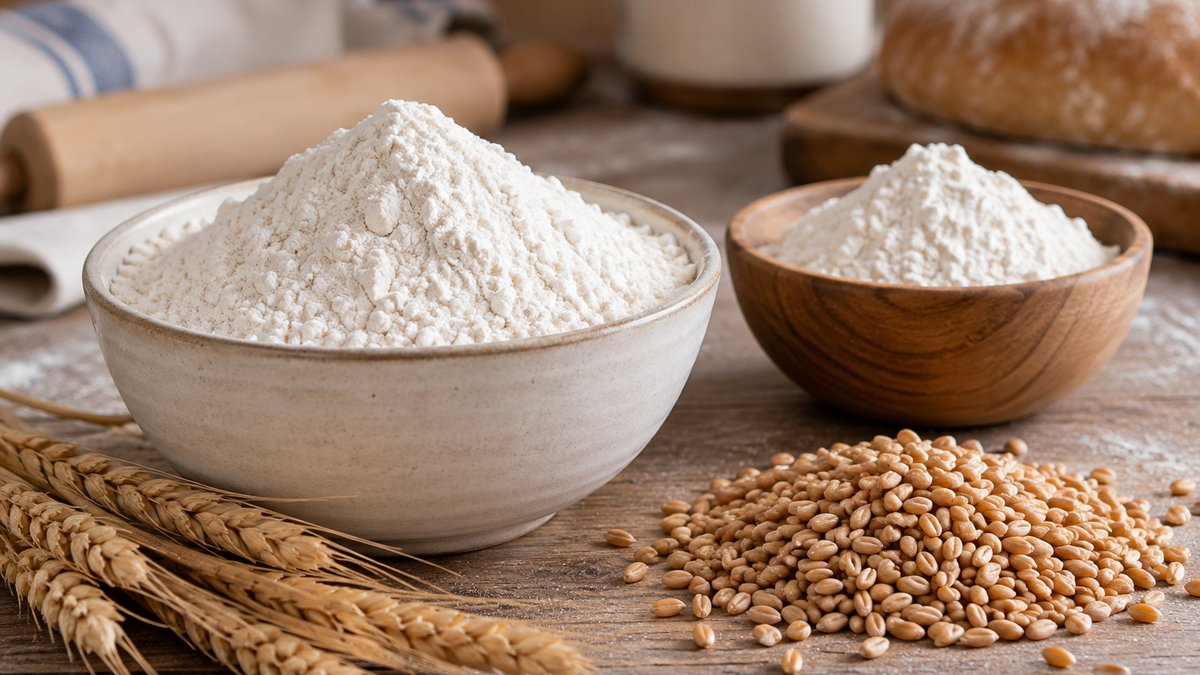
All-purpose flour is milled for a wider range of baking uses. Bread flour is generally specified for doughs that need more strength and structure. For bakery buyers, the product name is only a starting point: the supplier’s protein target, test basis and performance details determine whether a flour fits a production formula.
A USDA Commercial Item Description for wheat flour sets a minimum protein level of 9.0% for enriched all-purpose flour and 11.0% for bread flour. Those figures are requirements in that procurement specification, not universal definitions for every mill or market. Other purchasing specifications use different ranges, so buyers should compare the actual specification sheets rather than assume every product sold under the same name has identical performance.
Protein is relevant because wheat proteins form gluten when flour is mixed with water. In many bread formulas, stronger gluten development helps dough retain gas and hold its shape. A lower-protein all-purpose flour can suit bakery lines that need a more versatile flour or a less chewy result. The formula, mixing method and process still matter: the flour name alone does not predict finished-product quality.
Ash is a separate measurement. It indicates the mineral residue left after flour is incinerated and is used in specifications as a measure related to milling extraction. In the USDA Commercial Item Description, the maximum ash level for both enriched all-purpose and bread flour is 0.55%. That shared limit means the label “bread flour” does not, by itself, imply a higher ash level.
For a bakery buying imported or domestic wheat flour, the useful comparison is the agreed specification and test method. Ask whether protein is reported on a moisture-adjusted basis, check the ash limit, and confirm any additional performance measures needed for the production line. Two flour quotations are difficult to compare if their protein figures use different reporting bases or their specifications leave key test details unclear.
2. Compare the specifications buyers should request
A flour comparison should start with protein and ash, then cover moisture, falling number, test basis and delivery format. USDA’s Commercial Item Description gives a useful example of a purchasing specification: it sets protein minimums and shared limits for several other analytical measures. Those are procurement requirements in that document, so buyers should write the limits required for their own market and process into the contract.

The comparison uses the USDA Commercial Item Description for the analytical limits. Its protein figures are minimums, not complete target ranges. The pack examples come from a separate USDA wheat flour procurement schedule dated September 2023. That schedule lists different product descriptions and pack formats, so its values should not be combined with the CID limits as though they were one universal commercial standard.
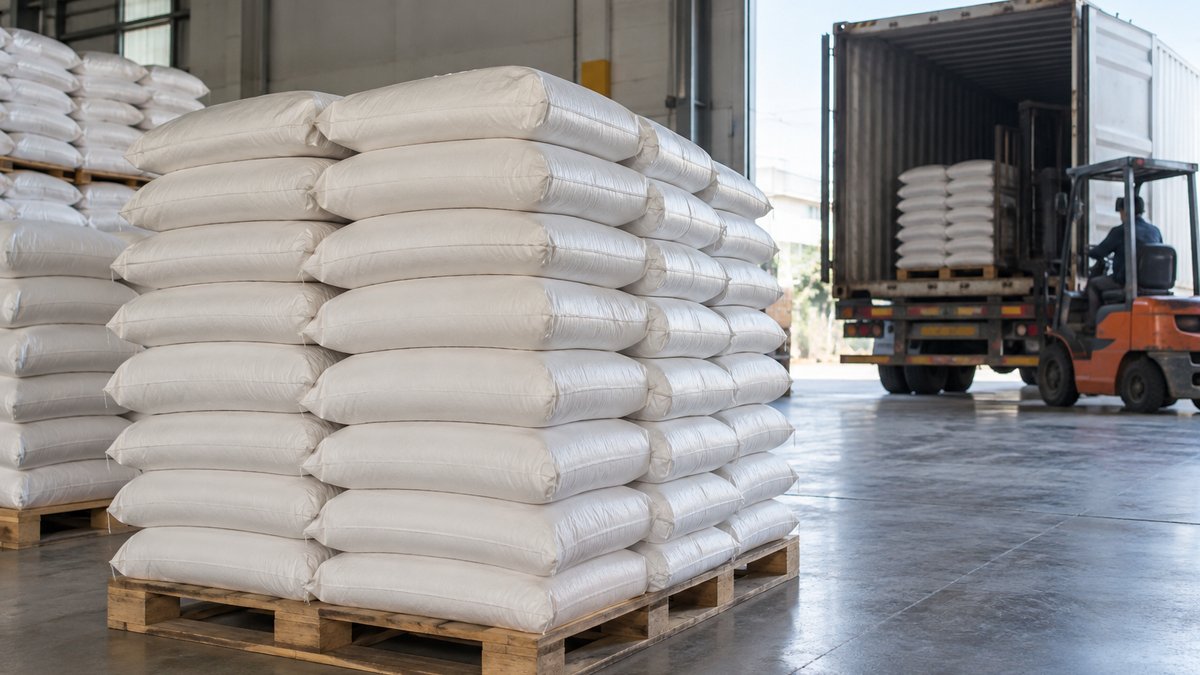
The September 2023 schedule illustrates why product descriptions and packing should be stated precisely. It lists enriched bleached all-purpose flour in 8-by-5 lb bags, while its bakers hard wheat flour is listed in 50 lb bags or in bulk. It also lists bread flour in bulk. These are formats in that purchasing schedule, not a rule that all-purpose flour must be bagged or bread flour must be shipped in bulk.
Bulk flour can suit a bakery with silo capacity and regular consumption. Bagged flour may suit a site that lacks bulk receiving equipment or needs flexible inventory handling. For either format, specify the net weight, inner or outer packaging where applicable, pallet configuration, and whether the flour will be delivered in a bulk vehicle or packaged units. Confirm any packaging requirements for the destination and the buyer’s storage and unloading setup.
For every quotation, ask the supplier to state the lot’s protein result and reporting basis, ash result, moisture limit and applicable analysis methods. If flour performance is important to the line, add the functional measures and test protocol needed to assess it. The USDA Commercial Item Description names analytical methods and states that testing and certification arrangements depend on what the solicitation, contract or purchase order specifies.
A purchase order should distinguish a contractual target from a supplier’s typical result. For example, a minimum protein requirement tells the supplier the lowest acceptable result; it does not tell the buyer the expected average or permitted lot-to-lot variation. Buyers can request a target range and tolerance, then agree how samples are taken and how a disputed result will be resolved.
Buying consideration: Before comparing prices, put the protein basis, ash and moisture limits, test methods, pack format and acceptance procedure on the same specification sheet. This makes clear whether two offers describe flour that can be used in the same production process.
3. How flour choice affects bakery purchasing situations
The choice depends on the bakery’s formula and equipment, not the product name alone. A flour’s laboratory values matter because they are tied to a production result the buyer needs, such as dough strength, handling or a consistent finished product.
3.1 A bakery producing several product types
A bakery making a mixed range may prefer an all-purpose specification if the flour performs acceptably across its recipes and simplifies purchasing. The buyer should test it on the products that are most sensitive to flour variation. If one line needs stronger dough than the others, the bakery can compare a bread flour against the all-purpose flour in a controlled production trial before changing the larger purchasing plan.
3.2 A bread line with a defined dough target
A bread producer may specify bread flour when it needs a higher protein threshold or more consistent dough performance. The buyer should still state the actual target and test basis. A supplier’s bread flour may meet its own standard while falling outside the bakery’s required range, especially when the buyer and supplier use different moisture bases or analytical procedures.
3.3 A central bakery receiving bulk flour
A site with flour silos can evaluate bulk delivery for its selected flour grade. The procurement specification should connect the flour’s analytical limits to the bulk receiving plan, including vehicle and unloading compatibility, delivery scheduling, lot identification and contamination controls. Bulk supply changes how flour is received and stored; it does not define the flour’s protein or baking performance.
3.4 A smaller bakery ordering bags
A bakery using bags can select pack sizes that suit its storage space, handling equipment and rate of use. Bag weight and pallet configuration affect warehouse handling and stock planning, while the flour grade remains a separate specification decision. The buyer should check that each bag and delivery document identify the agreed product and lot.
3.5 A buyer comparing a supplier’s quotation
A quotation naming only “bread flour” or “all-purpose flour” leaves important questions open. Ask for the specification sheet, protein result and basis, ash and moisture limits, test method, packaging, and shipment quantity. If the buyer needs flour for a particular process, request a sample or production trial under conditions that match the bakery’s own mixing and baking method.
These are purchasing situations, not guaranteed outcomes. A different protein level can change dough behavior, but the final result also depends on the formulation, water addition, mixing and fermentation. A buyer should assess the flour in the intended process and document the accepted specification before placing repeat orders.
Looking to Source Wheat Flour?
Connect with verified suppliers, discover matching products, and explore sourcing opportunities from global markets.
4. Choose flour by process and contract requirement
Choose all-purpose flour when its specification meets the needs of the bakery’s product mix and the buyer values a flour suitable for several applications. Choose bread flour when the production process calls for the protein level and dough performance established in the buyer’s trials. The buyer’s formula and acceptance criteria should decide between them.
A higher protein number may be useful for a bread line, but protein alone does not establish that a flour will perform as required. Suppliers can use different wheat blends, and two lots with similar protein results can behave differently in a bakery process. Compare the complete specification and, where performance is critical, run an agreed trial before approving a new source.
Ash deserves a separate line in the purchase specification. The USDA CID sets the same maximum for its enriched all-purpose and bread flour categories, while other purchasing documents can set their own requirements. Buyers who need a particular color, extraction profile or process outcome should state an ash target or limit rather than infer it from the flour name.
Packing should follow the receiving operation. A bakery with compatible silos may request bulk delivery; a site that handles flour manually may require bags. State the pack size or bulk arrangement, the delivery quantity, and any packaging and pallet details that affect receiving. Check that the offered packing format matches the buyer’s storage capacity and local handling requirements.
Bleached or unbleached status, enrichment, flour treatment and any added processing aids also belong in the product description when they matter to the buyer. The procurement schedule cited here distinguishes enriched, bleached all-purpose flour from unbleached bakers hard wheat flour. Buyers should not assume those characteristics from “all-purpose” or “bread flour”; they should specify them and confirm that the product is permitted in the destination market.
For a first purchase, agree the technical specification, inspection or certificate requirements, lot documentation and procedure for handling a result outside the contract limits. For repeat supply, the buyer can use the same approved specification and review lot results over time. Keep the named flour grade consistent across the inquiry, quotation, contract, packing documents and delivery records.
Buying consideration: A complete wheat flour inquiry states the application, protein target and basis, ash and moisture limits, other required performance tests, flour treatment, packaging, quantity and delivery destination. Suppliers can then assess the same requirements when preparing their offers.
5. Related wheat flour sourcing resources
Buyers can use a specification checklist when comparing wheat flour suppliers: flour type, intended application, protein target and test basis, ash limit, moisture limit, falling number or other required functional test, bleaching or enrichment status, pack format, lot documentation and destination requirements. Mark any requirement that is flexible so suppliers can distinguish firm limits from preferences.
Freshdi provides a place to review wheat flour buying requests and potential wheat flour suppliers. Buyers should check each listing’s stated details and confirm specifications, availability and commercial terms before making a purchasing decision.
References
1. USDA Agricultural Marketing Service – Commercial Item Description: Flours, Cereal Grain, Accessed 16 November 2026.
2. USDA Agricultural Marketing Service – Wheat Flour and Bakery Flour Products Commodity Requirements Document, September 2023.
Disclaimer: This article is compiled from platform data, public sources and information provided by third parties, for general informational purposes only. We do not guarantee its accuracy or completeness. Please conduct your own due diligence before making business decisions.