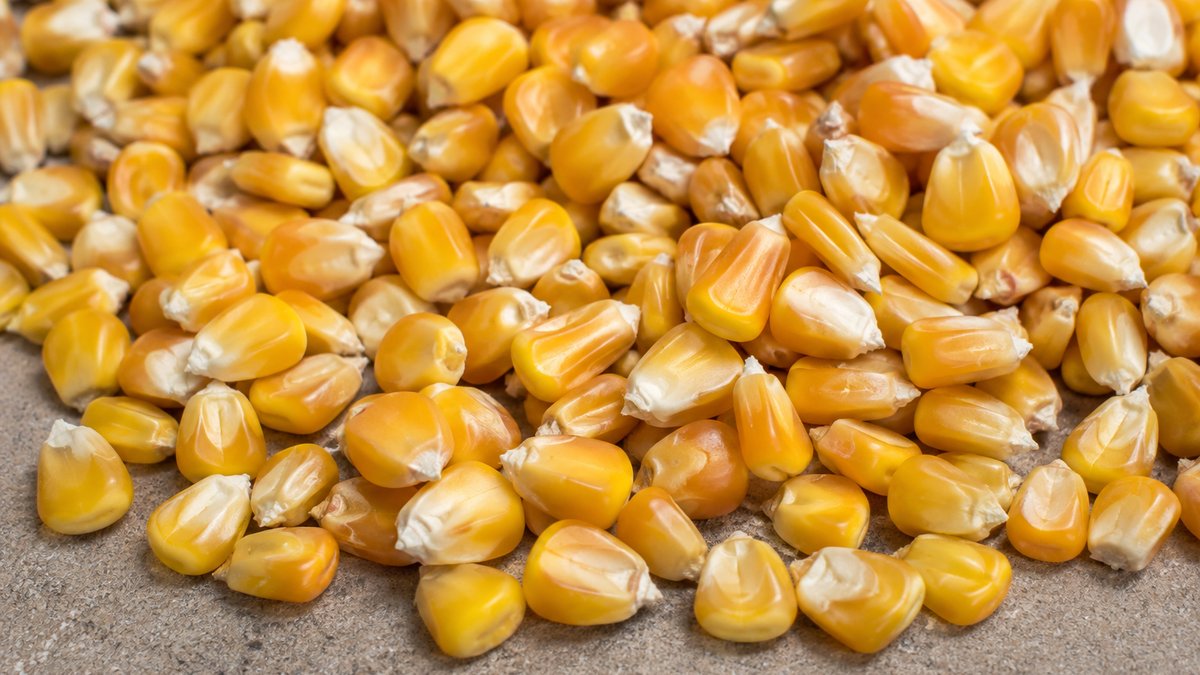

1. Yellow corn and white corn differ mainly in their common end uses
Yellow corn is widely traded for animal feed and industrial processing. White corn is commonly contracted for food uses such as masa, tortillas, snack foods and grits. Those are commercial patterns, not rules about every shipment: some yellow corn is grown for food processing, and white corn may have other uses.
Color identifies a visible kernel characteristic; it does not by itself establish grade, moisture, protein, starch quality, safety or suitability for a buyer’s process. The U.S. Department of Agriculture’s Agricultural Marketing Service (USDA AMS) describes white food corn as dent corn with specific starch properties, typically contracted for dry milling. A buyer therefore needs to specify both the color and the functional or quality requirements.
For feed buyers, the practical comparison usually centers on the delivered cost and the feed specification. For food processors, color may be a purchase requirement, but the corn must also meet the processor’s requirements for kernel condition, processing performance and food safety. The intended use should be agreed before the seller quotes.
The USDA U.S. Standards for Corn provide a grading framework for corn classes; color alone is not a grade. A contract that says only “yellow corn” or “white corn” leaves the grade, moisture limit, foreign material, damaged kernels and acceptance procedure unresolved. Buyers and sellers should name the applicable standard or write the specific limits into the contract.
2. Compare use, specifications and delivery terms before comparing offers
Yellow and white corn can be compared by the same commercial checkpoints, but the acceptable result depends on the buyer’s use and the contract. USDA AMS identifies yellow dent corn as commonly used for feed and industrial processing, while white food corn is commonly contracted for dry-mill food products.
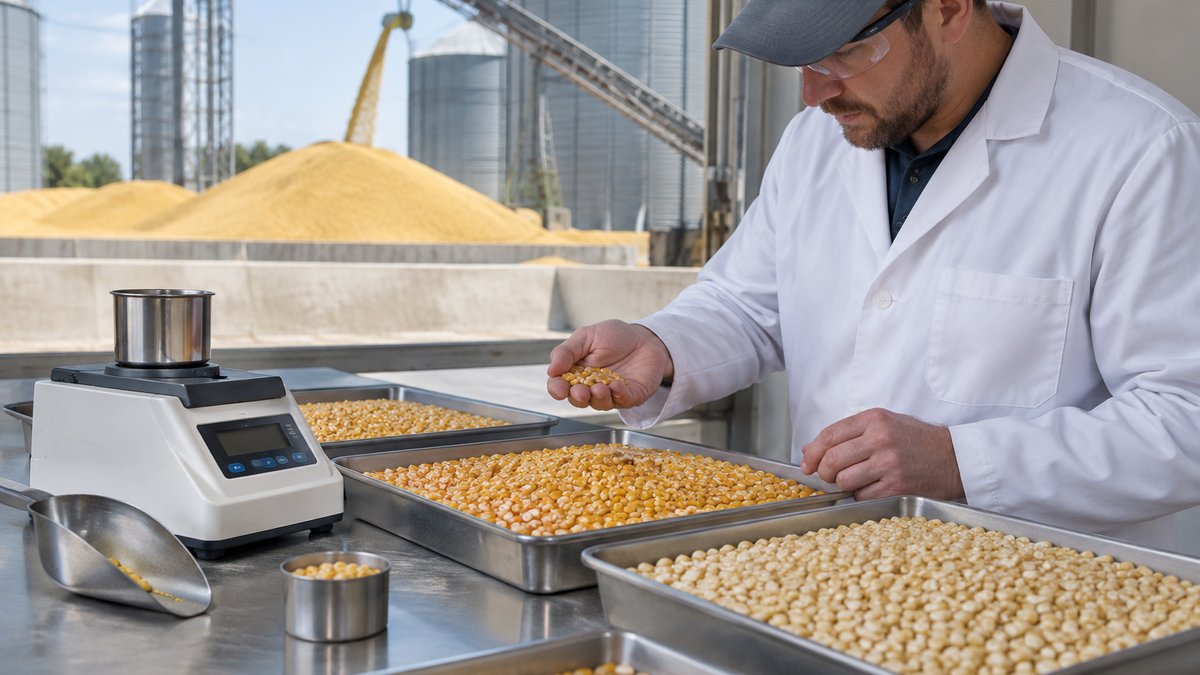
Moisture needs an explicit contract limit. A buyer should state the percentage required, how the sample will be taken and tested, and what happens if the result exceeds the limit. The same percentage should be compared on the same basis. A moisture figure without a test method, sampling point or acceptance rule can lead to a dispute even when both parties believe they agreed on the requirement.
Aflatoxin limits depend on jurisdiction and intended use. In U.S. FDA guidance, the listed action level for corn intended for human food is 20 parts per billion (ppb). The FDA’s animal-food guidance gives different action levels for corn according to use: 300 ppb for finishing beef cattle, 200 ppb for finishing swine weighing at least 100 pounds, 100 ppb for breeding beef cattle, breeding swine or mature poultry, and 20 ppb for immature animals, dairy animals, and uses not otherwise specified or known. These are U.S. FDA guidance levels, not a single global specification for corn.
The FDA describes these figures as action levels for its regulatory guidance, and its animal-food guidance notes that the levels are nonbinding recommendations. Importers must check the rules and buyer requirements that apply at destination. A seller should not treat a feed-grade result as evidence that the same lot meets a food buyer’s requirement.
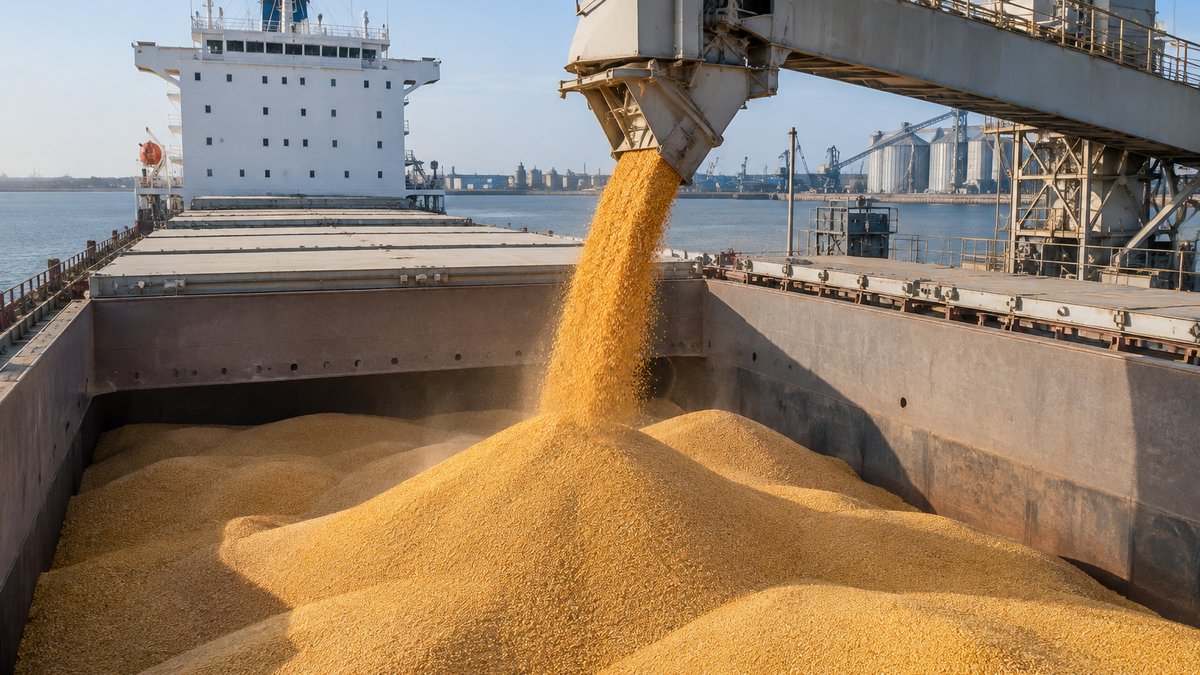
Price is meaningful only when the offers cover comparable corn and delivery conditions. Compare price per metric tonne, grade, moisture, quantity, origin, loading period, packing and the named delivery basis. For example, an FOB offer at a named port and a delivered offer that includes ocean freight are not equivalent price references. State the Incoterms rule and version in the contract, along with the named port or place.
Packing also changes handling and landed cost. Buyers should say whether they need bulk shipment or bags, specify bag material and weight when relevant, and identify any container or hold-loading requirements. The product’s color does not determine the packing format; the buyer’s handling system, storage arrangements and distribution plan do.
3. A food processor and a feed buyer would write different corn inquiries
A food processor comparing the two colors should start with the finished product and milling process. A feed buyer should start with the animals and ration use. The same broad commodity description can therefore lead to different acceptance limits, tests and commercial offers.
Illustrative inquiry format:
Product: White corn for dry milling, or yellow corn for animal feed
Grade and condition: State the applicable grade or contract limits for damage, foreign material and broken kernels
Moisture: Specify maximum percentage, test method and sampling point
Aflatoxin: State the limit for the intended food or feed use, plus the required test and sampling procedure
Quantity and packing: State the quantity, bulk or bagged format, and any bag or container requirements
Shipment and price basis: Name the shipment period, loading point, destination and requested delivery basis
This is an illustrative specification outline, not a universal corn standard or a quotation.
For a food-grade white corn purchase, the buyer should ask whether the lot meets the processor’s stated milling and end-product requirements. The buyer should also agree on color tolerance, grade, moisture, aflatoxin testing, packaging and the inspection point. A seller’s description of a lot as “white corn” does not confirm those additional requirements.
For yellow corn intended for feed, the buyer should identify the animal species and production stage before setting the aflatoxin requirement. A limit suitable for one feed use may not fit another. The inquiry should also state grade, moisture, quantity, packing, loading point, destination, shipment window and delivery basis so suppliers can quote against the same request.
In either case, buyers should agree how a disputed result will be handled. The contract can identify the sampling location, whether the sample is taken at loading or arrival, the laboratory or test procedure, and the consequence of a result outside specification. This is especially important when moisture or mycotoxin limits determine acceptance.
Looking to Source Yellow Corn?
Connect with verified suppliers, discover matching products, and explore sourcing opportunities from global markets.
4. Choose corn by end use, then test whether the offer fits
Choose yellow corn when the buyer’s feed or industrial process accepts yellow corn and the lot meets the agreed grade, moisture, safety and delivery requirements. USDA’s Economic Research Service describes corn as a major U.S. feed grain and notes its use in food and industrial products as well. That broad use does not establish that any particular lot is suitable for a specific feed or processing operation.
Choose white corn when a food buyer or processor requires white kernels for its product or process. USDA AMS describes white food corn as typically contracted for dry milling into products such as masa, tortilla chips, snack foods and grits. Buyers should still confirm the required starch properties and processing performance with their own technical specification; the color designation alone does not certify them.
A feed buyer should compare the total delivered cost per tonne for lots that meet the same feed-use and quality specification. Include the moisture basis, test results, loading point, shipment window, packing, freight treatment and any price adjustment for out-of-specification grain. A lower quoted price is not comparable if the offer uses a different delivery basis or leaves a required test unstated.
A food buyer should place more weight on the processor’s acceptance criteria than on a general commodity description. Request documentation for the stated grade and test results, confirm sampling and inspection arrangements, and spell out the consequences of a failed lot. If the buyer needs a specific variety or starch characteristic, name it directly rather than relying on kernel color as a proxy.
Neither color is inherently the better purchase. The right choice is the lot that matches the end use and passes the buyer’s required checks at a price quoted on a comparable basis. If both colors are technically acceptable, compare the actual offers using the same destination, quantity, shipment timing, packing and inspection terms.
Buying consideration: Before accepting an offer, put the product color, grade, moisture limit, aflatoxin requirement, sampling method, packing, shipment window and named delivery basis in the purchase specification.
5. Use trade standards and sourcing listings to clarify the specification
USDA AMS publishes the U.S. Standards for Corn and visual reference material describing yellow dent corn and white food corn. USDA’s Economic Research Service provides background on U.S. corn uses. FDA guidance sets out U.S. aflatoxin action levels by food or animal-feed use. These sources help frame a purchase specification, but the buyer still needs to verify the rules and contract requirements for the destination market.
For a commercial inquiry, prepare one specification that suppliers can quote against: intended use, color, grade or quality limits, moisture, aflatoxin requirement, quantity, packing, shipment period and delivery basis. Freshdi’s Yellow Corn buying requests and potential Yellow Corn suppliers can help buyers and sellers review relevant listings.
References
1. USDA Agricultural Marketing Service – U.S. Standards for Corn, 2026, accessed November 16.
2. USDA Agricultural Marketing Service – Visual Reference Images: Yellow Dent Corn and White Dent Corn, January 2015.
3. USDA Economic Research Service – Corn and Other Feed Grains, May 7, 2026.
4. U.S. Food and Drug Administration – Compliance Policy Guide Sec. 683.100: Action Levels for Aflatoxins in Animal Feeds, Accessed November 16, 2026.
Disclaimer: This article is compiled from platform data, public sources and information provided by third parties, for general informational purposes only. We do not guarantee its accuracy or completeness. Please conduct your own due diligence before making business decisions.