
1. Dried banana and fried banana chips differ in processing and texture
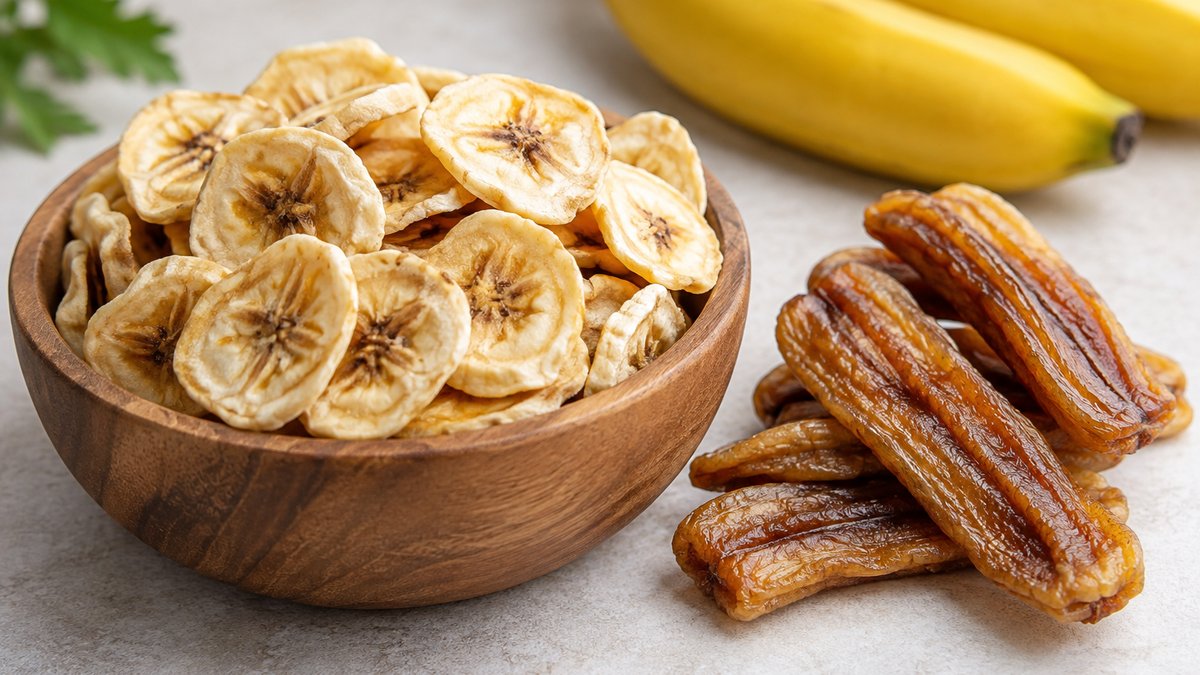
Dried banana is preserved by removing water from the fruit with a dryer or another drying method. It may be sold as slices or as larger, chewy pieces sometimes called banana figs. In this comparison, banana chips means thin banana slices fried in oil. The word “chips” can also describe dehydrated slices, so buyers should name the process when requesting a quotation.
The process changes the product’s texture, ingredients and storage risks. Dried slices or banana figs are usually leathery or chewy; fried chips are made for a crisp, snack-style texture. FAO describes banana and plantain chips as thin fruit slices fried in oil, and distinguishes them from dried banana products.
Moisture content alone does not define a product or establish a universal shelf life. FAO lists 15% moisture as a practical shipping figure for dried banana cut pieces, but that figure is not a universal legal limit or a specification for every form. For dried fruits, Codex CXS 360-2020 requires products to meet the applicable moisture provisions and be sufficiently dried for food safety. Buyers should agree the test method, limit and product form with the supplier.
2. Compare processing, moisture, shelf life and packing
For purchasing, the first distinction is whether the banana was dried or fried. The process determines whether the product contains added frying oil and whether crispness or a chewy texture is expected.
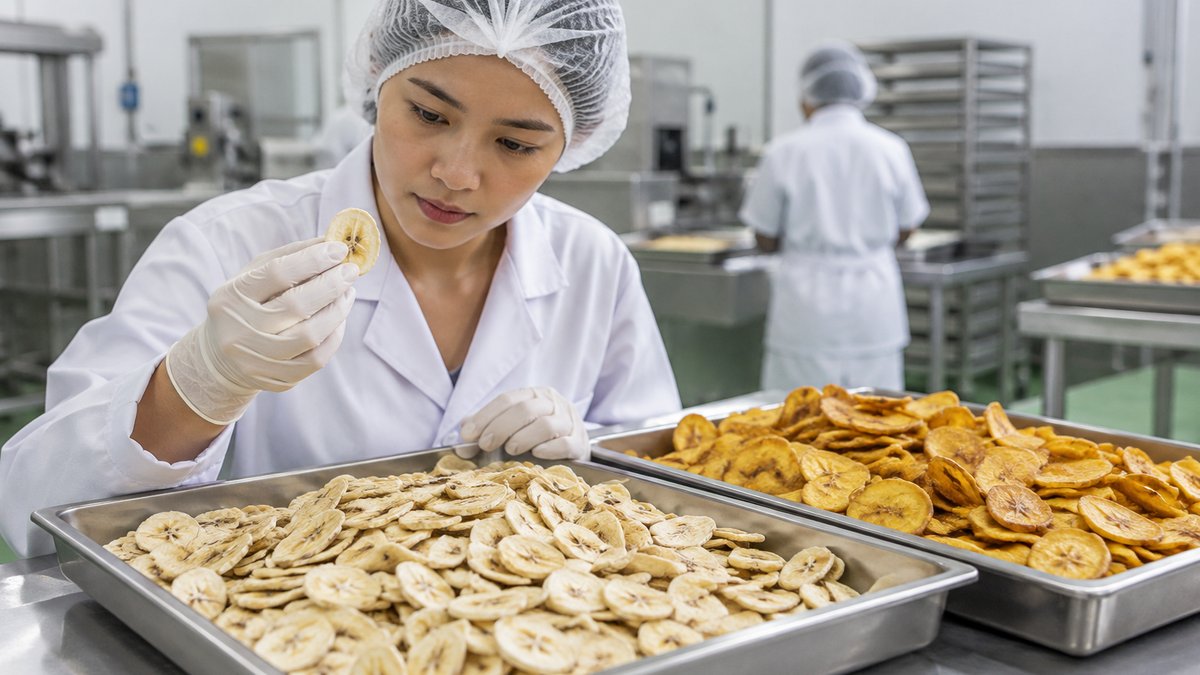
FAO’s processing guidance notes that dried banana can absorb moisture and deteriorate in flavour or colour. Its technical material also describes fried chips as susceptible to softening and rancidity. These are different quality risks: a moisture barrier protects both products from humidity, while fried chips also need protection from oxygen and light because of the oil.
A stated moisture percentage is meaningful only when the basis and method are clear. Ask whether the figure is on a wet basis or dry basis, which test method applies and whether the result describes the finished product at packing. Water activity measures water available for microbial growth; it is not interchangeable with moisture percentage. If food-safety or import rules apply, confirm the relevant requirements for the destination and product.
3. A sourcing scenario shows why the product name matters
A cereal or bakery ingredient buyer may need banana pieces that remain chewy after packing. A snack distributor may instead need a crisp, seasoned slice containing frying oil. A request that says only “banana chips” leaves the process, texture and ingredient profile open to interpretation.
Illustrative inquiry format:
Product: Dried banana slices or fried banana chips
Process: Dehydrated, or fried in the stated edible oil
Texture: Chewy or crisp
Ingredients: Banana and any oil, sweetener, salt or coating
Moisture: Agreed limit, test method and basis
Packaging: Pack size, inner material and export carton
Shelf life: Supplier’s supported period and storage conditions
Illustrative only. Set the final specification to match the buyer’s intended use and destination requirements.
Once the process is specified, the buyer can compare like with like. For fried chips, ask the supplier to identify the oil and any seasoning or coating. For dried banana, clarify whether the product is a slice or a larger fig-style piece, and whether it is sweetened, treated or otherwise processed.
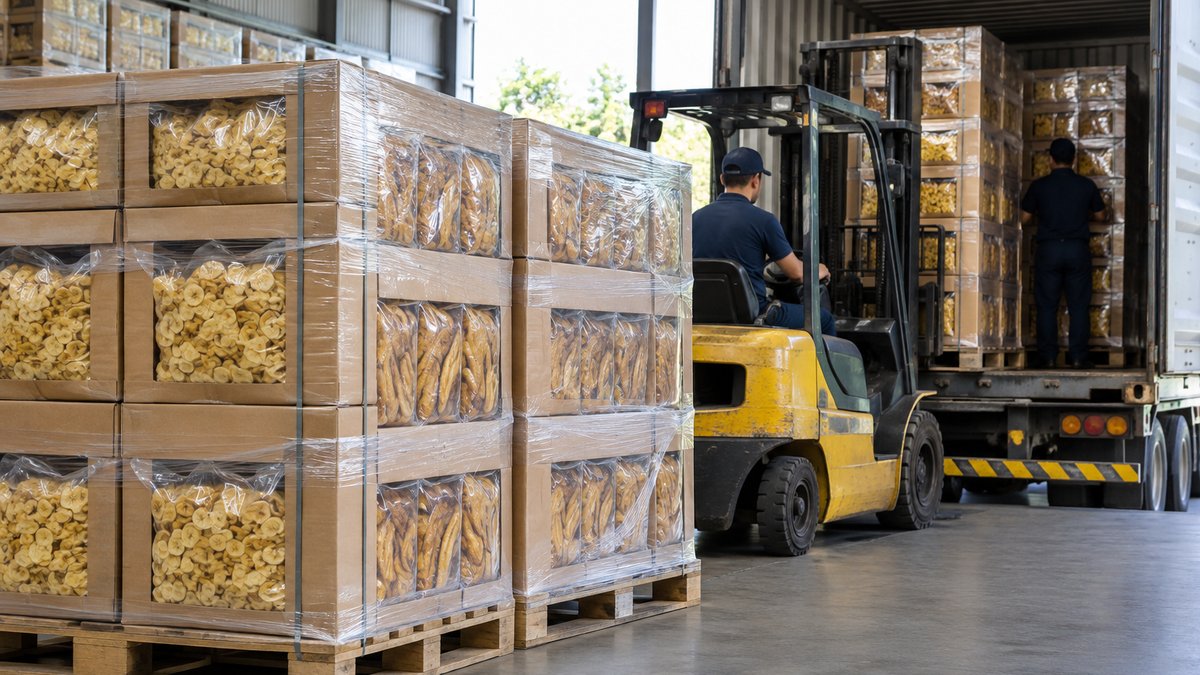
The packaging sample should match the commercial pack. Check that the seal is intact and that the pack protects against moisture; for fried chips, also check the oxygen barrier and protection from light. Agree on the product’s condition at dispatch and on arrival, including acceptable breakage or texture changes.
Looking to Source Dried Banana?
Connect with verified suppliers, discover matching products, and explore sourcing opportunities from global markets.
4. Choose the product by end use and storage requirements
Choose dried banana when the buyer needs a chewy fruit ingredient or dried fruit pieces and the specification supports that texture. Choose fried chips when the buyer needs an oil-fried, crisp snack. The product name alone does not settle shelf life, ingredient suitability or legal compliance.
4.1 Choose dried banana for chewy pieces or fruit ingredients
Dried slices or banana figs suit buyers who need a fruit piece with a leathery or chewy texture. Before ordering, specify the form, slice or piece size, ripeness or sweetness target, any added ingredients, moisture limit and packaging. For a product intended for further processing, include the buyer’s downstream use so the supplier can confirm whether the form and treatment are suitable.
Dried banana can absorb moisture in storage, so verify the pack’s barrier properties and the recommended storage conditions. Ask for a shelf-life basis tied to the exact formulation and package, rather than relying on a generic duration for dried fruit.
4.2 Choose fried banana chips for a crisp snack
Fried chips suit snack buyers who want thin, crisp slices. Specify the frying oil, seasoning, slice thickness or other agreed size description, moisture or water activity target, and acceptable breakage. If the product is sweetened or coated, identify that separately from a plain fried chip.
The oil introduces a quality concern that dried banana does not share to the same degree: oxidation can cause rancid or stale flavours. Confirm how the supplier controls oil quality and protects the finished product from oxygen, light and heat. Request a supported shelf-life statement for the exact recipe and pack.
For either product, compare quotations only after confirming the same product form, ingredients, pack size, test basis, shelf-life conditions and delivery terms. Destination-country food rules and labelling requirements can differ, so check the applicable rules for the specific product and market before finalizing the specification.
5. Related resources for product specifications
Codex CXS 360-2020 provides a general framework for dried fruits, including provisions on product description, quality and moisture. FAO’s fruit-processing guidance discusses banana drying, fried chips, storage risks and packaging. Buyers can use these sources to frame questions, then confirm the finished product’s agreed specifications with the supplier.
Buyers and exporters can use Freshdi to review relevant dried banana buying requests and supplier listings.
Compare the product requirements with current category listings before preparing a sourcing inquiry.
View Latest Processed Fruits Buying Requests →View Potential Processed Fruits Suppliers →
References
1. Codex Alimentarius Commission – General Standard for Dried Fruits (CXS 360-2020), 2020.
2. Food and Agriculture Organization of the United Nations – Fruit and Vegetable Processing, Chapter 8: Fruit-Specific Preservation Technologies, 1993.
3. Food and Agriculture Organization of the United Nations – Selecting Products and Production Methods, 1993.
Disclaimer: This article is compiled from platform data, public sources and information provided by third parties, for general informational purposes only. We do not guarantee its accuracy or completeness. Please conduct your own due diligence before making business decisions.