
1. Cumin Seed vs Caraway Seed: The Main Difference
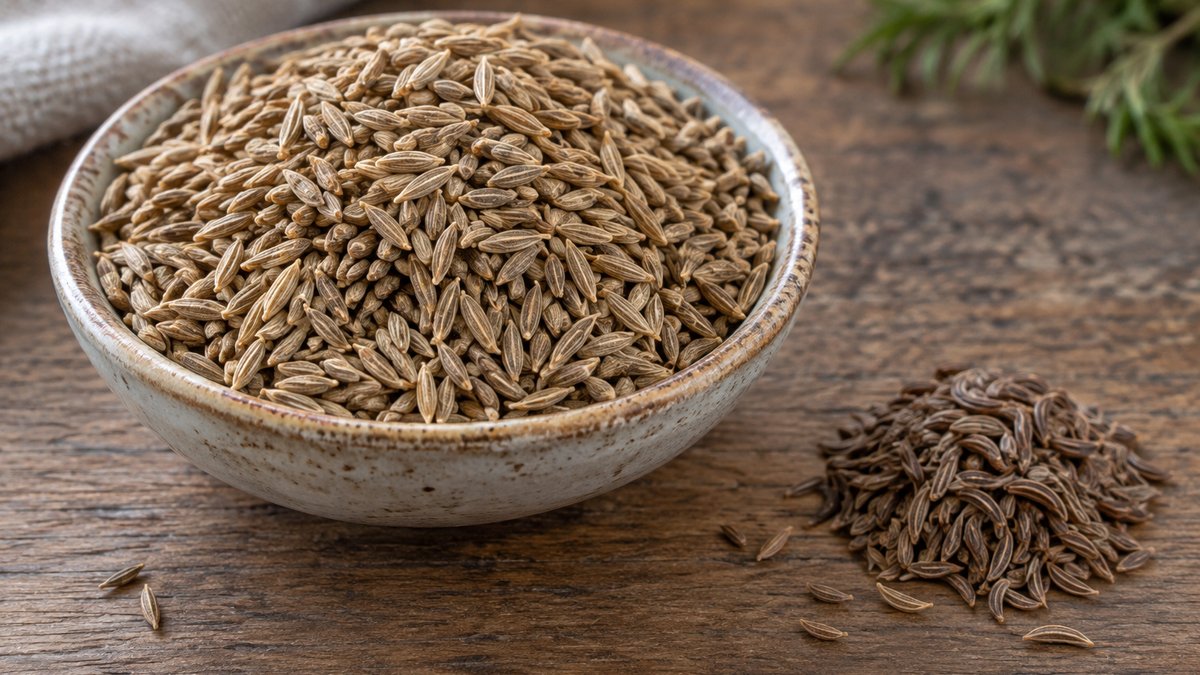
Cumin seed and caraway seed are different spice commodities from different plant species. Cumin comes from Cuminum cyminum; caraway comes from Carum carvi. Their dried fruits are both commonly called seeds in trade, and their elongated, ridged appearance can make them easy to confuse in whole form.
The name on a purchase order should identify the intended species, not just a familiar local or common name. The US Food and Drug Administration (FDA) lists cumin and caraway separately and gives each its own botanical name. The Codex Standard for Cumin also defines cumin by the species Cuminum cyminum. Those distinctions matter when buyers and suppliers agree on identity, inspection criteria and intended use.
Their aroma profiles differ as well. Cumin is associated with a warm, aromatic flavour; caraway is commonly described as sharp and aromatic. Research comparing their volatile oils identifies cuminaldehyde among cumin’s main compounds, while caraway oil is associated chiefly with carvone and limonene. These are typical profiles, not a guarantee of a particular lot’s aroma or oil composition.
A buyer sourcing cumin for a recipe, seasoning blend or food-processing line should not accept caraway as a substitute just because the whole fruits look similar. The two spices have distinct flavours and product identities. If a buyer is open to either product, the contract should still name which one the supplier is quoting.
The comparison here concerns whole cumin seed and whole caraway seed for food trade. Ground products need additional controls because appearance alone gives buyers fewer clues about identity. For either form, define the product by its botanical name and describe the quality attributes that matter for the intended use.
2. Cumin Seed and Caraway Seed Compared
Both products are dried aromatic fruits of plants in the Apiaceae family, but their species, sensory profiles and applicable commodity references differ. In botanical terms the traded structures are fruits; commercial and food-standard language often calls them seeds.
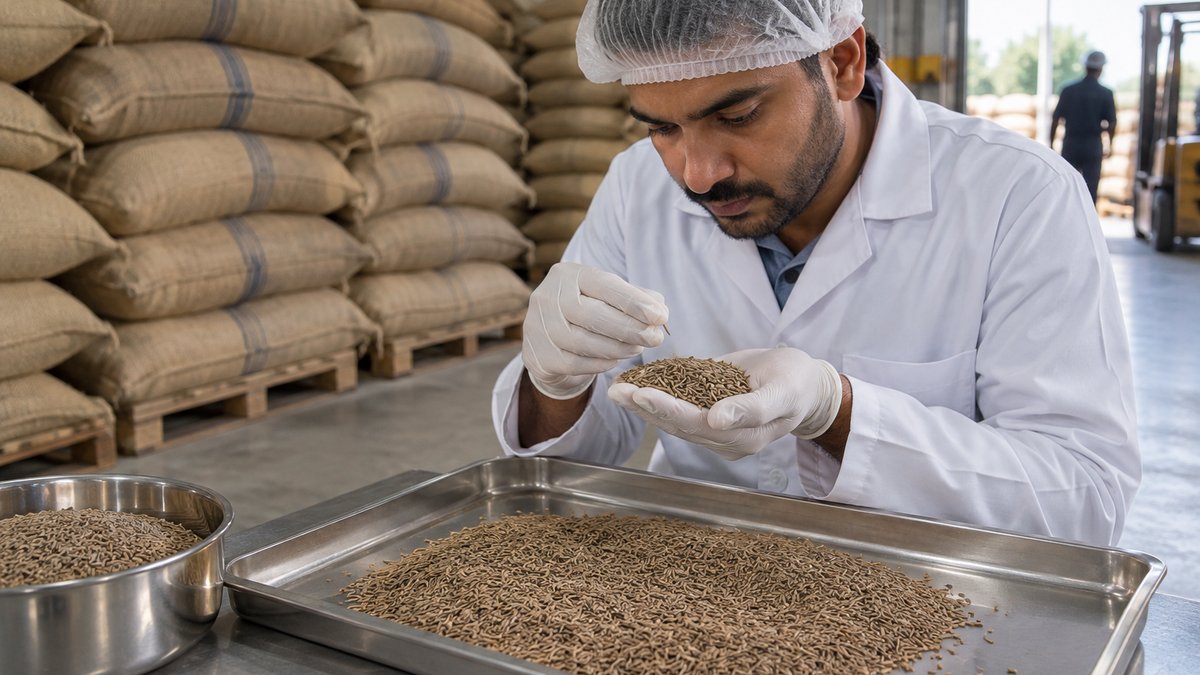
The Codex Standard for Cumin covers cumin for direct consumption, as an ingredient in food processing, or for repackaging. It sets requirements for the product’s quality, including a maximum moisture content of 10 percent, and describes whole, cracked and ground styles. The standard identifies Cuminum cyminum as the source species. Buyers should check the standard’s scope and the importing country’s rules before treating a Codex provision as a legal requirement for a shipment.
The same Codex standard is not a caraway specification. Buyers sourcing caraway need a contract specification and any applicable national or customer requirements that actually cover caraway. A cumin specification should not be copied over to caraway without checking whether its limits and test methods fit the product and the buyer’s market.
Appearance can help with a first visual check, but it is not enough to confirm identity or quality. Whole cumin and caraway can look similar, and variation within a lot can affect color, size and aroma. Buyers should agree on a representative sample and the inspection method before shipment, especially when a contract sets limits for moisture, foreign matter, damaged fruits or other defects.
Aroma testing also needs an agreed method. A buyer can ask for a sample and assess whether its aroma matches the intended spice, but a sensory check does not replace an agreed laboratory test when the contract specifies a volatile-oil requirement. If essential-oil composition matters to the application, state the test method, acceptance limit and sampling process in the specification.
3. A Shipment Scenario: Naming Cumin in a Contract
Suppose an importer requests a container of whole cumin for a seasoning blend, and a supplier’s offer uses only the word “seed.” That description leaves the product identity open. A clear inquiry and quotation should name cumin and its botanical species, then state the form and quality requirements the parties can verify.
The Codex Standard for Cumin can help buyers frame a specification for cumin within the standard’s stated scope. It distinguishes whole, cracked and ground styles and sets quality provisions for cumin. The buyer still needs to state any additional commercial requirements, such as packaging, shipment quantity, destination, delivery term and inspection arrangements.
Illustrative inquiry format:
Product: Cumin, Cuminum cyminum, whole
Quality: State the agreed grade or contract limits and sampling method
Documents or tests: List only the documents and test results required for this shipment
Packaging and quantity: State the buyer’s requested pack format and order quantity
Delivery: State the destination and requested delivery term
This is an illustrative format, not a universal specification or legal checklist. Requirements depend on the product, destination and contract.
If the importer intended caraway, changing only the common name in the inquiry would not be enough if the rest of the specification still refers to cumin. The product name, botanical identity, quality limits, sampling plan and any test method should all describe the same commodity. The supplier’s quotation and the final contract should use consistent wording.
The scenario also shows why a sample should be tied to the written specification. Record the sample identification, product form and inspection criteria. If a shipment is checked against a different name or an unspecified aroma expectation, buyer and supplier may disagree about whether the delivered goods meet the contract.
Looking to Source Cumin Seed?
Connect with verified suppliers, discover matching products, and explore sourcing opportunities from global markets.
4. When Should Buyers Choose Cumin or Caraway?
Choose the spice that matches the product formulation and end use. Cumin and caraway are not interchangeable contract names: their botanical identities and aroma profiles differ. If a food manufacturer has validated a recipe with cumin, sourcing caraway can change the intended flavour even when both products arrive as whole, dried fruits.
4.1 Choose cumin when the specification calls for Cuminum cyminum
Cumin is the appropriate choice when the buyer’s recipe, blend or production standard names cumin. The Codex Standard for Cumin provides a reference for cumin supplied whole, cracked or ground within its scope. Buyers should identify the required style and state the quality criteria that determine acceptance.
For whole cumin, the buyer can specify whether the order must meet the Codex standard or a different written contract specification. If the buyer requires a grade, state the grade system and limits instead of using an undefined description such as “export quality.” Add the inspection method and sampling plan so both parties know how the lot will be assessed.
4.2 Choose caraway when the specification calls for Carum carvi
Caraway is the appropriate choice when the required ingredient is Carum carvi. Name the species on the inquiry, purchase order and contract. Then agree on the quality limits, testing and other commercial details with the supplier, using requirements that apply to caraway and the destination market.
If a buyer receives a quote for “cumin” but expects caraway, pause before comparing prices. Ask the supplier to confirm the botanical identity and product form. Where a name has different meanings in local markets, the scientific name removes ambiguity more reliably than a translation or regional common name.
4.3 Compare offers only after the product identity is settled
For a fair commercial comparison, first confirm that each quotation covers the same species and form. Then compare the stated quality limits, packaging, order quantity, delivery term and inspection arrangements. A lower offer for a different spice or a different product form does not establish a lower price for the requested commodity.
- Write the common name and botanical name for the intended product.
- State whether the product is whole, cracked or ground.
- List measurable quality limits and identify the applicable standard, if one is required.
- Agree on the sample, inspection method and test method before shipment.
- Specify packaging, quantity, destination and delivery term in the inquiry.
- Check the importing market’s requirements for the actual product and shipment.
Buying consideration: Before accepting an offer, match the botanical identity and product form in the quotation to the buyer’s formulation and contract specification. Resolve any difference in common names in writing before payment or shipment.
5. Related Resources for Cumin Seed Buyers
Buyers comparing cumin and caraway can use official product definitions and standards to keep the commodity name precise. The Codex Standard for Cumin is a reference for cumin in the product forms and uses it covers; FDA materials list cumin and caraway separately by botanical identity. These sources assist with identification, but the applicable import rules and contract requirements depend on the destination and transaction.
- Codex Alimentarius Commission, Standard for Cumin, CXS 327-2017, amended 2022.
- US Food and Drug Administration, MPM V-8-A, Spices, Condiments, Flavors, and Crude Drugs, General Method for Spices, Herbs, and Botanicals, January 2025.
- US Food and Drug Administration, CPG Sec. 525.750, Spices: Definitions.
- Cuminum cyminum and Carum carvi: An Update, a review of research on the two species and their volatile-oil compounds, 2011.
The sources were checked on 20 November 2026. Buyers seeking current cumin supply can review Cumin Seed supplier listings on Freshdi and confirm each supplier’s product identity, specification and commercial terms before proceeding.
References
1. Codex Alimentarius Commission – Standard for Cumin, CXS 327-2017, 2017, amended 2022.
2. US Food and Drug Administration – MPM V-8-A, Spices, Condiments, Flavors, and Crude Drugs, General Method for Spices, Herbs, and Botanicals, January 2025.
3. US Food and Drug Administration – CPG Sec. 525.750, Spices: Definitions, 1980.
4. Cuminum cyminum and Carum carvi: An Update – Cuminum cyminum and Carum carvi: An Update, 2011.
Disclaimer: This article is compiled from platform data, public sources and information provided by third parties, for general informational purposes only. We do not guarantee its accuracy or completeness. Please conduct your own due diligence before making business decisions.