
1. The Difference Between White Oats and Oat Groats
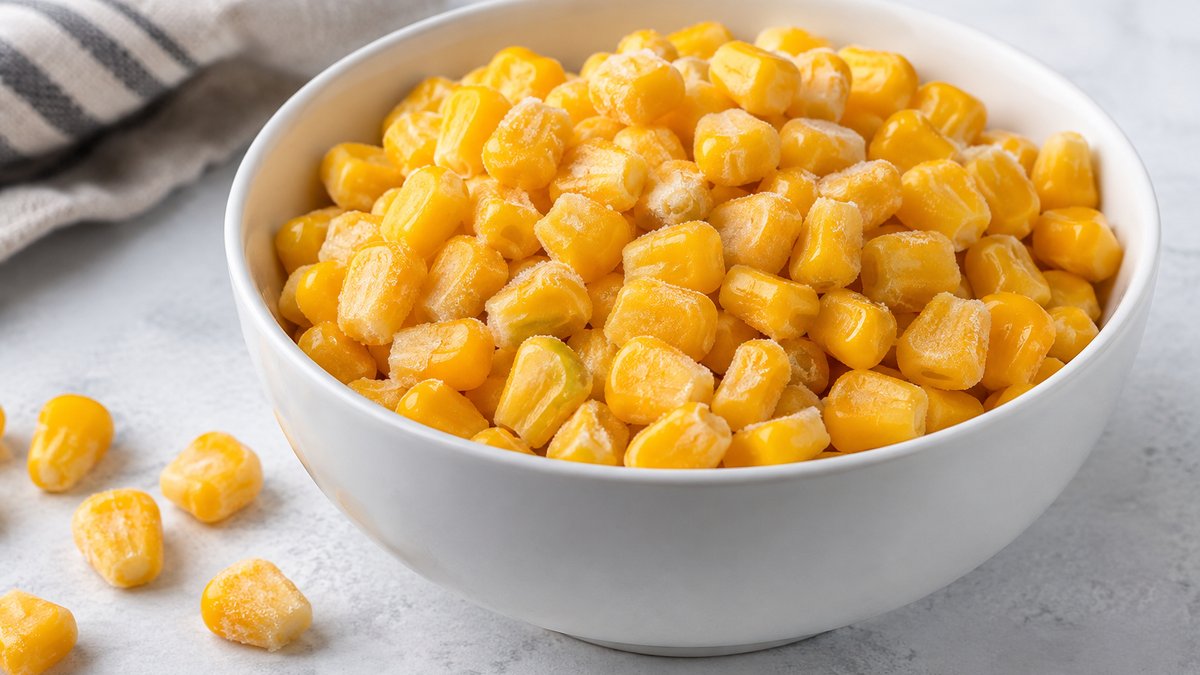
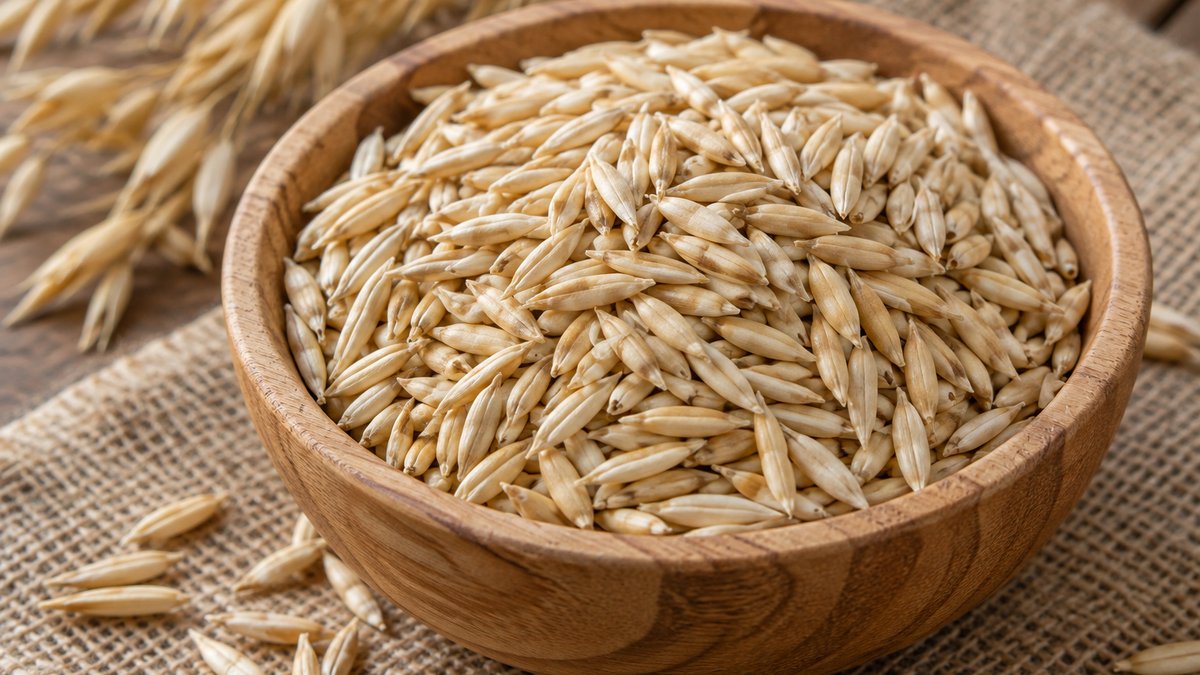
White oats and oat groats describe different things. “White oats” is a product or color description used for oat grain; “oat groats” identifies the oat kernel after its hull has been removed. A buyer comparing the terms should first establish whether the offer is for grain with the hull attached or for dehulled kernels.
The distinction matters because a product name alone does not settle processing status, grade, intended use or quality. The Canadian Grain Commission defines groats as oat kernels without hulls. Its grading guide also uses “hulled oats” for oats whose hulls have been removed, while hulless oats have loose hulls usually removed during harvesting. The similar wording can cause confusion across specifications.
“White” does not establish that the product is a groat. USDA’s current numerical oat grades assess factors such as test weight, sound oats, heat damage, foreign material and wild oats. The current grade requirements do not set a separate white-oats class. USDA material does use “white oats” as a commodity description, so buyers should treat that name as a starting point and request the precise product form and grade.
The practical distinction is therefore between a description of the grain and a description of processing. A shipment described as white oats might be offered as whole oat grain, but buyers should confirm whether it is hull-on or dehulled. A shipment described as oat groats should identify kernels with the hull removed. The two labels are not necessarily opposing categories.
2. White Oats and Oat Groats Compared
Compare these products by the attributes that change how they are received, graded and used. The terms alone do not provide a complete commercial specification.
The table separates naming from specification. A product may be described by color, by its hull status, by its grade or by the processing it has received. These details can coexist in one contract description; they are not substitutes for one another.
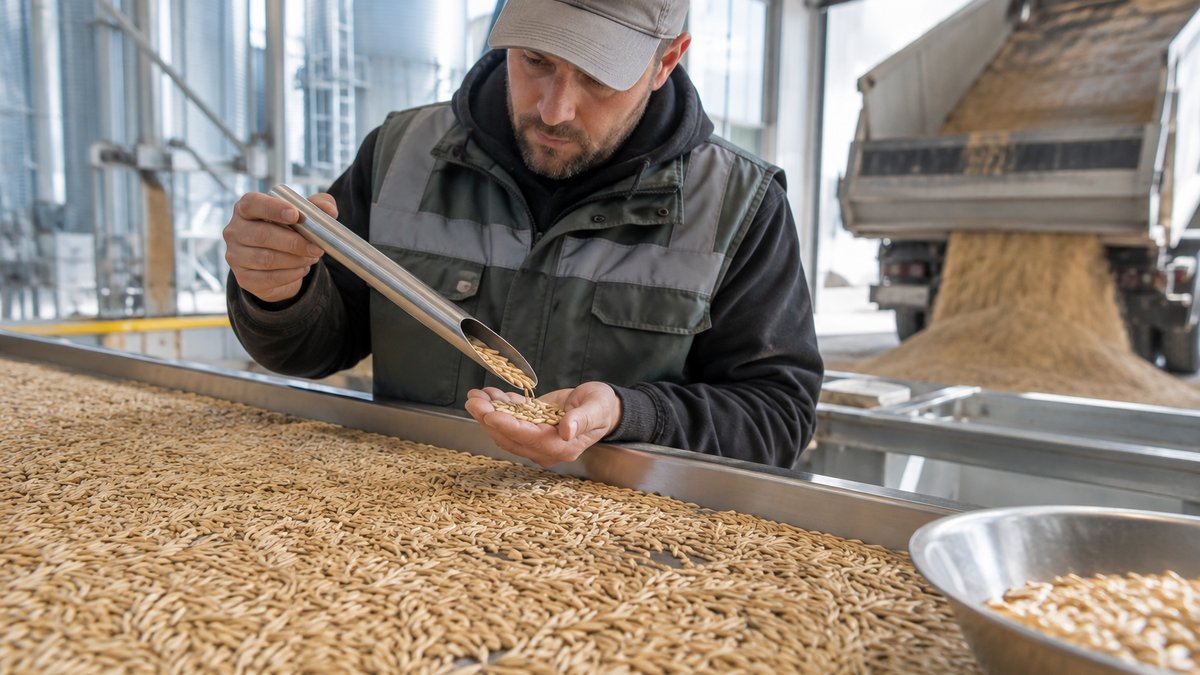
For U.S. oats, the official grade table includes U.S. No. 1 through U.S. No. 4 and U.S. Sample grade. The numerical grades use limits for test weight per bushel, sound oats, heat-damaged kernels, foreign material and wild oats. Those criteria help describe the raw grain’s condition, but a grade designation alone does not tell a buyer whether the goods are groats.
Destination and intended use affect which specification applies. Codex Standard CXS 201-1995 covers specified oat grains intended for processing for direct human consumption and excludes hulless oats from its scope. It sets a maximum moisture content of 14.0% m/m for the oats it covers, while noting that lower limits may be needed for some destinations depending on climate, transport duration and storage. Buyers should check the importing market’s applicable rules and contract requirements rather than treating that figure as a universal limit for every oat product.
For a processed groat, ask for a specification written for the product being sold. A raw-grain grade, a groat specification and a finished-food specification describe different stages. The contract should say which stage is inspected and what the inspection measures.
Buying consideration: Before comparing offers, ask each supplier to state hull status, product form, grade or quality specification, moisture basis, intended use and inspection point. Compare quotations only after the products and delivery conditions match.
3. A Buying Scenario: Resolving an Ambiguous Oats Offer
Suppose an importer receives an offer described only as “white oats” for a food-processing order. The wording does not establish whether the shipment contains whole grain with hulls, dehulled kernels or another processed form. The importer cannot make a sound comparison with a separate quotation for oat groats until both suppliers identify what they are selling.
The importer can ask the first supplier to confirm whether the oats are hull-on or dehulled, whether they are intended for human consumption, and which grade or specification applies. The importer can then ask the groat supplier for the product’s processing description, quality limits and inspection basis. Both suppliers should quote the same quantity basis and delivery conditions before the prices are compared.
Illustrative inquiry format:
Product form: White oat grain, hull status to be confirmed
Intended use: Food processing
Quality basis: State grade or attach the buyer's specification
Moisture: State the agreed limit and test basis
Inspection: Identify the product stage and inspection method
Commercial terms: State quantity, packing, destination and delivery term
This is an illustrative inquiry format, not a universal specification. Buyers should set limits for their product, process and destination.
If the buyer actually needs groats, the inquiry should name oat groats and specify the required properties. Calling them “white oats” could leave the supplier free to interpret the request as whole grain. If the buyer needs whole grain, the inquiry should say so and state the required hull status.
A clear specification also prevents a grade from being mistaken for a product form. For example, a numerical U.S. oat grade describes measured grain-quality factors; it does not, by itself, confirm that the shipment has been dehulled. The buyer should list the grade and the product form separately where both matter.
Looking to Source White Oats?
Connect with verified suppliers, discover matching products, and explore sourcing opportunities from global markets.
4. When to Choose White Oats or Oat Groats
Choose based on the receiving process and the product the buyer needs after delivery. White oats may be the relevant term when the purchase is for oat grain sold under that commodity description, but the buyer must clarify hull status and intended use. Choose oat groats when the required input is the dehulled oat kernel.
A buyer purchasing grain for further processing should specify what the facility will do after receipt. If the plant needs grain with hulls for its own cleaning or dehulling line, say so. If it needs kernels with hulls already removed, specify groats and define any required quality limits. The supplier’s description should match the point at which the buyer takes responsibility for processing.
For food use, specify the applicable food-safety and destination requirements alongside the product form. Codex’s oats standard has a stated scope and does not cover hulless oats. National rules and buyer contracts may set additional or different conditions, so an international standard should not be treated as a complete import checklist.
For feed or other uses, do not assume that a food-grain standard describes the purchase adequately. State the intended use and agree the relevant quality, safety and delivery specifications with the supplier. A label such as white oats or groats does not verify suitability for a particular process.
For either product, keep the quotation request explicit about the attributes that affect acceptance: product form, hull status, grade or agreed quality limits, moisture limit and test basis, packing, quantity and delivery terms. If the supplier uses a different name, ask for a written description of the goods and have both parties confirm it in the contract.
Buying consideration: Select white oats when the supplier’s confirmed product form fits the buyer’s process; select oat groats when dehulled kernels are required. If the label leaves hull status or quality unclear, resolve that point before accepting a quotation.
5. Related Resources for White Oats Buyers
Use the official standards relevant to the product and jurisdiction to check grading and quality terms. The U.S. oat grade requirements describe the numerical grades and their measurable limits. The Canadian Grain Commission’s oat guide explains its use of hulled, hulless and groat terminology. Codex provides a separate standard with a defined product scope for oats intended for processing for direct human consumption.
Buyers can also review grain-related requests and supplier listings on Freshdi when looking for sourcing leads. Treat listing details as a starting point for due diligence, then confirm product form, hull status, quality specification and commercial terms with the prospective business partner.
For category-level sourcing, browse Grains buying requests, White Oats buying requests and Grains suppliers on Freshdi.
References
1. U.S. Department of Agriculture, Agricultural Marketing Service – Oat Standards, 2026.
2. U.S. Department of Agriculture, Federal Grain Inspection Service – Official United States Standards for Grain, § 810.1004, Grades and grade requirements for oats, 2026.
3. Canadian Grain Commission – Official Grain Grading Guide: Oats, grading factors, 2026.
4. Codex Alimentarius Commission – Codex Standard for Oats, CXS 201-1995, 1995.
5. U.S. Department of Agriculture, Agricultural Marketing Service – Visual Reference Images: White Oats, 2015.
Disclaimer: This article is compiled from platform data, public sources and information provided by third parties, for general informational purposes only. We do not guarantee its accuracy or completeness. Please conduct your own due diligence before making business decisions.