
Introduction
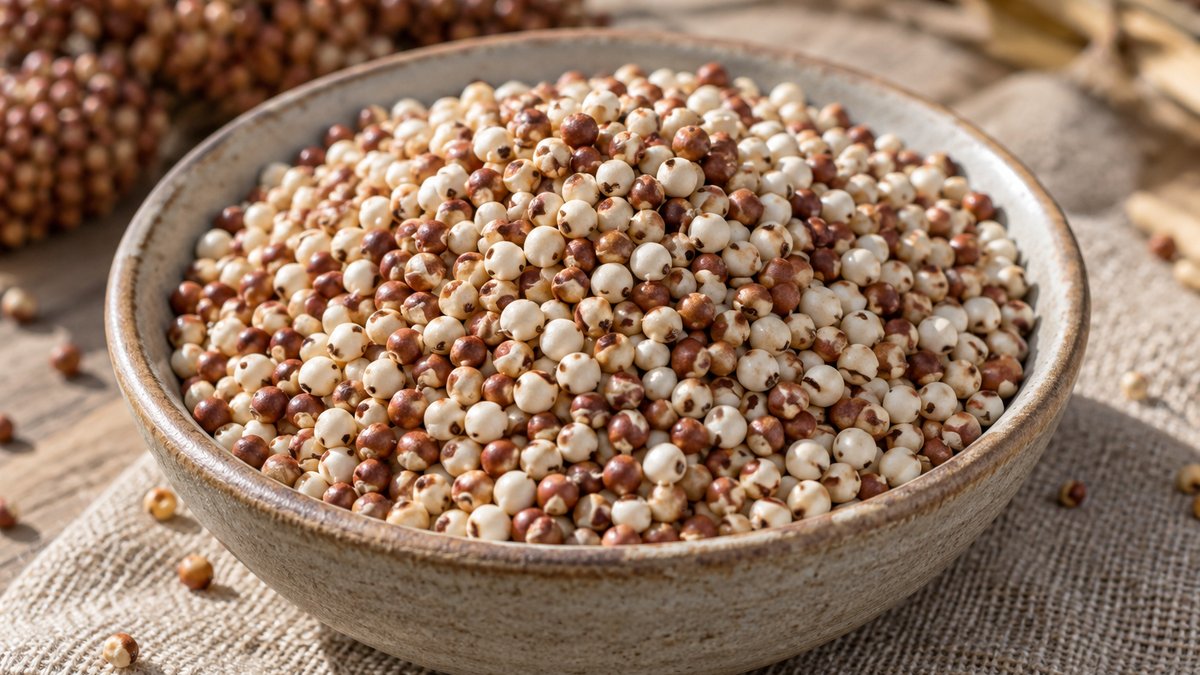
White sorghum and tannin sorghum are distinguished by grain characteristics used in classification, including whether the kernel has a pigmented testa, or seed coat. In the United States Department of Agriculture (USDA) grading system, white sorghum is a defined class; tannin sorghum is another. Color alone does not reliably identify either class.
For buyers, the intended use should guide the specification. White sorghum is often used for food products that need a light-colored flour, while tannin sorghum can suit uses where its grain traits are acceptable or wanted, including some brewing applications. Before contracting, define the class, processing needs and measurable quality limits instead of relying on a color description alone.
1. How White Sorghum and Tannin Sorghum Differ
The main difference is the kernel's class characteristics, especially the testa, a pigmented layer beneath the outer pericarp. Under the USDA sorghum grading procedures, white sorghum lacks a pigmented testa and may contain no more than 2% sorghum from other classes. Tannin sorghum has a pigmented testa and may contain no more than 10% kernels without one. These definitions apply within the U.S. grading system; buyers should check which national or contract standard governs their shipment.
The table summarizes USDA class definitions and common processing considerations; it does not establish a single international standard. USDA's grading procedures identify sorghum classes through pericarp and testa characteristics. Its general Sorghum class can include kernels with white, yellow, pink, orange, red or bronze pericarps. Tannin sorghum may also have several pericarp colors. A red-looking kernel, therefore, does not by itself establish that a lot is tannin sorghum.
The distinction between a class and a quality grade also matters. Class identifies the grain category. A grade evaluates a lot against quality factors in the applicable system. USDA sorghum grading considers factors such as test weight, damaged kernels, broken kernels and foreign material. A buyer who needs both a class and a minimum grade should list both in the contract; naming one does not automatically specify the other.
The word tannin can refer to a grain composition trait as well as a commercial label. USDA's class procedure uses testa characteristics to define Tannin Sorghum. If the buyer needs a particular tannin concentration or laboratory method, the contract should name the limit and test basis. A class name alone does not state a numerical concentration.
Color terminology can also vary across national and commercial classifications. FAO's CountrySTAT manual gives an example of national statistics that distinguish white sorghum and red sorghum by the color of flour made from the grain. It cautions that red grain color alone does not make the flour red. That statistical example is not a universal trading definition, so buyers and sellers should agree on the precise meaning of each label in their own specification.
2. How the Difference Affects a Sorghum Purchase
A buyer's processing line and finished product determine which sorghum class is more suitable. A miller making pale flour may start by assessing white sorghum and then test the actual lot for flour color, milling behavior and any other required properties. A brewery or processor that accepts colored grain may consider tannin sorghum if its recipe and process accommodate the grain's flavor and processing characteristics.
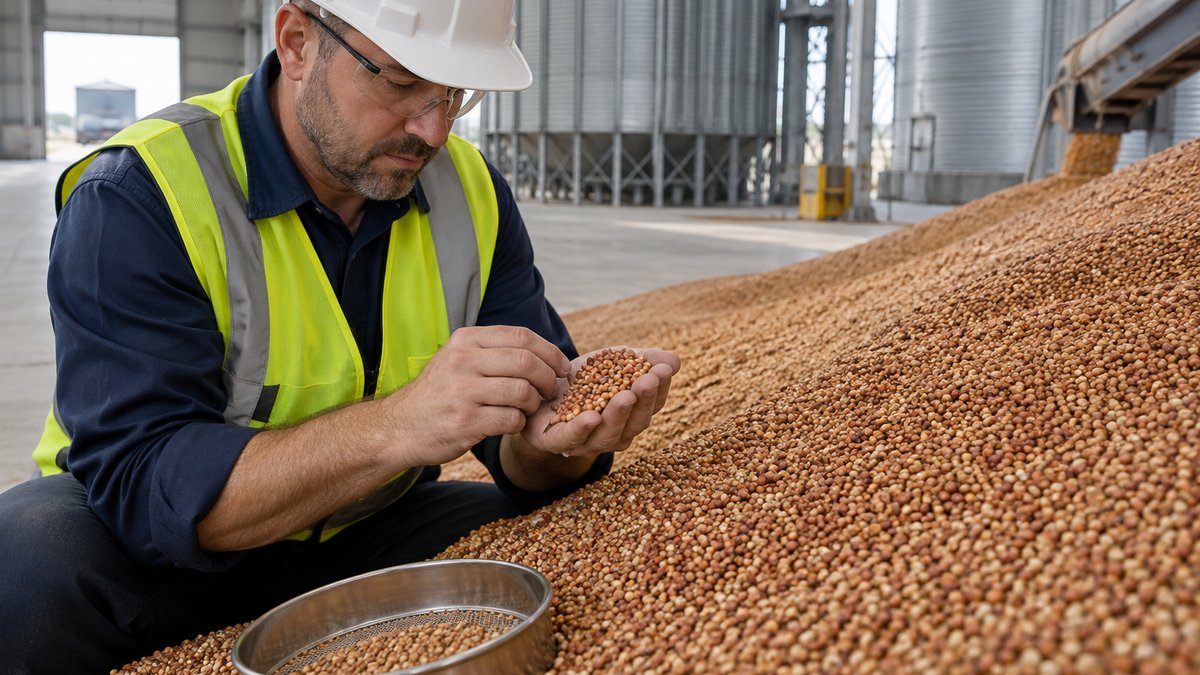
For example, a food manufacturer seeking flour for a product with a light appearance should define the required flour color and milling result, then ask suppliers to identify the sorghum class and provide a representative sample. Specifying only white grain leaves room for disagreement because a buyer may be describing the visible kernel while the supplier interprets the term as a formal class.
Illustrative inquiry format:
Product: Sorghum grain, white class under the agreed inspection standard
End use: Milling into flour for a light-colored food product
Quality: State required grade, moisture limit, damaged-kernel limit and foreign-material limit
Processing check: Request a representative sample and agree on a flour-color and milling assessment
Trade details: State quantity, packing, delivery point, delivery term and inspection arrangement
This is an illustrative inquiry, not a universal sorghum specification. Set the limits to match the product, destination rules and processing equipment.
The example does not assume a particular buyer, destination or commercial limit. Those details must come from the actual transaction. A buyer should also say which standard or inspection procedure applies, who will inspect the lot, and whether acceptance is based on pre-shipment inspection, arrival inspection, or both. If the contract uses a local class name, attach its definition or agree on a test method.
For a feed, brewing or other industrial purchase, the buyer may focus on different characteristics. Depending on the intended process, the parties may need to agree on tannin, moisture, test weight, damaged kernels, foreign material, particle size after milling, or other measured properties. These requirements should be tied to the buyer's process and destination rather than inferred from a color name.
Looking to Source Sorghum?
Connect with verified suppliers, discover matching products, and explore sourcing opportunities from global markets.
3. When to Choose White Sorghum or Tannin Sorghum
Choose between white and tannin sorghum by matching the grain to the product specification and the processing result. White sorghum is a reasonable starting point when a buyer needs a light flour or wants to avoid the color and taste characteristics associated with a pigmented testa. Tannin sorghum may fit a recipe or industrial use that accepts those characteristics, and it can be relevant where the buyer's process values them.
3.1 White sorghum for milling and food products
White sorghum is commonly used in food applications where neutral flavor or light flour is desired. The United Sorghum Checkoff Program describes tan or white sorghum as a food-industry option and notes that the pericarp can be removed to produce pearled grain. The exact result still depends on the variety, grain condition, milling setup and buyer's finished-product requirements.
A buyer should evaluate a sample through the same process used in production. Check the grain's cleaning and milling behavior, flour color, taste and yield against the product's acceptance criteria. A class designation helps identify the grain, but it does not guarantee a particular flour result across all equipment and varieties.
3.2 Tannin sorghum for uses that accept its traits
Tannin sorghum may be considered when the buyer's application can accommodate the grain's testa and associated flavor or color. FAO's review of sorghum processing describes bitterness and color as characteristics that may be acceptable or preferred in some brewing uses. It also explains that removing the testa can be difficult with some traditional methods. Those observations describe processing considerations, not a guarantee that every tannin sorghum lot suits every brewery or processor.
For feed or industrial use, specify the properties that affect the buyer's formulation and handling. Do not assume that tannin sorghum is automatically suitable or unsuitable for a particular feed. Ask the supplier for the relevant composition data and confirm that the product meets the buyer's nutritional, processing and regulatory requirements.
Before choosing either class, compare quotations only after aligning the class definition, grade, test basis, processing condition, packaging, quantity and delivery terms. Two offers with the same product name may still describe different grain characteristics. The contract should state how the buyer will resolve a disagreement over class or quality, including the inspection method and any agreed laboratory analysis.
Buying consideration: Before requesting quotations, prepare a written specification that names the sorghum class and governing standard, then add measurable quality limits and the intended processing result. Ask each supplier to confirm those requirements against a representative sample.
4. Related Sorghum Resources for Buyers and Sellers
For U.S.-graded grain, USDA's sorghum standards and inspection handbook explain class definitions and grading procedures. FAO's material on sorghum and millet processing discusses how testa, grain type and milling method affect processing. These sources address different purposes: USDA provides a U.S. grading framework, while FAO gives technical and statistical context. Neither replaces the destination country's import rules or the specifications agreed by the trading parties.
In a purchase contract, record the product name, class definition, grade or quality standard, sampling method, inspection point and decision rule for rejected or disputed lots. Include test methods for any property that needs laboratory confirmation. For processed grain, describe the required physical form, such as whole, pearled, milled or flour, and specify packaging and handling requirements.
Buyers can review sorghum-related requests and sellers can review supplier listings through Freshdi's sorghum buying requests and sorghum supplier listings. Treat each listing as a starting point for checking the stated product details and agreeing on a complete specification before a transaction.
References
1. USDA Agricultural Marketing Service – Grain Inspection Handbook, Book II: Grain Grading Procedures, Chapter 9: Sorghum, 2020.
2. USDA Agricultural Marketing Service – United States Standards for Sorghum, 2021.
3. Food and Agriculture Organization of the United Nations – Statistical Manual of CountrySTAT, 2013.
4. Food and Agriculture Organization of the United Nations – Sorghum and Millets in Human Nutrition, 1995.
5. United Sorghum Checkoff Program – Sorghum Grading, 2026.
Disclaimer: This article is compiled from platform data, public sources and information provided by third parties, for general informational purposes only. We do not guarantee its accuracy or completeness. Please conduct your own due diligence before making business decisions.