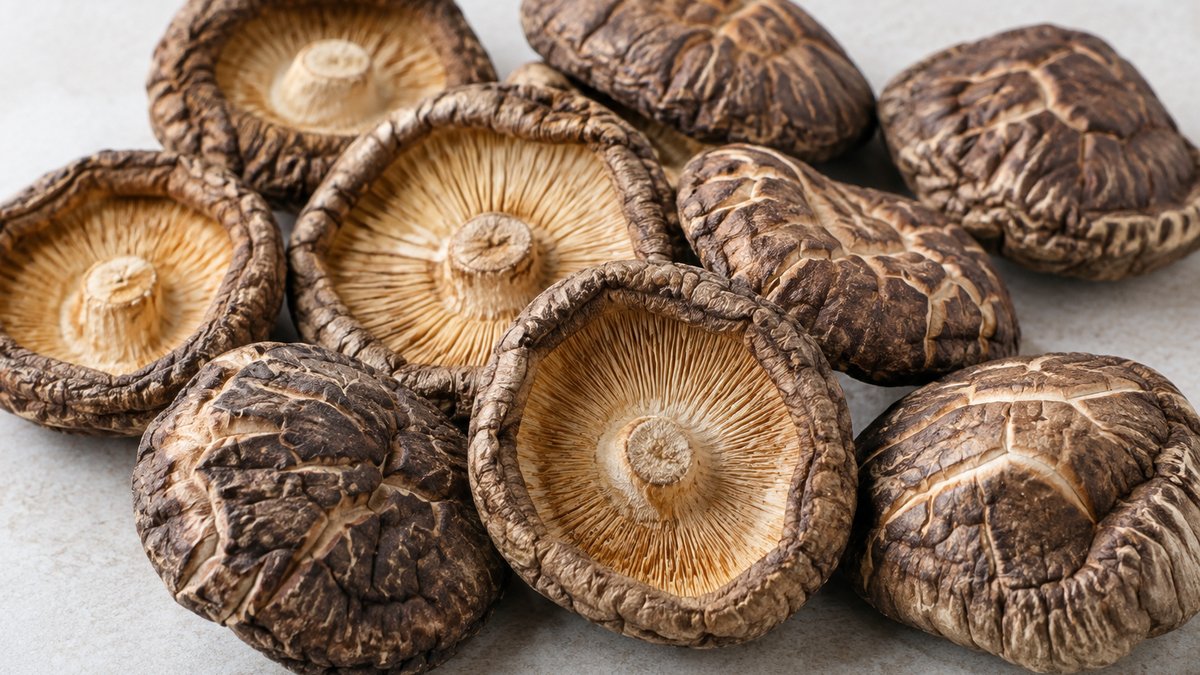

1. Dried shiitake and fresh shiitake serve different buying needs
Dried shiitake is the same mushroom sold after moisture has been removed; fresh shiitake is sold without that drying step. The difference affects the product's weight, storage and preparation, so buyers should choose by intended use and handling capacity.
Fresh mushrooms can go into cooking after cleaning and trimming. Dried mushrooms need moisture restored for many recipes, although cooks can add some dried pieces directly to soups or other dishes with enough cooking liquid. The dried format also reduces the weight of the mushroom shipment because water has been removed.
Codex Alimentarius Standard CXS 39-1981 covers dried edible fungi, including shiitake. It sets a maximum water content of 13% by mass for dried shiitake. That is a product-quality reference; buyers should check whether the destination country's rules or their contract apply the standard.
A buyer comparing the forms should keep the comparison tied to the same usable amount and application. A kilogram of dried shiitake is not equivalent to a kilogram of fresh shiitake for recipe yield, and a quoted price per kilogram alone does not show the cost per prepared portion.
2. How dried shiitake compares with fresh shiitake
The practical distinction is moisture removal: it changes the shipped product's weight and means dried mushrooms may need soaking before use. The comparison below covers sourcing considerations; size, grade, cut, packaging and quality still vary between lots.
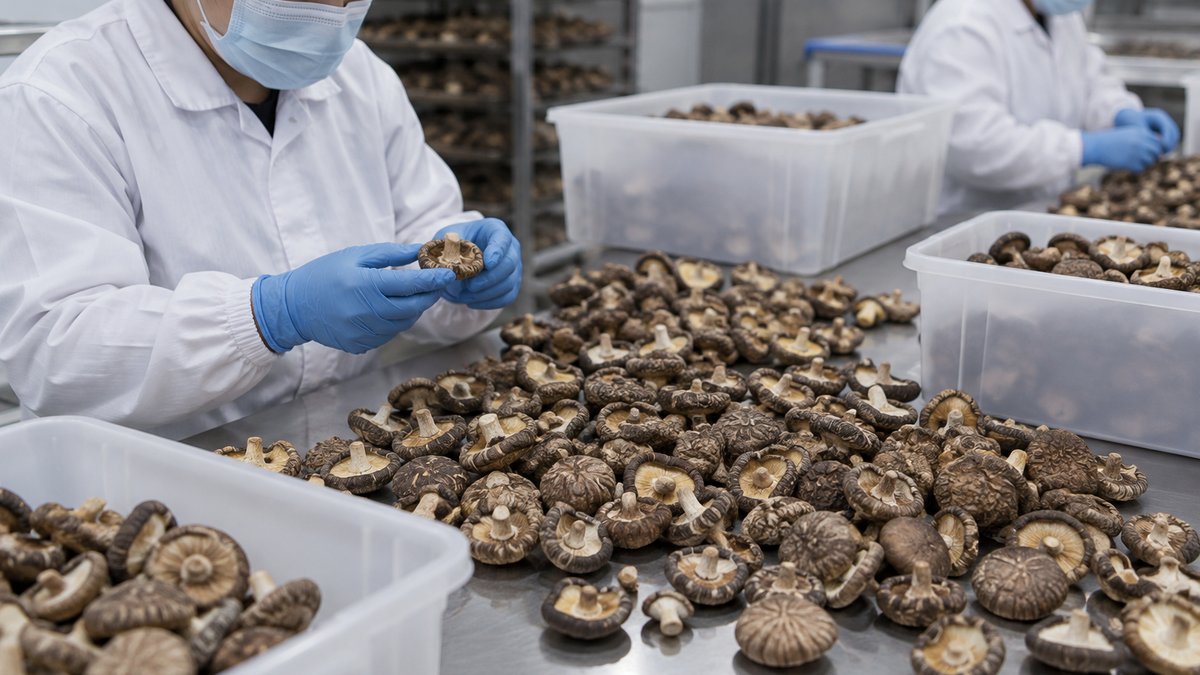
Codex describes dried fungi in whole, whole-cap-without-stem and cut styles. It defines cut dried fungi as slices 1 to 4 mm thick. Buyers requesting a different cut or format should describe it clearly and check that the label and contract identify the product accurately.
For dried shiitake, request the measured moisture content and the method or certificate used to establish it. The Codex limit is a useful specification reference, but it does not replace any destination-market requirements or stricter buyer limits. Also ask how the supplier grades cap size, handles broken pieces and protects the product from moisture after drying.
Fresh shiitake needs a different inspection plan. Agree what acceptable freshness and appearance mean for the purchase, how the product will be cooled and transported, and how the buyer and supplier will assess condition on arrival. Penn State Extension's general guidance for mushrooms recommends refrigerated storage; buyers should confirm shiitake-specific handling and transit conditions with their supplier.
3. A sourcing scenario: choosing shiitake for a soup ingredient
Consider a food manufacturer sourcing shiitake for a soup that will be cooked with liquid. Dried slices may suit a process that can soak them in advance or cook them in the recipe. Fresh mushrooms may fit a production line that prepares and cooks the ingredients soon after delivery.
The buyer should compare the two forms using the recipe's actual yield. For dried product, record the weight before soaking and the prepared amount after the factory's standard rehydration step. For fresh product, record the cleaned, trimmed amount available for production. The resulting figures let the buyer compare ingredient cost per batch instead of comparing purchase prices per kilogram as if the products were interchangeable.
The process also determines what the supplier must quote. A dried-shiitake inquiry should identify whole caps or slices, target size, moisture limit, acceptable defects, packaging and quantity. A fresh-shiitake inquiry should specify cap size, stem condition, required arrival condition, packing format and delivery schedule. In both cases, state the destination and requested delivery term so suppliers can quote on a comparable basis.
Illustrative inquiry details:
Product: Dried shiitake slices for soup production
Specification: State slice thickness, size range, moisture limit and acceptable broken-piece level
Packaging: State the pack format and net weight required
Commercial details: State order quantity, destination, requested delivery term and delivery schedule
This is an illustrative inquiry format, not a universal specification. Set the limits to match the buyer's process and destination requirements.
Looking to Source Dried Shiitake Mushroom?
Connect with verified suppliers, discover matching products, and explore sourcing opportunities from global markets.
4. Choose dried or fresh shiitake according to the production plan
4.1 Choose dried shiitake when the process can use a dried ingredient
Dried shiitake can suit buyers who need a lower-weight mushroom ingredient and can accommodate soaking, cooking with liquid or another preparation step. Codex provides a quality reference for moisture and product styles, while the contract can add tighter requirements for size, cleanliness, breakage and packaging.
Check the cost against the amount of prepared mushroom the process obtains from each purchased lot. Ask for a representative sample and document the soaking method used in the yield test. A change in slice thickness, cap size or preparation time may change the result, so keep the test conditions consistent when evaluating offers.
4.2 Choose fresh shiitake when the buyer needs the undried product
Fresh shiitake may fit operations that need the undried mushroom for their recipe or product presentation and can receive, inspect and use it under an agreed fresh-produce handling plan. Buyers should set acceptance criteria for condition on arrival and confirm who checks the product and when.
A fresh-product specification should state cap size or size range, whether stems are included, packing method, quantity, shipment schedule and temperature requirements. The buyer should also agree how damaged or unacceptable mushrooms will be recorded and handled.
Buying consideration: Before requesting quotations, decide whether the production line can rehydrate dried product, calculate the required usable yield, and set separate acceptance criteria for each form. Compare suppliers only after the product style, packaging, destination and delivery basis match.
5. Related resources for shiitake specifications and sourcing
Codex Alimentarius Standard CXS 39-1981 gives buyers a reference for dried edible fungi, including shiitake. It covers product styles and quality factors, including the maximum water content for dried shiitake. The European Centre for the Promotion of Imports from Developing Countries (CBI) also discusses dried-mushroom quality and packaging for exporters targeting Europe. These references help frame a specification; buyers still need to confirm the rules that apply to their own destination and contract.
When evaluating a dried-shiitake offer, ask for the declared product style, moisture result, size or grade basis, packaging description and lot information. For fresh shiitake, request the size basis, stem condition, handling plan and expected transit time. Use the same unit, packaging basis and delivery term for every quotation you compare.
Freshdi has dried shiitake buying requests and dried shiitake supplier listings for buyers and exporters reviewing this product category. Check each listing's stated details and confirm product specifications and commercial terms directly with the prospective business partner.
References
1. Codex Alimentarius Commission – Standard for Dried Edible Fungi, CXS 39-1981, 1981.
2. Centre for the Promotion of Imports from Developing Countries – Entering the European Market for Dried Mushrooms, 2023.
3. Penn State Extension – Preparing and Preserving Mushrooms, 2024.
Disclaimer: This article is compiled from platform data, public sources and information provided by third parties, for general informational purposes only. We do not guarantee its accuracy or completeness. Please conduct your own due diligence before making business decisions.