
1. Frozen and Canned Sweet Corn Differ in Preservation and Use
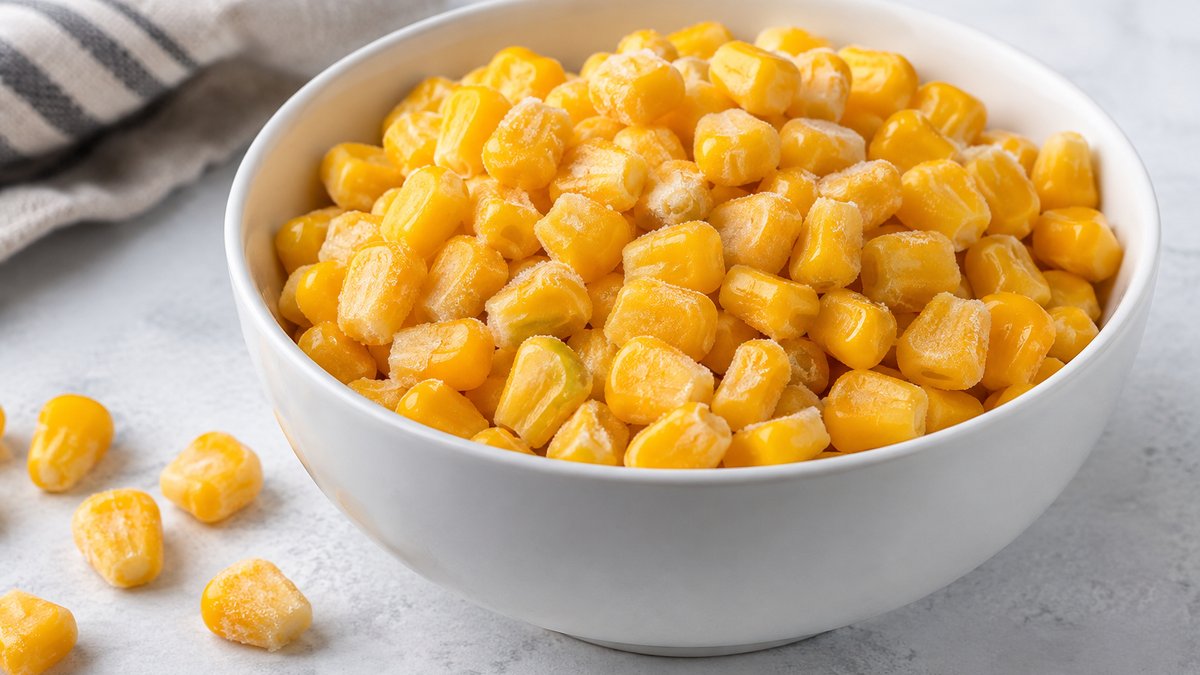
Frozen sweet corn and canned sweet corn are processed forms of the same vegetable, but preservation changes how buyers store, ship and use them. Frozen whole-kernel corn is blanched and kept frozen; canned corn is sealed in a container and processed for commercial sterility. Those differences affect handling after delivery and the product specification a buyer should request.
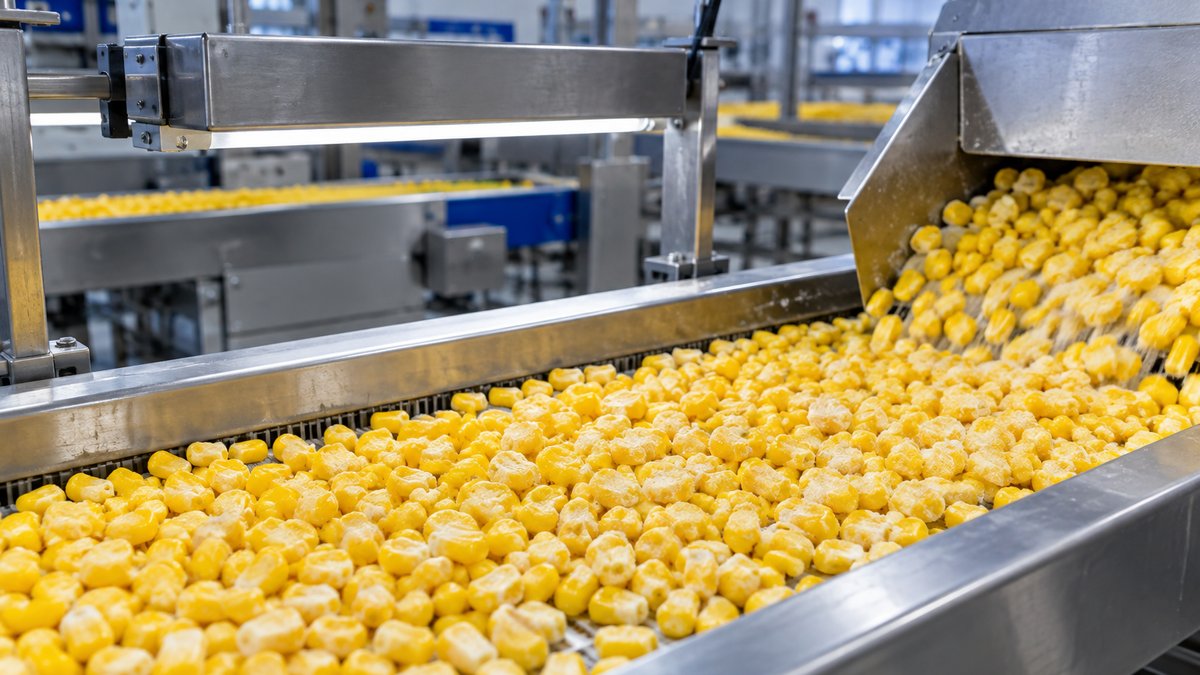
The USDA Agricultural Marketing Service describes frozen whole-kernel corn as clean, sound sweet-corn kernels that are sorted, washed and blanched before or after removal from the cob, then frozen and maintained at temperatures needed to preserve the product. Its separate standard for canned whole-kernel corn covers kernels prepared and packed as a canned product. These are U.S. product descriptions and grading standards, not universal specifications for every exporting or importing market.
For a buyer, the main distinction is the distribution system. Frozen corn needs an uninterrupted frozen chain through storage and transport. Properly processed, hermetically sealed canned corn can be stored without refrigeration before opening, subject to the product and destination requirements. A buyer comparing offers should therefore assess the full landed and handling cost, not only the quoted price per kilogram.
The formats can also differ in ingredients and packing medium. Canned corn may be packed with liquid and may contain added salt; frozen kernels may be supplied plain or with other declared ingredients. Neither format name alone confirms kernel variety, color, cut, grade, additives, package size or intended use. Put each requirement in the purchase specification.
2. Frozen Sweet Corn and Canned Sweet Corn Compared
The format determines the preservation method and the conditions needed after processing. Buyers should confirm the actual pack style and ingredients because supplier labels can cover more than one commercial presentation.
USDA maintains distinct grade standards for frozen and canned whole-kernel corn. The frozen standard describes U.S. Grade A, B and C using quality factors such as flavor and odor, tenderness, color and defects. A grade designation is a quality reference under that standard; it does not replace the buyer's specification or automatically apply in another jurisdiction. Ask the supplier which standard and inspection basis a quoted grade refers to.
Compare equivalent products by style, ingredient declaration, quality tolerance, pack size and weight basis. For canned corn, clarify whether quoted weight is net or drained weight. For frozen corn, clarify whether the weight is product weight and how the contract treats any ice or adhering material. Do not compare a can's net weight directly with a frozen pack's weight if the buyer's usable quantity differs.
3. A Foodservice Sourcing Scenario
A foodservice distributor supplying kitchens with freezer capacity may evaluate frozen kernels for recipes that call for corn close to service time. A distributor serving outlets with limited freezer space may consider commercially processed canned corn for dishes that can use the canned product as packed. These are sourcing scenarios, not claims that one format suits every kitchen or recipe.
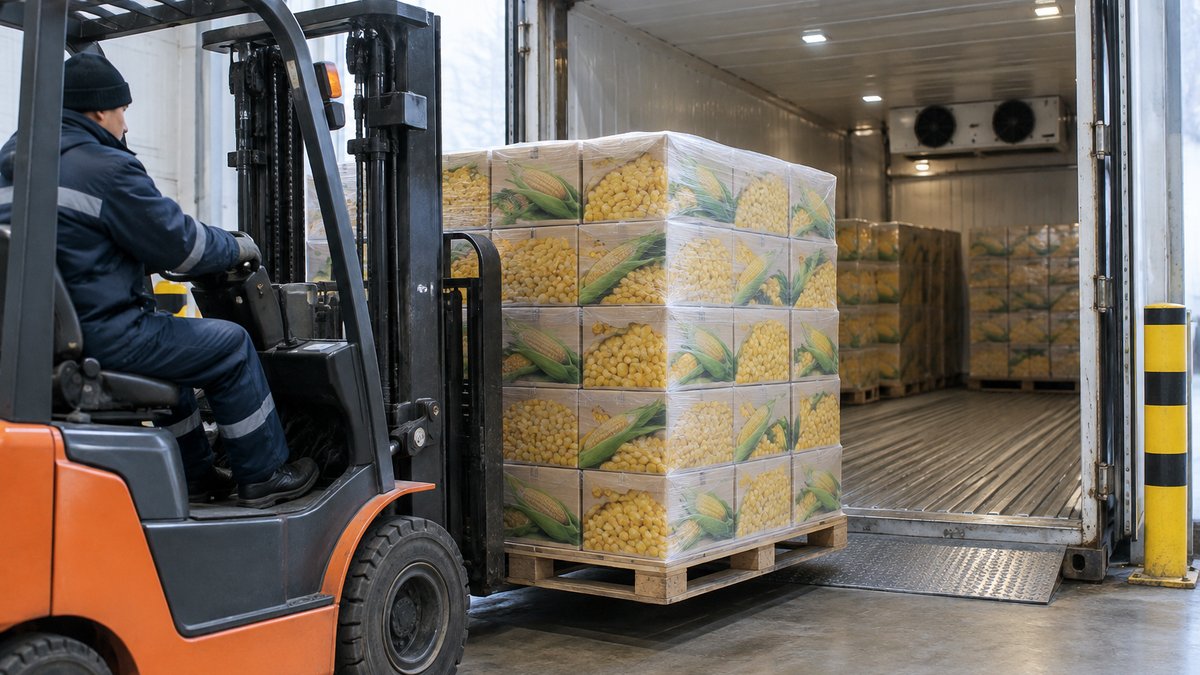
The frozen option puts more importance on cold-chain capacity. The buyer should confirm the required storage temperature, shipment condition, pallet configuration, delivery schedule and what evidence will be available if a temperature excursion occurs. The contract should identify the acceptable product condition on arrival and the inspection procedure. A quotation that omits the delivery temperature or shipment conditions leaves a significant handling question unanswered.
The canned option shifts attention to the container and the declared contents. The buyer should specify the container material and size, whole-kernel or other style, packing medium, ingredients and weight basis. The importer should also confirm that the producer's process documentation and product labeling meet the destination's rules. For exports to the United States, FDA requirements for low-acid canned foods apply to products that meet the agency's definition, including applicable establishment registration and scheduled-process filing requirements. Buyers should verify scope with the current FDA rules and the specific product and pack.
The two offers should then be costed on the basis the business will actually use. A kitchen may need to compare usable corn per serving, preparation steps, storage space, wastage and replenishment frequency. The contract should make clear whether the price is per net kilogram, drained kilogram, case or container, and state the delivery term and destination. A lower unit price does not settle the choice if a format requires storage or handling the buyer cannot support.
Illustrative inquiry format:
Product: Frozen whole-kernel sweet corn, yellow
Pack and condition: State pack size, ingredients and required frozen condition
Quality: State grade or buyer specification and tolerances
Delivery: State quantity, destination, delivery term and required arrival condition
This is an illustrative inquiry format, not a universal specification. Buyers should adapt it to their product, destination and operating requirements.
Looking to Source Frozen Sweet Corn?
Connect with verified suppliers, discover matching products, and explore sourcing opportunities from global markets.
4. When to Choose Each Format
Choose frozen sweet corn when the buyer can maintain the required frozen chain and the product's texture, pack style or planned recipe suits frozen kernels. Confirm freezer capacity at the warehouse and destination, the temperature controls during transit, and the supplier's product specification before placing an order.
- Select frozen kernels when cold storage and frozen transport are available through every distribution handoff.
- Use the frozen specification to identify whole-kernel style, color, variety if needed, grade, ingredients, pack size and acceptable product condition.
- Confirm the shipment's temperature requirements and the evidence used to assess arrival condition.
Choose canned sweet corn when distribution needs a sealed, shelf-stable product before opening and the buyer can use the specified canned form. Suitability depends on the exact product, container, ingredients, label and destination rules. Canned does not mean that every recipe or customer will prefer the resulting texture or packing medium.
- Select canned corn when the distribution plan does not include frozen storage before opening and the product fits the intended recipe or manufacturing process.
- Specify whole-kernel or another style, container type and size, packing medium, ingredients, grade and net or drained weight basis.
- For imports, check the destination's food-safety, processing and labeling requirements for the exact product and packaging.
A buyer may qualify both formats if the operation serves different channels. Keep separate specifications and compare supplier quotations on equivalent terms. For frozen corn, include the cold-chain and arrival-condition requirements. For canned corn, include container, contents, weight basis and process-related documentation required for the destination. USDA's standards can help buyers describe U.S. quality grades, while destination authorities determine the applicable import rules.
Buying consideration: Before requesting quotations, record the product style, ingredients, grade or measurable quality limits, pack format, weight basis, delivery conditions and destination requirements. Ask suppliers to identify any specification they cannot confirm.
5. Related Resources for Sweet Corn Buyers
USDA Agricultural Marketing Service publishes separate standards for frozen whole-kernel corn and canned whole-kernel corn. Buyers using U.S. grade terminology can consult the relevant standard to understand the quality factors it evaluates, then state the required standard and grade in the contract. The USDA descriptions do not replace destination-specific regulations or a buyer's own acceptance criteria.
For canned products entering the United States, FDA's acidified and low-acid canned foods guidance explains registration and scheduled-process filing obligations for products within its regulatory scope. The scope depends on the product and processing conditions; importers should check the current FDA requirements rather than applying a general rule to every canned corn product.
For practical sourcing, Freshdi has Frozen Sweet Corn buying requests and Frozen Sweet Corn supplier listings. Review each listing's current details and verify product specifications, business information and commercial terms before proceeding.
References
1. U.S. Department of Agriculture, Agricultural Marketing Service – Frozen Whole Kernel (Whole Grain) Corn Grades and Standards, 2026.
2. U.S. Department of Agriculture, Agricultural Marketing Service – U.S. Standards for Grades of Frozen Whole Kernel (or Whole Grain) Corn, 2026.
3. U.S. Department of Agriculture, Agricultural Marketing Service – U.S. Standards for Grades of Canned Whole Kernel Corn, 2026.
4. U.S. Food and Drug Administration – Acidified & Low-Acid Canned Foods Guidance Documents & Regulatory Information, 2026.
Disclaimer: This article is compiled from platform data, public sources and information provided by third parties, for general informational purposes only. We do not guarantee its accuracy or completeness. Please conduct your own due diligence before making business decisions.