
1. Frozen and Chilled Mackerel Differ in Preservation Method and Supply Window
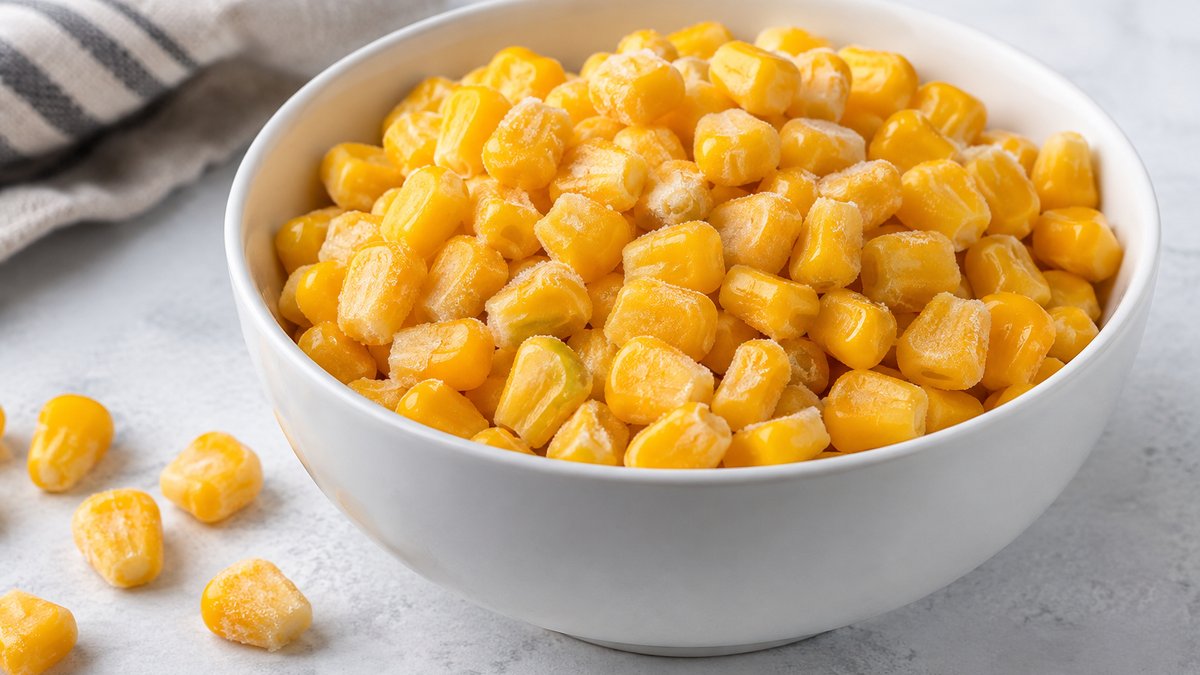
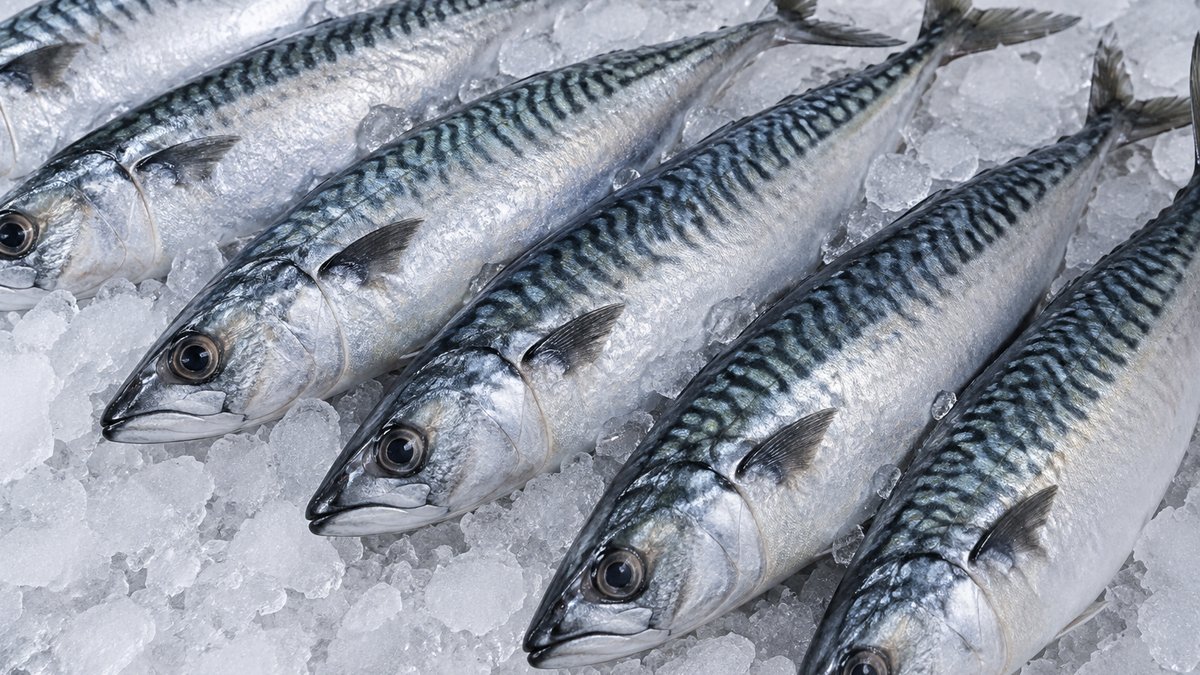
Frozen mackerel has been frozen and kept frozen through storage and distribution. Chilled mackerel is kept cold without being frozen; its distribution depends on maintaining a refrigerated chain. The choice changes the handling plan, storage equipment and delivery schedule a buyer needs.
Codex defines fresh fish as fish that has received no preserving treatment other than chilling. Its fish-processing code defines frozen fish by the freezing process and continued maintenance at the required low temperature during transport, storage and distribution. In commercial discussions, “chilled mackerel” is often used for fish supplied under refrigeration, but the word alone does not establish whether the fish was previously frozen. Buyers should ask suppliers to state that history explicitly.
For buyers, the operational distinction is straightforward: chilled cargo needs prompt movement and uninterrupted refrigeration, while frozen cargo needs a frozen chain from packing through receipt. Neither term identifies the mackerel species, catch area, size, fat content, processing form, grade or quality. Those attributes require their own specifications.
The European Union’s Regulation (EC) No 853/2004 sets product-temperature requirements within its jurisdiction. It requires fresh fishery products to be maintained at a temperature approaching that of melting ice and frozen fishery products generally to be kept at no more than -18°C in all parts of the product. Its transport provisions include a limited allowance for short upward fluctuations for frozen products. These are EU rules, not a universal specification for every destination. Buyers should check the importing market’s current requirements. The regulations and guidance discussed here were checked on 20 November 2026.
2. Frozen Mackerel and Chilled Mackerel Compared
The main difference is the product’s preservation state and the temperature the supply chain must maintain. The following comparison describes the general distinction; destination rules and contract specifications may add requirements.
The temperature figures in the table are tied to EU law. They should not be copied into a contract for another market without checking that market’s rules. A buyer can still use them as a reference when discussing a shipment, provided the contract identifies the applicable legal and commercial requirements.
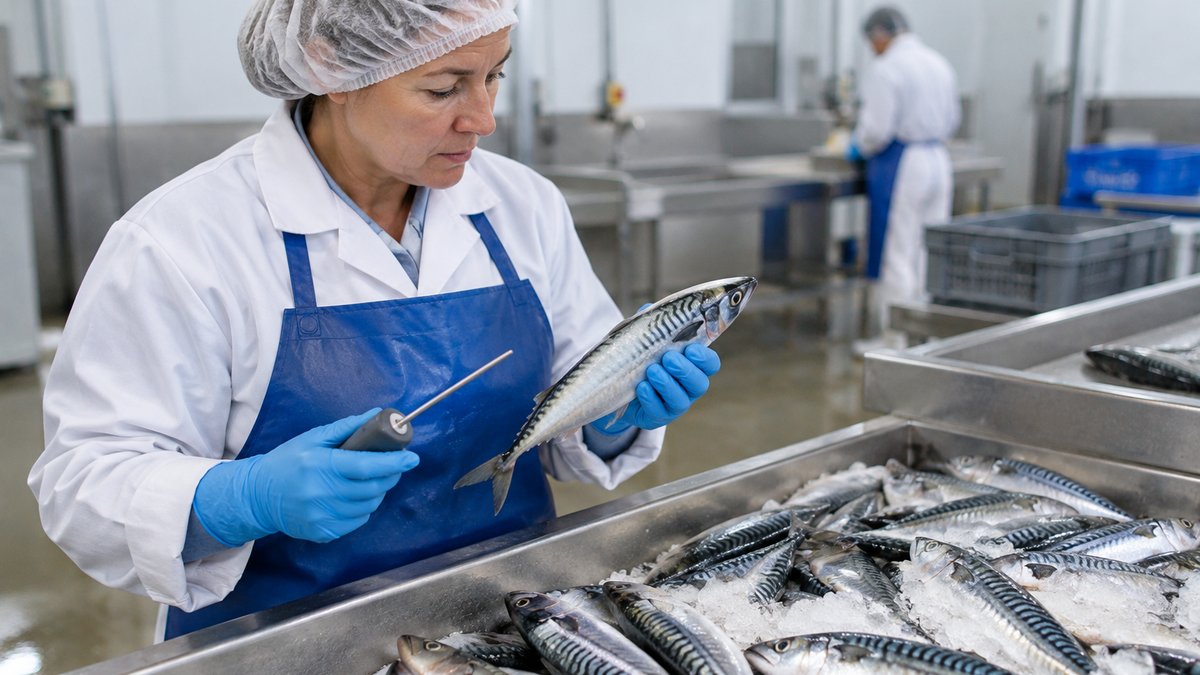
Freezing preserves the product for frozen distribution, but it does not repair poor handling before freezing. The FDA’s seafood hazards guidance states that histamine already formed in fish cannot be removed by freezing or cooking. Mackerel is among the fish associated with scombrotoxin, or histamine, formation. Buyers should therefore assess the supplier’s handling and time-temperature controls, not rely on frozen status as proof that the fish was handled correctly.
Mackerel can also lose quality in frozen storage if the product or packaging is poorly managed. The FAO’s fish-handling guidance notes that oil oxidation can continue in frozen oily fish. Ask how the supplier protects the fish in storage and transport, and agree how product condition will be assessed when the shipment arrives.
3. A Shipment Scenario Shows Why the Terms Change the Plan
Consider a processor ordering whole mackerel for a plant that can receive frozen cargo and hold it in frozen storage. Frozen mackerel may fit that plan because the buyer can schedule intake and draw down inventory while maintaining the required frozen conditions. The contract still needs to set the product form, species, size range, packaging, net weight basis, glazing declaration if applicable, temperature requirements and inspection method.
Now consider a wholesaler supplying nearby customers who can receive chilled fish and move it quickly. Chilled mackerel may suit that operation if the route, delivery timing and refrigerated storage are reliable. The buyer should agree how the fish will be packed and cooled, when it was caught or processed as relevant, and what temperature records will accompany the shipment. A short delivery distance does not remove the need for temperature control.
The two buyers should not compare supplier quotations on price per kilogram alone if one quote is for frozen fish and the other is for chilled fish. The products differ in storage requirements, transport arrangements and expected handling after arrival. The buyer should first check that the quotations cover the same species, size, whole or processed form, packaging, quantity, delivery point and quality criteria.
A third case needs special care: a supplier may offer fish as chilled after it was previously frozen and thawed. That product is not interchangeable with fish that was never frozen when the buyer’s specification or destination rules distinguish between the two. State whether previously frozen product is acceptable, and ask the supplier to identify the product’s history on the documents and label as required by the destination market.
For any mackerel shipment, the buyer should also ask how the supplier controls histamine risk. The FDA says histamine can accumulate when susceptible fish are mishandled and cannot be removed by freezing, washing or heating once formed. A frozen shipment therefore still needs evidence of proper handling before freezing, along with records showing the frozen chain afterward.
Illustrative inquiry format:
Product: Frozen whole mackerel; state species and size range
Product history: State whether previously frozen or thawed
Packaging: State pack weight, carton details and glazing declaration, if applicable
Temperature: State the required storage and transport temperature for the destination
Documents: Request product specification and applicable temperature and handling records
This inquiry format is illustrative, not a universal product specification. Set the actual requirements for the destination, intended use and contract.
Looking to Source Frozen Mackerel?
Connect with verified suppliers, discover matching products, and explore sourcing opportunities from global markets.
4. Choose Frozen or Chilled Mackerel by the Buyer’s Operation
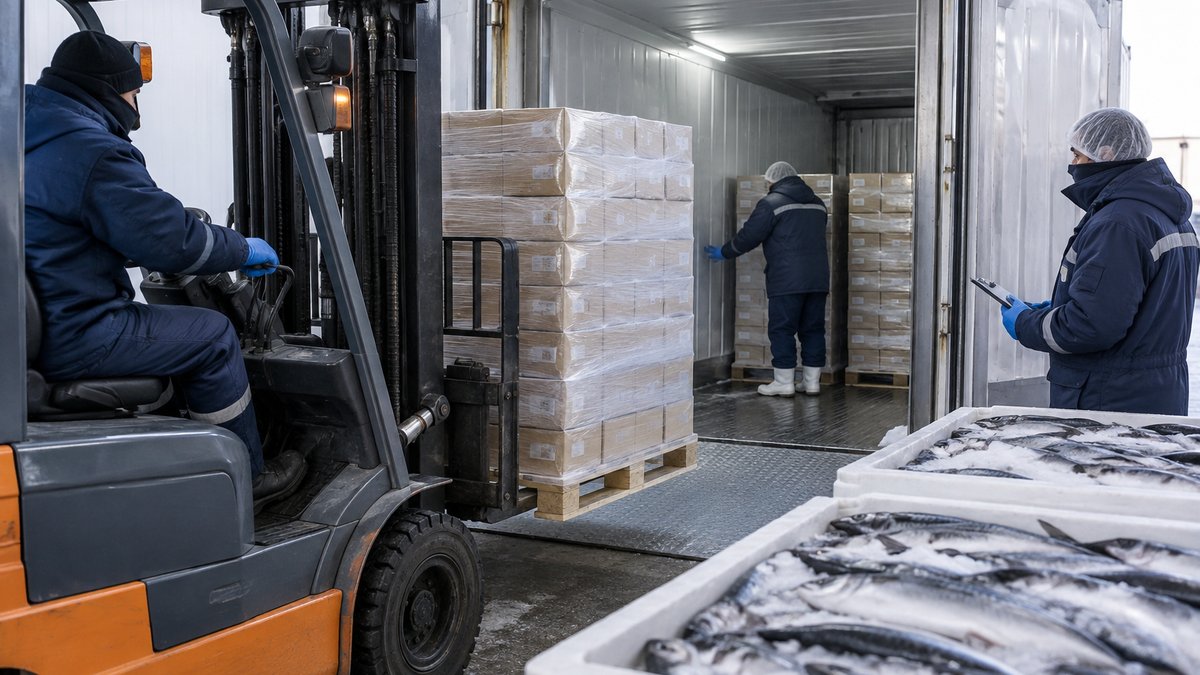
Choose frozen mackerel when your receiving site can maintain frozen storage and your distribution plan calls for frozen inventory. Before purchase, confirm that your facility can receive the shipment without a break in the frozen chain and that your logistics provider can meet the agreed temperature conditions.
Choose chilled mackerel when your business can receive and move the fish within the planned refrigerated distribution window. Confirm the route, receiving schedule, refrigeration capacity and product checks before agreeing on quantity. If a delay at port or at the buyer’s facility would leave the fish without suitable cooling, reconsider the shipment plan.
The word “fresh” also needs careful treatment in a contract. Under Codex terminology, fresh fish has received no preserving treatment other than chilling. In trade, however, product descriptions and local labeling rules may vary. If never-frozen status matters, write it as a requirement and ask for supporting product and handling information rather than assuming that “fresh” or “chilled” settles the question.
For either product, ask the supplier to identify the species, whole or processed form, size or count basis, catch or production details where relevant, packaging, net weight basis and origin. State the destination, delivery term and required arrival condition. Also agree how the parties will inspect the goods and record temperature at dispatch and receipt. The exact requirements depend on the destination’s rules and the buyer’s intended use.
Mackerel needs careful temperature management in both forms. The FDA identifies mackerel among fish associated with histamine formation and explains that freezing cannot eliminate histamine that has already developed. Buyers should assess the supplier’s handling controls and temperature records alongside the product’s appearance and packaging. For chilled fish, focus on prompt cooling and refrigerated transport; for frozen fish, check both pre-freezing handling and frozen storage.
Buying consideration: Before accepting either offer, write the required preservation state, any permitted previous freezing, temperature conditions, product form and inspection criteria into the purchase specification. Confirm that the supplier’s records and proposed shipping method match those terms.
5. Related Mackerel Sourcing Resources
A useful sourcing request names the preservation state and the product details that make offers comparable. If you are checking market availability, Freshdi lists frozen mackerel buying requests and frozen mackerel suppliers. Review each listing’s stated specifications and confirm current product, logistics and commercial details with the potential business partner.
References
1. Codex Alimentarius Commission – Code of Practice for Fish and Fishery Products, CXC 52-2003, 2003.
2. European Commission – Regulation (EC) No 853/2004 laying down specific hygiene rules for food of animal origin, 2004, consolidated text checked 2026.
3. U.S. Food and Drug Administration – Fish and Fishery Products Hazards and Controls Guidance, June 2022 Edition, June 2022.
4. U.S. Food and Drug Administration – Final Compliance Policy Guide for Scombrotoxin (Histamine)-forming Fish and Fishery Products, November 2024.
Disclaimer: This article is compiled from platform data, public sources and information provided by third parties, for general informational purposes only. We do not guarantee its accuracy or completeness. Please conduct your own due diligence before making business decisions.