
Introduction
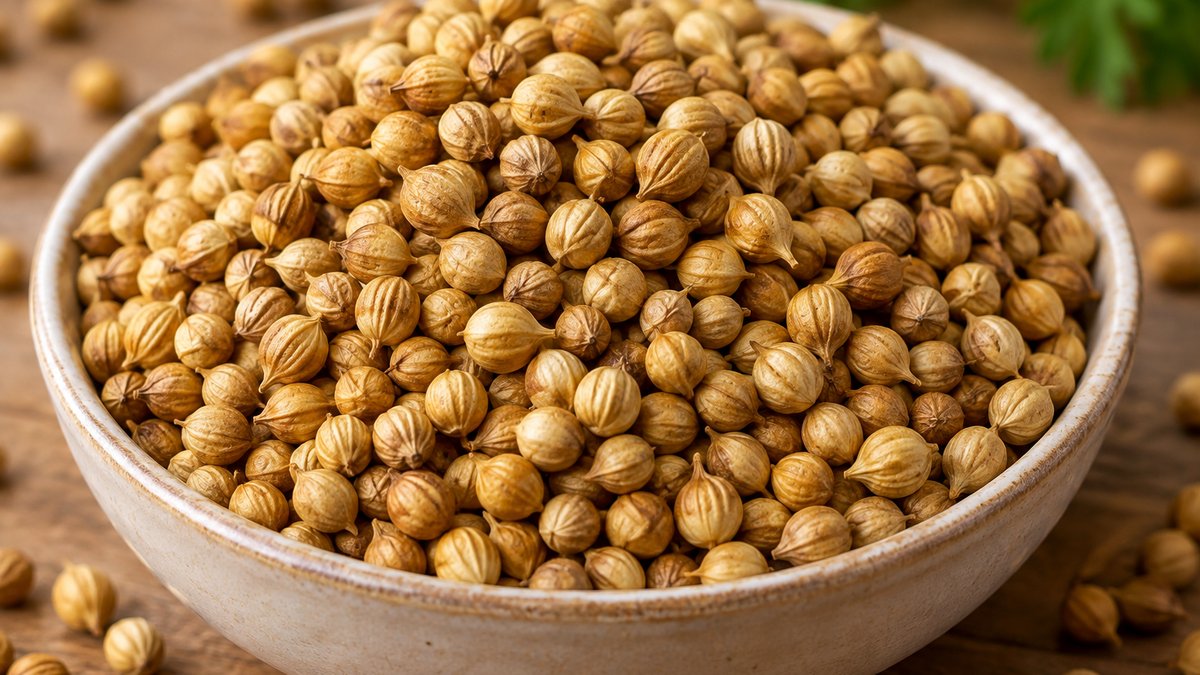
Whole and ground coriander come from the same dried spice, but they reach buyers in different physical forms. Whole coriander is the intact dried fruit, commonly called a seed in trade. Ground coriander is that material milled into powder. The difference affects how a buyer can use, inspect and specify the shipment.
Codex Alimentarius adopted its coriander standard, CXS 369-2026, in 2026. It recognizes whole, split, cracked or broken, and ground or powdered styles, with certain quality requirements varying by form. The standard covers coriander for direct consumption, food processing or repackaging, and excludes product intended for industrial processing. Standards and product definitions in this article were checked on 20 November 2026.
1. How whole and ground coriander differ
Whole coriander is the dried mature fruit of Coriandrum sativum L., supplied intact. Ground coriander is the same spice milled into powder. Codex CXS 369-2026 also recognizes split and cracked or broken forms, so a contract that says only “coriander seed” may leave the required style unclear.
The practical distinction is the condition in which the buyer receives the spice. A buyer purchasing whole coriander receives intact pieces; a buyer purchasing ground coriander receives a milled ingredient. The buyer should state the form in the product name and confirm that the specification, sampling method and acceptance criteria refer to that form.
The Codex limits above are specifications in an international standard, not a price grade or a guarantee that every importing country applies the same legal rule. CXS 369-2026 sets a 9% maximum moisture content for the forms shown and different minimum volatile-oil values for whole or split coriander and for cracked, broken, powdered or ground coriander. Buyers and sellers should confirm the standard’s product scope and the destination market’s applicable requirements before incorporating a limit into a contract.
The additive provision also needs careful reading. Codex CXS 369-2026 allows anticaking agents listed in the General Standard for Food Additives, CXS 192-1995, only in ground or powdered coriander that conforms to the coriander standard. A buyer who requires a product without added anticaking agents should state that condition and agree on a method for checking it.
A specification should identify the style explicitly: whole, split, cracked or broken, or ground or powdered. It should also state the botanical name, intended use, origin information, packaging and agreed quality limits. For ground coriander, the parties should define any required particle-size range or test method in the contract rather than assume that “powder” means a uniform fineness.
2. A sourcing example: buying whole or ground coriander
Consider a spice buyer sourcing coriander as an ingredient for a food product. The buyer can request whole coriander and arrange the grinding step within its own operation, or request ground coriander that arrives ready for use as a powder ingredient. These are different supply specifications, even when both products are derived from the same botanical source.
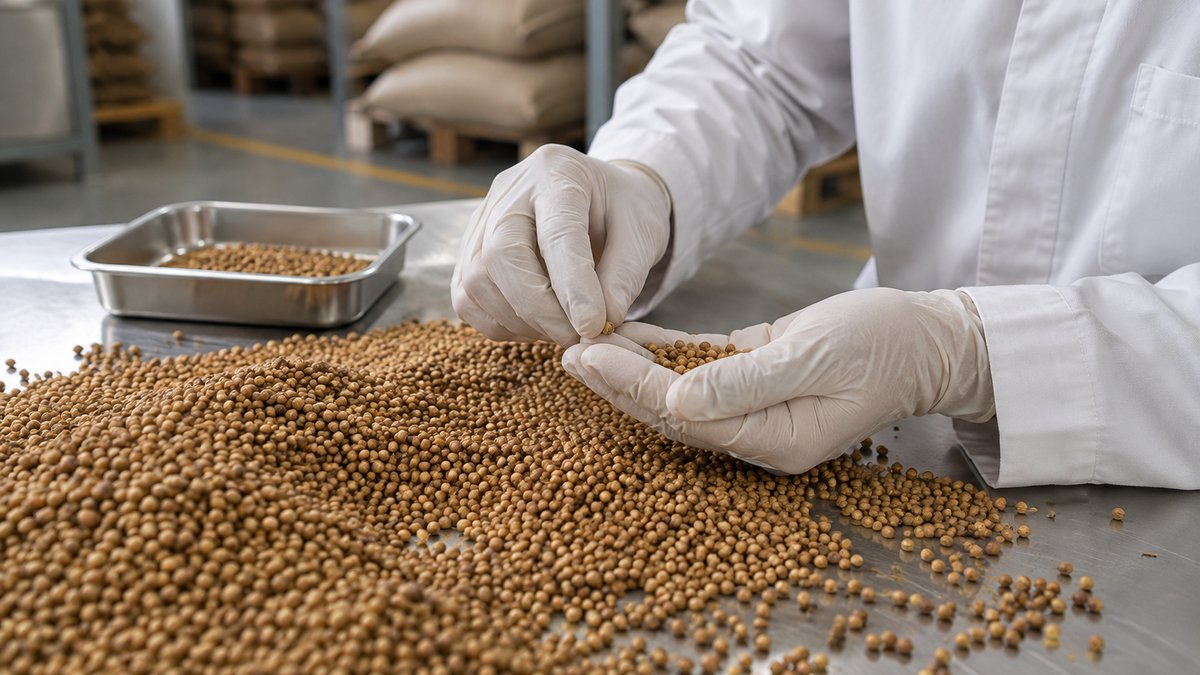
If the buyer requests whole product, the inquiry should say “whole dried coriander” and state whether split or damaged pieces are acceptable. The buyer can then specify the required moisture limit, foreign-matter tolerance, packaging and inspection basis. A visual sample can help confirm appearance, but the contract should say which agreed test or acceptance procedure governs a quality dispute.
If the buyer requests ground product, the inquiry should say “ground coriander” or “ground coriander powder.” The buyer should add any measurable particle-size requirement, the agreed test method, the applicable quality limits and whether anticaking agents are allowed. The parties should also agree how they will inspect the consignment and handle a result that falls outside the contract.
Illustrative inquiry format:
Product: Dried coriander, whole or ground as required
Style: State whole, split, cracked or broken, or ground/powdered
Quality: List agreed moisture, volatile-oil and foreign-matter requirements
Ground-product detail: State particle-size requirement and whether anticaking agents are permitted
Commercial details: State quantity, packaging, destination, delivery term and inspection basis
This is an illustrative inquiry format, not a universal coriander specification. Set each limit and test method to match the product, destination and contract.
The example avoids treating “whole” and “ground” as a quality ranking. The buyer is choosing a physical form and the associated specification. Price comparisons should use quotations that match in form, quality requirements, packaging, quantity and delivery basis.
Looking to Source Coriander Seed?
Connect with verified suppliers, discover matching products, and explore sourcing opportunities from global markets.
3. When should buyers choose whole or ground coriander?
Choose whole coriander when the required product is intact or when grinding is part of the buyer’s own process. Choose ground coriander when the buyer needs the spice in powder form for its stated application. The selection should follow the production step the buyer wants to receive, not an assumption that one form is inherently better.
3.1 Choose whole coriander when the contract calls for intact product
Whole coriander suits an inquiry where the buyer needs intact dried fruits for its own handling, processing or final use. It also gives the buyer the option to decide whether and when to grind the product. That choice does not establish any particular shelf life, flavour strength or price advantage; those claims require product-specific evidence and comparable commercial quotations.
For whole product, state whether the contract accepts only whole pieces or also allows split and broken material. Codex treats those as distinct styles. If the purchase specification requires whole coriander, the parties should make clear how they will classify and measure broken pieces rather than leave the matter to an informal visual judgment.
3.2 Choose ground coriander when powder is the required ingredient
Ground coriander fits a buyer’s requirement when its manufacturing or seasoning process calls for powder on receipt. The inquiry should define particle size if that property affects the buyer’s process. It should also identify any permitted additive, packaging and sampling conditions. Without those details, suppliers may quote products that all use the word “ground” but do not meet the same measurable requirement.
A useful commercial comparison includes the delivered product form and all agreed limits. Compare whole with whole, or ground with ground, using the same unit, packaging, quantity, delivery basis and quality method. A quotation for whole coriander cannot establish the price premium or saving for ground coriander unless the parties also define the processing and specification differences.
3.3 Set acceptance terms before placing the order
For either form, name the botanical product, the style, country of origin and any harvest information required by the contract. CXS 369-2026 specifies labelling provisions that include the product name and style; it also provides for declaration of the country of origin. Country of harvest, region of harvest and year of harvest are optional under the standard’s listed provisions. Importing-market rules and the buyer’s contract may set additional requirements.
Agree on the sampling plan, analytical methods and responsibility for testing before shipment. Codex points to its recommended methods of analysis and sampling, but a buyer should confirm the methods appropriate to the particular requirement. If buyer and supplier use different sampling procedures, they may obtain results that are difficult to compare during a claim.
The scope of CXS 369-2026 matters when the product is destined for industrial processing: the standard states that it excludes such product. In that case, buyer and supplier should identify the relevant legal and contractual specifications directly instead of assuming this consumer-oriented standard governs the transaction.
4. Related coriander resources for buyers and exporters
Codex Alimentarius Commission’s CXS 369-2026 is the main international reference used here for dried coriander styles and the standard’s quality and labelling provisions. It was adopted in 2026. Buyers should read the full standard alongside the destination country’s rules and the exact wording of their purchase contract.
ISO 2255:1996 also covers coriander in whole and ground or powdered forms. ISO’s catalogue states that the standard was last reviewed and confirmed in 2026, so that edition remains current. Its full specification is a separately published standard; this article relies only on the openly available catalogue description and does not reproduce its detailed requirements.
For sourcing, Freshdi’s coriander seed buying requests and supplier listings are places to review relevant B2B opportunities. Check each listing’s stated product form and specifications against your own requirements before comparing offers.
A complete inquiry makes the form unmistakable. State whole, split, cracked or broken, or ground/powdered; add the limits and test methods that apply; and make the shipment and packaging details explicit.
References
1. Codex Alimentarius Commission – Standard for Spices in the Form of Dried Seeds: Requirements for Coriander, CXS 369-2026, 2026.
2. International Organization for Standardization – ISO 2255:1996, Coriander (Coriandrum sativum L.), Whole or Ground (Powdered): Specification, 1996, confirmed 2026.
Disclaimer: This article is compiled from platform data, public sources and information provided by third parties, for general informational purposes only. We do not guarantee its accuracy or completeness. Please conduct your own due diligence before making business decisions.