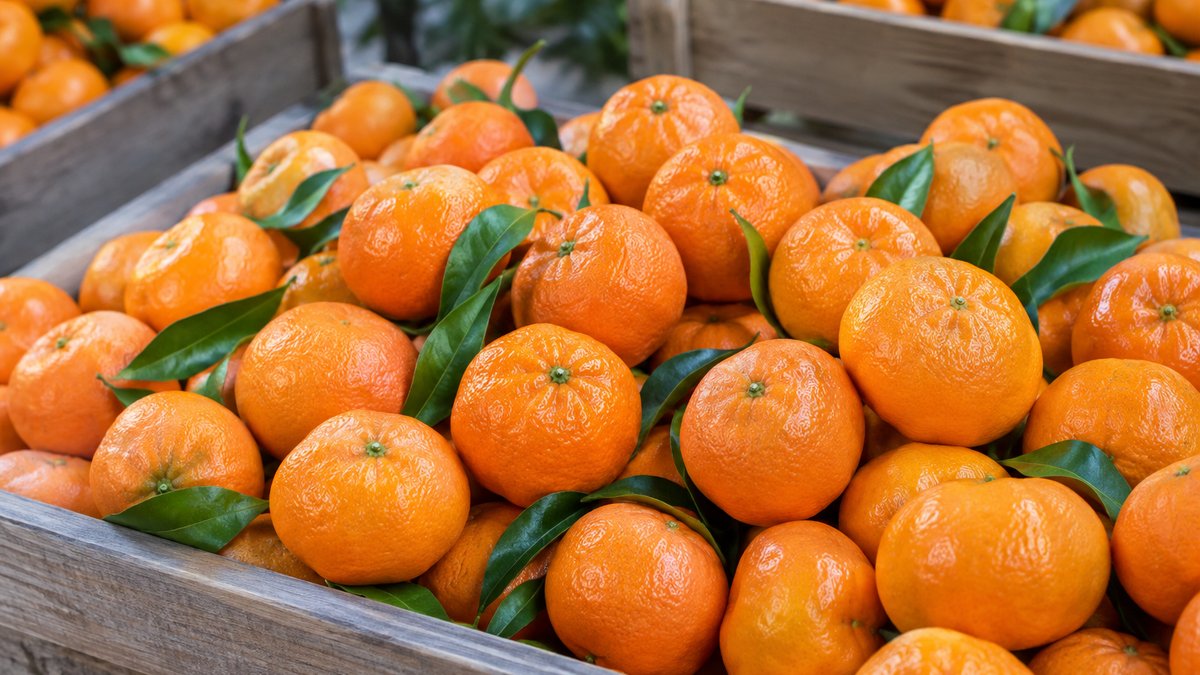

1. Fresh mandarins and clementines differ in scope, not as two equal categories
A clementine is a specific type within the broader mandarin group used in the European Union’s fresh-citrus marketing standard. That means “mandarin” and “clementine” are not always opposing product categories: the broader term can include clementines, while “clementine” identifies a more specific commercial type.
For buyers and exporters, the distinction affects how the product is named and which maturity thresholds apply under the EU standard. It does not, by itself, establish that one fruit is sweeter, seedless, easier to peel, or higher quality. Those characteristics depend on the variety, growing and handling conditions, and the buyer’s specification.
The Commission’s Delegated Regulation (EU) 2023/2429 covers fresh citrus supplied to consumers and groups mandarins grown from Citrus reticulata and related varieties or hybrids. It names satsumas, clementines, common mandarins and tangerines within that group. The regulation sets separate maturity requirements for clementines and other mandarin varieties.
So a buyer comparing a general offer for fresh mandarins with an offer for clementines should first confirm the variety or commercial type behind the broad label. Then compare size, maturity, grade, origin, packing and delivery conditions. Without those details, the two offer descriptions may not identify equivalent lots.
The terms also do not define the same thing as a grade. A variety or commercial type identifies what kind of citrus is being sold; a grade describes quality requirements under a particular standard. A contract should name both where the destination market or buyer requires them.
2. Comparison table: classification, maturity and purchase details
The EU marketing standard provides a useful direct comparison because it treats clementines as one named group within mandarins and gives them specific maturity thresholds. These figures apply to the standard’s scope for fresh citrus supplied to consumers in the EU; they are not universal specifications for every export destination.
The thresholds above come from the EU citrus marketing standard in Commission Delegated Regulation (EU) 2023/2429. The size figures describe the regulation’s size-tolerance provisions; they are not a general minimum fruit size for every commercial transaction. Buyers should check the full standard and the relevant contract terms before applying any threshold.
The labels used in other trade settings may group the fruit differently. For example, the U.S. Department of Agriculture’s November 2022 Section 32 purchase specification is titled “Mandarin Oranges and Tangerines.” That document is a federal procurement specification, not a universal rule for how every U.S. seller must name citrus. It illustrates why buyers should state the destination market and the applicable standard instead of relying on a product name alone.
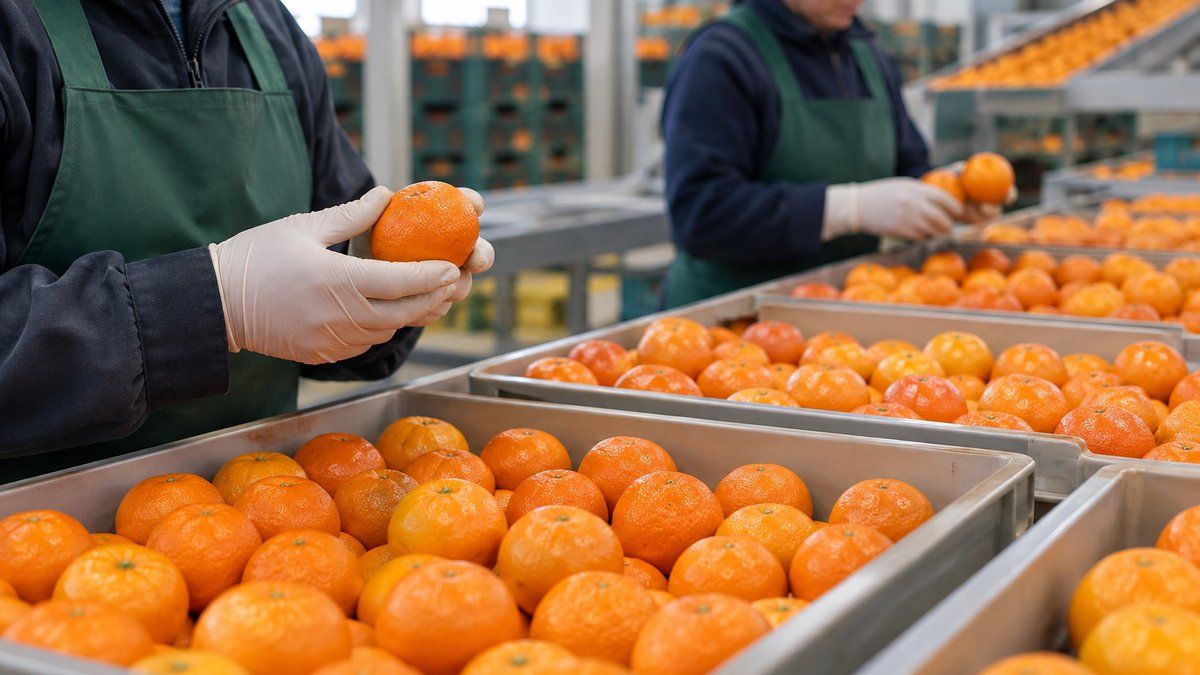
A commercial comparison should also separate identity from condition. Two cartons can both be described as clementines yet differ in variety, diameter range, maturity, class, pack style, origin, harvest period and arrival condition. A broad “fresh mandarin” description leaves still more room for variation because it can cover several types.
For a quotation comparison, ask each supplier to specify the variety or commercial type, the applicable grade or standard, size range and measurement basis, maturity requirements, pack configuration, net weight, origin and shipment terms. If the destination is in the EU, identify the applicable citrus marketing standard in the specification and have the supplier confirm the required presentation details.
3. Example situation: specifying fruit for an EU-bound order
A buyer sourcing citrus for EU retail receives one quotation for “fresh mandarins” and another for “clementines.” Before comparing prices, the buyer needs to establish whether the first offer is for clementines or another mandarin type. The names alone do not confirm that the products meet the same specification.
The buyer can ask both suppliers to identify the variety or commercial type and state the relevant maturity and sizing details. Under the EU standard, the thresholds differ: clementines have a 40% minimum juice content and a 7.0:1 minimum sugar-to-acid ratio; other mandarin varieties and hybrids have a 33% minimum juice content and a 7.5:1 ratio. Satsumas have their own listed values. Those thresholds are part of the EU standard, not a substitute for checking the destination’s current requirements.
Presentation details need the same care. For clementines, the EU standard requires the common name and makes the variety name optional; for other mandarins and hybrids, it requires the variety name. These name rules apply to the regulation’s presentation requirements, including cases where the produce is not visible from outside the package. The buyer should confirm which labeling and documentation obligations apply to the actual shipment.
The buyer can then compare like with like: fruit type, size range, class or agreed quality specification, packaging, net weight, origin, delivery term and inspection arrangements. If one supplier offers a named clementine variety and the other offers an unspecified mandarin type, the quotations are not yet directly comparable. The buyer should request the missing product details before selecting an offer.
Illustrative inquiry format:
Product: Fresh clementines, variety to be stated by supplier
Destination market: European Union
Maturity and size: Confirm applicable EU marketing-standard requirements and quoted size range
Packing: State pack style, units per carton and net weight
Commercial details: State quantity, shipment term, delivery schedule and inspection basis
This is an illustrative specification checklist, not a universal import requirement or a complete legal compliance list.
This example uses the EU because the comparison is based on its official citrus marketing standard. A buyer importing to another market should identify that market’s rules and contract requirements separately; the EU thresholds and naming provisions should not be treated as global requirements.
Looking to Source Fresh Mandarin?
Connect with verified suppliers, discover matching products, and explore sourcing opportunities from global markets.
4. When should buyers choose a clementine or another mandarin type?
Choose by the required commercial type and the buyer’s product specification, not by assuming the broad label guarantees a particular eating or handling trait. Clementine is the clearer choice when the buyer’s program, customer specification or contract explicitly calls for clementines. A broader mandarin specification can fit a program that accepts other named mandarin varieties, provided the buyer states which types are acceptable.
A retailer or importer that needs a consistent named product should request the variety or commercial type on the offer and shipment documents. That makes it easier to check whether the supplier has quoted the intended fruit and whether the package presentation follows the destination standard. For EU-bound citrus, the required variety or common-name detail differs between clementines and other mandarin types.
A buyer focused on maturity should compare the applicable maturity measures for the named type. The EU’s separate juice-content and sugar-to-acid thresholds show why a single generic “mandarin” requirement can be insufficient for a detailed EU specification. The buyer should also define how conformity will be assessed, including any agreed inspection method and the point at which the fruit is checked.
A buyer focused on size should write a range and measurement basis into the order rather than relying on “small,” “medium” or “large.” The EU standard has size provisions and distinct size-tolerance references for clementines and other mandarin categories. For the purchase itself, the contract should state the desired size range, allowed variation and how the supplier will identify sizes on the package.
If the buyer is open to different types, the contract can say so explicitly and list the acceptable alternatives. The buyer should then specify common quality and packing requirements that apply across those alternatives, while recording any type-specific maturity or labeling requirements separately. This avoids treating all fruit under the mandarin umbrella as interchangeable.
The supplier should confirm the variety or commercial type, origin, size, maturity basis, grade or quality terms, packaging, available quantity and expected shipping period. Buyers should also check whether the supplier’s quotation is for the same delivery basis, currency, net weight and destination as competing offers. Product identity is one part of a comparable quotation, not the complete specification.
5. Related resources for fresh mandarin sourcing
For EU-bound shipments, consult Commission Delegated Regulation (EU) 2023/2429 and verify the version and requirements applicable to the shipment date. The regulation covers fresh citrus supplied to consumers and sets classification, quality, sizing and presentation provisions. The EU thresholds discussed here are from that standard; they do not replace destination-specific customs, food-safety or contract checks.
For U.S. federal procurement context, USDA’s Section 32 Purchase Specification for Mandarin Oranges and Tangerines, dated November 29, 2022, describes requirements for that purchasing program. It should not be used as a substitute for checking the buyer’s commercial contract or the rules that apply to a different transaction.
Checked on 20 November 2026. Freshdi’s Fresh Mandarin buying requests and Fresh Mandarin supplier listings can help buyers and sellers review relevant B2B opportunities; confirm product specifications and commercial terms for each transaction.
References
1. European Commission – Commission Delegated Regulation (EU) 2023/2429, consolidated text, 2023; consolidated text dated 4 October 2025.
2. U.S. Department of Agriculture, Agricultural Marketing Service – Section 32 Purchase Specification for Mandarin Oranges and Tangerines, 29 November 2022.
Disclaimer: This article is compiled from platform data, public sources and information provided by third parties, for general informational purposes only. We do not guarantee its accuracy or completeness. Please conduct your own due diligence before making business decisions.