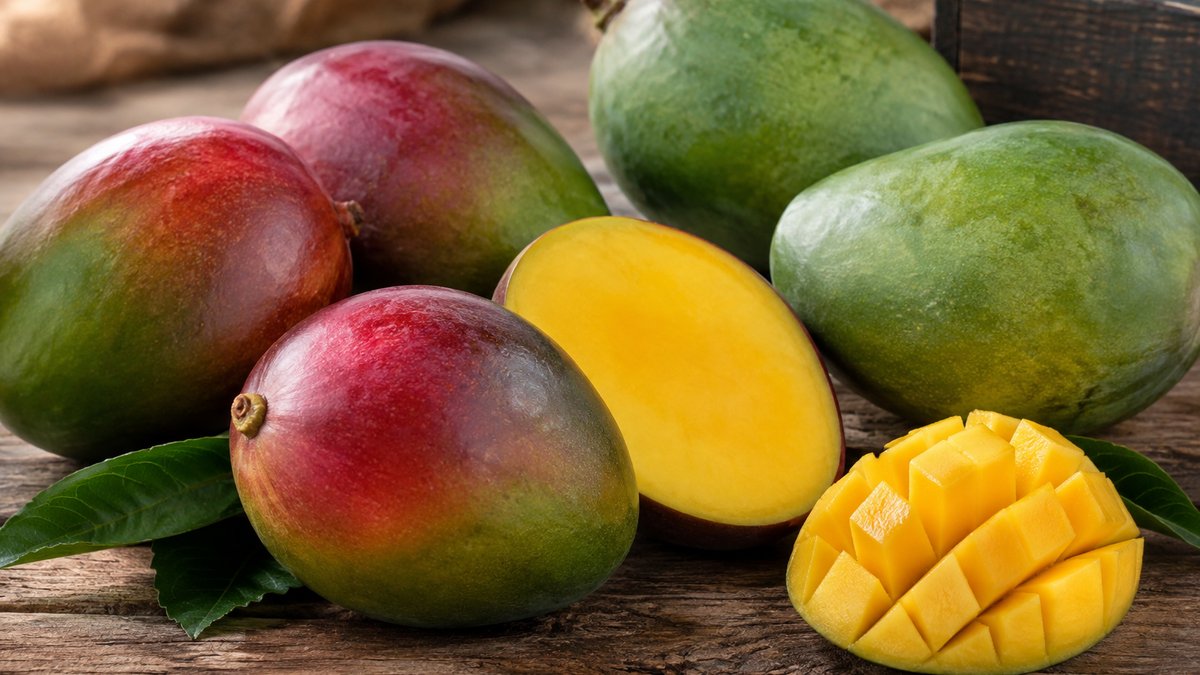

1. Kent and Keitt mangoes differ most in skin color, seasonal timing and the product cues buyers need to check.
Kent and Keitt are two fresh mango varieties with distinct commercial characteristics. Kent mangoes are commonly described as dark green with a dark red blush and juicy, sweet flesh. Keitt mangoes usually remain green when ripe and are described as firm and juicy. Those differences affect how buyers assess appearance and ripeness, but skin color alone cannot confirm a mango's maturity.
The National Mango Board's 2025 variety guide lists Kent's peak availability in December to February and June to August, while Keitt's peak is July to September. Those periods describe the guide's availability information, not a universal harvest calendar. Origin, growing conditions and the season being supplied can change when each variety is available.
For importers and exporters, the practical choice depends on the shipment's sales window, the buyer's intended use and the agreed product specification. Identify the variety by name, then confirm size, maturity, condition, packing and expected arrival quality with the supplier.
2. A side-by-side comparison separates Kent and Keitt traits from shipment specifications.
Kent and Keitt are cultivars of fresh mango, not grades. Their varietal descriptions can help buyers select a product, but the variety name does not set size, quality tolerances, maturity at loading or packaging.
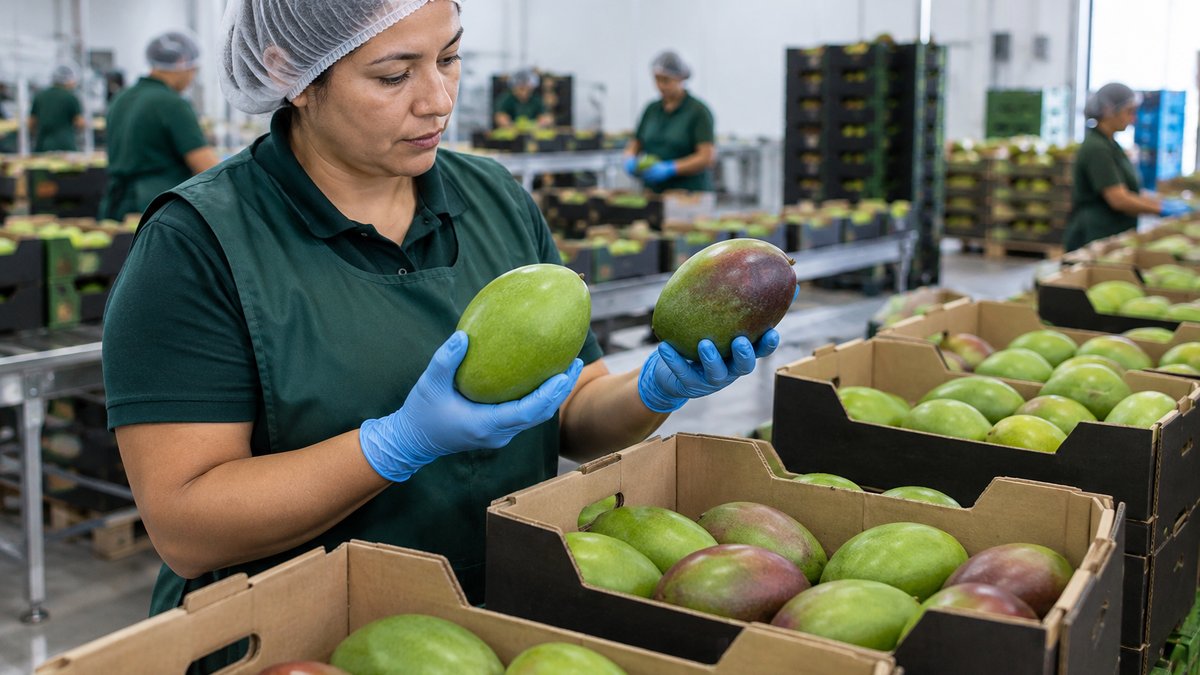
These are general descriptions, not acceptance criteria. The National Mango Board describes the varieties' typical appearance and eating characteristics. The USDA Agricultural Marketing Service's Tropical Products Transport Handbook also identifies both Kent and Keitt as larger mango varieties, but a buyer should use a contracted size range or count rather than treating that general description as a lot specification.
Maturity deserves particular attention. Keitt's green skin may persist when the fruit is ripe, so a visual color check alone can lead to a mistaken assessment. For either variety, buyers and suppliers should agree how maturity will be assessed and what condition the fruit must meet at dispatch and arrival. The applicable criteria depend on the shipment and the parties' contract.
A sound comparison also keeps like specifications together. A Kent quotation and a Keitt quotation are not directly comparable if they cover different sizes, maturity stages, packing, origins or delivery terms. Request those details alongside the variety name before comparing offers.
3. A sourcing scenario shows why the variety name needs to sit beside shipment requirements.
Consider an importer planning a fresh mango program for a defined selling period. The buyer is comparing a Kent offer with a Keitt offer and needs fruit that will arrive in an agreed condition. The variety choice is only one part of that decision: the buyer also needs to check timing, pack-out details and how the seller will describe maturity.
If the selling period overlaps the peak availability periods listed in the National Mango Board's 2025 guide, the buyer can ask suppliers about expected supply for that period. The guide lists different peak periods for Kent and Keitt, but it does not establish what a particular exporter can ship. Confirm the origin, crop timing and actual availability with the supplier.
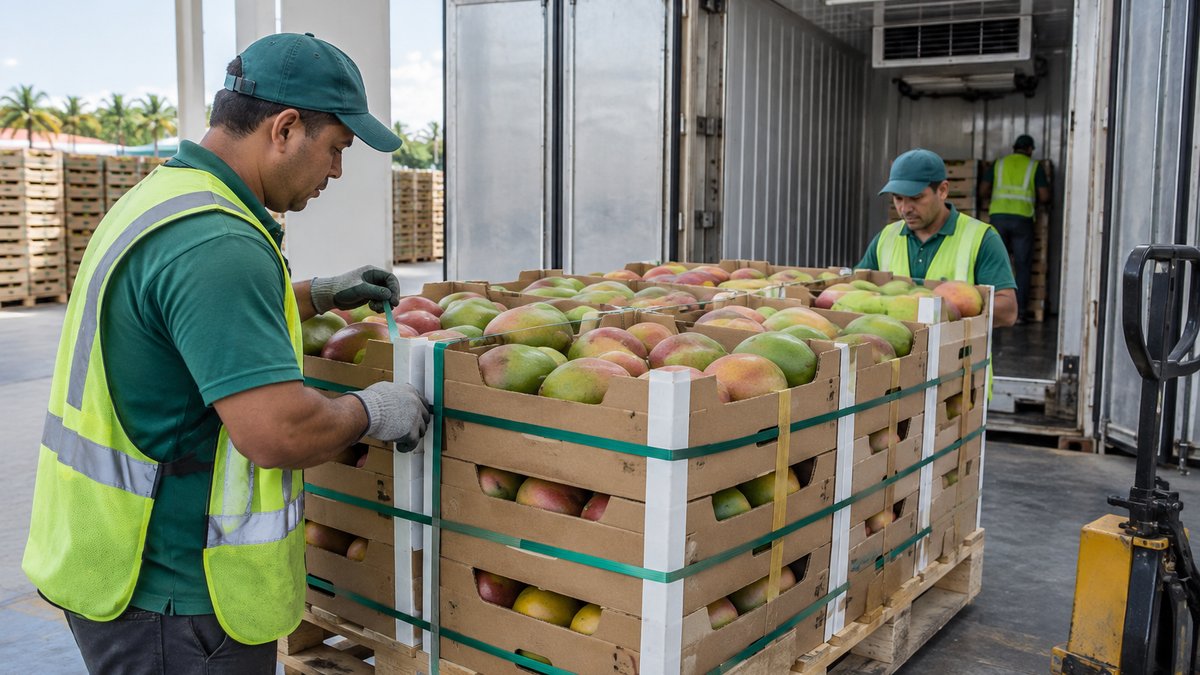
The importer can then compare offers using a written specification. For example, the inquiry can name the cultivar and request the supplier's proposed size range, packing details, maturity description, dispatch window and expected transport conditions. The buyer can set acceptance criteria for quality and condition at loading and arrival, then ask the supplier to confirm which points the offer meets.
This process helps avoid two common sourcing errors. A green Keitt should not be rejected as unripe based on skin color alone, and a Kent's red blush should not be treated as proof that it is ready for the buyer's intended distribution plan. The importer should assess each lot against agreed maturity and condition criteria.
The scenario is illustrative, not a prediction of availability or a universal buying specification. Origin, shipment timing and buyer requirements determine which details need to be fixed in the contract.
Looking to Source Fresh Mango?
Connect with verified suppliers, discover matching products, and explore sourcing opportunities from global markets.
4. Choose Kent or Keitt according to the selling window and the buyer's product requirements.
Kent may suit a program whose timing, target appearance and eating characteristics match the buyer's requirements. The National Mango Board describes Kent as juicy and sweet, with dark green skin and yellow flesh. Its 2025 guide lists peak availability in December to February and June to August.
Keitt may suit a program that requires a firm, juicy mango and can accommodate its typical green appearance, including when ripe. The same guide lists Keitt's peak availability in July to September. Buyers should still confirm current supply for the specific origin and shipment period rather than assuming that a guide's peak period guarantees export availability.
Neither cultivar is automatically the better commercial choice. A variety that matches a buyer's preferred appearance may not match the required arrival timing or availability. Conversely, a supplier's seasonal offer may be unsuitable if its size, maturity or packing differs from the buyer's agreed terms.
- Set the selling or processing window and identify the origin the supplier will ship from.
- Choose Kent or Keitt based on the buyer's product preferences and intended market.
- Specify size or count, packing format, maturity criteria and acceptable condition.
- Agree how quality will be assessed at loading and arrival, including any inspection process.
- Compare quotations only after confirming that the variety, quantity, specifications and delivery terms match.
Buying consideration: Before confirming an order, ask the supplier to state the cultivar, origin, size range, packing, maturity basis and shipment timing in the quotation or contract. For Keitt, make clear that green skin is not, by itself, an indication that the fruit is unripe.
5. Use variety references and supplier details to verify the mango specification.
The National Mango Board's variety guide provides descriptions of Kent and Keitt appearance, flesh and peak availability. The USDA Agricultural Marketing Service's Tropical Products Transport Handbook includes handling and transport information for mangoes, including the two varieties. Use these sources for general context, then confirm the terms that apply to the specific lot and destination.
When reviewing a supplier offer, check whether the quotation identifies the variety and origin, gives a usable size or count specification, and states packing and maturity expectations. If a detail is absent, request it before comparing the offer with another shipment.
Buyers and exporters can browse Fresh Mango buying requests and Fresh Mango suppliers on Freshdi to find relevant sourcing listings.
References
1. National Mango Board – Mango Varieties and Availability, 2025.
2. National Mango Board – Mango Varieties & PLU Codes, 2026.
3. USDA Agricultural Marketing Service – Tropical Products Transport Handbook, 2008.
Disclaimer: This article is compiled from platform data, public sources and information provided by third parties, for general informational purposes only. We do not guarantee its accuracy or completeness. Please conduct your own due diligence before making business decisions.