
1. Pork belly and pork shoulder differ by carcass location and cut format
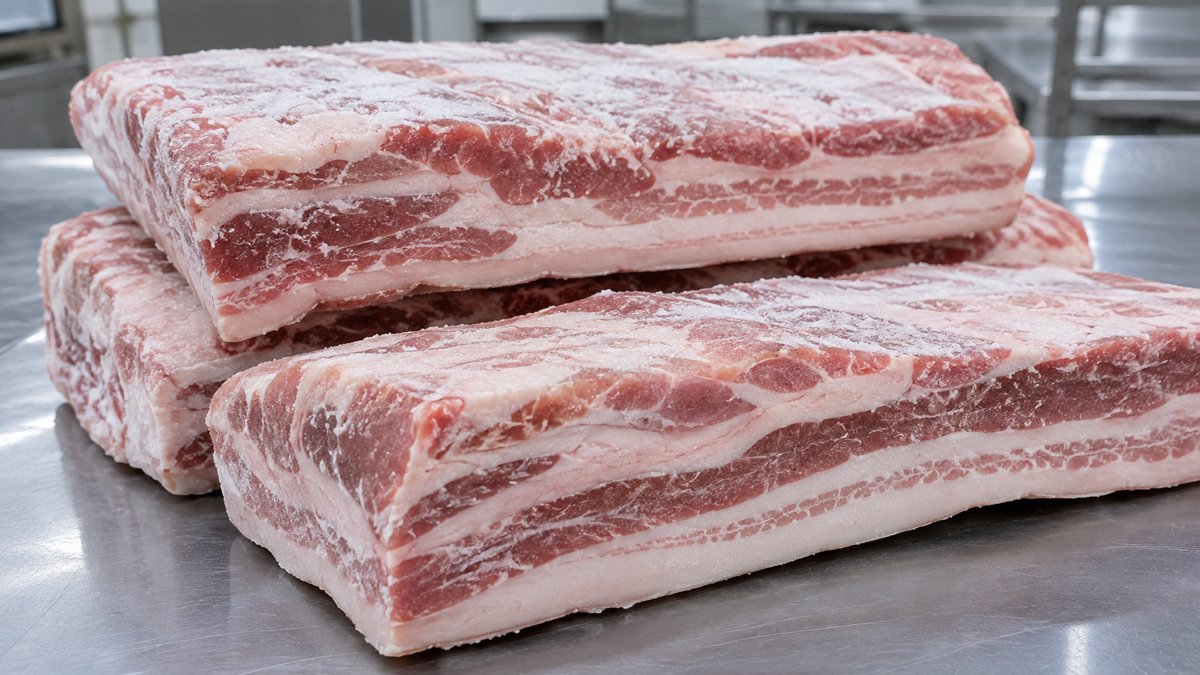
Frozen pork belly and frozen pork shoulder come from different parts of the carcass and suit different product plans. Belly is the section separated from the shoulder, leg and loin; shoulder is the forequarter that can be sold as several cuts, including blade and picnic portions. The cut name identifies the part of the animal, while details such as bone, skin, trim and packaging still need to be agreed.
For an importer, the first distinction is the intended product. Belly may be purchased as a slab or as a defined belly cut for slicing, further processing or foodservice. Shoulder may be purchased bone-in or boneless, whole or divided into smaller cuts, depending on the buyer’s processing line and sales channel. Neither name alone states a complete frozen-product specification.
The Canadian Food Inspection Agency’s pork cuts manual defines belly by its separation from the shoulder, leg and loin, and lists side ribs and boneless side among its components. Its manual divides shoulder into cuts that include the blade and picnic. UNECE’s 2018 porcine-meat standard also describes cuts using defined specifications and purchaser options. These references help establish a shared vocabulary, but the buyer and supplier should still agree on the exact cut description for each order.
The word “frozen” describes the product’s storage condition, not its cut or preparation. It does not say whether the meat is bone-in, skin-on, trimmed, sliced, individually quick frozen or packed in blocks. Importers comparing offers need those details before treating two quotations as equivalent.
2. The comparison depends on cut boundaries and the buyer’s specification
Belly is a carcass section; shoulder is a forequarter that can be supplied in more than one cut configuration. The table compares the usual distinction, but the final contract should name the specific presentation and trim.
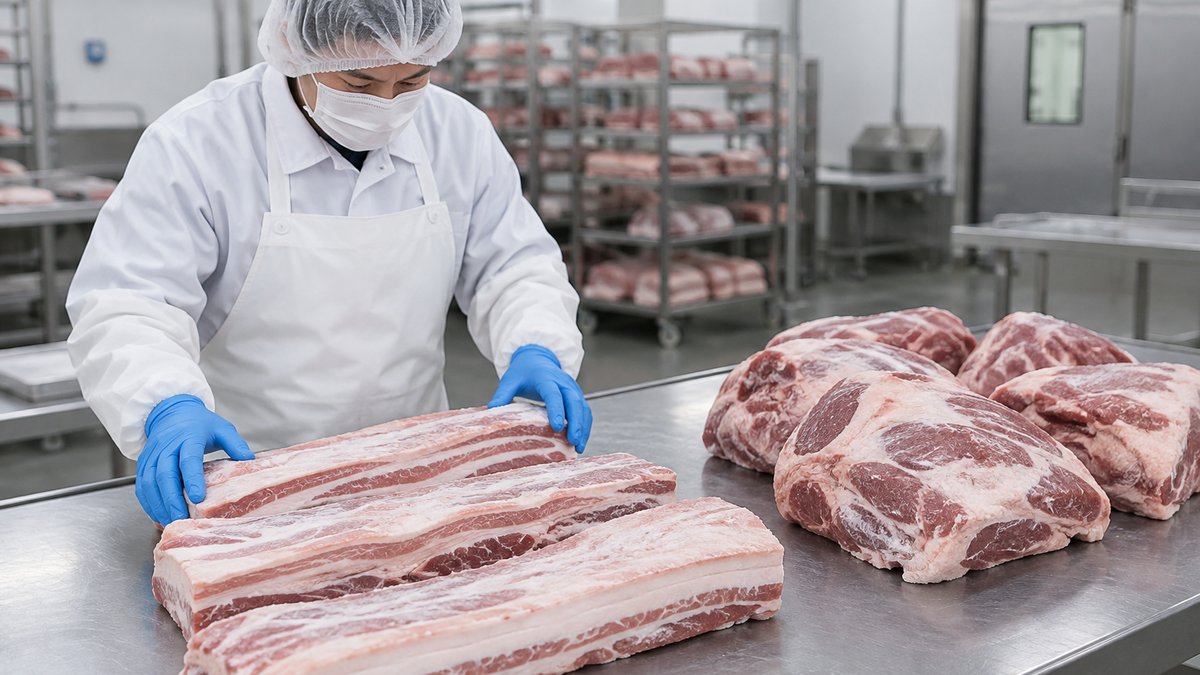
The Canadian Food Inspection Agency describes boneless belly as the side with the side ribs removed and lists side ribs separately. Its shoulder diagram includes blade and picnic cuts. UNECE’s standard sets out cut descriptions and purchaser options, including choices that affect presentation. Those distinctions matter when a supplier’s commercial name does not match the buyer’s internal cut code.
Food use gives a practical starting point, not a complete buying specification. The National Pork Board describes belly as a cut used for bacon and other preparations such as roasting, smoking and searing. It describes shoulder as suitable for braising, smoking, roasting, grilling and slow cooking. The final use depends on the specific cut, processing method, recipe and equipment.
A buyer should also separate cut specifications from frozen-product requirements. Ask suppliers to state the product temperature at dispatch, package format, net and gross weight basis, carton configuration, lot identification and the storage conditions they require. Confirm the applicable import and food-safety rules with the destination authority; requirements depend on the importing country and the product’s processing and packaging.
3. A quotation comparison works only when the requested cuts match
Consider an importer comparing two offers for a food-processing operation. One supplier quotes frozen pork belly, while another quotes frozen pork shoulder. The prices alone cannot show which offer fits the buyer’s production plan because the products differ by carcass section and may differ in bone, skin, trim, piece size and processing yield.
The importer should first decide whether the intended output requires belly or shoulder. If the production plan calls for belly, a shoulder quotation is not a substitute simply because both products are frozen pork. The buyer can then request the same information from each supplier and compare only offers that meet the required cut and presentation.
Illustrative frozen pork inquiry format:
Product: Frozen pork belly or frozen pork shoulder, with the exact cut named
Cut and presentation: Specify bone-in or boneless, skin-on or skinless, and required trim
Dimensions: State target piece weight, thickness or dimensions and acceptable tolerance
Packing: State pack weight, carton configuration and labeling requirements
Shipment: State order quantity, destination, requested delivery term and schedule
Documents: List destination-market documents and certificates that apply to the shipment
This is an illustrative inquiry format, not a universal frozen pork specification. Set the cut and tolerances to match the product and destination requirements.
After receiving offers, the importer can compare the same commercial basis: product cut, bone and skin status, trim, weight basis, packing, delivery term and shipment schedule. If one quote covers boneless belly and another covers bone-in shoulder, those offers describe different products. Request a revised quotation against the agreed specification before judging the price difference.
The buyer should also request product documentation that identifies the establishment, lot and product description, then check that the documents match the contract and shipping papers. Any inspection or sampling plan should be agreed before shipment, including who arranges it and which specifications the inspector will verify.
Looking to Source Frozen Pork?
Connect with verified suppliers, discover matching products, and explore sourcing opportunities from global markets.
4. Choose belly for belly-based products and shoulder for shoulder-based products
Choose frozen pork belly when the production plan specifically calls for belly, such as bacon manufacture, belly slices or a belly-based menu item. Choose frozen pork shoulder when the required output uses a shoulder cut, such as a shoulder roast or a product made through braising, smoking or slow cooking. The cut should follow the end product’s formulation and process.
Belly buyers should set out the required rind or skin condition, fat trim, bone status, dimensions and piece-weight range. These attributes can change the amount of usable product and the work needed before processing. A general request for “pork belly” may leave suppliers uncertain about whether the buyer wants a whole side, boneless side, ribs included or a more closely trimmed presentation.
Shoulder buyers should name the portion rather than relying on “pork shoulder” alone. Ask whether the offer is a blade, picnic or another defined shoulder cut, then specify bone-in or boneless, skin condition and trim. The Canadian Food Inspection Agency’s cut descriptions show why the distinction matters: a shoulder can include several separately named portions.
A buyer choosing between them should consider the processing line, labor, usable yield and customer demand. For example, a bacon manufacturer’s recipe calls for belly specifications, while a processor producing a shoulder-based cooked product needs a shoulder specification. Product names do not establish the final yield or processing performance; those depend on the exact cut and the buyer’s process.
- Start with the finished product and identify the carcass section it requires.
- Name the cut using a recognized description or attach a cut specification that both parties accept.
- State bone status, skin or rind condition, trim, piece dimensions and weight range.
- Describe freezing and packing requirements separately from the cut description.
- Ask suppliers to confirm deviations in writing before comparing quotations or approving shipment.
If the supplier uses a different regional name, ask for a cut diagram or written boundary description and compare it with the agreed specification. A familiar name can refer to a different portion or preparation across markets. Resolve that difference before contract signing, not after the goods arrive.
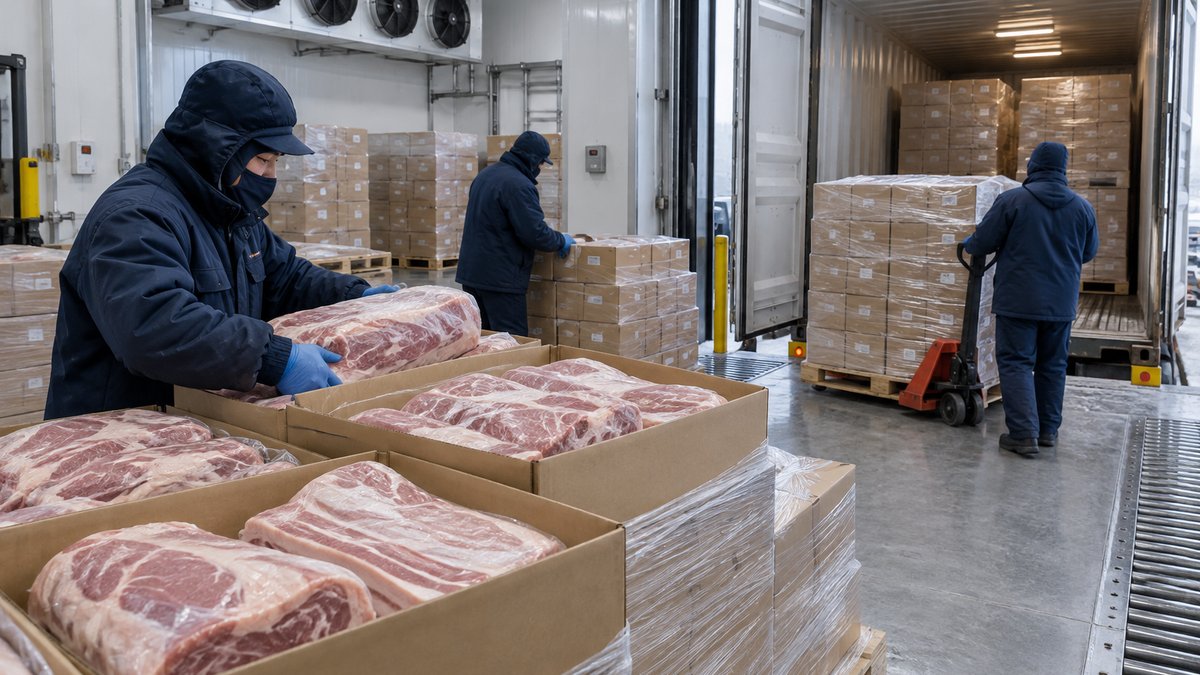
For frozen product, packaging and temperature history also affect the condition on arrival. USDA’s Food Safety and Inspection Service notes that food kept frozen at 0°F or below remains safe indefinitely, although quality can decline during lengthy storage. Its guidance on freezer burn explains that air exposure can dry the surface. Importers should use the supplier’s validated storage and transport instructions and check the shipment’s packaging and temperature records against the contract.
5. Use cut standards and product listings to define the next sourcing step
Importers can use the Canadian Food Inspection Agency’s pork cuts manual and UNECE’s Porcine Meat standard to compare cut names and descriptions. These references support clearer specifications; they do not replace destination-market rules, the buyer’s contract or an agreed product drawing. The UNECE standard dates from 2018, so buyers should confirm whether a later edition or a national standard applies to their transaction.
For frozen-product handling, USDA FSIS provides consumer-facing guidance on storage, packaging and freezer burn. Its recommendations are useful background, but commercial shipments must follow applicable importing-country requirements and the handling conditions specified for the shipment. Check the source jurisdiction before applying any regulatory instruction to a different market.
Once the cut and shipment requirements are clear, importers can review Frozen Pork buying requests on Freshdi for stated product needs. Compare each request with the product specification you can meet, and verify commercial details through the normal due-diligence process.
References
1. Canadian Food Inspection Agency – Pork: Meat Cuts Manual, n.d..
2. United Nations Economic Commission for Europe – UNECE Standard for Porcine Meat: Carcases and Cuts, 2018.
3. National Pork Board – Pork Belly, n.d..
4. National Pork Board – Pork Shoulder, n.d..
5. USDA Food Safety and Inspection Service – How Long Can Meat and Poultry Be Stored in Various Packaging?, 2024.
6. USDA Food Safety and Inspection Service – What Is Freezer Burn?, 2025.
Disclaimer: This article is compiled from platform data, public sources and information provided by third parties, for general informational purposes only. We do not guarantee its accuracy or completeness. Please conduct your own due diligence before making business decisions.