
Introduction
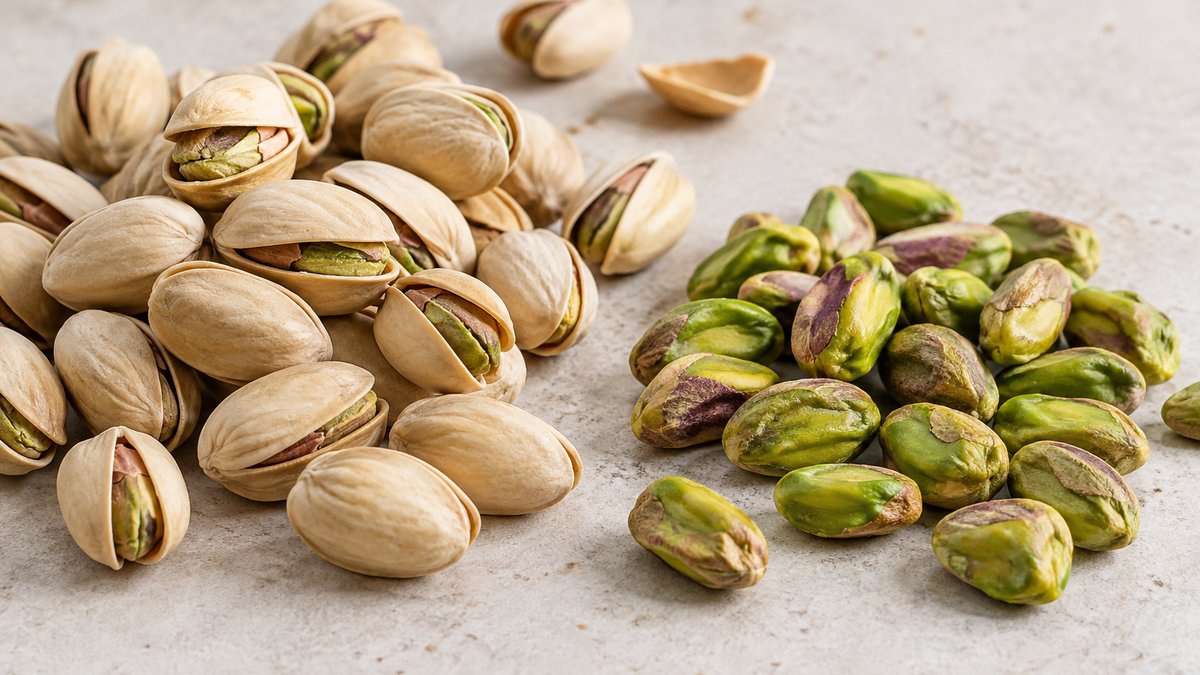
In-shell pistachios arrive with the edible kernel enclosed in its shell; pistachio kernels are removed from the shell before sale. That difference changes what the buyer receives, how the lot should be specified and where the product can be used.
For importers, the choice often comes down to the next step in the supply chain. A roaster or retailer selling snack nuts may want in-shell product, while a processor making ingredients may need kernels ready for sorting, packing or further production. Grade, size, processing, food-safety rules and delivery terms still need to be agreed for either form.
1. In-shell pistachios retain the shell, while kernels arrive ready for ingredient use
The main difference is the product form at delivery. In-shell pistachios include the shell around each kernel; pistachio kernels, also called shelled pistachios, have been removed from that shell. The words describe presentation, not a complete quality grade or processing specification.
Both forms can be sold raw or processed, depending on the product and contract. The Codex standard for unshelled pistachio nuts covers natural or processed product, including raw or roasted styles and optional salted or lime-juice-treated sub-styles. USDA’s separate U.S. standards also cover raw, roasted, salted or salted-and-roasted in-shell pistachios and kernels. Buyers should therefore name the form and separately state whether they need raw, roasted, salted, blanched or another specified product.
The shell changes the buyer’s work after arrival. In-shell product suits a buyer whose next step includes selling or serving whole nuts, or cracking them as part of its own operation. Kernels remove that cracking step and can enter ingredient handling directly. They may still need further sorting, roasting, chopping, grinding or packing, so “kernel” does not mean the product is fully processed for a particular recipe.
The two forms also require different inspection language. An in-shell lot can be evaluated for shell condition, opening, size and kernel condition. For kernels, inspection focuses on the kernels themselves, including whole or broken form, size, defects and foreign material. USDA publishes separate grade standards for in-shell pistachios and shelled pistachio nuts, reflecting these different points of inspection.
Neither form is automatically higher quality or less expensive. A price per kilogram compares the delivered product weight, not necessarily the quantity of usable kernel a buyer obtains from in-shell nuts. Buyers comparing offers should first confirm equivalent product attributes and decide how they will evaluate cracking yield, labor and downstream processing in their own operation.
The distinction does not replace destination-market food rules. Importers should confirm applicable contaminant limits, sampling, testing, documentation and labeling requirements for their destination and intended use. For example, U.S. requirements for imported pistachios include aflatoxin testing and certification; the relevant procedure depends on the applicable U.S. rules. The European Union sets maximum aflatoxin levels for pistachios in its contaminant legislation. These are market-specific requirements, not universal commercial grades.
2. Compare the delivered form, inspection points and intended use
A useful comparison starts with what the importer will receive and what must happen before the product can be sold or used. The specifications below describe common commercial distinctions. They do not replace a contract specification or the importing country’s regulations.
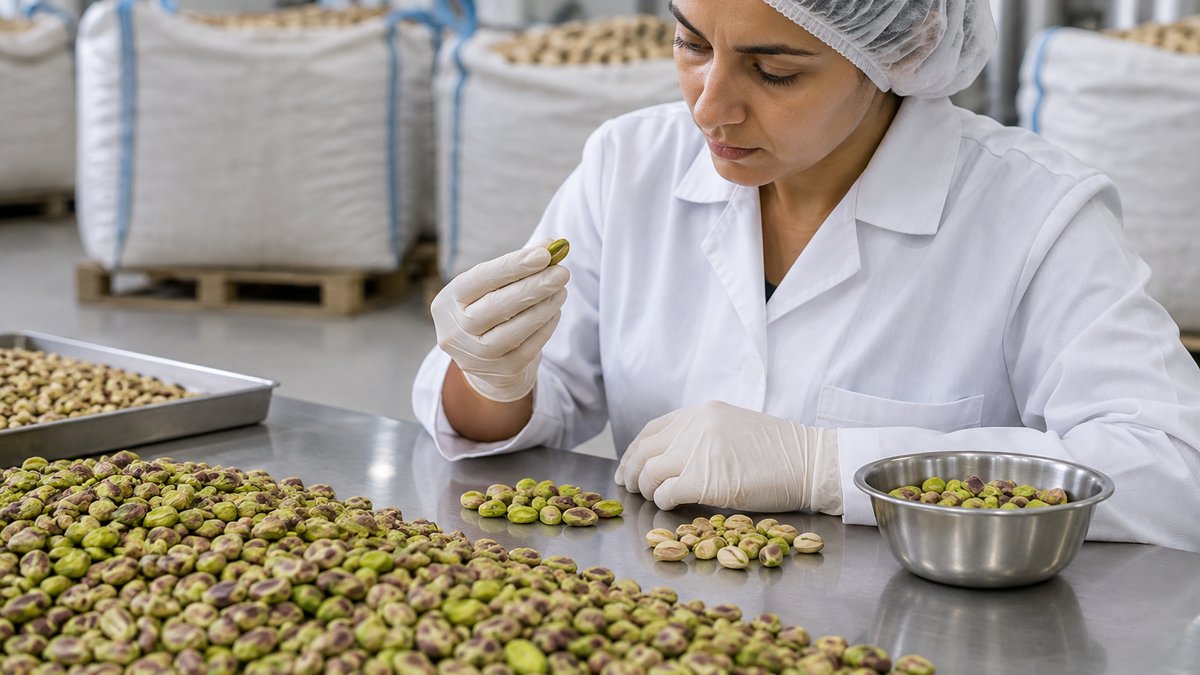
The inspection terms should fit the selected form. USDA’s in-shell standard addresses shell defects such as non-split shells and shell staining, alongside kernel defects. Its shelled-kernel standard addresses foreign material, including shell fragments, and kernel defects. A buyer asking for kernels should define the acceptable proportion of whole, split or broken pieces when appearance or production performance depends on it.
Size language also differs. The USDA in-shell standard uses a round-hole screen measurement for minimum size. Its kernel standard provides classifications such as jumbo whole kernels, large whole kernels, large split kernels, and whole and broken kernels. Buyers using a different grading system should identify that system and explain the required tolerance rather than assuming that a size term means the same thing across suppliers.
A grade name alone may not provide enough detail for a purchase. USDA’s grade standards address specified quality factors, but the buyer still needs to state the required product form and other contract attributes. A supplier quotation should make clear whether pistachios are raw or roasted, salted or unsalted, and whole or broken where relevant. Buyers should also agree packaging, net weight, tolerances, inspection method and delivery terms.
Food-safety evidence must be assessed separately from appearance and grade. Request the documents and test results required for the destination, product condition and transaction. A grade label does not by itself establish compliance with every importing-market rule, and a general certificate list does not confirm that a specific lot meets the buyer’s requirements.
Buying consideration: Before comparing quotations, write one specification for the exact form you want. If comparing in-shell nuts with kernels, ask suppliers to quote the two forms separately and state the inspection basis, product condition, packaging and any agreed test requirements for each.
Looking to Source Pistachio?
Connect with verified suppliers, discover matching products, and explore sourcing opportunities from global markets.
3. A snack importer and an ingredient buyer need different specifications
Consider two illustrative import orders. A retailer planning to sell pistachios as snack nuts may request in-shell product. A food manufacturer planning to add pistachios to a recipe may request kernels. Those buyers are choosing different delivered forms because their next production or selling steps differ.
Illustrative inquiry formats:
Snack-nut order: In-shell pistachios; state raw or roasted and salted or unsalted; define size, shell and defect tolerances, packaging and destination-market requirements
Ingredient order: Pistachio kernels; state whole, split or broken form; define size, color and defect tolerances, raw or processed condition, packaging and destination-market requirements
These examples show specification fields to discuss. They are not universal grades, legal requirements or quotations.
The snack buyer should confirm whether the requested lot is naturally opened or artificially opened if that distinction matters to the product presentation. The buyer can also set requirements for blanks, shell appearance, size and the condition of the kernel inside. If the product will be sold roasted or salted, state that processing requirement and agree who is responsible for it.
The ingredient buyer should identify the kernel form required by the production line. A request for whole kernels may suit a product where visible pieces matter; a request for broken kernels may suit a process that chops or grinds the ingredient. The buyer should state any required color range and defect limits, since the broad term “pistachio kernels” does not specify those properties.
Both buyers should agree how the delivered lot will be checked. Set the sampling and inspection method, the documents to accompany the shipment, acceptable tolerances and the process for handling a result outside specification. For food-safety testing, verify the destination’s current rules and the test documentation required for the lot.
The inquiry should also distinguish product requirements from commercial terms. Quantity, package size, shipment schedule, delivery term and destination port belong in the request, but they do not define pistachio quality. Keeping those items separate makes it easier to compare suppliers on like-for-like product specifications and then assess the commercial offer.
4. Choose in-shell pistachios for shell-on sales and kernels for direct ingredient handling
Choose in-shell pistachios when the intended product is sold or served with the shell, or when the buyer has a cracking operation and wants to manage that step. Specify shell presentation, size, defects, kernel condition and processing state. The USDA standard’s separate treatment of in-shell attributes illustrates why shell condition belongs in the purchase specification.
Choose pistachio kernels when the next operation needs edible kernels without cracking whole nuts first. State whether the order requires whole, split or broken kernels and identify size, color, defect and foreign-material tolerances. Confirm any further processing required before the kernels can enter the buyer’s line.
Compare the total handling required, not just the quote per kilogram. For in-shell product, the buyer’s own process determines how much work is needed to crack and sort the lot. For kernels, the quotation covers a product from which the shell has already been removed, but the buyer may still need to sort or process it. Use agreed inspection results and the intended application when comparing the offers.
Use a specific purchase description rather than relying on a short label. For example, a request should identify “in-shell pistachios” or “pistachio kernels” first, then add the required style, size or kernel form, grade reference, tolerances, packaging and shipment details. If a reference standard is used, name the standard and the edition or revision that the parties have agreed to apply.
Finally, check that the chosen form fits the destination and intended use. Confirm current food-safety requirements, including any aflatoxin controls, before the contract is finalized. Requirements can differ by market and product category, so buyers should not copy a limit or certificate requirement from another destination without checking its scope.
5. Use recognized standards and market rules to complete the specification
Two useful references are USDA’s separate grade standards for in-shell pistachios and shelled kernels, and the Codex standard for unshelled pistachio nuts. UNECE also publishes a standard for pistachio kernels and peeled pistachio kernels. These references help define product and quality language; they do not automatically become mandatory in every sale. The parties should state which standard, if any, governs their contract.
Importers should pair a quality reference with the rules of the destination market. USDA provides requirements for imported pistachios that include aflatoxin testing and certification. EU contaminant legislation specifies aflatoxin maximum levels for pistachios and related product categories. Check the current legal text and its product scope before relying on a particular requirement.
Freshdi’s Pistachio buying requests and Pistachio suppliers can help buyers and sellers find relevant B2B listings. Review each listing’s stated product form and commercial details, then verify the specification, documents and terms for the transaction.
References
1. USDA Agricultural Marketing Service – Pistachios in the Shell Grades and Standards, Accessed 18 November 2026.
2. USDA Agricultural Marketing Service – United States Standards for Grades of Shelled Pistachio Nuts, Current standard; accessed 18 November 2026.
3. Codex Alimentarius Commission – Standard for Unshelled Pistachio Nuts, CXS 131-1981, Amended 2023.
4. United Nations Economic Commission for Europe – Standard for Pistachio Kernels, DDP-10, 2010; accessed 18 November 2026.
5. USDA Agricultural Marketing Service – Importing Pistachios, Current page; accessed 18 November 2026.
6. European Union – Commission Regulation (EU) 2023/915 on maximum levels for certain contaminants in food, 2023.
Disclaimer: This article is compiled from platform data, public sources and information provided by third parties, for general informational purposes only. We do not guarantee its accuracy or completeness. Please conduct your own due diligence before making business decisions.