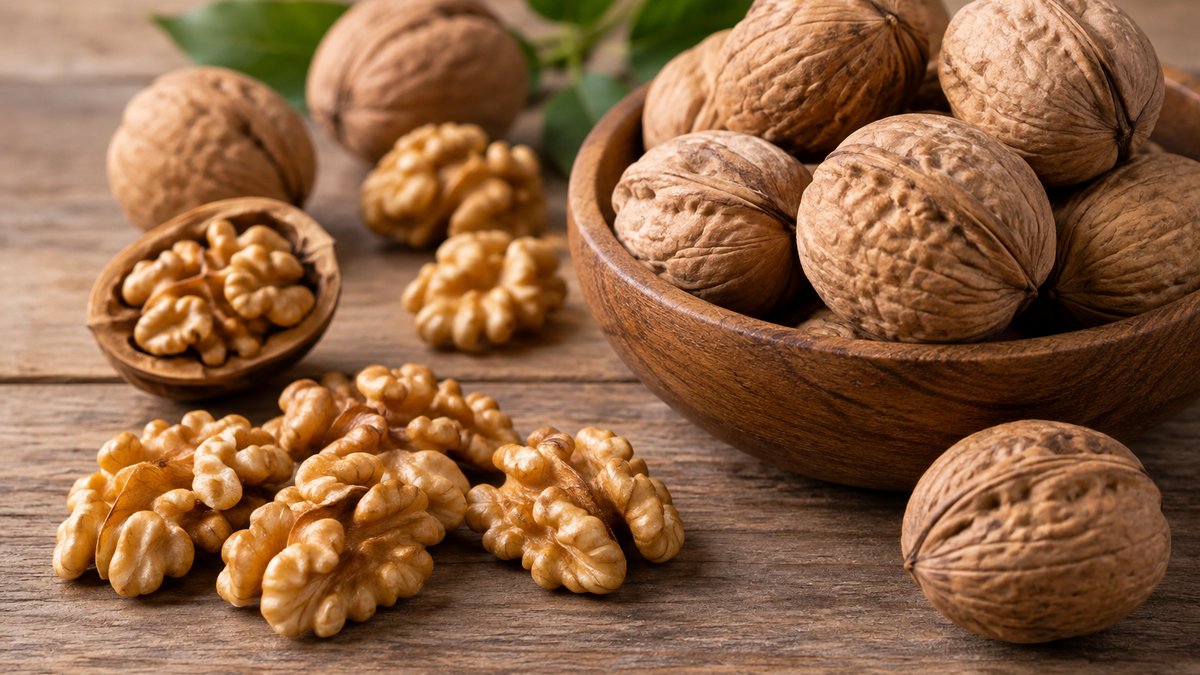

1. In-shell walnuts retain the shell; walnut kernels are shelled edible portions
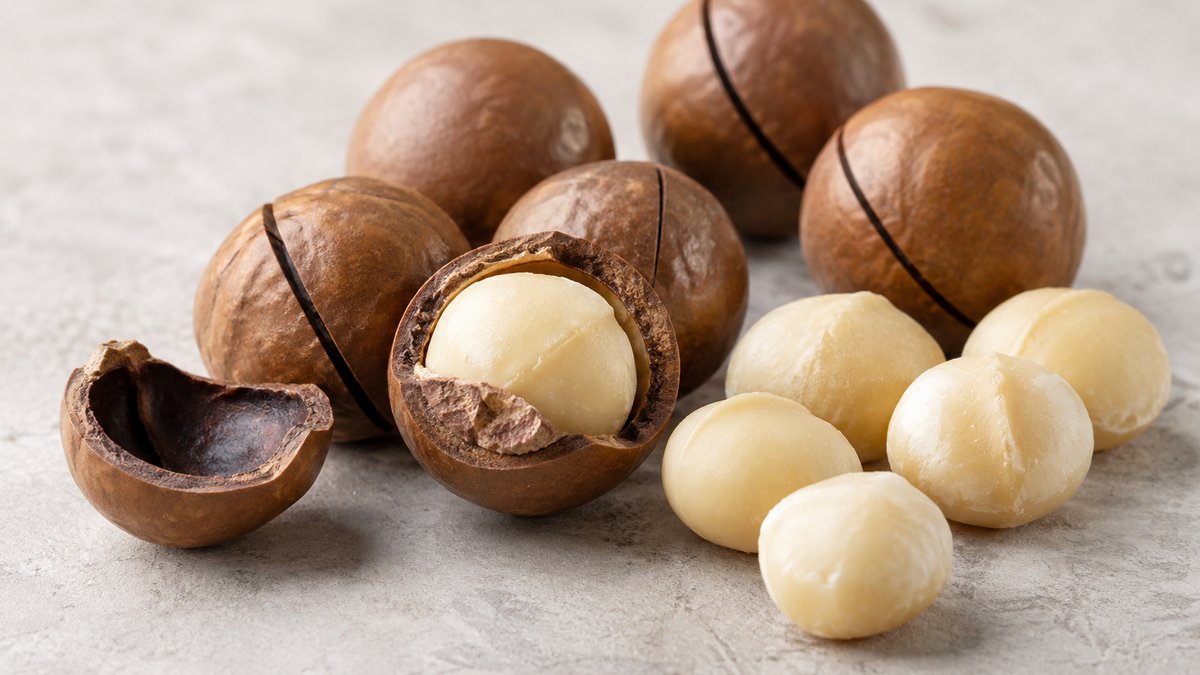
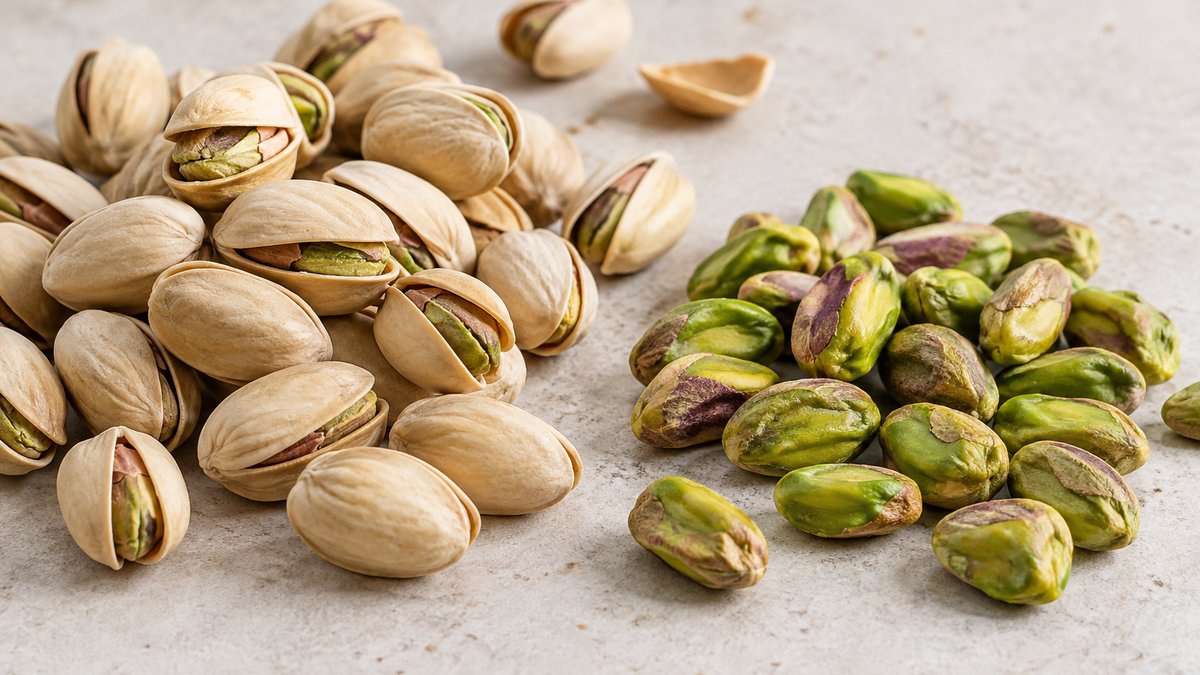
The difference is the product's physical form at sale. In-shell walnuts arrive with the hard shell around the kernel, while walnut kernels are removed from the shell and traded as whole halves or pieces. Importers choose between them according to the intended sale or processing step, and should write the product form plainly in the contract.
The terms describe preparation, not a quality grade. They do not, by themselves, specify variety, size, kernel color, defect limits, moisture, packaging, crop year or destination-market requirements. A buyer requesting “walnuts” alone leaves the seller to clarify which form is wanted.
UNECE publishes separate quality standards for the two forms: DDP-01 for in-shell walnuts and DDP-02 for walnut kernels. These are international marketing and quality references, not automatically mandatory law in every destination. A buyer and seller can name a standard and class in their contract; importers must separately check the importing country's binding food, labeling and customs rules.
The standards also make clear why the products need separate specifications. UNECE DDP-01 classifies in-shell walnuts as Extra Class, Class I or Class II and includes shell and kernel criteria. DDP-02 applies to kernels and identifies styles such as halves, chipped kernels, quarters, large pieces and broken pieces. A style describes the kernel's form, while a class describes quality under the standard.
For contract purposes, name both the form and the required quality basis. “Dry in-shell walnuts, UNECE DDP-01, Class I” and “walnut kernel halves, UNECE DDP-02, Class I” identify different products and inspection criteria. The actual shipment must still meet the agreed specification and any applicable import rules.
2. The product form changes what buyers inspect and specify
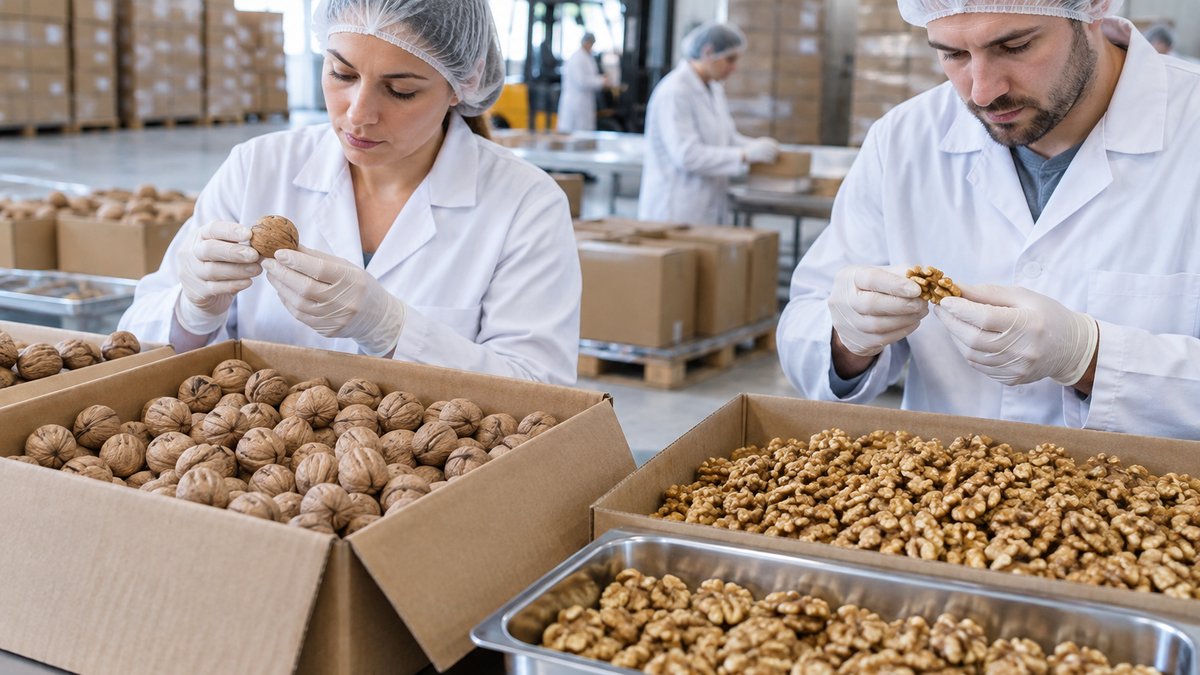
In-shell walnuts are inspected as whole nuts, so the contract needs criteria for the shell as well as the kernel inside it. Kernel lots are inspected in their shelled form, making kernel style, color and visible defects direct parts of the specification.
The moisture figures in the table come from the UNECE standards and refer to the stated product and measurement basis. DDP-01 distinguishes moisture in the whole dry nut from moisture in its kernel; DDP-02 sets a maximum for kernels. These are standard limits, not a substitute for checking the contract, the agreed test method or destination-specific rules.
The standards' classes do not make the two forms interchangeable. Extra Class under DDP-01 applies to in-shell walnuts, while Extra Class under DDP-02 applies to kernels. State the standard and product form together, then specify the details needed for the transaction, including size or style, color expectations, tolerances and packaging.
For kernels, style is a commercial specification that affects what arrives in the pack. Under DDP-02, halves are two more or less equal, intact parts; quarters are lengthwise pieces; and broken pieces pass through an 8 mm round-hole screen but not a 3 mm round-hole screen. If a lot mixes styles, UNECE says the proportion of each style must be indicated.
The in-shell standard uses diameter for sizing. UNECE DDP-01 sets a minimum size of 26 mm for Extra Class and Class I, and 24 mm for Class II; sizing is mandatory for the first two classes and optional for Class II. Buyers should identify the selected sizing basis in the contract and confirm that the inspection method matches it.
These distinctions matter when comparing offers. A quotation per kilogram for kernels is for shelled product; a quotation per kilogram for in-shell walnuts includes the shell in the shipped weight. The figures cannot be compared as though they represented the same quantity of edible kernel. Ask for the offered form and commercial basis before comparing prices.
3. A buyer's intended sale determines which form to request
Consider an importer supplying two different customers. A grocery retailer wants walnuts sold as whole nuts for customers to crack at home; a bakery buyer needs ready-to-use walnut pieces for production. The first inquiry should specify in-shell walnuts. The second should specify kernel form and the required style, such as halves or pieces.
For the retail order, the importer could ask suppliers for dry in-shell walnuts under a named standard and class, with a stated size range, packaging format and acceptable defects. Since the kernel remains inside, an inspection plan should cover shell condition and the condition of kernels in a representative sample. The buyer should agree how sampling and any disputed results will be handled.
For the bakery order, the importer could request walnut kernels under DDP-02 and name the required style. If the recipe can use pieces, the buyer should define the acceptable proportions or style mix instead of assuming that “kernels” means halves. The contract should also set color expectations, moisture basis, defect tolerances, pack size and a method for checking the delivered lot.
These examples are illustrative, not universal specifications. A retailer may request kernels for convenience, and a food manufacturer may prefer in-shell nuts for its own processing. Confirm the customer’s actual production or resale needs before fixing the import specification.
Both transactions also need commercial details beyond the walnut form. The buyer should state quantity and unit, packaging, delivery destination, requested trade term, shipment schedule and documents required for the destination. Requirements vary by market and transaction, so the importer should verify them for the specific product and route.
Looking to Source Walnut?
Connect with verified suppliers, discover matching products, and explore sourcing opportunities from global markets.
4. Choose in-shell walnuts for whole-nut sales and kernels for specified ready-to-use form
Choose in-shell walnuts when the buyer wants the intact nut for resale, cracking or further processing. Choose kernels when the buyer needs the edible portions without shelling at the destination. The decision rests on the buyer's intended handling and the form the supplier can contractually deliver.
4.1 When in-shell walnuts fit the order
An in-shell order suits a buyer who wants whole nuts presented with their shells intact or plans to arrange shelling after import. The buyer should define the applicable class, diameter sizing, moisture limit and shell and kernel quality criteria. A sample or agreed inspection procedure can help the parties assess internal kernel condition as well as external appearance.
This form also makes the shipped weight different from a kernel-only order because the shell is included. Before comparing quotes, ask whether the price and quantity refer to the whole nut or to kernel output. Do not infer a kernel recovery percentage unless the supplier provides it and the parties agree how it will be measured.
4.2 When walnut kernels fit the order
Kernels fit a buyer that needs shelled walnuts for packing, ingredient use or further processing. Specify the style and quality class rather than relying on a broad description such as “walnut kernels.” Halves, quarters and broken pieces are distinct forms, and a mixed-style lot needs a stated proportion if that is acceptable.
The buyer should also define color, defect tolerances, moisture limit, packaging and inspection basis. If the product will be incorporated into a recipe, the buyer should tell suppliers which kernel sizes the production line can use. If the kernels will be resold as a consumer product, pack format and appearance criteria may be central to the purchase.
For either form, request a quotation against one written specification and compare offers on the same basis. Confirm the named UNECE standard and class, product form, size or style, quantity unit, packaging, shipment terms and inspection process. Then check destination requirements separately; a quality standard does not establish that every import rule has been met.
Importers comparing sourcing options can review relevant walnut buying requests or supplier listings on Freshdi. The listing is a starting point; confirm current specifications and commercial terms for each transaction.
References
1. United Nations Economic Commission for Europe – UNECE Standard DDP-01: Inshell Walnuts, 28 November 2025.
2. United Nations Economic Commission for Europe – UNECE Standard DDP-02: Walnut Kernels, 28 November 2025.
3. United Nations Economic Commission for Europe – Dry and Dried Produce Standards, Accessed 18 November 2026.
Disclaimer: This article is compiled from platform data, public sources and information provided by third parties, for general informational purposes only. We do not guarantee its accuracy or completeness. Please conduct your own due diligence before making business decisions.