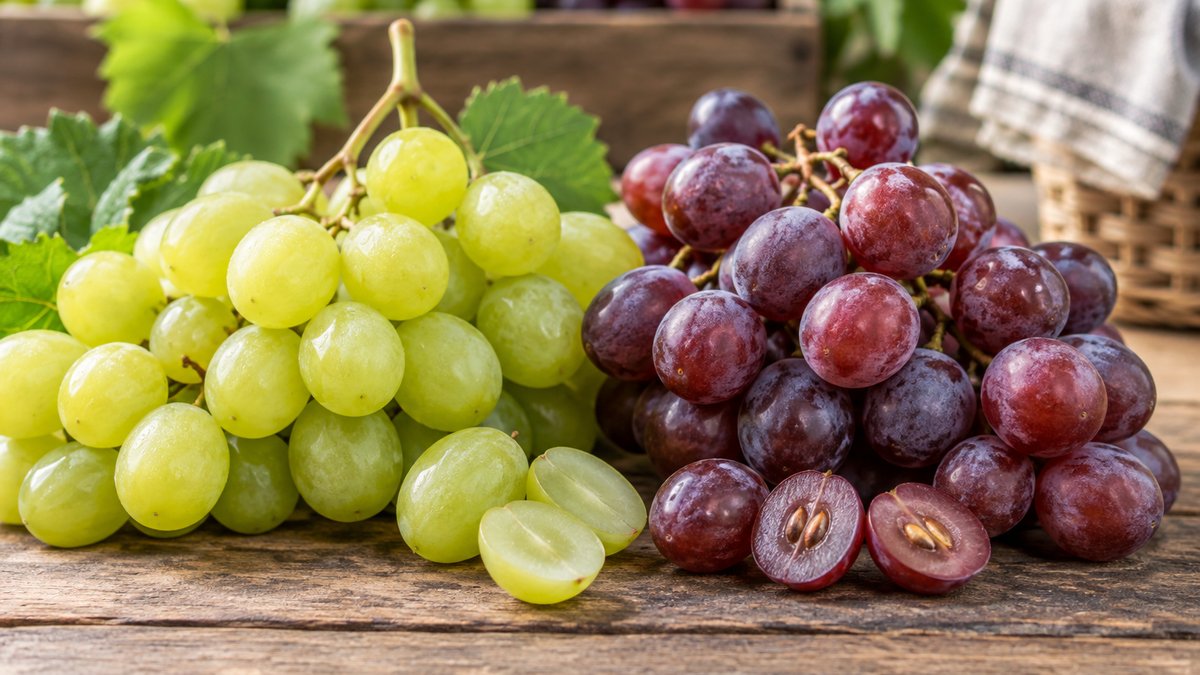

1. Seedless and seeded table grapes differ in seed presence and buyer use
The distinction is straightforward: seedless table grapes have no fully developed seeds, while seeded table grapes contain developed seeds. For an importer, that difference affects the eating experience and can influence which varieties suit a retail, foodservice or wholesale program.
“Seedless” is a commercial description of the fruit, not a complete product specification. Buyers still need the variety, color, berry size, maturity, firmness, packaging and destination-market requirements. A seeded grape is not automatically larger, sweeter or better suited to a particular market; those traits depend on the named variety and the lot.
Both types are sold as fresh table grapes, and both can be assessed for maturity, firmness, appearance and defects. The USDA’s U.S. table-grape grade standards, for example, address conditions such as decay, shattering, split or crushed berries and stem quality. The standards also set berry-size criteria that vary by variety group, including a separate list of seedless varieties. Seed status alone does not establish the quality grade.
Seedless grapes may fit customers who want to eat the berries without removing seeds. Seeded grapes may fit a program that calls for a particular seeded variety or eating profile. Buyers should use those as product-selection considerations, then confirm the exact variety and specification with the supplier.
2. How seedless and seeded table grapes compare
The main commercial difference is the presence of developed seeds. Variety, grade and condition still need separate checks: those details determine whether the lot meets the buyer’s requirements.
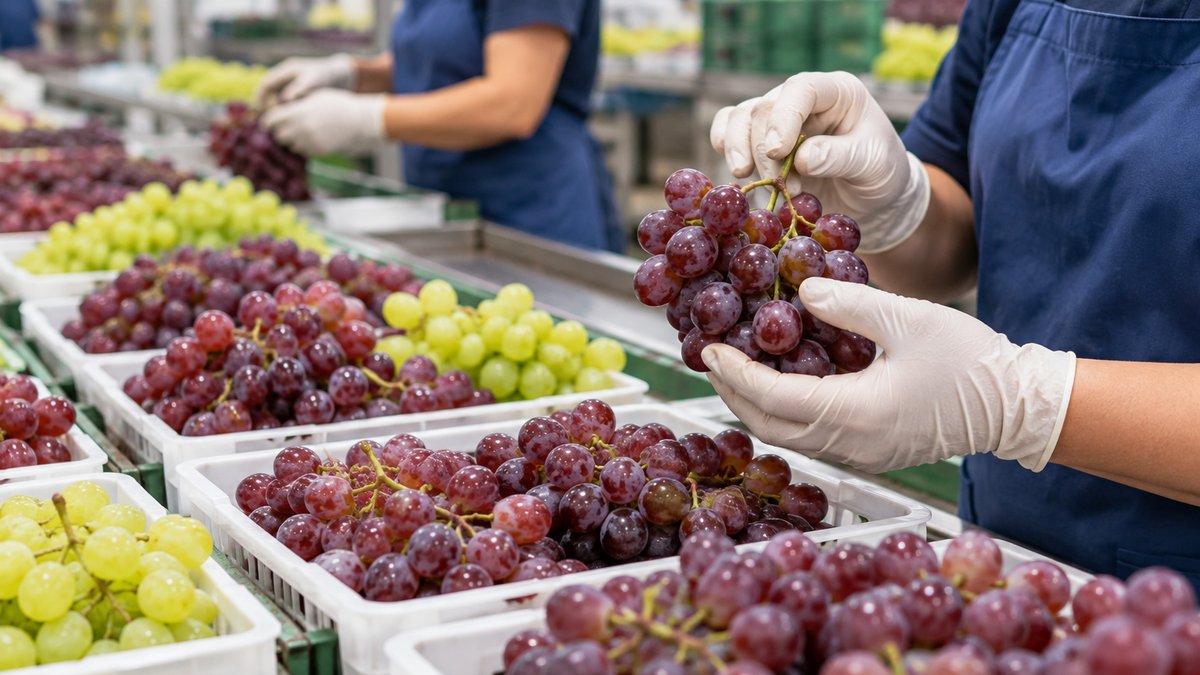
A U.S. example shows why buyers should not use seed status as a substitute for a size specification. In the USDA U.S. No. 1 Table grade, the stated minimum berry diameter applies to a proportion of berries on each bunch, and the threshold differs between listed seedless varieties and other varieties. That rule is specific to the U.S. standard and grade; importers should check the rules that apply in their destination.
The variety name matters in the contract because standards and commercial expectations can be variety-specific. State the acceptable variety or list approved alternatives, and make clear whether substitutions require the buyer’s approval.
3. A buying scenario: matching the grape to the sales program
Consider an importer preparing two fresh-grape offers for different customers. One customer wants a convenient snack product for retail packs; another has asked for a named seeded variety. The importer should request separate offers rather than treating “green grapes” or “red grapes” as complete descriptions.
Illustrative inquiry format:
Product: Fresh table grapes
Seed status and variety: Seedless or seeded; state the requested variety
Color and size: State the required color and berry-size range
Condition: State maturity, firmness and acceptable defect limits
Pack: State pack style, net weight and labeling needs
Delivery: State destination, requested delivery term and schedule
This is an illustrative inquiry format, not a universal specification. Set the final requirements for the destination, customer and sales program.
The buyer can then compare offers against the same requested variety, size, pack and quality criteria. If a supplier proposes an alternative variety, the importer can assess it as a separate option and confirm whether it meets the customer’s intended use.
For fresh grapes, the shipment plan also needs to account for the condition of the fruit on arrival. Ask suppliers to state how they document maturity and pack condition, and agree on inspection procedures and tolerances before the order is confirmed. A seedless or seeded label does not answer those quality questions.
Looking to Source Fresh Grape?
Connect with verified suppliers, discover matching products, and explore sourcing opportunities from global markets.
4. When should an importer choose seedless or seeded grapes?
Choose by the customer’s requirement and the variety that can meet it. If a retail buyer has specified seedless grapes for convenient eating, source a named seedless variety and confirm its size, color, condition and pack. If a customer requests a seeded variety, specify that variety rather than relying on a broad color description.
4.1 Choose seedless grapes when the customer specifies them
Seedless grapes are a sensible fit when the sales brief calls for fruit that customers can eat without removing developed seeds. Confirm the exact variety, because seedless status does not define berry size, color, flavor, firmness or shelf life. Ask for the supplier’s lot specification and current product details.
The importer should also confirm how “seedless” is represented in the product specification. Request the variety name and agree how the product will be described on the commercial documents and retail pack, subject to destination labeling rules.
4.2 Choose seeded grapes when a variety or customer requirement calls for them
Seeded grapes fit a program that names a seeded variety or where the buyer has accepted the seeds as part of the eating experience. Confirm the variety, color and size instead of assuming that all seeded grapes share the same characteristics. A named seeded product should be assessed on its own specification.
Some commercial varieties are identified clearly by seed status. A University of California postharvest guide, for example, names Thompson Seedless and Flame Seedless among California cultivars and identifies Red Globe as seeded. Those examples do not establish availability in every origin or season; the importer should verify the offered variety and shipping window.
4.3 Check quality and destination requirements for either type
For both types, agree on maturity, berry size, firmness, bunch condition, stem appearance and tolerance for defects. The USDA standard includes criteria for firmness, shattering, decay, stems and berry diameter, with requirements that depend on the grade and variety group. It is a U.S. grading reference, not a universal rule for every destination.
Check the importing market’s current rules for the specific variety and shipment period. In the United States, USDA AMS lists seasonal grade, size and maturity requirements for regulated Vinifera table grapes and also names varieties exempt from those requirements. The importer should verify whether the exact grape and entry date fall within the rule’s scope before booking.
- Confirm whether the customer requires seedless or seeded grapes, then state the variety or acceptable varieties.
- Set the required color, berry size, maturity, firmness and defect tolerances.
- Agree on packaging, labeling, net weight and any inspection documentation.
- Check destination-market requirements for the variety and expected entry date.
- Compare offers only when product variety, pack, quality terms and delivery conditions match.
Buying consideration: Before accepting a quotation, ask the supplier to identify the offered variety and confirm each agreed quality and packaging point in writing.
5. Resources for fresh grape sourcing
Use the applicable destination-market standard to check grade and import requirements, then use the buyer’s own specification to compare varieties and offers. USDA AMS publishes U.S. table-grape grade standards and import information; these references apply to their stated U.S. scope.
Importers sourcing fresh grapes can review Fresh Grape buying requests and potential Fresh Grape suppliers on Freshdi. Confirm the variety, lot condition, destination requirements and commercial terms with the prospective business partner before placing an order.
References
1. USDA Agricultural Marketing Service – Table Grapes (European or Vinifera Type) Grades and Standards, Accessed November 18, 2026.
2. USDA Agricultural Marketing Service – Importing Table Grapes, Accessed November 18, 2026.
3. University of California Agriculture and Natural Resources – Table Grapes: Postharvest Quality Maintenance Guidelines, Accessed November 18, 2026.
Disclaimer: This article is compiled from platform data, public sources and information provided by third parties, for general informational purposes only. We do not guarantee its accuracy or completeness. Please conduct your own due diligence before making business decisions.