
Introduction
Brazil’s average imported urea unit value was US$468 per metric tonne on a CIF basis in October 2026, according to Comex Stat trade data compiled by Graaos. The figure is an average of customs-reported import value and volume, not a live supplier offer or a guaranteed price for a new shipment.
The reporting period is October 2026, the latest month in the trade data checked for this update. The comparison with the World Bank’s October benchmark provides market context, but the two measures use different product and delivery bases. Buyers should use the figures to frame discussions, then compare current quotations for the same grade, port, quantity and delivery terms.
Key Takeaways
- Brazil’s imported urea averaged US$468/tonne CIF in October 2026; the corresponding calculated FOB unit value was US$426/tonne.
- The October CIF unit value was 3.8% higher than October 2025, while the month’s import volume was 1,062,527 tonnes.
- The World Bank’s October 2026 East Europe urea benchmark was US$420/tonne, up from US$407.5 in September. Its regional FOB basis is not identical to Brazil’s all-origin CIF average.
- Brazil imported 4.60 million tonnes of urea from January through October 2026, 18.5% less than in the same months of 2025, according to Comex Stat data compiled by Graaos.
- Compare delivered cost, product specification, origin, shipment timing and quotation validity. Neither a customs unit value nor a global benchmark is a current offer.
1. Brazil’s urea market depends heavily on imports
Imported fertilizer supplies a large share of Brazil’s agricultural market, so international prices and shipping conditions affect local purchasing decisions. Brazil’s Ministry of Agriculture reported that imports supplied 93% of national fertilizer consumption and that total fertilizer imports reached 45.5 million tonnes in 2025. Those figures cover fertilizers as a whole, not urea alone.
Urea is a nitrogen fertilizer used across crop production. Import demand reflects agricultural purchasing cycles as well as international availability, freight and currency movements. The USDA Foreign Agricultural Service reported that Brazilian fertilizer imports fell nearly 9% in the first half of 2026 compared with the same period in 2025, while elevated urea costs constrained the traditional crop-for-fertilizer barter system.
Brazilian import data offers a direct view of product entering the country, but customs unit values are not the same as a quoted price for a particular port or contract. A monthly average combines transactions that can differ in shipment timing, origin and commercial conditions.
For buyers, the practical market question is whether a new quotation matches the specification and arrival window required for the crop cycle. For suppliers, Brazil’s import dependence makes clear product descriptions and delivery terms important when presenting an offer.
Looking to Source Urea Fertilizer?
Connect with verified suppliers, discover matching products, and explore sourcing opportunities from global markets.
2. Latest urea prices and comparisons for Brazil
2.1 October 2026 imported urea unit values
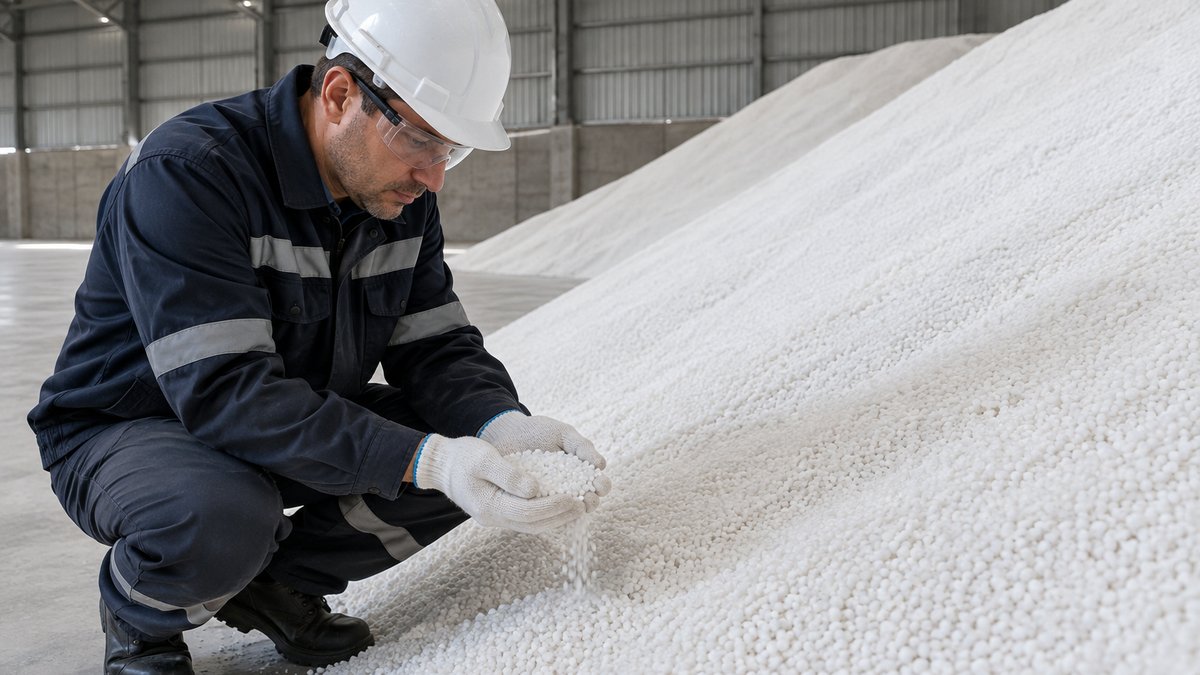
Brazil’s October 2026 average imported urea unit value was US$468/tonne CIF, according to Comex Stat data compiled by Graaos. The calculated FOB unit value was US$426/tonne. The difference between these averages was US$42/tonne for freight and insurance in the calculation; it is not a quote for a specific vessel, route or shipment.
The Brazil figures are monthly customs unit values for imported urea, calculated by dividing trade value by volume. They summarize shipments recorded during October. They are not spot assessments, an individual supplier’s offer or a forward price.
The World Bank’s November 3, 2026 Pink Sheet reported an October East Europe urea price of US$420/tonne, compared with US$407.5 in September. That benchmark is a regional price series, while Brazil’s CIF average covers imports from multiple origins and includes freight and insurance. The figures therefore provide context, not a like-for-like price contest.
A reliable price comparison by exporting country requires matching product grade, pricing date, delivery basis and shipment terms. The verified sources used here do not provide a consistent October 2026 set of origin-by-origin urea quotations for Brazil. The national import average is more defensible than presenting unmatched country prices as equivalent.
2.2 Price movement through October
Brazil’s October CIF unit value was 3.8% above October 2025. On the volume side, Brazil imported 1,062,527 tonnes in October 2026, 6.5% less than a year earlier. Across January to October 2026, imports totaled 4,595,277 tonnes, 18.5% below the same period in 2025.
The monthly series shows a sharp change during 2026. The calculated CIF unit value rose to US$620/tonne in June, then fell to US$450 in July, US$452 in August, US$448 in September and US$468 in October. Because monthly import mixes and arrival schedules differ, this sequence should not be read as the price path for one identical grade or contract.
The World Bank’s wider benchmark also moved during the year. Its East Europe urea series recorded US$856.9/tonne in April 2026 and US$420 in October. The benchmark is a monthly regional series, not a Brazil delivered price, and the movement does not establish what a buyer will pay for a particular shipment.
2.3 What the price measures mean for a buyer
A CIF import unit value includes the cost, insurance and freight recorded for imported goods up to the Brazilian port, averaged across the month’s entries. The FOB unit value represents the goods at the export port before the international freight and insurance component. Neither includes every cost a buyer may face after arrival, such as port handling, financing, inland transport or applicable taxes.
When comparing offers, ask each supplier to state the shipment basis and named port. Compare the same quantity, product specification, currency and shipment window. If one offer is FOB and another CIF, add the buyer’s own freight, insurance and destination costs before deciding which gives the lower landed cost.
3. Factors affecting urea prices in Brazil
Brazil’s urea import cost responds to international supply, seasonal buying, freight and currency conditions. In June 2026, the Central Bank of Brazil reported that the reference price for granular urea delivered to Brazil had risen 50% in May compared with the average for January and February. That figure describes the earlier price surge, not the October customs unit value.
3.1 International supply and production costs
Urea production depends on natural gas as a key feedstock, so energy costs can affect production economics and export availability. The Central Bank of Brazil noted the relationship between nitrogen fertilizer prices and oil through natural gas’s role in fertilizer production. A change in energy prices does not translate mechanically into an equal change in a Brazilian import offer; output, export availability, freight and contract timing also matter.
3.2 Crop calendars and inventory
Brazil’s fertilizer procurement follows crop schedules and stock replenishment needs. USDA FAS reporting says overseas purchases of nitrogen fertilizers typically begin in June and July, with volumes peaking toward December as importers prepare stocks ahead of second-season corn planting. The timing of an order can therefore affect the price and delivery window a buyer encounters.
3.3 Import policy and trade conditions
Brazil’s government has taken steps to support fertilizer supply and domestic production. In August 2026, the Ministry of Agriculture said a resolution recommended priority unloading for imported mineral fertilizers and nutritional inputs intended for the 2026/27 crop season at public ports. The measure did not remove sanitary, customs or quality controls.
In October 2026, the government announced a fertilizer-industry development program with tax credits planned for 2027 to 2031, subject to program rules. This is a policy initiative for future production capacity, not an immediate change to the price or import requirements of a current urea shipment.
3.4 Freight, currency and competition between origins
Freight and insurance separate FOB from CIF pricing, while exchange rates affect the local-currency cost of purchases invoiced in US dollars. Brazil’s October import data implies a US$42/tonne difference between the average FOB and CIF unit values calculated by Graaos. This is an aggregate for that month, not a freight quote that can be applied to every origin or port.
Brazil’s imports from January through October 2026 came chiefly from Russia, Nigeria and Oman in the data compiled by Graaos from Comex Stat. Their shares were 24.8%, 24.3% and 11.5%, respectively. Different supplier origins can offer distinct shipping windows and commercial terms, so buyers should request comparable quotations rather than infer a current price from an origin’s historical share.
4. Which countries import the most urea?
4.1 Major global importing markets
A verified global ranking of urea-importing countries for the latest comparable period was not available in the sources used for this update. The figures here establish Brazil’s own import volumes and supplier origins, but they do not support ranking Brazil against other national markets or presenting an import forecast.
For a purchasing decision focused on Brazil, national import totals and current supplier quotations are more useful than an unsupported global ranking. Buyers should distinguish actual customs data from forecasts, announced tenders and market expectations.
4.2 Brazil’s principal supply origins
Russia supplied 24.8% of Brazil’s urea import tonnage from January through October 2026, Nigeria 24.3% and Oman 11.5%, based on Graaos calculations from Comex Stat records. These are shares of Brazilian imports during that period. They do not show each supplier’s current available quantity, quotation or ability to meet a buyer’s specification.
4.3 How import demand translates into an opportunity
Brazil’s 4.60 million tonnes of imported urea in January to October 2026 indicates substantial recorded trade, even though the total was below the comparable 2025 period. Import volume describes completed cross-border flows. It does not confirm future orders or guarantee that a particular buyer is seeking additional product.
Exporters assessing Brazil should check the buyer’s required grade, quantity, destination port, delivery schedule and documents before preparing a quotation. Buyers comparing origins should verify current supply and the import conditions that apply to their shipment.
5. How buyers can source urea at a competitive price
A competitive urea purchase is a delivered-cost comparison against one clear specification. A low FOB offer can become less attractive after freight, insurance, port costs and inland transport; a higher CIF offer may cover more of those costs but still requires checking what is included.
- Specify the product and grade, including nitrogen content and physical form where required.
- State the purchase quantity, packaging, destination port and preferred shipment period.
- Ask for the quotation currency, Incoterm, named port, validity period and payment terms.
- Confirm whether freight, insurance, inspection, loading and destination charges are included.
- Check applicable Brazilian import, customs and product-quality requirements with the responsible authorities and qualified advisers.
- Compare suppliers’ offers on the same basis, then calculate the expected landed cost for the order.
The October customs average can help a buyer frame a discussion, but it cannot replace a current quote. A shipment’s origin, contract date, quantity and route may differ from the transactions recorded in that monthly average.
Buying consideration: Before selecting an offer, check that every supplier has quoted the same product specification, destination and delivery basis, then compare the full cost and shipment schedule.
6. What does recent urea demand look like on Freshdi?
Freshdi buying requests are business inquiries, while national import statistics measure recorded trade; the two describe different things. A current demand assessment should identify the request period and country, then review the stated product, quantity, destination and trade terms without treating individual inquiries as a measure of Brazil’s total market.
For a urea inquiry, buyers can make their requirement easier to assess by specifying grade, quantity, packaging, destination port and required shipment timing. Suppliers can review the stated requirements before deciding whether their available product and delivery terms fit.
Import data can help frame a price discussion, while individual buying requests can show the requirements stated by particular buyers. Keep those sources separate when evaluating demand or preparing a commercial offer.
7. What buyers and suppliers should do next
7.1 For buyers and importers
- Use October’s customs unit value as historical context, not as a supplier quotation.
- Request current offers for the same grade, quantity, destination port and delivery period.
- Compare FOB, CFR and CIF offers only after identifying which freight, insurance and destination costs each includes.
- Confirm product documentation and Brazilian import requirements for the shipment.
- Check quotation validity, shipment timing, payment terms and inspection arrangements before contracting.
7.2 For exporters and suppliers
- State the urea specification, origin, available quantity and packaging clearly.
- Name the loading port and Incoterm, and identify whether the offer is FOB, CFR or CIF.
- Give the quotation currency, validity period, shipment window and relevant documentation.
- Check the buyer’s destination and requested delivery schedule before preparing a price.
- Keep any market comparison tied to its date, unit, grade and pricing basis.
Buying consideration: A dated benchmark and a complete offer answer different questions. Use the benchmark to orient discussions, then make decisions from current, comparable quotations and verified shipment details.
8. How Freshdi connects urea buyers and suppliers
Freshdi’s category pages give buyers and suppliers a place to review urea-related sourcing activity. Buyers can browse potential urea fertilizer suppliers, while suppliers can review urea fertilizer buying requests. A listing or request does not guarantee a transaction; users should assess each requirement and offer on its stated details.
Businesses comparing urea offers can review the relevant supplier and buying-request categories on Freshdi.
View Latest Manures & Fertilizers Buying Requests →View Potential Manures & Fertilizers Suppliers →
9. Brazil urea market outlook
Brazil’s imported urea averaged US$468/tonne CIF in October 2026, while the calculated FOB unit value was US$426/tonne. The CIF average was 3.8% above October 2025, even as import volume for January to October fell 18.5% year on year.
The World Bank’s October East Europe benchmark rose from US$407.5/tonne in September to US$420 in October, but its regional FOB basis differs from Brazil’s all-origin CIF measure. Import dependence, seasonal buying, international supply and shipping costs remain relevant considerations; none of the historical figures is a forecast or a current offer.
Buyers should compare current quotations on a matched specification and landed-cost basis. Suppliers should state origin, grade, quantity, port, Incoterm and validity clearly. Freshdi is one place to review relevant urea suppliers and buying requests.
Buyers and suppliers planning a urea transaction can review relevant Freshdi sourcing categories.
View Latest Manures & Fertilizers Buying Requests →View Potential Manures & Fertilizers Suppliers →
Frequently Asked Questions
What was Brazil’s urea import price in October 2026?
Brazil’s average imported urea unit value was US$468 per tonne CIF in October 2026, according to Comex Stat data compiled by Graaos. The calculated FOB unit value was US$426 per tonne. These are monthly customs averages, not current supplier quotations.
Did Brazil’s urea price rise in October 2026?
The October 2026 CIF unit value was 3.8% higher than October 2025. The monthly value is an average of recorded imports and can reflect changes in shipment mix, origin and timing. It does not show that every urea grade or new offer rose by the same amount.
How does Brazil’s urea price compare with the World Bank benchmark?
The World Bank’s October 2026 East Europe urea benchmark was US$420 per tonne, up from US$407.5 in September. Brazil’s October CIF import unit value was US$468 per tonne. The World Bank series is a regional benchmark, while Brazil’s figure covers imports from multiple origins and includes freight and insurance, so the two are not directly equivalent.
Which countries supplied Brazil with urea in 2026?
From January through October 2026, Russia accounted for 24.8% of Brazil’s urea import tonnage, Nigeria 24.3% and Oman 11.5%, in data compiled by Graaos from Comex Stat. These period shares do not establish current availability or prices from those origins.
How should buyers compare FOB and CIF urea offers?
FOB covers the goods at the export port, while CIF includes cost, insurance and freight to the named destination port. Confirm the named ports and included charges, then add any costs not covered by the quote. Compare offers for the same product specification, quantity and shipment window before assessing landed cost.
Where can buyers find urea suppliers or buying requests?
Buyers can review urea fertilizer supplier listings on Freshdi, and suppliers can review urea fertilizer buying requests. Check each listing or request for its stated product, quantity, destination and terms; platform activity does not guarantee a completed transaction.
References
1. Graaos, based on Comex Stat/MDIC – Importação de ureia no Brasil: preço e origens, Updated November 7, 2026; data through October 2026.
2. World Bank – World Bank Commodities Price Data (The Pink Sheet), November 2026, November 3, 2026.
3. Brazilian Ministry of Agriculture and Livestock – Resolution prioritizes unloading of mineral fertilizers at Brazilian ports, August 20, 2026.
4. Central Bank of Brazil – Monetary Policy Report, June 2026, June 2026.
5. USDA Foreign Agricultural Service – Grain and Feed Update: Brazil, 2026.
6. Brazilian Ministry of Agriculture and Livestock – Government sanctions law establishing the Fertilizer Industry Development Program, October 26, 2026.
Disclaimer: This article is compiled from platform data, public sources and information provided by third parties, for general informational purposes only. We do not guarantee its accuracy or completeness. Prices, volumes and forecasts are indicative, reflect conditions as of 2026-11-19 and may change without notice. This is not financial, investment or trading advice.