
Introduction
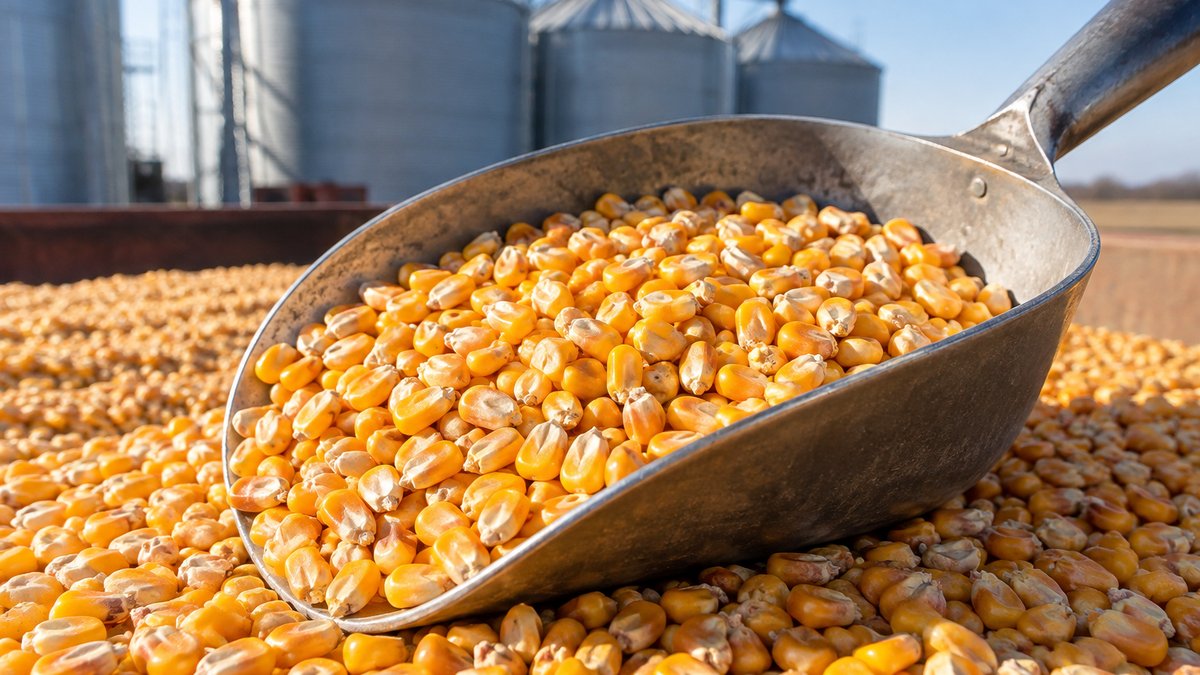
South Korea’s latest available customs-based monthly price signal puts imported feed corn at US$270.60 per metric tonne in October 2026, on a CIF basis. That was about 1% above September’s US$267.90 per tonne in the same series. Separately, South Korean feed millers bought corn for January and early February 2027 delivery at reported C&F prices of US$283.60 to US$284.20 per tonne in October tenders.
These figures cover different measures and shipment periods. The monthly customs unit value reflects recorded imports, while tender prices refer to new contracts for later delivery. This update covers South Korea and the October 2026 tender period, using the latest monthly customs data located, for October. Prices cited are for corn, especially feed corn, and do not establish a quotation for every yellow corn grade or end use.
Key Takeaways
- South Korea’s October 2026 customs-based import unit value for feed corn was US$270.60 per tonne CIF, up about 1% from US$267.90 in September, according to the KCS data series presented by AgroPick.
- October tenders for January and early February 2027 delivery were reported at US$283.60 to US$284.20 per tonne C&F. Tender prices and customs unit values use different bases and shipment timings.
- USDA FAS forecast South Korean corn imports of 11.2 million tonnes for marketing year 2026/27. The agency reported that the United States supplied 76% of Korean corn imports in MY 2025/26.
- Available tender reports do not provide a like-for-like price comparison by confirmed exporting country. Buyers should compare origin, grade, delivery window, port charges and Incoterm before judging offers.
- The monthly customs average is a historical import indicator, not a current supplier offer. Buyers should request a dated quotation against a shared specification and calculate landed cost.
1. South Korea’s corn market depends heavily on imports
South Korea imports most of the corn its domestic market uses, so import prices and shipment availability matter to feed buyers and processors. USDA Foreign Agricultural Service’s November 2026 Grain and Feed Update forecast total corn imports of 11.2 million tonnes for marketing year 2026/27. The report said feed corn remained price competitive with feed wheat and expected that advantage to support demand.
The United States held a large share of supply in the preceding marketing year. USDA FAS reported that U.S. corn reached 76% of South Korea’s imports in MY 2025/26, an all-time high in the report’s series. For MY 2026/27, U.S. sales commitments to South Korea totaled 1.5 million tonnes as of October 8, 2026, including 1.3 million tonnes already shipped.
South American corn may account for more deliveries as its harvest becomes available in early 2027, according to USDA FAS. That is a supply expectation, not a confirmed country-by-country delivery schedule. The October tenders also allowed more than one possible origin, so their reported prices do not establish the final origin for each lot.
For buyers, the supply picture is a reason to track both current arrivals and forward contracts. A tender award can indicate what a buyer accepted for a stated delivery window, but it does not set a universal market price or guarantee that a similar lot is available to other importers.
Looking to Source Yellow Corn?
Connect with verified suppliers, discover matching products, and explore sourcing opportunities from global markets.
2. Latest yellow corn prices for South Korea
2.1 Latest recorded import price
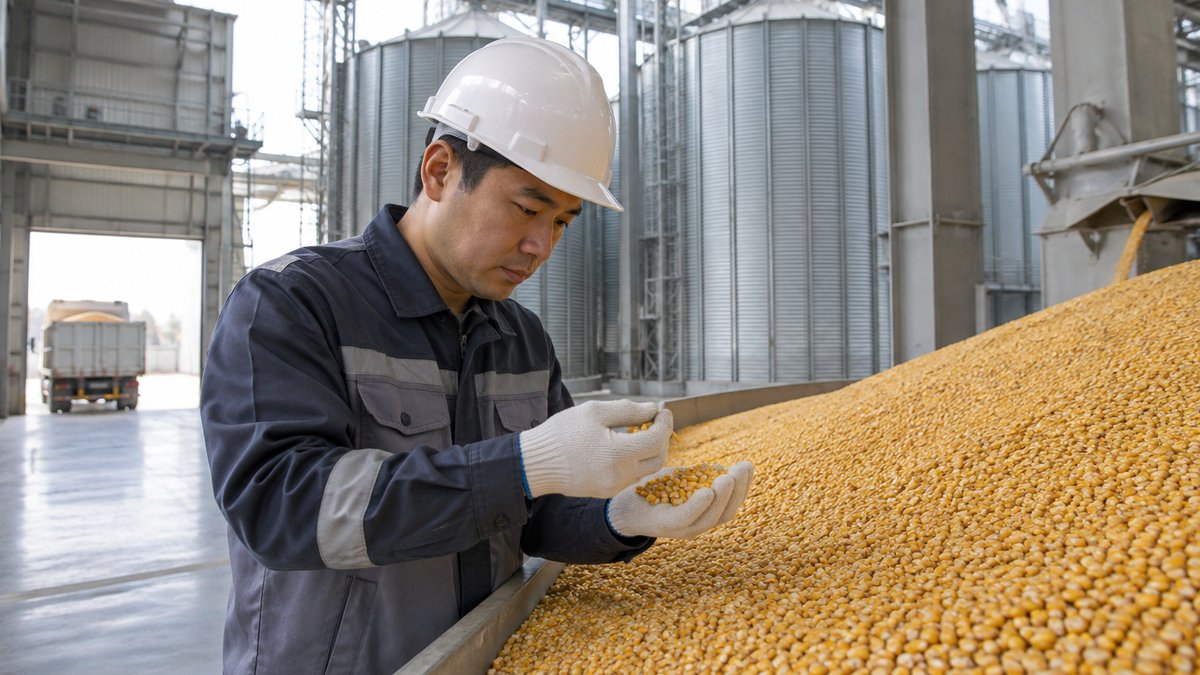
The latest monthly customs series located for this update puts South Korean feed corn at US$270.60 per tonne CIF in October 2026. AgroPick identifies the series as Korean Customs Service import statistics for feed corn under HS 1005.90-1000 and defines the figure as import value divided by import weight. The CIF value includes freight and insurance, but excludes customs duty and domestic transport.
In that same series, September 2026 averaged US$267.90 per tonne. The October figure was US$2.70 higher, or about 1.0% month on month. This is a customs unit value, not an offer issued by a supplier. Contracting and shipping often precede customs clearance, so the import month and the underlying purchase date may differ.
2.1.1 Reported October tender prices
South Korean feed millers’ October tenders provide a more forward-looking reference. UkrAgroConsult reported that Nonghyup Feed bought about 134,000 tonnes for January 2027 delivery on October 7, in two lots at US$283.85 and US$284.20 per tonne C&F. The report noted an additional US$1.50 per tonne unloading charge.
On October 8, Major Feedmill Group bought about 135,000 tonnes for delivery in late January to early February 2027. The two reported lots were priced at US$283.60 and US$283.66 per tonne C&F. The reported eligible origins included the United States, South America or South Africa. These are tender reports for specific buyers and delivery windows, not standing market quotations.
The tender levels sit above the October customs unit value, but the two should not be treated as a direct price increase. They differ in contract timing, delivery window and calculation basis. A buyer comparing them should also check exact grade, moisture and other quality tolerances, port of discharge, unloading charges, and whether the quote includes insurance.
2.1.2 Origin comparison and price trend
The tender reports do not provide confirmed, comparable prices for U.S., South American and South African corn as separate origins. The US$283.60 to US$284.20 per tonne awards are tender results under stated origin options, not a country price table. A comparison by origin would require offers with the same grade, shipment period, destination and delivery basis.
The available month-on-month customs comparison shows a modest rise from September to October 2026. USDA FAS’s November report also presents a longer CIF price series for feed corn and feed wheat, with the late-2026 to January 2027 values based on secured contracts reported by the Korea Feed Association. Those contract-based values should be read separately from completed import statistics.
3. What is moving South Korean corn prices
Import costs in South Korea reflect both the corn market and the conditions attached to each shipment. The October customs figure is a CIF average, while tender awards are C&F contracts for later delivery. Freight, insurance, unloading fees and the length of time between purchase and arrival can all change the amount a buyer pays.
3.1 Feed demand and substitutes
USDA FAS expects South Korean corn imports to reach 11.2 million tonnes in MY 2026/27 and says corn’s price advantage over feed wheat supports use. Buyers comparing ingredients should evaluate the delivered cost and feeding specification, rather than assume that a movement in corn prices will match wheat prices.
3.2 Origin availability and harvest timing
U.S. supply accounted for 76% of South Korea’s imports in MY 2025/26, according to USDA FAS. The agency expects South American corn to replace some U.S. supply in early 2027 as the South American harvest becomes available. Availability by shipment month can therefore affect which origins exporters can offer, even when a tender accepts optional origins.
3.3 Currency and logistics
The customs series is denominated in U.S. dollars and uses a CIF basis. Korean buyers budgeting in won should account for the exchange rate on the relevant payment and contracting dates. Buyers should also confirm vessel timing, port costs and the treatment of unloading charges; the October 7 tender report listed an additional US$1.50 per tonne for unloading.
Weather, export policies and crop forecasts can affect exportable supply, but the cited tender reports do not quantify a separate price effect for those factors. For procurement, use current official crop information and written supplier terms rather than assigning a price change to an unverified event.
4. Which countries import the most yellow corn
4.1 South Korea’s import demand
USDA FAS forecasts South Korean corn imports of 11.2 million tonnes in MY 2026/27. This is a country forecast, not a ranking of the world’s largest importers. The forecast describes total corn imports and should not be confused with a confirmed purchase schedule or demand for one specific yellow corn grade.
4.1.1 South Korea’s supplier origins
The United States supplied 76% of South Korean corn imports in MY 2025/26, according to USDA FAS. As of October 8, 2026, U.S. corn sales commitments to South Korea for MY 2026/27 stood at 1.5 million tonnes. USDA reported that 1.3 million tonnes had shipped by that date.
The October tenders accepted optional origins, including the United States, South America or South Africa for the Major Feedmill Group purchase. The report does not identify the final source country for each lot. Buyers should confirm origin on the offer and shipping documents rather than infer it from a tender’s eligible-origin list.
4.1.2 Demand signals and market opportunities
The USDA import forecast and reported tender awards indicate planned demand, but they are different kinds of evidence. A forecast estimates market-wide imports for a marketing year; an awarded tender records a specific buyer’s purchase. Neither figure by itself confirms an open order for other suppliers.
Exporters assessing South Korea should compare the delivery period and eligible origin in each tender with their own shipment schedule. A competitive offer also needs to match the buyer’s quality parameters, quantity, discharge arrangements and documentation requirements.
5. How buyers can compare yellow corn offers
Compare offers on a common delivered basis. A lower FOB price, meaning the seller’s price up to loading on board, does not by itself show a lower cost at a South Korean port. CFR or C&F generally includes carriage to the named destination, while CIF also includes marine insurance; contract wording and named ports still need to be checked.
- Specify the corn’s intended use and agreed quality limits, including moisture, foreign matter, damage and any other contract parameters.
- Ask each supplier to quote the same quantity, packaging, loading period and South Korean destination port.
- Record whether the quote is FOB, C&F or CIF, and list freight, insurance, unloading and destination charges separately.
- Confirm the crop year, country of origin, shipment window, inspection arrangements and required export documents.
- Compare the total cost at the same point of delivery, then check that the quality and shipment schedule also fit the purchase plan.
The October C&F tender prices are useful reference points for feed corn booked for early 2027 arrival, but their terms do not establish what a buyer will pay for another shipment. Buyers should request an offer with a validity date and compare it with recent tender information only after matching the delivery month and contract scope.
6. What Freshdi buying requests show
The information for this update does not include a dated Freshdi buying-request snapshot for yellow corn in South Korea, so it provides no request count, buyer count or specification totals. Freshdi requests can be reviewed as individual sourcing leads; they should be treated separately from customs statistics, USDA forecasts and tender awards.
When reviewing a request, suppliers can check the stated quantity, destination, grade, origin preference and trade term. Buyers can use a written request to make their required corn specification and delivery window clear. A request is evidence of that buyer’s stated need, not a measure of total national demand.
Buyers and suppliers checking current corn requirements can review the relevant category listings.
View Latest Grains, Cereal & Legumes Buying Requests →View Potential Grains, Cereal & Legumes Suppliers →
7. What buyers and suppliers should do next
7.1 For buyers and importers
Treat the October customs unit value as a record of past imports and the tender figures as contract references for specific later deliveries. Neither replaces a current supplier quotation. Before committing, compare the same grade, origin, shipment month, currency and delivery basis.
- Request dated offers with a stated validity period and named Incoterm and port.
- Check whether freight, insurance, unloading and destination charges are included.
- Confirm quality tolerances, crop year, origin and inspection terms in the contract.
- Check current import and documentation requirements for the specific product and use.
- Recalculate the landed cost when exchange rates, freight or the shipment window changes.
7.2 For exporters and suppliers
A useful offer lets a Korean buyer compare the corn against other sources without guessing what the price covers. State the grade, origin, available quantity, loading port, shipment window, quote currency, Incoterm and validity date. Identify any charges excluded from the price.
- Keep product details specific to the corn offered, including its intended use and agreed quality measures.
- State whether the offer is FOB, C&F or CIF and name the relevant port.
- Provide realistic shipment availability and identify the country of origin.
- Respond to a buying request only when the product and delivery terms match its stated requirements.
8. How Freshdi supports buyer and supplier discovery
Freshdi provides category pages where buyers can review potential suppliers and suppliers can look for buying requests. Buyers can use product and destination details to describe the corn they need; suppliers can assess whether a request fits their product, origin and shipment schedule. A listing or request does not verify a price or guarantee a transaction.
A buyer comparing South Korean import offers can use the product category to identify potential suppliers, then request a dated quotation on a consistent specification. Suppliers can review relevant buying requests and provide terms that state exactly what their offer includes.
Once the product specification and delivery basis are clear, buyers can review potential suppliers and suppliers can check relevant requests.
View Latest Grains, Cereal & Legumes Buying Requests →View Potential Grains, Cereal & Legumes Suppliers →
9. South Korea yellow corn market outlook
The latest monthly customs figure located for this update was US$270.60 per tonne CIF for South Korean feed corn in October 2026, about 1% above September. October tenders for early 2027 delivery were reported at US$283.60 to US$284.20 per tonne C&F, with a separate unloading charge noted for one purchase. Those values describe different price bases and shipment periods.
USDA FAS forecast 11.2 million tonnes of South Korean corn imports in MY 2026/27 and reported a strong U.S. supply position in the prior marketing year. Buyers should compare current offers against their own quality, origin and landed-cost requirements. Exporters should quote with a clear basis, shipment period and validity date.
Freshdi is one place to review relevant yellow corn suppliers and buying requests when preparing the next sourcing or sales step.
Readers ready to compare current sourcing needs can review yellow corn suppliers and buying requests.
View Latest Grains, Cereal & Legumes Buying Requests →View Potential Grains, Cereal & Legumes Suppliers →
Frequently Asked Questions
What was South Korea’s latest yellow corn import price?
The latest monthly customs-based feed corn value located for this update was US$270.60 per tonne CIF in October 2026. It is an import unit value, not a live supplier offer, and the cited series covers feed corn under HS 1005.90-1000.
Did South Korean corn prices rise in October 2026?
The customs-based feed corn unit value rose from US$267.90 per tonne in September to US$270.60 in October, about 1.0% month on month. This monthly import average should not be treated as a direct comparison with tender prices for later delivery.
What were the latest reported South Korean corn tender prices?
October tender reports put two January 2027 delivery lots at US$283.85 and US$284.20 per tonne C&F, with an additional US$1.50 per tonne unloading charge reported. Two other lots for late January to early February delivery were reported at US$283.60 and US$283.66 per tonne C&F.
Which countries supply corn to South Korea?
USDA FAS reported that the United States supplied 76% of South Korean corn imports in MY 2025/26. The October tender reports included optional-origin purchases and do not confirm the final source country for each lot. USDA also said South American corn may replace some U.S. supply in early 2027 as the South American harvest becomes available.
Why are tender prices different from customs import prices?
Tender prices apply to specific contracts and future shipment windows. Customs unit values are calculated from recorded import value and weight, and the import date can follow the contract and shipment date. The cited customs figure is CIF, while the reported tender prices are C&F, with an unloading charge noted for one tender.
How should buyers compare corn quotations for South Korea?
Ask suppliers to quote the same grade, quantity, shipment period, destination port and Incoterm. Check whether freight, insurance and unloading are included, then compare total landed cost alongside origin, quality tolerances and shipment availability.
References
1. AgroPick – Corn Price Indicator and Korean Customs Service Import Unit Values, Updated November 18, 2026.
2. USDA Foreign Agricultural Service – Grain and Feed Update: Korea, Republic of, KS2026-0049, 2026.
3. UkrAgroConsult – South Korean Corn Tender Prices Remain Above $280/t C&F, October 9, 2026.
4. Korea Rural Economic Institute – Global Grain Indicators, 2026.
Disclaimer: This article is compiled from platform data, public sources and information provided by third parties, for general informational purposes only. We do not guarantee its accuracy or completeness. Prices, volumes and forecasts are indicative, reflect conditions as of 2026-11-19 and may change without notice. This is not financial, investment or trading advice.