
1. Arabica vs Robusta: The Main Differences
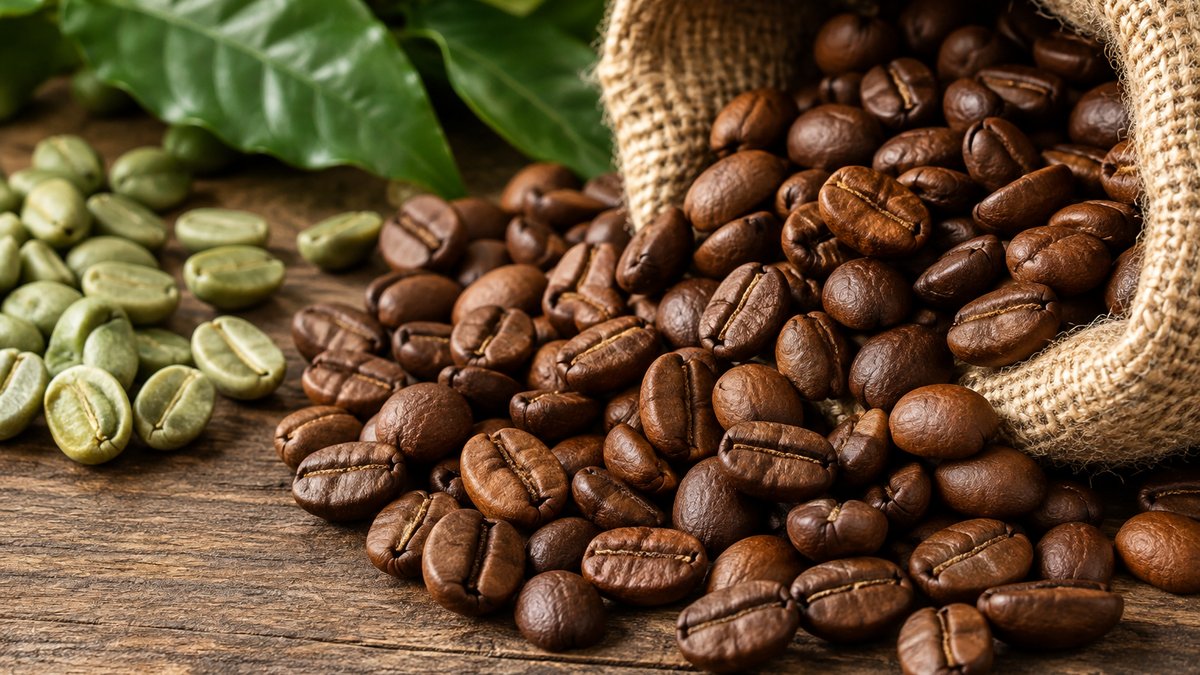
Arabica and Robusta are the two coffee species most widely grown for commercial trade. Arabica is Coffea arabica; Robusta is the common trade name for Coffea canephora. Buyers comparing green coffee should treat species as one part of the specification. It does not, by itself, establish a bean's grade, cup quality, processing method or suitability for a particular blend.
The species tend to differ in growing conditions and cup characteristics. The International Coffee Organization's Coffee Development Report 2020 describes Arabica as generally associated with higher growing altitudes and a softer, sweeter cup profile, with fruit, sugar and chocolate notes. It describes Robusta as generally stronger and more bitter, with higher caffeine content. These are broad tendencies, not a reliable sensory description of every lot. Cultivar, growing environment, harvest maturity, processing, storage, roast and brewing all affect the result.
That variation matters in contracts. A buyer who requests only “Arabica” has identified a species, but has not specified the cup profile, physical grade, origin, preparation or delivery terms needed to compare offers. A Robusta request needs the same level of detail. Sellers should describe the actual lot rather than relying on a species name to imply quality.
Caffeine is another commonly cited distinction. The ICO report describes Robusta as containing roughly twice as much caffeine as Arabica. Treat that as a general comparison, not a guaranteed value for a shipment: caffeine varies among coffees, and the species label does not replace a laboratory result when a buyer needs a stated measurement.
The species names also do not set a universal price relationship. The ICO report discusses historical differences in value, but a current offer depends on the lot, quality evidence, availability, contract basis, shipment timing and market conditions. Buyers should compare quotations for equivalent specifications and delivery terms instead of applying a fixed Arabica-to-Robusta price rule.
2. Arabica and Robusta Compared for Buyers
For trade decisions, compare Arabica and Robusta across the attributes that affect the intended use and the contract. The characteristic column below describes common tendencies, not specifications guaranteed by the species name.
These are not official grade definitions. World Coffee Research's variety catalog covers multiple cultivated varieties within each species, and notes that varieties differ in performance and adaptation to local conditions. The Specialty Coffee Association's Coffee Value Assessment also treats physical attributes, sensory description, evaluator preference and information such as origin or processing as separate assessment areas. Buyers should therefore evaluate the coffee lot, not infer its full commercial value from the species label.
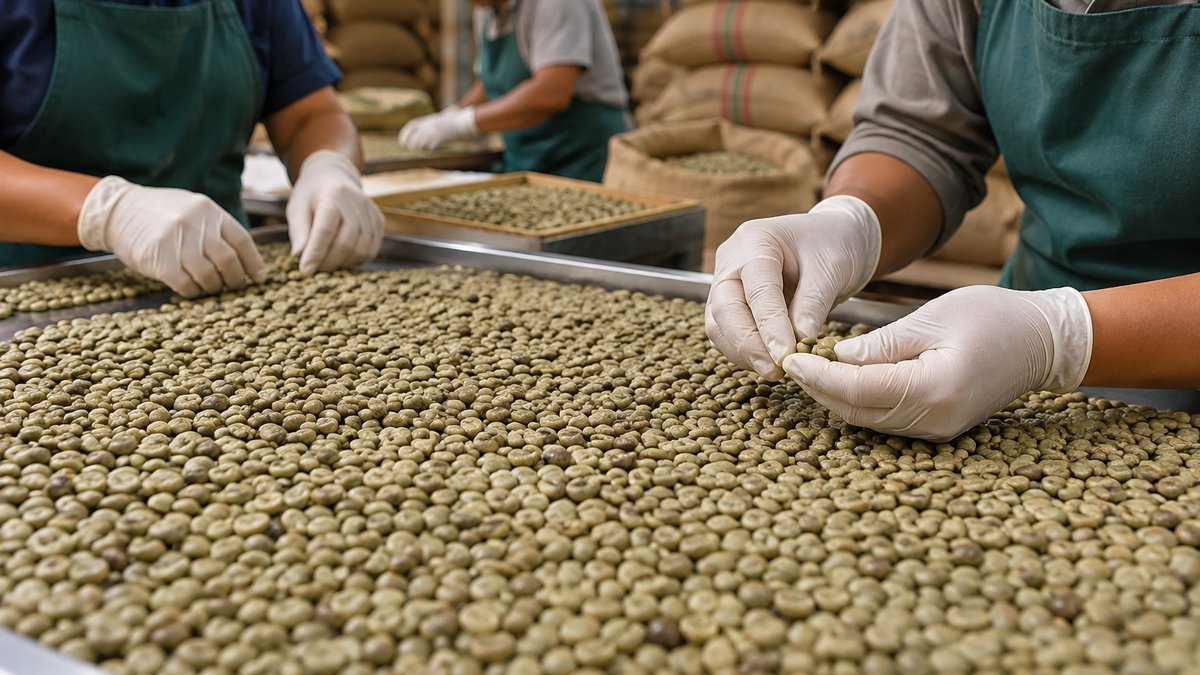
For green coffee, the offer should identify the lot's origin and harvest or crop period where available, variety or cultivar where known, processing method, screen size or other physical specification, moisture and defect criteria, packaging, quantity and shipment terms. The contract should explain how the parties will assess quality, including any sample approval, inspection or dispute procedure. If a buyer requires a particular cup profile, both parties should agree how it will be evaluated and documented.
A roasted-coffee buyer needs additional detail, including roast level, whole-bean or ground form, pack format and shelf-life expectations. A species comparison alone cannot make roasted offers comparable if the roast, freshness or package differs. For soluble coffee, confirm the product format and technical parameters required by the buyer's manufacturing or retail use.
Buying consideration: Before comparing offers, ask each supplier to identify the exact lot and provide the same agreed physical and sensory specifications. Confirm which attributes are measured, which are descriptive, and which appear only as a claim in the offer.
3. A Sourcing Scenario: Choosing Coffee for an Espresso Blend
A roaster planning an espresso blend may assess Arabica and Robusta lots for different contributions to the finished cup. The decision depends on the roaster's target profile and test results, not on a rule that one species must always be used for a particular purpose. The ICO notes that Robusta is used in espresso blends, while quality variation exists within both species.
In an illustrative sourcing exercise, the buyer requests samples of both species and evaluates them using the same roast and preparation method. The buyer records sensory results, checks the physical condition of each green-coffee lot, and tests the proposed blend before agreeing a purchase. This approach lets the buyer judge the actual coffees against the intended recipe rather than treating the species names as a quality score.
Illustrative inquiry format:
Product: Green Arabica coffee or green Robusta coffee; identify species and lot
Intended use: Espresso blend development
Quality details: State the agreed physical specifications and provide a representative sample for evaluation
Commercial details: State quantity, packaging, shipment term, destination and delivery schedule
This is an illustrative inquiry format. The final specifications and evaluation method should reflect the buyer's product and contract.
The buyer should keep the comparison controlled. If the two samples differ in roast, freshness, brewing recipe or preparation, those differences can affect the tasting and complicate the species comparison. For a purchase contract, the approved sample should be connected clearly to the lot and agreed quality terms; a sample that cannot be matched to the shipped coffee offers little protection.
The same method applies when a buyer is sourcing for soluble coffee, retail packs or food service. Define the required product form and performance first, then test lots against the specification. A general expectation about Arabica or Robusta can help frame a search, but it cannot replace assessment of the actual shipment.
Looking to Source Arabica Coffee?
Connect with verified suppliers, discover matching products, and explore sourcing opportunities from global markets.
4. When Should Buyers Choose Arabica or Robusta?
Choose by the buyer's intended cup, product format, quality requirements and cost calculation. Arabica may fit a buyer seeking a lot with the sensory profile commonly associated with the species, provided the tested coffee meets the buyer's requirements. Robusta may fit a formulation or product that calls for its characteristic profile or higher caffeine tendency. Neither species is automatically the better purchase.
4.1 When Arabica may fit the specification
A buyer may shortlist Arabica when the target product calls for a softer profile, perceived acidity or a specific origin and variety. Specialty and single-origin buyers may also use Arabica, but the species name alone does not establish specialty quality. Request lot-level evidence such as a representative sample, physical analysis, agreed sensory description and traceability details.
Producers and exporters should state the Arabica variety when known and supported by their records. They should also distinguish verified lot details from general descriptions. For example, a claimed fruit-forward profile should be supported by a sample or agreed evaluation rather than presented as a feature of every Arabica shipment.
4.2 When Robusta may fit the specification
A buyer may shortlist Robusta when the formulation calls for its characteristic stronger profile or when the buyer's product requirements favor its typical caffeine tendency. Robusta is also used in soluble coffee production and some espresso blends. Buyers should assess the specific lot, since cup quality varies and high-quality Robusta exists.
The word “Robusta” is not a substitute for a grade or a quality assessment. Buyers should set acceptable limits for defects and moisture, specify any screen or bean-size requirements, and agree on sample evaluation. Sellers should identify the origin, lot and processing information that they can substantiate.
4.3 When a blend or a side-by-side trial makes sense
A buyer whose product can use either species may test both lots or evaluate a blend. Set the target taste, product format and evaluation method before requesting quotations. Then compare the landed cost and performance of the coffee under the same preparation conditions. The blend ratio, if used, should be agreed through testing and recorded in the product specification.
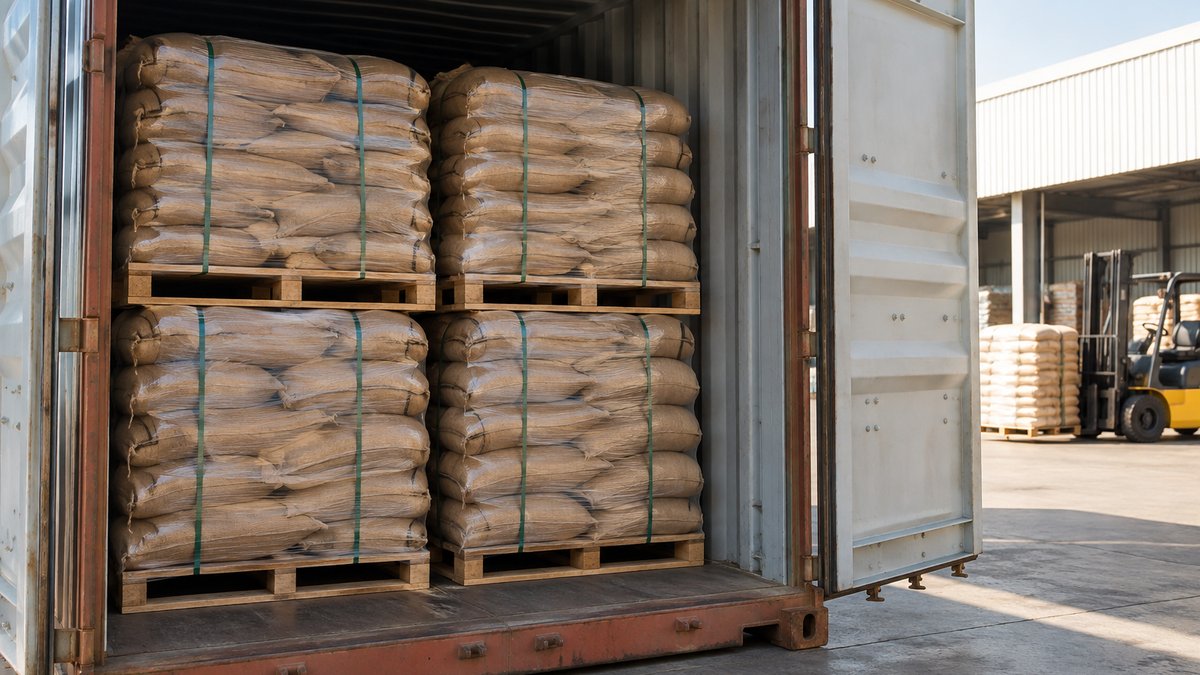
Regardless of species, the contract should cover quantity, packaging, delivery basis, shipment timing, payment, documents and the procedure for handling quality disputes. Import requirements and required certificates depend on the destination and product form, so confirm the rules that apply to the specific shipment.
5. Related Coffee Resources and Sourcing
This comparison was checked against the cited resources on November 13, 2026. World Coffee Research's catalog can help buyers and sellers distinguish species from cultivated varieties and review variety information. The Specialty Coffee Association's Coffee Value Assessment explains how physical, sensory, preference and extrinsic information can be assessed separately.
Buyers can review Arabica Coffee buying requests on Freshdi and Arabica Coffee supplier listings when looking for relevant sourcing opportunities. A listing does not establish that a lot meets a buyer's specification; confirm the lot details, samples and commercial terms before contracting.
For a useful Arabica-versus-Robusta comparison, ask suppliers for offers that share the same quantity, delivery basis, packaging requirements and quality assessment method. Compare the identified lots against the end use, and record any approved sample and contract tolerances before shipment.
References
1. International Coffee Organization – Coffee Development Report 2020, 2020.
2. World Coffee Research – What's Included: Coffee Varieties Catalog, Accessed November 13, 2026.
3. Specialty Coffee Association – Coffee Decoded: What Makes Coffee Bitter?, Accessed November 13, 2026.
4. Specialty Coffee Association – Coffee Value Assessment, Accessed November 13, 2026.
Disclaimer: This article is compiled from platform data, public sources and information provided by third parties, for general informational purposes only. We do not guarantee its accuracy or completeness. It is not legal, customs, tax or compliance advice. Regulations, tariffs and requirements differ by country and change frequently, so please consult a qualified professional (such as a customs broker, freight forwarder or lawyer) and confirm product specifications with the supplier before acting.