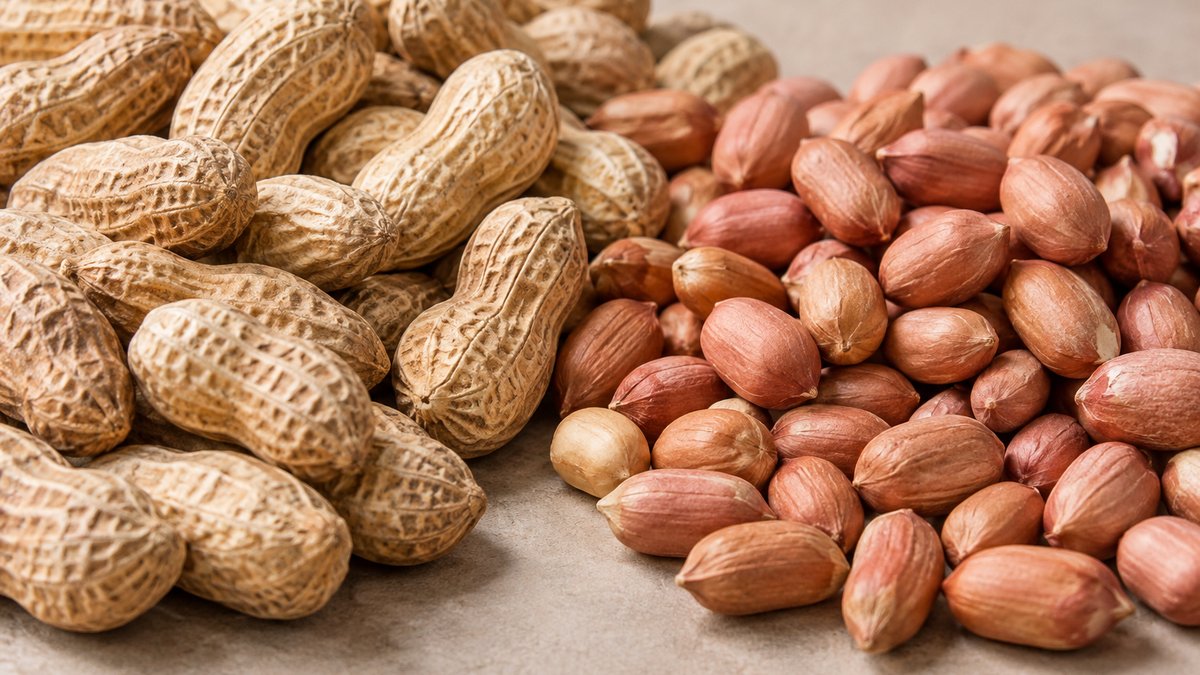

1. How Do In-Shell and Shelled Peanuts Differ?
The difference is the form in which the peanuts are traded. In-shell peanuts are whole pods containing kernels; shelled peanuts are the kernels removed from those pods. The terms describe product form, not variety, grade, freshness or intended use.
Codex Alimentarius defines peanuts for its Standard for Peanuts, CXS 200-1995, as peanuts in the pod or as kernels from Arachis hypogaea L. The standard covers peanuts intended for processing for direct human consumption. Codex lists the standard as amended in 2026. It provides a shared reference, but buyers should check the rules that apply in the destination market and any requirements set by their contract.
In-shell lots retain the outer pod through the sale and shipment. A buyer who needs kernels must arrange for shelling before the kernels can go into a recipe, processing line or repacking operation. Shelled lots arrive in kernel form, ready for the next specified handling or processing step. That difference affects what the buyer receives by weight and which condition the parties need to inspect.
The form alone does not establish quality. A shell may look acceptable while the kernels inside still need evaluation; a shelled lot makes the kernels more directly available for inspection, but its name does not promise a particular size, whole-kernel percentage or defect level. The contract should identify the product form and separately state the quality measures, grade or acceptance criteria the parties have agreed to.
USDA Agricultural Marketing Service (AMS) publishes separate grade standards for some peanut forms and types, including cleaned Virginia peanuts in the shell and shelled Runner peanuts. AMS describes its U.S. grade standards for nuts as voluntary, uniform language for describing quality and condition. A grade name should therefore be tied to the applicable standard and contract; it is not a universal grade definition for every origin or market.
2. In-Shell Peanuts vs Shelled Peanuts: Comparison Table
The commercial distinction is whether the shipment contains pods or loose kernels. Buyers can use the comparison to identify which product to request, then write the quality and delivery terms separately.
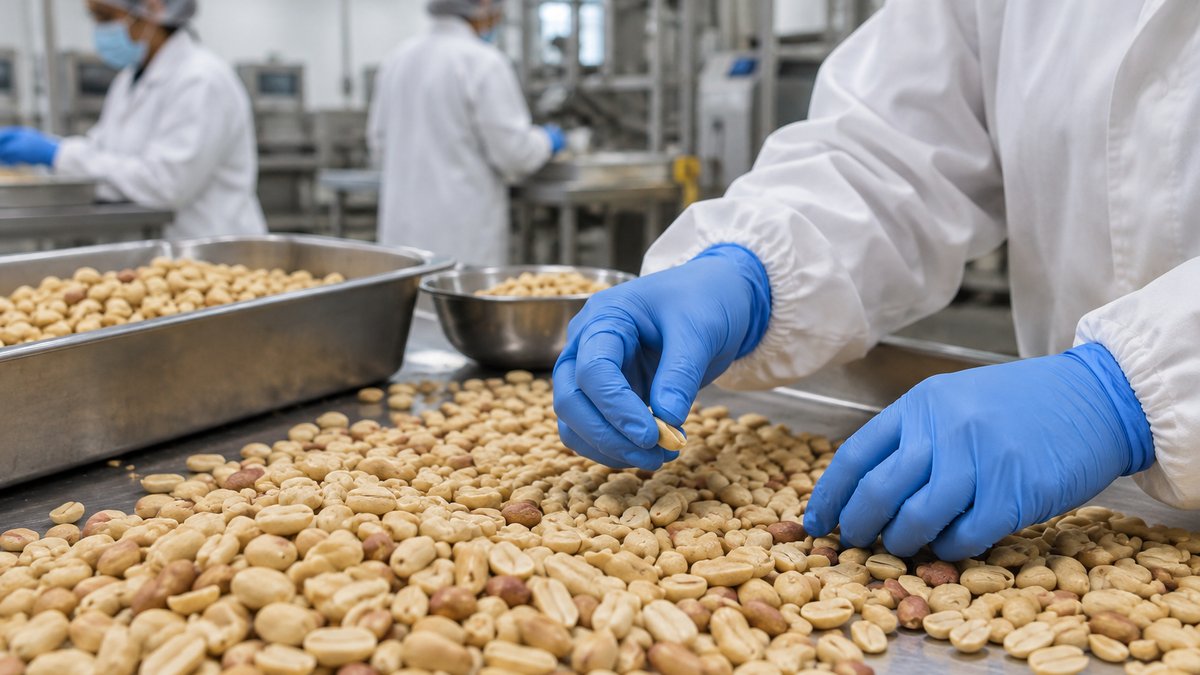
A price per tonne for in-shell peanuts cannot be compared directly with a price per tonne for shelled kernels as though both amounts contained the same quantity of kernel. The in-shell weight includes pods, while the shelled weight does not. Any yield comparison needs an agreed method and representative lot information; do not assume a fixed shelling-outturn percentage from the product names.
Grading also needs a precise reference. USDA AMS has standards for particular types and forms, including cleaned Virginia peanuts in the shell and shelled Runner peanuts. Those examples do not create a single U.S. grade that applies to every peanut. If a contract uses a grade term, identify the standard, peanut type, inspection method and any extra tolerances agreed by buyer and seller.
Buying consideration: When comparing offers, put product form, quantity basis, peanut type, grade and inspection criteria on the same footing before comparing price or expected processing cost.
3. Example: Choosing a Form for a Shipment
Consider a buyer sourcing peanuts for a food-processing line that takes kernels as its input. Shelled peanuts match that receiving format, so the buyer can specify the required kernel type, grade, size, whole or split condition, foreign-material limit and packaging. The buyer should also state whether the shipment is raw or has undergone another treatment.
A different buyer may be purchasing peanuts for a product sold in the pod. In-shell peanuts fit that request, but the buyer should define the desired type and size, acceptable pod damage, the condition of the kernels inside and the packaging. If the buyer expects to shell the product after arrival, that downstream step belongs in the cost and handling assessment.
These examples do not establish a universal use for either form. A buyer may need kernels for further processing, or may need pods for a product or operation that retains them. The intended use determines which form to ask for; the agreed specification determines whether a particular lot is acceptable.
For either shipment, the parties should state how they will assess quality. A visual check of pods cannot provide the same information as inspecting a kernel sample. Likewise, the term shelled does not say whether kernels are whole, split or broken, or what defect tolerances apply. Agree on sampling, inspection, acceptance and rejection procedures before shipment rather than relying on a short product label.
Illustrative inquiry format:
Product form: In-shell or shelled
Peanut type and grade: State the required type and the standard, if applicable
Quality: Specify size, condition, defects and acceptance criteria
Quantity and packaging: State quantity, unit of measure and packaging
Shipment terms: State destination, delivery term and requested schedule
This is an illustrative inquiry format, not a universal specification. Requirements depend on the product, intended use, contract and destination.
Buying consideration: Ask suppliers to quote against the same product form, unit, grade reference, packaging and delivery basis so each offer answers the same request.
Looking to Source Peanut?
Connect with verified suppliers, discover matching products, and explore sourcing opportunities from global markets.
4. When Should Buyers Choose In-Shell or Shelled Peanuts?
Choose in-shell peanuts when the required product is the pod or when the buyer's planned operation includes shelling after receipt. Choose shelled peanuts when the contract calls for kernels as the delivered product. These choices should follow the buyer's process and product specification, not an assumption that one form is inherently higher quality.
4.1 Choose in-shell peanuts when the pod is part of the requirement
An in-shell specification should describe both the outer pod and the kernels it contains. The USDA AMS cleaned Virginia in-shell grade page, for example, sets requirements concerning maturity, dryness, foreign material, damaged shells and kernel condition for the grades it describes. Those criteria are specific to that standard. They should not be transferred automatically to a different peanut type, origin or contract.
If the buyer plans to shell the shipment, the expected kernel recovery is commercially relevant. Establish how the parties will sample and calculate it, and identify whether the agreed weight is gross in-shell product or recovered kernels. A clearly defined method gives both sides a basis for evaluating the lot without treating a general conversion estimate as a guarantee.
4.2 Choose shelled peanuts when kernels are the receiving specification
For a kernel-based requirement, state whether the lot should contain whole kernels, splits or a defined mix. Include type, size, grade reference, foreign material and defect tolerances. USDA AMS's shelled Runner standard, for example, defines grades using kernel characteristics and sets tolerances for matters such as splits, damaged or unshelled peanuts and foreign material. Its terms apply to the named Runner standard, not to all shelled peanuts.
Codex CXS 200-1995 also gives quality and composition provisions for peanuts in its stated scope, which includes pods and kernels intended for processing for direct human consumption. The Codex standard is a reference for the product scope it describes; destination-country rules and contract specifications still need to be checked for the actual transaction.
For either form, confirm the intended food use and applicable safety requirements with the buyer and relevant authorities. The article's form comparison does not determine legal admissibility, a required certificate or a specific limit for a destination. Those details depend on the market, product and shipment.
Buying consideration: Before placing an order, write down the form, type, quality standard, test or inspection method, packaging and quantity basis. Add any destination-specific requirements only after checking that they apply to the shipment.
5. Related Resources for Peanut Buyers and Sellers
Use the Codex Standard for Peanuts and the applicable USDA AMS grade page as references for the product and standard they actually cover. Codex's standard addresses peanuts in pods or kernels within its stated processing scope. USDA AMS publishes separate standards for specific peanut types and forms, and states that U.S. nut grade standards are voluntary.
A grade reference is useful only when the contract makes clear which standard and product type apply. For an in-shell lot, describe pod condition and how the kernels inside will be assessed. For a shelled lot, specify kernel form and the agreed quality limits. The buyer and seller should also settle sampling, inspection, packaging, quantity basis and the consequences of a lot failing the agreed criteria.
Freshdi can help buyers review peanut buying requests and sellers review potential peanut suppliers. Compare each listing with the specification you have prepared, then confirm product form and commercial details for the transaction.
Buyers and sellers comparing peanut requirements can review related requests and supplier listings on Freshdi.
View Latest Bean, Nut & Seed Buying Requests →View Potential Bean, Nut & Seed Suppliers →
References
1. Codex Alimentarius – Standard for Peanuts, CXS 200-1995, 2026.
2. USDA Agricultural Marketing Service – Nuts: Grades and Standards, Accessed 13 November 2026.
3. USDA Agricultural Marketing Service – Cleaned Virginia Type Peanuts in the Shell Grades and Standards, Accessed 13 November 2026.
4. USDA Agricultural Marketing Service – Shelled Runner Type Peanuts Grades and Standards, Accessed 13 November 2026.
Disclaimer: This article is compiled from platform data, public sources and information provided by third parties, for general informational purposes only. We do not guarantee its accuracy or completeness. It is not legal, customs, tax or compliance advice. Regulations, tariffs and requirements differ by country and change frequently, so please consult a qualified professional (such as a customs broker, freight forwarder or lawyer) and confirm product specifications with the supplier before acting.