
Introduction
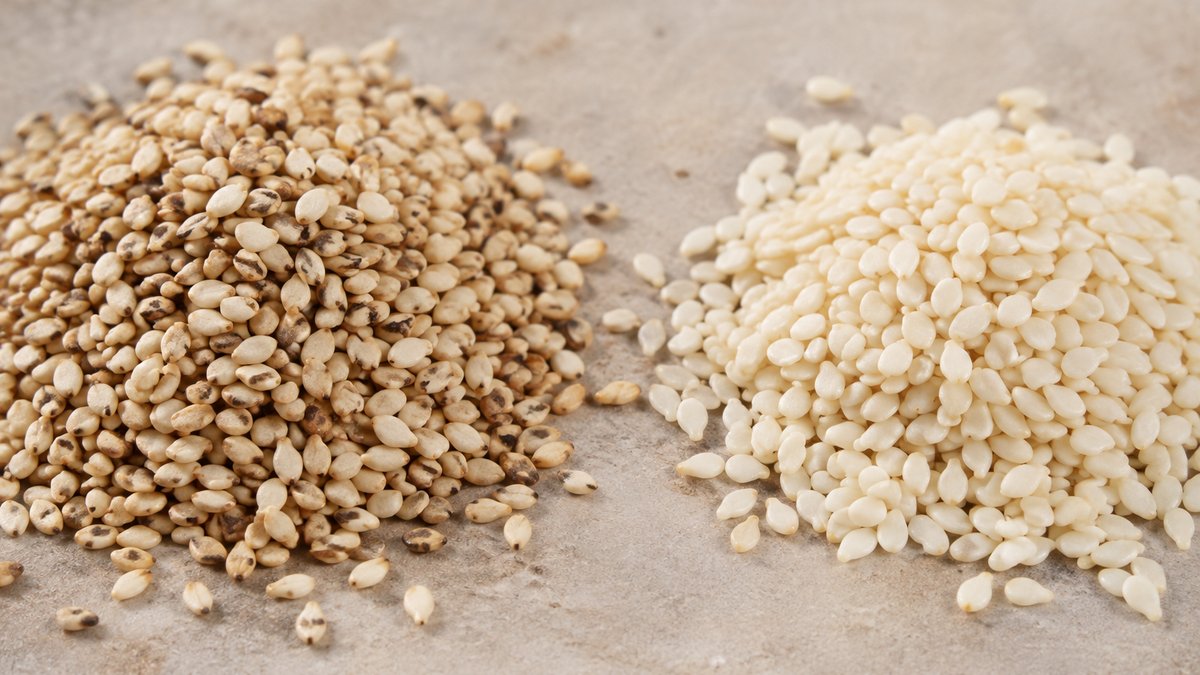
Hulled and natural sesame seeds differ in one main feature: whether the seed coat has been removed. Hulled seeds have been dehulled; natural seeds retain the coat. That processing choice affects appearance and the work needed before use, but it does not by itself establish a seed's grade, safety, origin or quality.
For importers and exporters, the distinction belongs in the product description and contract. A buyer comparing offers should confirm the seed form alongside color, purity, moisture, intended use, packaging and destination requirements. The term “natural” can vary across commercial descriptions, so state explicitly whether the coat must remain intact.
1. Hulled sesame has its seed coat removed; natural sesame retains it
Hulled sesame is seed that has gone through dehulling, a process that separates the outer coat from the kernel. Natural sesame is commonly used in trade for seed supplied with its coat intact. India's Oilseeds and Produce Export Promotion Council uses “natural sesame seed” for the unhulled form and describes dehulled sesame as commonly termed hulled sesame.
Ask the supplier to confirm the processing status in writing rather than relying on a color description or a product name alone. Light-colored seed is not proof that it is hulled, and a product description such as “white sesame” does not state whether the coat remains. Agree on the requested form and, where visual appearance matters, check a representative sample.
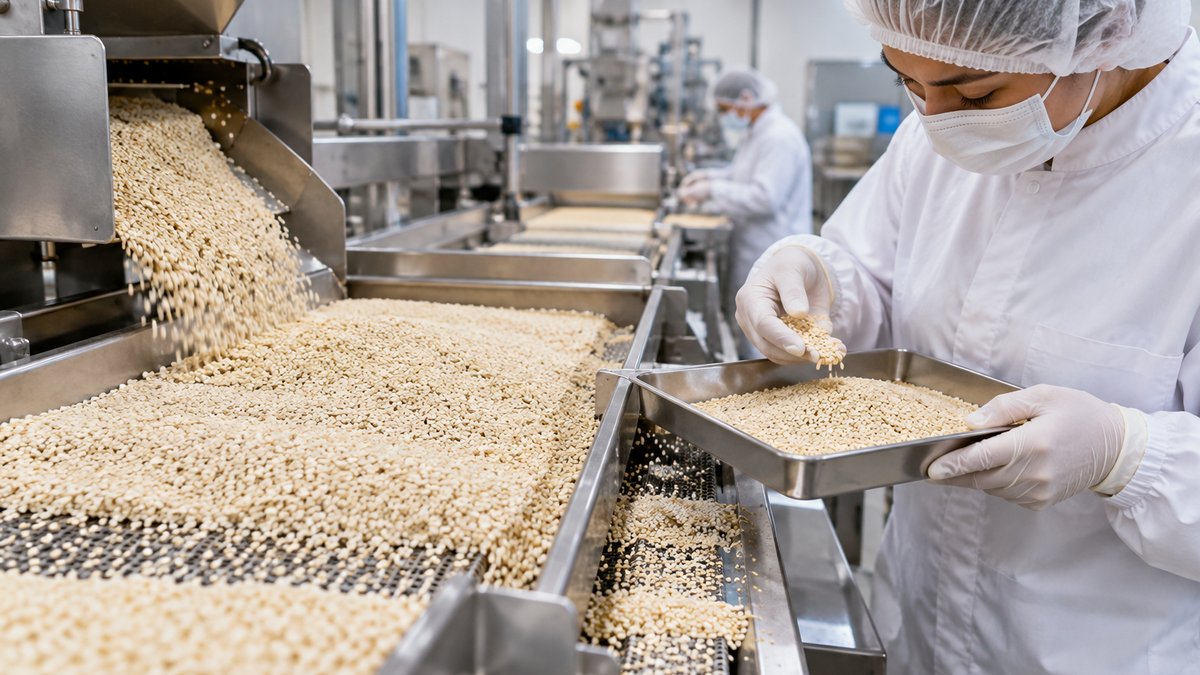
Dehulling typically involves cleaning, wetting or soaking, mechanical rubbing or another separation step, then washing, separating and drying the kernels. Methods and process controls differ. India's Ministry of Micro, Small and Medium Enterprises describes a process using cleaning, a sodium hydroxide solution, washing, hull removal and drying. That account describes one process, not a required method for every supplier or market.
Removing the coat changes the quantity of saleable kernel recovered from a given amount of raw seed. A 2022 study on sesame dehulling describes the hull as a share of the whole seed and examines how process conditions affect separation. The recovery from a commercial lot depends on the raw material and process; buyers should not assume a fixed conversion rate or compare one tonne of raw seed with one tonne of hulled product as if processing loss did not matter.
The two forms are also used differently. The Agricultural Marketing Resource Center notes that tahini is made from hulled sesame and that some cleaned natural seed is used whole in foods such as bakery products. Sesame seed also goes to oil processing. Those examples describe common uses, not exclusive rules: buyers should match form to the recipe, processing line and finished-product specification.
The comparison table describes product form, not a universal quality ranking. CBI's guidance for sesame exporters says there is no single official quality standard for sesame seeds in the European market and that buyer requirements vary. Its cited grading considerations include color, purity, oil content and seed quality. Buyers should therefore agree the measurable limits for the lot instead of treating “hulled” or “natural” as a complete grade.
2. A tahini buyer and a bakery buyer may specify different sesame forms
Consider two buyers sourcing sesame for different production lines. A tahini manufacturer requests hulled seed because its product specification calls for kernels with the coat removed. A bakery buyer requests natural seed to apply whole on a product surface. The example shows how an end use can set the requested form; it does not establish that every tahini or bakery producer uses that form.
The buyers should not compare supplier quotations until they know whether each offer covers the requested form. If one offer is for natural seed and another for hulled seed, the quoted price per tonne compares different products. For the hulled offer, the buyer may also need to understand the agreed purity, residual hull tolerance and any other product criteria. For the natural offer, confirm that the seed coat is intact to the required extent and that cleaning and foreign-matter limits meet the contract.
Each buyer can then build a specification around the manufacturing process. Both can state the sesame form, color, purity or foreign-matter limit, moisture limit, quantity, packing, crop or shipment timing and destination. A buyer with a particular application can add a sample approval step, size or other requirement if the finished product depends on it. The relevant values should come from the buyer's needs and applicable requirements, not from a generic example.
The seller should describe its offer at the same level. “Sesame seed, hulled” leaves color, purity, moisture, origin and pack unresolved. “Sesame seed, natural” leaves those same commercial details open and may leave the meaning of natural unclear. A quotation that identifies the form and states the agreed specifications gives both parties a sounder basis for comparison.
Illustrative inquiry format:
Product form: Hulled sesame seed or natural sesame seed, state one
Intended use: Name the buyer's application
Quality: State agreed color, purity, moisture and other required limits
Commercial details: Quantity, packaging, destination and requested delivery term
This is an illustrative inquiry format, not a universal sesame specification. Set the limits and requirements for the actual product and destination.
Looking to Source Sesame Seed?
Connect with verified suppliers, discover matching products, and explore sourcing opportunities from global markets.
3. Choose the form that matches the product line and contract
Choose hulled sesame when the buyer's formulation or processing line calls for kernels with the coat removed. Choose natural sesame when the buyer needs whole seed with the coat retained. Neither form is automatically superior or more suitable for all food uses. The buyer's process, finished-product requirements and destination rules determine the choice.
3.1 Choose hulled sesame when the buyer requires dehulled kernels
A tahini maker is one example: the Agricultural Marketing Resource Center identifies hulled sesame as the form used for tahini. A buyer seeking that form should specify “hulled” or “dehulled,” then agree acceptable color, purity, moisture and any residual hull tolerance. If the product will be roasted or milled, clarify whether the supplier's offer is raw or already processed in another way. “Hulled” alone does not say whether the seed is roasted.
Because dehulling is a processing operation, buyers should ask how the product is handled and dried after the coat is removed when those details affect their process or safety plan. Request the documents and test results required under the contract and destination rules. Do not assume that a dehulling description certifies food safety or establishes compliance with an import requirement.
3.2 Choose natural sesame when the coat must remain
Natural seed can suit applications that call for whole sesame, including some bakery uses. Buyers should write that the seed is to be supplied unhulled, with the coat retained. They should also agree the required color and acceptable levels of foreign matter, damaged seed and other defects relevant to their process.
Natural seed may also be considered for oil processing, but the buyer should compare lots using the criteria that matter to the mill, such as the agreed oil-content test if included in the contract. The intended use does not remove the need to specify quality and safety requirements. A seed description is not a substitute for test methods, sampling terms or acceptance limits.
3.3 Confirm destination rules separately from product form
Import requirements depend on the destination and the exact product. As one jurisdiction-specific example, Australia's Department of Agriculture, Fisheries and Forestry lists requirements for sesame seed imports that can include hulled seed and freedom from quarantine-risk material and unhulled seeds for a particular import case. This does not make hulling a universal export or import requirement. Check the current rule for the actual origin, destination, product and permit before contracting.
For an offer comparison, put the product form first, then align each quote on specification, quantity, packing, shipment basis and timing. If one supplier quotes natural seed and another hulled seed, request a revised quote for the same form or keep them as separate options. If conversion from natural to hulled is part of the buyer's own process, compare the resulting usable product and processing costs using figures supplied or measured for the lots under consideration.
4. Use standards, destination rules and Freshdi listings for different checks
Standards and market guidance help define the checks buyers need, while the contract sets the agreed product limits. CBI's buyer guidance identifies color, purity, oil content and seed quality as sesame grading considerations, and says quality depends on the buyer's specification. A buyer should use those categories to frame a discussion, not treat a general guide as a product specification.
For a shipment, verify the importing country's current food-safety, residue, labeling and plant-health requirements with the relevant authorities. These requirements can differ by market and product condition. A rule applying to hulled seed under a particular import pathway should not be applied to natural seed or another destination without checking its scope.
Contract terms should identify the test or inspection method when a quality limit depends on measurement. Agree who takes the sample, when sampling occurs, which laboratory or method applies, and what happens if results fall outside the agreed limits. Keep form, lot identification, crop information, packing and documents tied to the same shipment so the buyer can assess the delivered goods against the purchase contract.
Buyers and exporters can use Freshdi's Sesame Seed buying requests and supplier listings to review relevant sourcing activity and potential offers. Compare each listing with the required form and specification, then verify commercial and product details directly through the transaction process.
References
1. Centre for the Promotion of Imports from Developing Countries – Entering the European market for sesame seeds, 2024.
2. Ministry of Micro, Small and Medium Enterprises, Government of India – Confectionery Grade Sesame Seed, 2021.
3. Journal of Food Science and Technology – Design and development of low cost sesame dehuller and its process standardization, 2022.
4. Agricultural Marketing Resource Center – Sesame Profile, Accessed 2026.
5. Department of Agriculture, Fisheries and Forestry, Australian Government – Micor: Sesame, Accessed 2026.
6. Indian Oilseeds and Produce Export Promotion Council – SOP for Testing of Sesame Seeds for Export to USA, Accessed 2026.
Disclaimer: This article is compiled from platform data, public sources and information provided by third parties, for general informational purposes only. We do not guarantee its accuracy or completeness. It is not legal, customs, tax or compliance advice. Regulations, tariffs and requirements differ by country and change frequently, so please consult a qualified professional (such as a customs broker, freight forwarder or lawyer) and confirm product specifications with the supplier before acting.