
1. Tapioca Starch and Cassava Flour Differ in How the Root Is Processed
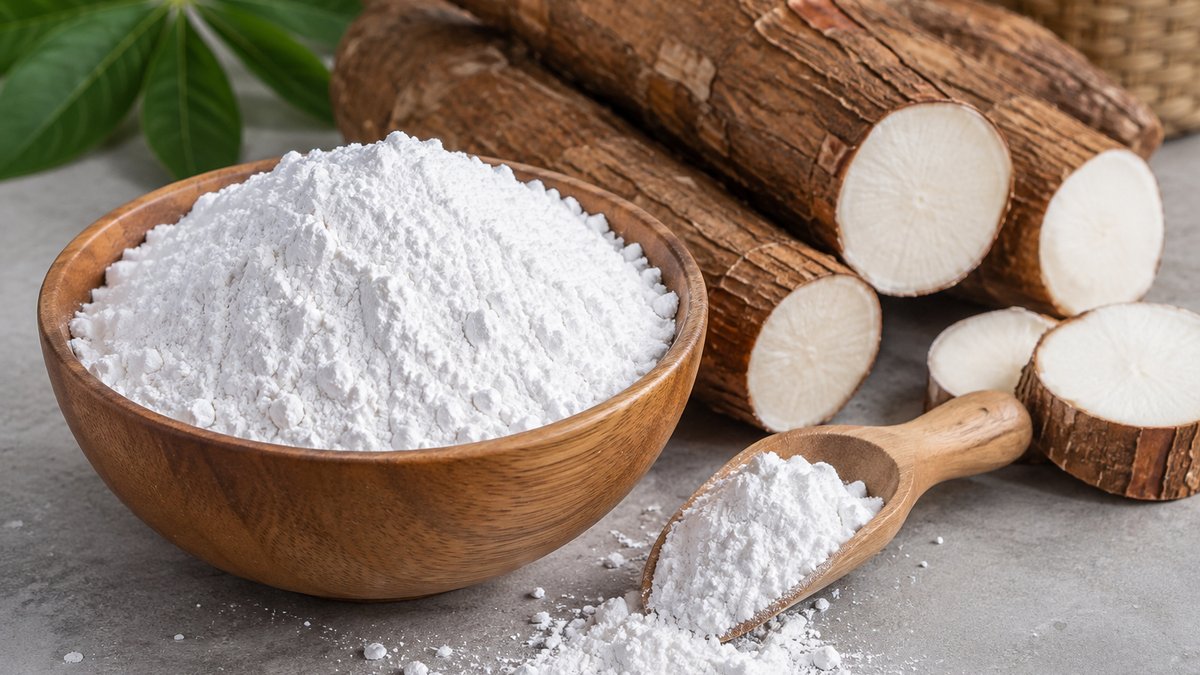
Tapioca starch is starch separated from cassava roots; edible cassava flour is made by drying and milling cassava material. The products come from the same crop, but they are made differently and serve different formulation needs.
The distinction matters in B2B buying because the product name alone may not specify extraction method, particle size, composition or functional performance. A food processor buying starch for a thickener needs a different ingredient specification from a manufacturer buying flour for a flour-based mix.
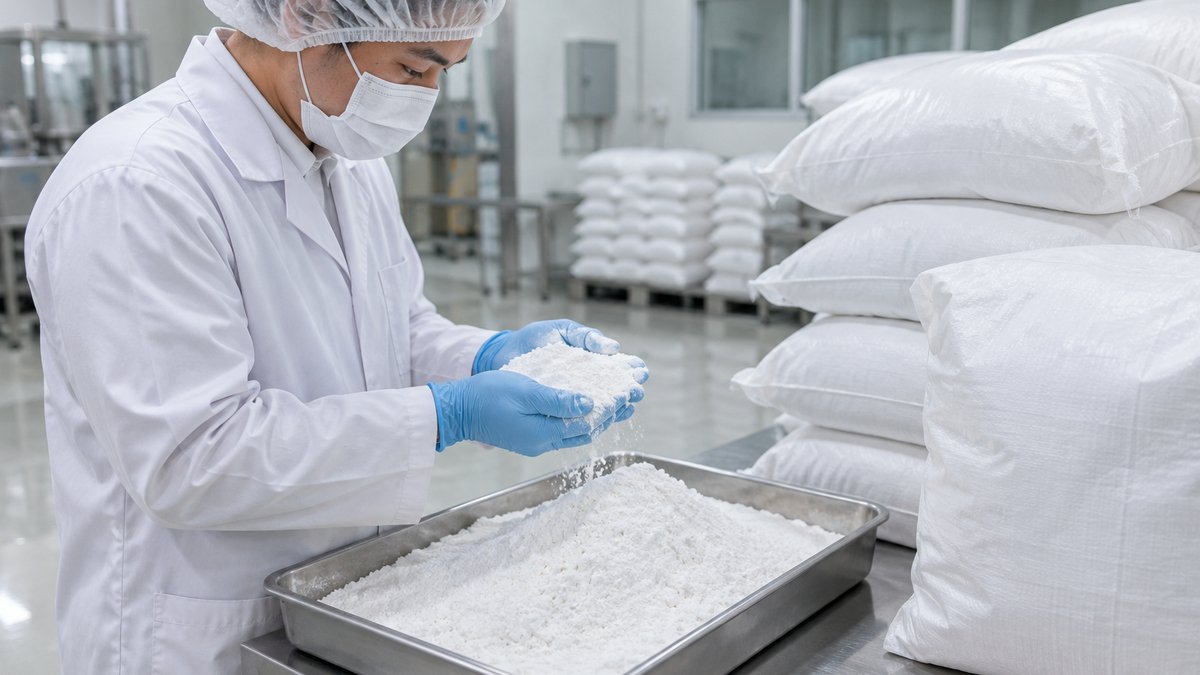
Codex defines edible cassava flour as a product prepared from dried cassava chips or paste by pounding, grinding or milling, followed by sifting to separate fiber. Tapioca starch is separated from cassava tubers as starch granules. The starch extraction process uses wet processing and purification, so the resulting ingredient is more concentrated in starch than flour.
The terms can be confusing in commercial listings. Some sellers use “tapioca flour” to mean tapioca starch, while “cassava flour” commonly identifies a flour product. In the United States, FDA guidance says starch from sources other than corn should be named with a term that identifies its source, such as “tapioca starch.” Buyers should still confirm the supplier’s actual product and process rather than rely on a label alone.
For a contract or purchase inquiry, state whether the requirement is extracted cassava starch or edible cassava flour. If a supplier uses “tapioca flour,” ask whether it is starch or flour and request the product specification before comparing offers.
2. How Tapioca Starch and Cassava Flour Compare
The main sourcing difference is product composition: tapioca starch is the extracted starch ingredient, while cassava flour is a milled root product with a broader range of root-derived components. The precise composition and performance can vary with the cassava material and processing method.
The table describes the broad product distinction, not a universal grade specification. Suppliers may use different processing methods, and product properties can vary. Buyers should compare the same test methods, units and specifications across quotations.
The word “native” means starch that has not been chemically or physically modified to change its properties. If the formulation requires modified starch, specify the modification and the performance requirement instead of ordering generic tapioca starch. For flour, state whether the process must be fermented or unfermented when that matters to the product.
Neither name defines the full safety or quality profile. Codex has a standard for edible cassava flour, but the buyer must check the current rules that apply in the destination country and to the specific food. The product standard should not be treated as a substitute for local import requirements, agreed contract terms or the buyer’s own testing plan.
Buying consideration: Before accepting quotations, ask each supplier for the product name used on the specification sheet, the processing description, the grade and the test results relevant to your application. Compare moisture and particle size in the same units, and compare functional results only when suppliers used comparable test methods.
3. A Formulation Scenario Shows Why the Product Name Matters
Consider a manufacturer developing a gluten-free product that needs a chewy texture and a separate flour-based mix for baked goods. Tapioca starch may be trialed as a starch ingredient for texture or thickening. Cassava flour may be trialed where the formula calls for cassava as a flour component. The exact result depends on the recipe and processing conditions, so these are development choices to test, not guaranteed outcomes.
If the manufacturer sends an inquiry for “tapioca flour,” suppliers may interpret the name as tapioca starch. One supplier might quote extracted starch while another quotes a flour product. Those quotations would not describe the same ingredient, even if both products came from cassava.
A clearer inquiry identifies the intended product and function. For example: “native tapioca starch for a food formulation, with specified moisture and viscosity requirements” is more precise than “tapioca flour.” If flour is needed, specify “edible cassava flour” and state the particle size, moisture limit and any process or composition requirements set by the formulation.
The buyer should then test samples in the actual formula. A supplier’s general description of thickening, binding or baking use does not establish how the ingredient will behave in a particular recipe. Record the dosage, hydration, heating conditions and finished-product result during trials, then use the successful specification in the purchase contract.
The comparison also affects logistics and quality review. A flour shipment and a starch shipment can have different agreed limits for color, particle size and composition. Buyers should set inspection criteria that match the actual item and intended use, rather than apply a generic cassava specification to both.
If the supplier’s product description uses the words “tapioca flour,” request a technical data sheet and a process statement. Confirm whether the ingredient is extracted starch, milled cassava flour or another cassava product before approving a sample or purchase order.
Looking to Source Tapioca Starch?
Connect with verified suppliers, discover matching products, and explore sourcing opportunities from global markets.
4. Choose the Ingredient That Matches the Formulation
Choose tapioca starch when the specification calls for cassava-derived starch as an ingredient for thickening, texture or another starch function. Choose cassava flour when the formulation calls for an edible flour made from cassava. A trial and a complete specification should settle the choice for a particular product.
For a starch purchase, define native or modified status, application, required viscosity or pasting performance, particle size and moisture. Include the test method and acceptable range for technical measures. Where the starch is intended for food production, include the food-safety and documentation requirements that apply to the buyer’s destination and operation.
For a flour purchase, define the intended food use, particle size, moisture and any required color, odor or composition parameters. If the formulation depends on fermentation or another processing condition, state that condition. Codex CXS 176-1995 is a reference for edible cassava flour; its current version was amended in 2024. Buyers should check the applicable national requirements for their shipment and product.
Do not assume the products can be substituted one-for-one. Flour and extracted starch differ in composition, so they can affect a recipe differently. Even two tapioca starches may perform differently if their grades or specifications differ. Ask suppliers for samples and technical information, then validate the ingredient in the intended production process.
For quotation comparison, make the commercial and technical bases consistent. Request the same product identity, grade, packaging, order quantity and delivery basis from each supplier. Compare the same units and test results, and identify any required certificates or destination-specific documents in the inquiry.
Buying consideration: If the application is not yet fixed, purchase trial quantities under a written sample specification before committing to bulk volume. Keep the approved product name and specification in the purchase order so the commercial description matches the ingredient that passed testing.
5. Related Standards and Sourcing Resources
Codex CXS 176-1995, Standard for Edible Cassava Flour, gives an international reference for edible cassava flour and was amended in 2024. It helps buyers identify the product scope, but destination-country rules and contract specifications still need to be checked for each shipment.
FDA’s guidance on common or usual names for starches explains the U.S. labeling context for starch from sources other than corn. The United States Pharmacopeia’s Tapioca Starch monograph defines tapioca starch as starch granules separated from cassava tubers. These sources address product identity in their respective contexts; neither replaces a buyer’s food-grade specification or import compliance review.
A peer-reviewed review of cassava flour and starch processing summarizes how extraction and milling affect composition and food applications. Buyers can use that technical background to frame questions for product development, then verify the supplier’s actual grade with a specification sheet and sample.
For a starting point in B2B sourcing, buyers can review tapioca starch buying requests on Freshdi and compare them with tapioca starch supplier listings. Confirm the exact product form and technical specification with each prospective trading partner.
References
1. Codex Alimentarius Commission – Standard for Edible Cassava Flour, CXS 176-1995, 1995, amended 2024.
2. U.S. Food and Drug Administration – CPG Sec. 578.100 Starches - Common or Usual Names, 1980.
3. United States Pharmacopeia – Tapioca Starch, USP-NF Monograph, 2022.
4. Journal of Food Science and Technology – Progress in research and applications of cassava flour and starch: a review, 2019.
Disclaimer: This article is compiled from platform data, public sources and information provided by third parties, for general informational purposes only. We do not guarantee its accuracy or completeness. It is not legal, customs, tax or compliance advice. Regulations, tariffs and requirements differ by country and change frequently, so please consult a qualified professional (such as a customs broker, freight forwarder or lawyer) and confirm product specifications with the supplier before acting.