
1. Autumn and spring harvests produce different commercial types of star anise
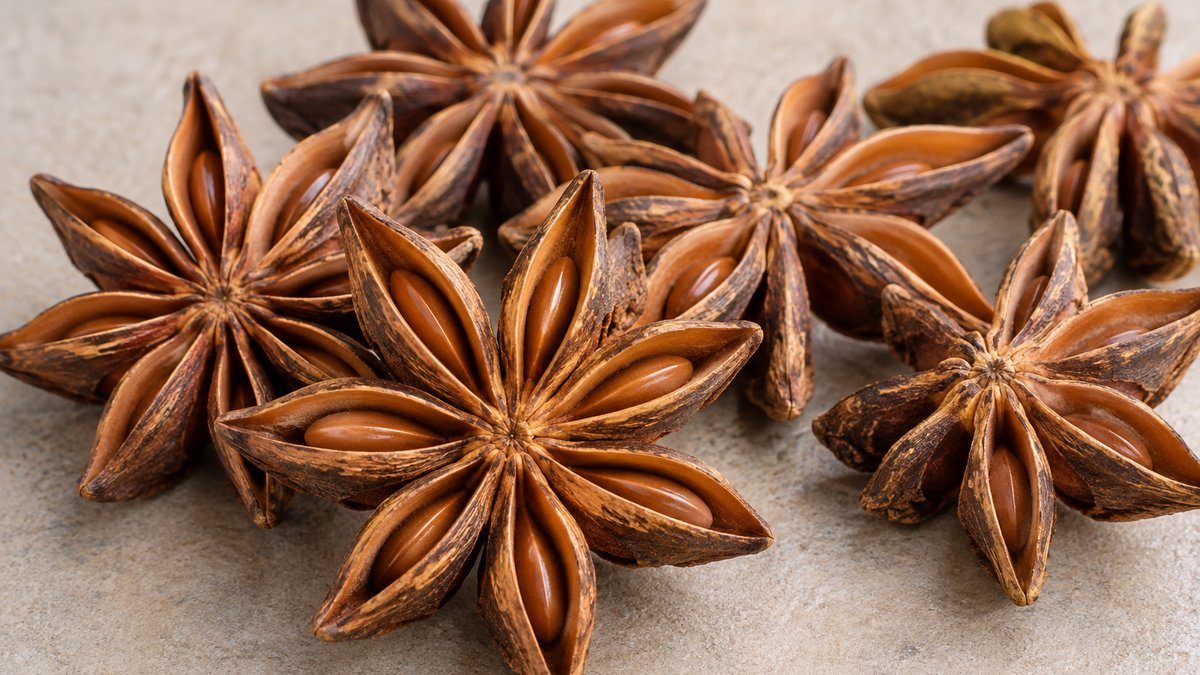
Autumn and spring harvest star anise are two seasonal crops of the same spice, Illicium verum. In Chinese trade terminology, dried autumn fruit is commonly associated with dahong, or big red star anise, while spring fruit is associated with jiaohua, or horn-flower star anise. China's National Forestry and Grassland Administration describes autumn fruit as generally larger, more even and fuller, with a stronger color and aroma profile than spring fruit.
The seasons refer to when the fruit matures and is harvested, not to two different botanical species. A Chinese forestry technical standard gives early April as the usual spring-fruit harvest period and around China's National Day, October 1, for autumn fruit. Actual timing varies by growing area and conditions. Buyers should ask for the origin and harvest year rather than treating those dates as universal.
Harvest season can help buyers screen a lot, but the label alone does not establish its grade, aroma strength, oil content, moisture, cleanliness or suitability for a particular recipe or extraction process. The Chinese dried-star-anise standard GB/T 7652-2016 grades products using physical, sensory and chemical measures. A buyer should compare the actual specification and test results, not infer them from “autumn” or “spring.”
This comparison describes common Chinese trade usage and the cited Chinese standards. Suppliers may use seasonal names differently in other origins or sales channels, so confirm the meaning in the contract.
2. How autumn and spring star anise compare
Autumn fruit is usually the preferred starting point when a buyer needs the common big-red type, while spring fruit is sold as a separate seasonal type. These are general market distinctions, not a substitute for agreed acceptance criteria.
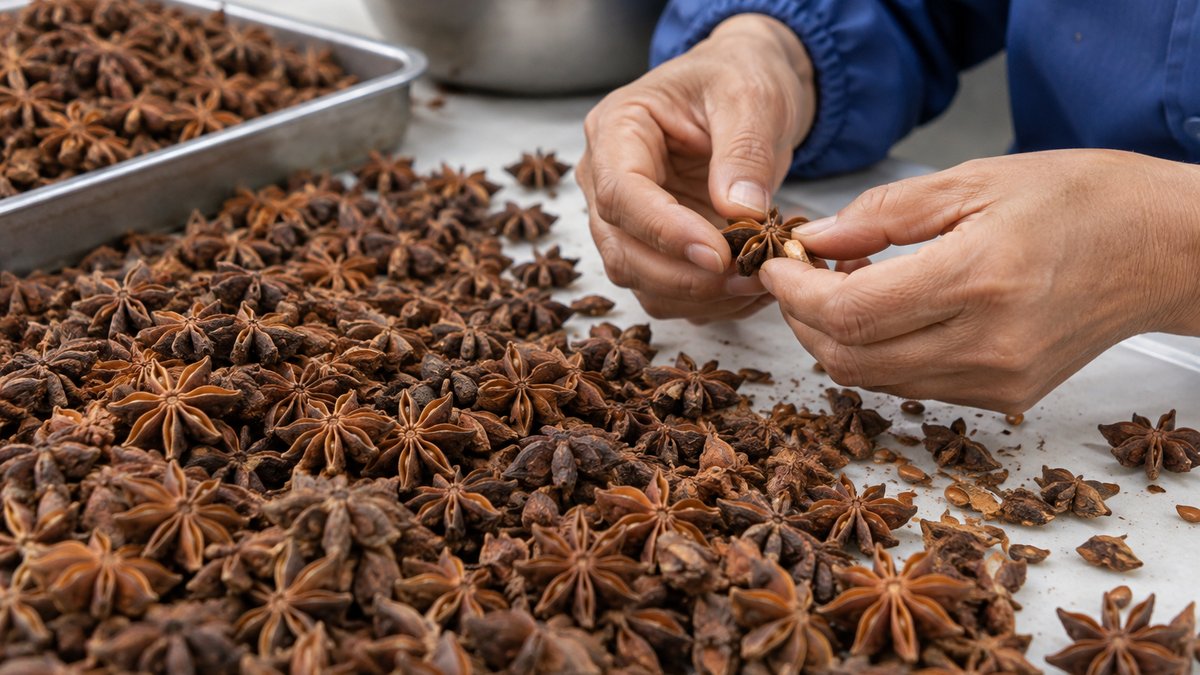
China's National Forestry and Grassland Administration reports that the GB/T 7652-2016 national standard sets dried-star-anise grades for dahong and jiaohua separately. It describes sensory requirements including color, smell and fruit shape, alongside physical and chemical indicators such as fruit size, broken-fruit rate, foreign matter, moisture, total ash and volatile-oil content. The harvest name therefore sits alongside measurable quality checks; it does not replace them.
The authority describes dahong as the highest-quality type among the categories discussed in its article, and jiaohua as a comparatively good type. That is a general classification in the Chinese context, not a guarantee that every autumn lot will outperform every spring lot. Handling, drying, storage, defects and the buyer's use can change whether a particular shipment meets the contract.
The Chinese forestry cultivation standard also advises harvesting fruit when fully mature and completing harvest within about seven days of maturity, rather than picking too early or too late. For buyers, this reinforces the value of asking when and how the crop was harvested, then assessing the delivered dried product against agreed limits.
3. A sourcing example: choosing a harvest for a spice blend
Consider a hypothetical importer sourcing whole star anise for a retail spice blend. The importer wants a recognizable star shape, a clear aroma and consistent appearance across packs. Autumn harvest may be the more relevant type to investigate because Chinese trade descriptions associate it with fuller, more even fruit and a pronounced color and aroma. The importer still needs to inspect the supplier's actual lot.
The importer could request samples from both harvests and compare them under the same conditions. Check intact fruit, broken points, foreign matter, color and aroma. Ask the supplier to state the origin, harvest season and year, drying method, moisture specification and grade. If the supplier claims a volatile-oil level or a named grade, ask for the test method and a lot-specific result.
A processor buying star anise for milling may set different priorities. Whole-star appearance can matter less after grinding, while aroma, cleanliness, moisture and consistent performance in the blend may matter more. The processor should define those acceptance criteria before comparing quotations. The example is illustrative; the right specification depends on the product and buyer's process.
In either case, do not compare samples with different origins, drying conditions or storage histories as if harvest season were the only variable. Record the agreed specification and apply the same inspection method to each candidate lot.
Looking to Source Star Anise?
Connect with verified suppliers, discover matching products, and explore sourcing opportunities from global markets.
4. Choose by end use and verified lot quality
Choose autumn harvest when the buying brief calls for the common big-red type and the lot meets the buyer's appearance, aroma and analytical requirements. Choose spring harvest when the supplier's type and the tested lot fit the intended use and agreed commercial specification. The name of the season alone cannot settle the purchase.
4.1 For whole-fruit retail or foodservice
Appearance is visible to the end customer, so define acceptable size, intact star points, color, broken-fruit rate and foreign matter. If the product will be sold by grade, specify the applicable grading standard and grade in the purchase documents. Ask whether the seller's grade refers to GB/T 7652-2016 or to a different buyer or supplier specification.
4.2 For blending, milling or extraction
Set requirements around the finished process: aroma, moisture, cleanliness and any relevant analytical measure. Volatile-oil content is one of the indicators included in China's dried-star-anise standard, but the buyer should state the required method, limit and testing arrangement rather than assume a seasonal name guarantees a result.
4.3 Before approving a shipment
- Write the botanical product name, origin, harvest season and harvest year into the specification.
- State the required grade and the standard or contract definition used for that grade.
- Set limits for moisture, broken fruit and foreign matter, plus any other measures relevant to the intended use.
- Agree how samples, inspections and laboratory results will be assessed, including the applicable test methods.
- Confirm processing, packaging, lot identification and storage conditions with the supplier.
Buying consideration: Compare offers only after the suppliers have quoted against the same product description, grade, test limits, packaging and delivery terms. If a supplier cannot document the harvest type or the agreed quality measures, treat those details as unconfirmed in the comparison.
5. Related resources for star anise buyers
The Chinese forestry authority's account of GB/T 7652-2016 is a useful starting point for understanding how Chinese dried star anise is categorized and assessed. The Chinese forestry cultivation standard provides seasonal harvest guidance. Both sources have a Chinese scope; buyers importing from another origin should confirm which product standard and testing requirements apply to their contract and destination.
Buyers preparing a sourcing brief can also review star anise buying requests on Freshdi and state the required season, origin, grade, test limits and shipment terms clearly. A request should describe the product needed rather than rely on a seasonal label alone.
References
1. National Forestry and Grassland Administration of China – Raising the Industry Standard to Safeguard the Good Flavor of Star Anise, 2021.
2. National Forestry and Grassland Administration of Yunnan Province – LY/T 1776-2008, Technical Regulations for Star Anise Cultivation, 2008.
3. China Forestry Industry Association – T/CFNA 6707-2024, Star Anise Processing Guidance, 2024.
4. Foods – CiteSpace Insights into Illicium verum Hook. f. Current Hotspots and Emerging Trends and China Resources Distribution, 2024.
Disclaimer: This article is compiled from platform data, public sources and information provided by third parties, for general informational purposes only. We do not guarantee its accuracy or completeness. Please conduct your own due diligence before making business decisions.