
1. Green and red pomelo labels can describe different traits
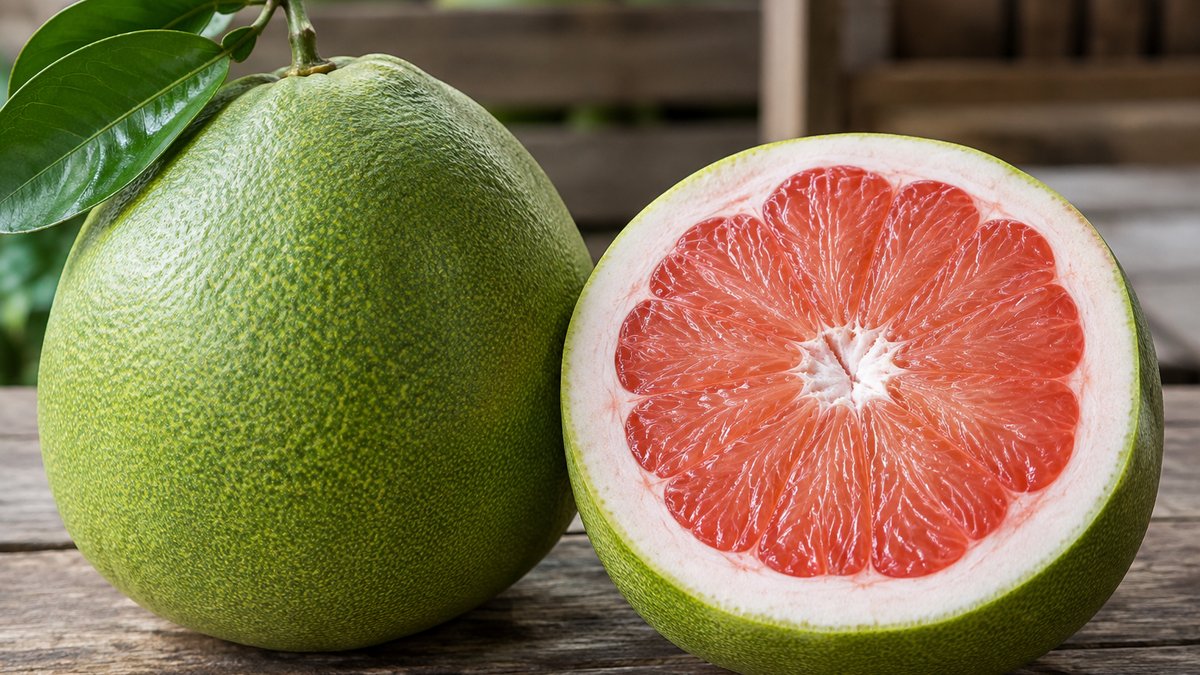
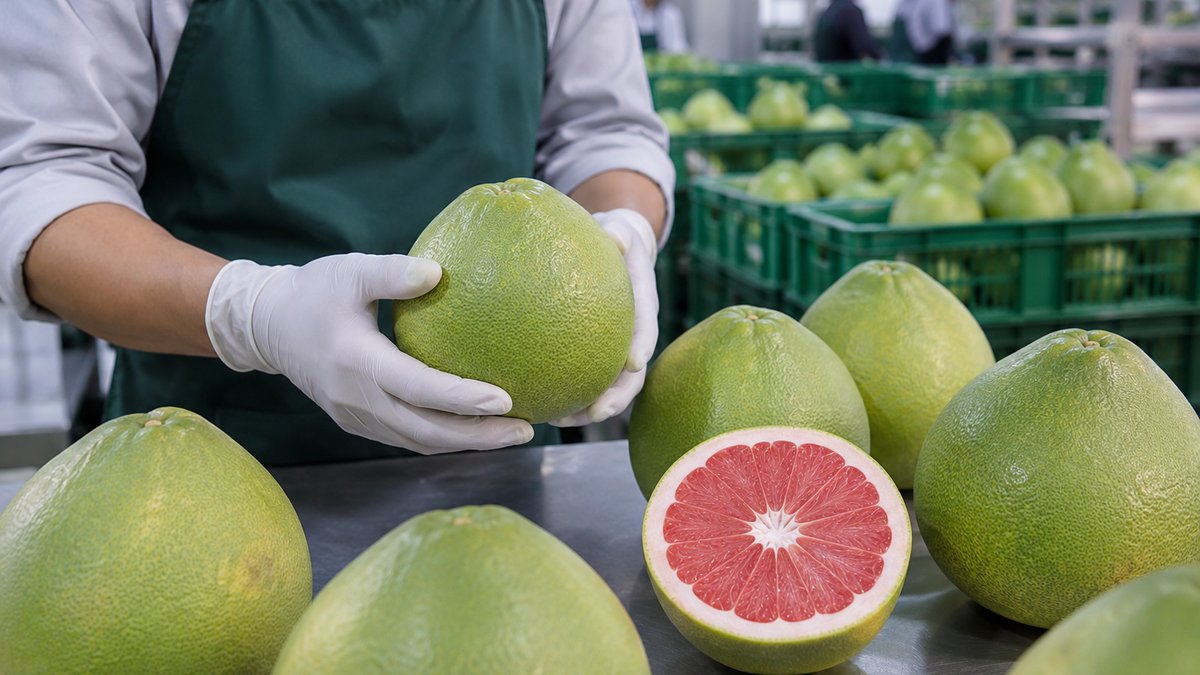
“Green pomelo” and “red pomelo” do not always name two directly comparable types. Green may describe the rind, while red usually describes the flesh. A fruit can have green skin and pinkish red pulp: Vietnam’s Da Xanh is one documented example.
For importers and exporters, the first step is to establish which color the buyer means. A listing that says only “green pomelo” could refer to rind appearance, and “red pomelo” could refer to the color inside. Those descriptions alone do not specify cultivar, size, sweetness, maturity, seed count, or packing condition.
Color is a visible characteristic, not a complete commercial grade. The Food and Agriculture Organization’s account of Vietnamese cultivars describes Da Xanh as round, green-skinned when ripe, and pinkish red inside. The same account describes Nam Roi as greenish yellow when ripe, with light-yellow flesh. These examples show why rind and pulp should be written as separate fields in a specification.
Red flesh also covers more than one cultivar and shade. A 2025 study assessed seven colored pomelo cultivars, including red, pale-red, and orange-fleshed fruit. The cultivars had measurable differences in pulp color and pigment composition, so “red” does not guarantee a single appearance or a uniform product.
When a buyer requests either color, ask whether the requirement applies to the rind, the pulp, or both. Then identify the cultivar and state the expected appearance at the point of inspection. For fresh fruit, that distinction helps suppliers assess whether the request matches the fruit they grow and pack.
2. Compare peel, flesh, cultivar and eating quality separately
A useful comparison separates external color from internal color, then adds cultivar and measured quality requirements. The table summarizes what the color terms can tell a buyer and what still needs confirmation.
The cultivar examples are descriptions, not universal specifications. FAO reports Da Xanh’s green ripe skin and pinkish red flesh. Research on Tab Tim Siam describes red flesh, while a separate 2025 study shows that pomelo pulp color varies across cultivars, including red and pale-red types.
Color should therefore be checked alongside the traits that determine whether a shipment meets the contract. Buyers commonly need to define fruit count or size band, maturity stage, acceptable skin defects, pulp condition, seed expectations, packaging, labeling, and inspection method. The right details depend on the buyer’s use and the parties’ agreed specification.
A photograph can help communicate appearance, but it should not be the only acceptance criterion. Lighting, camera settings, display screens, and fruit maturity can alter how green or red appears. Where color is commercially important, agree on how samples will be selected and assessed, and make the cultivar name part of the product identification.
Buying consideration: Before comparing quotations, ask each supplier to state the cultivar, whether the color refers to rind or flesh, and the stage at which the fruit will be inspected. Compare the same pack format, size range, maturity target, and quality tolerances.
3. A retail sourcing scenario depends on what the buyer means by color
Consider a retailer seeking pomelos for a mixed fruit display. The buyer asks for “green pomelo” because the desired whole-fruit appearance is a green rind, but also wants a colored interior when shoppers cut the fruit. A supplier proposes Da Xanh, which FAO describes as green-skinned when ripe with pinkish red flesh.
That cultivar may fit the requested appearance, but the label alone does not settle the commercial specification. The buyer and supplier still need to confirm the origin, harvest maturity, fruit size, external condition, pulp appearance, seed expectations, carton configuration, and the inspection point. They should also agree how sample fruit will be opened or assessed if internal color is a purchase condition.
Now consider a different buyer who asks for “red pomelo” for a cut-fruit counter. The supplier should not assume that every red-fleshed cultivar will look alike. The parties can name the cultivar, describe the target pulp shade, and use an agreed sample or color reference. The 2025 cultivar study’s red and pale-red groups illustrate why a broad color word may leave room for variation.
These scenarios are illustrative, not universal sourcing instructions. A retailer selling whole fruit may prioritize rind appearance and consistency across cartons. A processor buying fruit for cut segments may care more about pulp appearance, usable flesh, and consistency after cutting. Neither use can be matched reliably from a color label alone.
Illustrative fresh pomelo inquiry:
Product: Fresh pomelo, named cultivar required
Rind color: State required appearance at agreed inspection stage
Flesh color: State target color and acceptable variation
Quality: Specify maturity, size range, defects, and seed expectations
Packing: State fruit count or net weight per carton and labeling needs
Inspection: Agree sample method, inspection point, and acceptance criteria
This inquiry format is illustrative. The final requirements should reflect the buyer’s market, product use, and contract.
Looking to Source Fresh Pomelo?
Connect with verified suppliers, discover matching products, and explore sourcing opportunities from global markets.
4. Choose by cultivar, intended use and confirmed specification
Choose a green-rind pomelo when the buyer’s product brief requires that external appearance and a named cultivar can meet it. Choose a red-fleshed pomelo when the buyer’s selling or processing requirement depends on colored pulp. These are different selection criteria, and a single fruit can satisfy both.
For whole-fruit retail, buyers should begin with the cultivar and the desired appearance of intact fruit. They should specify the rind color range and condition at delivery, then check the cut fruit from representative samples to confirm the internal appearance. Da Xanh demonstrates why this matters: its documented green rind does not imply pale or green flesh.
For cut-fruit retail or foodservice, define the required pulp appearance first. State whether pink, pale red, or a stronger red is acceptable, and confirm that the supplier is offering the intended cultivar. A general red label does not identify a specific shade or establish sweetness, aroma, juiciness, or texture.
Flavor and eating quality should be assessed independently of color. FAO’s cultivar descriptions include differences in taste and juice among Vietnamese pomelos, and research comparing cultivars also treats sensory traits as distinct from appearance. Buyers should use agreed quality measures or sample evaluation for the qualities that matter to their market, rather than treating red or green as a proxy.
For processing, a color requirement may need to be paired with a yield or consistency requirement. Agree how the edible portion will be assessed, how many fruit will be sampled, and how variation between fruit will be handled. A specification should also identify the point at which quality is assessed, such as pre-shipment inspection or arrival, and allocate the relevant inspection responsibilities in the contract.
Where a buyer needs a particular look for packaging or promotion, the supplier should confirm whether the color claim applies to the outer rind or the flesh shown in a cut-fruit image. Product photos should represent the cultivar and condition being offered. Any label or marketing description should match the actual product and applicable destination-market rules.
Buying consideration: Use a cultivar name plus separate rind and pulp descriptions in the purchase specification. Add size, maturity, quality tolerances, packing, and inspection terms before asking suppliers to quote, so offers can be compared against the same product.
5. Related resources for specifying fresh pomelo
Three references support the cultivar and color distinctions in this comparison: FAO’s account of Vietnamese pomelos, an open 2025 study of pigment composition in seven colored cultivars, and a 2025 horticulture study discussing named red-fleshed and light-fleshed cultivars. They describe particular cultivars and research samples; they do not create a universal commercial grade called “green pomelo” or “red pomelo.”
For a transaction, use the relevant destination-market rules and the buyer’s written contract specification alongside cultivar information. Confirm the exact fruit offered, the maturity and inspection criteria, and whether color means rind or pulp. Keep photographs, sample descriptions, and agreed tolerances consistent across the quotation, packing specification, and inspection record.
Buyers and exporters can review Freshdi’s Fresh Pomelo buying requests and related supplier listings when looking for relevant sourcing opportunities.
References
1. Food and Agriculture Organization of the United Nations – Fruits of Vietnam, 2004.
2. Food Chemistry: X – Evaluation of pigment composition and antioxidant properties in the flesh of seven colored pummelo cultivars, 2025.
3. Horticulturae – Agronomic and Environmental Suitability of ‘Tabtim Siam’ and ‘Xishi’ Pomelo in Dabu County (China), 2025.
Disclaimer: This article is compiled from platform data, public sources and information provided by third parties, for general informational purposes only. We do not guarantee its accuracy or completeness. Please conduct your own due diligence before making business decisions.