
1. Feed barley and malting barley serve different buyers
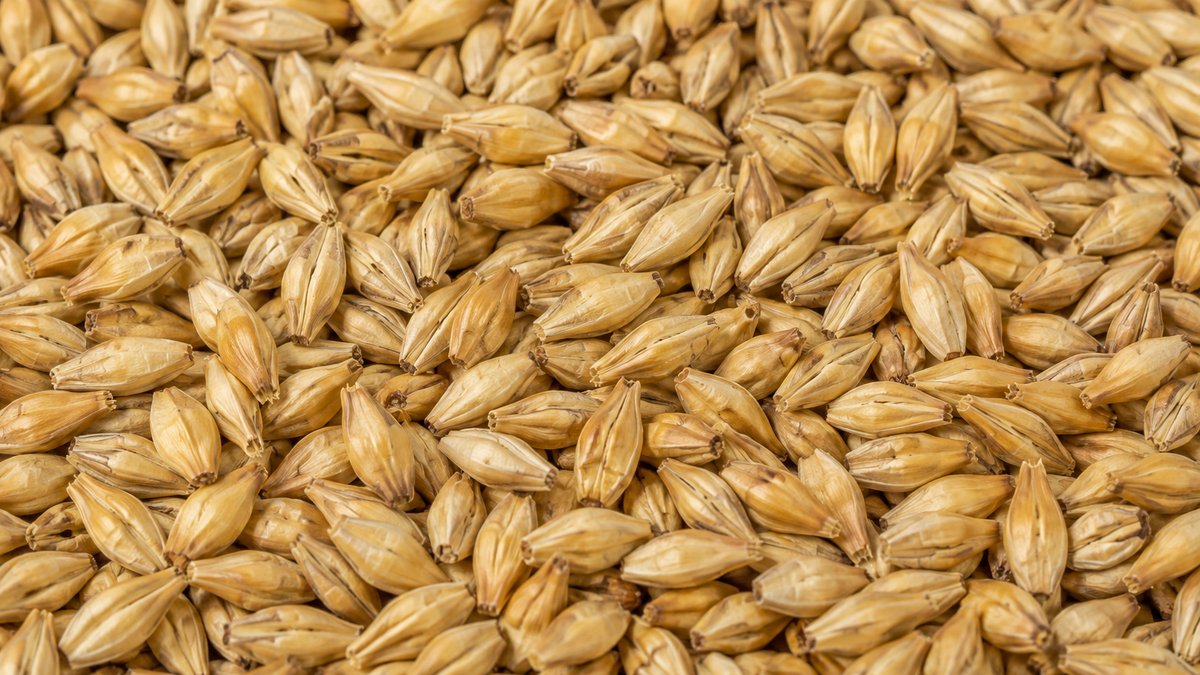
Feed barley is bought mainly for livestock rations. Malting barley is grain selected for its ability to germinate evenly and produce malt with the processing qualities a maltster needs. That difference affects which varieties buyers accept, what tests they request and whether a lot qualifies for a malting contract.
The names describe intended use and commercial specifications, not two separate species. Barley that a seller hopes to market for malting still has to meet the buyer's variety and quality requirements. If it fails those requirements, it may be sold into another use, including feed, depending on its condition and applicable grade.
The Canadian Grain Commission's Official Grain Grading Guide, dated August 1, 2026, separates barley into malting, food and general-purpose classes. It says general-purpose barley is used primarily for animal feed, and its malting grade is limited to designated varieties. Those are Canadian grade rules; they do not automatically apply to barley traded under another country's grading system or a private contract.
For a feed buyer, the central question is whether the grain meets the ration's agreed nutritional, safety and handling specifications at an acceptable delivered cost. For a maltster, the grain must also remain viable and perform predictably during malting. A load that meets a feed contract's requirements may not qualify for malting.
Buying consideration: When comparing offers, identify the intended end use first. Then check the agreed grade, variety and test methods rather than assuming that the words “feed” or “malting” mean the same specification in every origin.
2. How do feed barley and malting barley compare?
Malting barley usually faces tighter requirements for variety, germination and kernel condition because maltsters need a lot that sprouts evenly and processes consistently. Feed barley is evaluated against the buyer's feed, safety and delivery needs. No single global specification defines either term for every transaction.
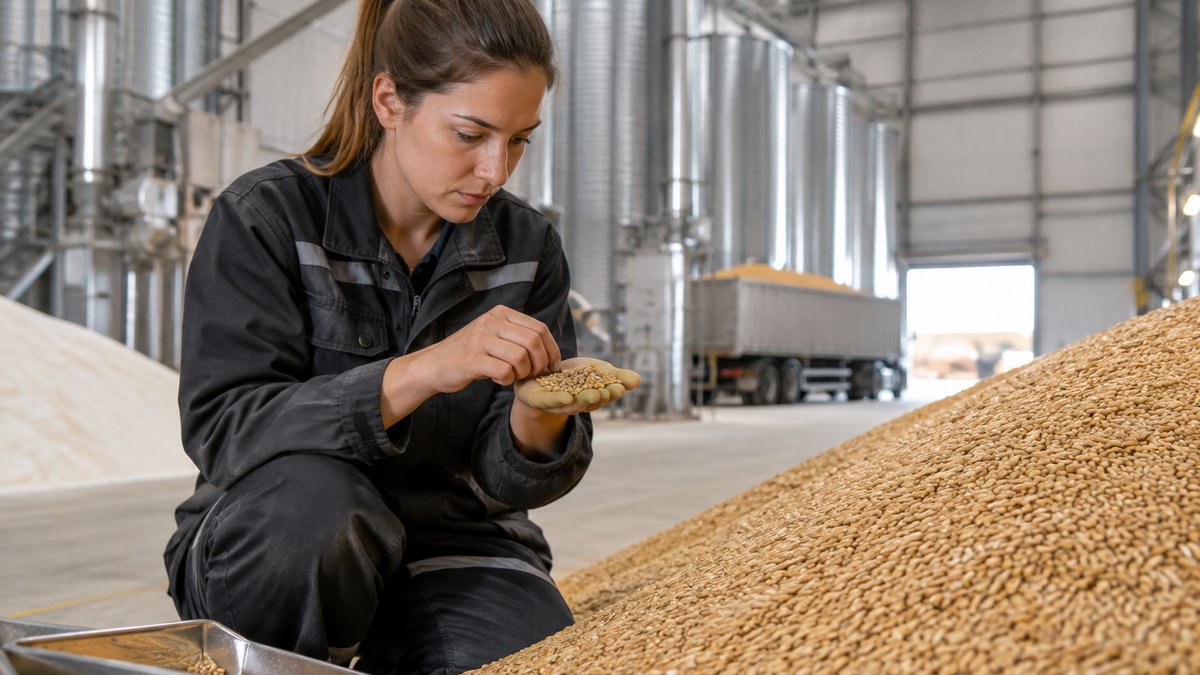
Variety is a commercial qualification, not just a name on a seed bag. In Canada, the Canadian Grain Commission's 2026 guide states that only designated varieties qualify for its Select malting grades. It also directs barley that does not meet the malting-grade requirements to another grade designation. Buyers working in other origins should confirm the relevant variety list or contract rule with the maltster.
Germination separates the uses in a direct way. Malting depends on barley kernels germinating after steeping, the controlled soaking step that raises grain moisture. The University of Minnesota Extension explains that germination below its stated malting standard can interfere with grain modification and reduce malt extract. Feed buyers may still assess sprouting or damage for quality and storage, but they do not buy the grain to germinate it during processing.
Protein is also judged in relation to the end product. In its U.S. guidance, University of Minnesota Extension gives a malting barley protein range of 11% to 13.5%. The same source explains that higher protein can reduce the proportion of starch available for malt extract. That range is an example of a regional reference, not a universal export limit; maltsters may set different contract ranges by barley type and intended malt.
Kernel size, uniformity, damage, foreign material and moisture can affect handling and processing. A maltster is concerned that mixed kernel sizes or damaged embryos can lead to uneven germination. Feed buyers may also care about clean grain and sound condition, but should state the exact limits they require. Moisture limits should be tied to the contract, storage plan and shipment conditions rather than assumed from the product name.
A grade label does not replace a sales specification. The contract should name the sampling and testing basis, acceptable tolerances, sampling point and procedure for disputed results. If protein is reported on a dry basis in one offer and on an as-received basis in another, the numbers are not directly comparable without accounting for moisture.
Buying consideration: Ask the seller to state the barley class or intended use, variety, crop year when relevant, moisture, protein basis, germination test result, kernel-size measure, foreign material and applicable grade. For malting lots, also confirm the buyer's accepted varieties and rejection procedure.
3. A shipment scenario: the same barley lot faces different tests
Consider a grain seller discussing a barley lot with two potential buyers: a feed mill and a maltster. The feed mill evaluates the lot under its feed contract and ration requirements. The maltster checks whether the variety is acceptable and whether the lot meets requirements for germination, protein, kernel condition and other processing factors.
Illustrative buyer inquiry:
Product: Barley for the stated end use
Use: Livestock feed or malt production
Variety: State the variety and whether the buyer accepts it
Quality tests: List the required tests, methods and contract limits
Delivery: Specify quantity, delivery point, shipment period and trade terms
This is an illustrative inquiry format, not a universal barley specification. Buyers and sellers should enter the actual requirements for their contract.
The seller should not describe the lot as malting barley solely because it is clean, plump or from a variety used by maltsters. Acceptance depends on the buyer's rules and test results. Canadian Grain Commission guidance, for example, ties its malting grade to designated varieties and grade factors. Private maltster contracts can add further quality tests.
Storage history also matters. Barley accepted for malting at one point can lose germination capacity in storage. The Canadian Grain Commission's research on pre-germination and chitting notes that malting barley may be rejected after storage if it no longer retains the germination needed for malt production. Buyers should therefore agree on when tests are conducted and whether results represent the lot at loading, arrival or another contract stage.
If the feed mill accepts the lot but the maltster rejects it, the two decisions may both follow their contracts. The commercial outcome depends on what each buyer specified and what the test results show. A seller handling both channels should keep the lot's identity, test records and storage conditions traceable through any transfer or resale.
The scenario also explains why a quotation should say more than “barley, export quality.” That phrase does not identify the variety, end use, test method or acceptance limits. A clear specification gives both sides a basis for comparing offers and resolving a quality dispute.
Looking to Source Barley?
Connect with verified suppliers, discover matching products, and explore sourcing opportunities from global markets.
4. Choose feed barley or malting barley by the buyer's use
Choose feed barley when the purchase is for a livestock ration and the lot meets the buyer's feed, safety, grading and delivery requirements. Choose malting barley when a maltster or malt buyer has identified an acceptable variety and the lot can meet the agreed processing specifications.
4.1 Feed buyers should connect specifications to the ration
Feed buyers should define the product's role in the ration and identify the measurements that affect formulation. The contract can cover nutrient analysis, moisture, contamination controls, condition, foreign material and delivery terms where relevant to that purchase. The limits depend on the buyer's formulation and market rules; a generic feed label cannot tell a buyer whether the grain suits a particular ration.
Ask whether the quoted analysis is representative of the offered lot and how the sample was collected. Establish who pays for retesting and what happens if the arrival sample differs from the pre-shipment certificate. Buyers should also check the delivery basis and freight responsibility before comparing prices.
4.2 Malting buyers should confirm acceptance before contracting
A maltster should confirm the variety and quality limits before the seller commits the lot. Specify germination energy or the agreed germination test, protein and its reporting basis, moisture, kernel size or plumpness, damaged kernels and other relevant grade factors. The maltster should identify the test method and whether the limits apply at origin, loading or receipt.
Maltsters should also agree on lot segregation and storage. Mixing varieties or lots with different quality characteristics can complicate testing and processing. Where germination retention is important, the contract can state storage conditions, retesting timing and the period for which test results remain acceptable.
For either use, compare offers only after aligning the specification and delivery basis. Confirm crop year, origin, quantity, packaging or bulk handling, shipment window, inspection arrangements, required documents and payment terms. These details influence whether an offer is commercially comparable, even when both sellers use the same barley label.
Buying consideration: Before signing, write the end use and acceptance tests into the contract. If the barley is intended for malting, make variety approval and germination requirements explicit; if it is for feed, define the analysis and grade factors that matter to the ration.
5. Related resources for barley buyers and sellers
For Canadian trade, consult the Canadian Grain Commission's current Official Grain Grading Guide for barley classes and grade factors. The University of Minnesota Extension's grain-quality guidance explains how germination, protein and kernel size relate to U.S. malting barley. The Canadian Grain Commission's research on pre-germination describes why storage can affect malting acceptance.
Use those references as technical starting points, then confirm the rules for the origin, destination and buyer's contract. Government grade tables, industry variety lists and private maltster specifications have different scopes. A reference value from one region should not be copied into an export contract without confirming that the buyer uses it.
Buyers and sellers can also review barley suppliers on Freshdi when looking for potential trading partners. Check each supplier's stated product details against the required end use and verify specifications and commercial terms before making a purchase.
References
1. Canadian Grain Commission – Official Grain Grading Guide: Barley, August 1, 2026.
2. University of Minnesota Extension – Understanding Grain Quality, Accessed November 17, 2026.
3. Canadian Grain Commission – Pre-germination or Chitting in Malting Barley, 2017.
Disclaimer: This article is compiled from platform data, public sources and information provided by third parties, for general informational purposes only. We do not guarantee its accuracy or completeness. Please conduct your own due diligence before making business decisions.