
1. How Fresh Lemons and Limes Differ
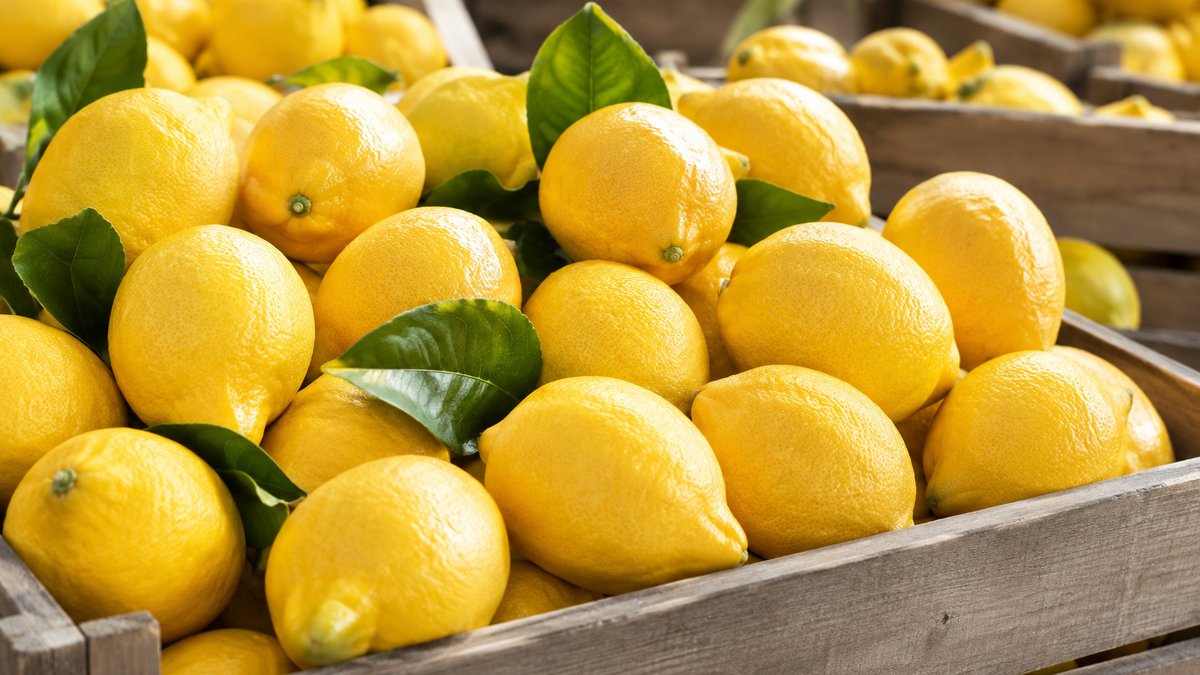
Fresh lemons and limes are distinct citrus products with different commercial names, varieties and buyer specifications. A buyer seeking fresh lemons should not treat a lime quotation as an equivalent offer: the fruit type, intended use, maturity, appearance and applicable quality requirements need to match the purchase.
The names cover more than two single varieties. The United Nations Economic Commission for Europe (UNECE) 2023 citrus standard includes lemons grown from Citrus limon, Persian limes from Citrus latifolia, and Mexican limes from Citrus aurantiifolia. It also identifies sweet limes separately. The standard applies to fresh fruit supplied to consumers and excludes citrus intended for industrial processing.
That distinction matters when a quotation says only “lime.” A Persian lime and a Mexican lime are not the same product description, and neither should be substituted for a lemon without the buyer’s agreement. State the commercial name and, where needed, the variety or species in the product specification.
Color alone does not settle the comparison. The USDA grade standard for Persian limes uses characteristic green color in its U.S. No. 1 grade, while the UNECE citrus standard treats lemon quality through broader minimum requirements and class provisions. Cultivar, maturity and destination-market preferences also affect the color accepted in a shipment.
For importers, the first decision is therefore the product identity and intended use. A fresh lemon program, a green Persian lime program and a Mexican lime program need separate specifications, even if the buyer expects all three to provide citrus juice.
2. Comparison of Lemons and Limes for Import Orders
Lemons and limes differ in the product name, standard references and the way buyers commonly describe the order. The requirements in a standard are not automatically binding in every country; importers should confirm which market rules or contract terms govern their shipment.
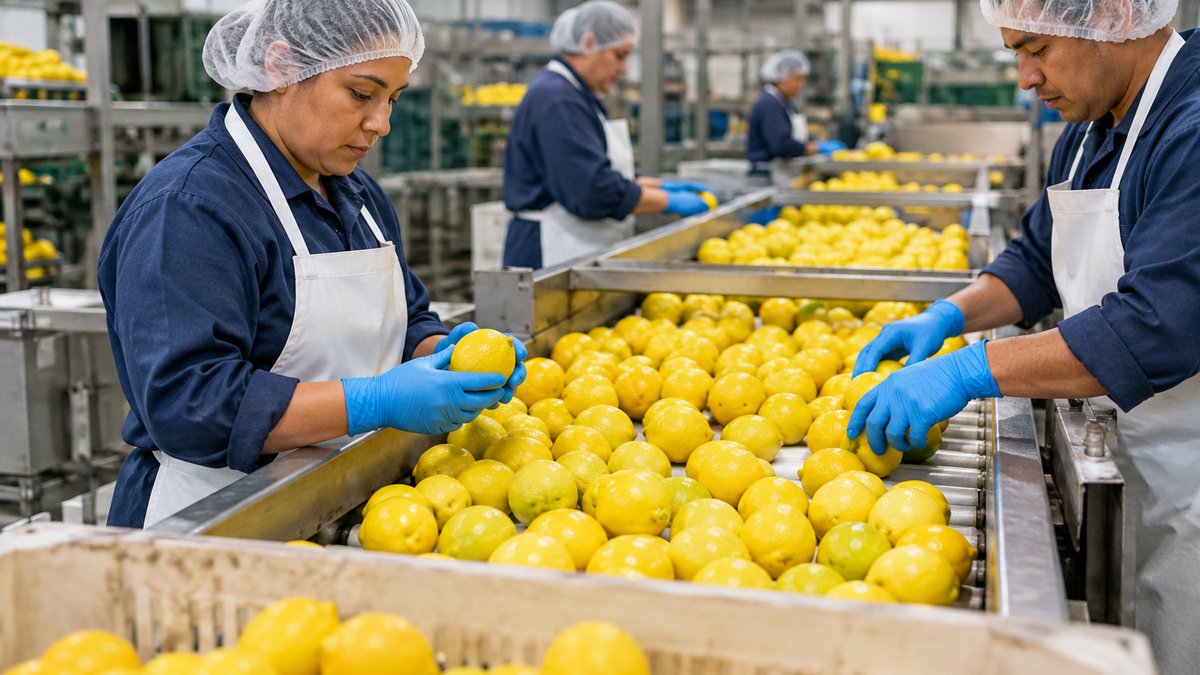
The UNECE 2023 standard sets common quality provisions for fresh citrus, including that fruit be intact and free from bruising or extensive healed-over cuts, subject to the standard’s class provisions and tolerances. It is a commercial quality reference, not a substitute for the destination country’s import, food-safety or plant-health rules.
The USDA standards are product-specific examples rather than universal export grades. The USDA lemon standard effective May 13, 2026 defines U.S. grade categories and adds a separate definition for fruit marked “seedless”: a 100-fruit sample may contain no more than six fruit with seeds. That seedless definition does not change the grade itself. USDA’s lime standard cited here covers Persian (Tahiti) limes, so buyers should not apply it automatically to Mexican limes.
A purchase contract should name the standard and edition if the parties intend to use one. It should also state whether inspection takes place at origin or destination, the sampling method, permitted defects and the remedy for a lot that fails the agreed specification.
3. Example: A Buyer Comparing a Lemon Offer With a Lime Offer
Consider an importer sourcing fresh lemons for a retail program that receives a separate offer for green Persian limes. The two offers cannot be compared on price per carton alone. They describe different fruit, and each quotation needs to be checked against its own requested product identity, quality terms and packing requirements.
Illustrative sourcing comparison:
Product requested: Fresh lemons, with variety or commercial type stated
Alternative offer: Persian limes, identified as Persian or Tahiti limes
Quality comparison: Check size, maturity, color, defects and the named standard
Commercial comparison: Compare pack weight, count, packaging, shipment quantity and delivery basis
Decision: Accept a substitution only after the buyer confirms it meets the intended use
This is an illustrative comparison, not a universal product specification or quotation.
The importer should first confirm whether the requested item is lemon or lime and whether the end customer allows substitution. If the contract names fresh lemons, a supplier’s Persian lime offer is a different product and should be treated as a proposed change, not as a like-for-like quotation.
Next, compare equivalent commercial details. A price comparison is meaningful only when the products, pack weights, quantities, delivery basis and inspection terms are clear. If one offer uses a named grade and the other does not, ask the supplier to state the quality basis before comparing prices.
A buyer arranging the shipment should also confirm the destination’s current import requirements for the precise citrus type and origin. UNECE quality standards do not establish that a shipment is admissible under every country’s plant-health, labeling or food-control rules.
Looking to Source Fresh Lemon?
Connect with verified suppliers, discover matching products, and explore sourcing opportunities from global markets.
4. When Importers Should Choose Lemons or Limes
Choose fresh lemons when the buyer’s product specification, customer program or processing line calls for lemons. Choose a lime type when the order names that type and its intended use. The selection should follow the buyer’s product requirement, not a general assumption that the two fruits can replace one another.
4.1 Choose lemons when the order calls for fresh lemons
For a lemon order, specify the commercial type or variety when it affects the buyer’s requirement, along with size or count, maturity, appearance, defect tolerance, packaging and quantity. If the buyer requires a grade, name the standard and market that apply. For U.S.-market trade, USDA lemon grades provide one reference; the 2026 seedless definition applies only when the fruit is marketed as seedless under that standard.
Buyers sourcing lemons for processing should state the intended processing use and the relevant raw-material criteria. Fresh-market appearance requirements may not describe what a processor needs, and the UNECE citrus standard specifically excludes fruit for industrial processing.
4.2 Choose limes when the order identifies the lime type
For limes, state whether the requirement is for Persian, Mexican or another type. Add the buyer’s requirements for color, size, maturity, juice content, defects and packing. The USDA standard for Persian limes includes color and juice-content provisions, but those provisions should not be assumed to govern other lime types or destinations.
A buyer who accepts different lime types should say so in the specification and identify the acceptable alternatives. Otherwise, a broad request for “lime” may leave suppliers unsure which fruit to quote and make offers difficult to compare.
4.3 Check handling and shipment requirements for the actual fruit
Lime handling recommendations are product- and condition-specific. The University of California, Davis Postharvest Research and Extension Center gives an optimum storage temperature of 10 to 13°C for limes, depending on cultivar, maturity at harvest and storage or transport duration, with 90 to 95% relative humidity. Those figures are technical guidance for limes, not a universal cold-chain setting for every citrus shipment.
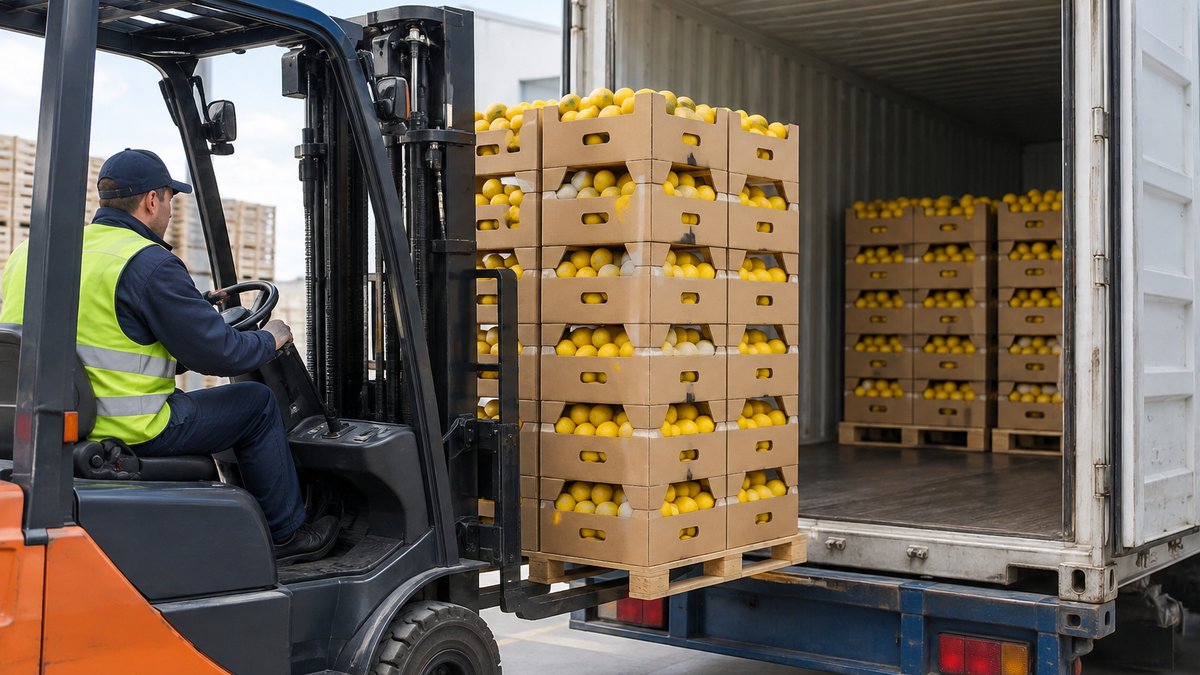
Before loading, the exporter and importer should agree on the required fruit temperature, ventilation, packaging and inspection procedure for the product and route. The buyer should also verify the destination’s current import documentation and phytosanitary requirements against official authorities.
Buying consideration: Before requesting quotations, write the fruit name and type first, then add the quality standard, size, color or maturity requirements, packaging, quantity, destination and delivery basis. This gives suppliers a clear product to quote and helps the buyer compare equivalent offers.
5. Related Resources for Fresh Lemon Buyers
Importers can use official standards as a starting point, then confirm destination-country requirements and contract terms for each shipment. The UNECE citrus standard covers commercial quality for specified fresh citrus types; USDA’s lemon and Persian lime standards provide U.S.-specific grading references.
- UNECE, FFV-14: Citrus fruit, 2023. The standard identifies covered citrus types and sets provisions for commercial quality and marking.
- USDA Agricultural Marketing Service, United States Standards for Grades of Lemons, effective May 13, 2026. The standard describes U.S. lemon grades and the separate seedless definition.
- USDA Agricultural Marketing Service, Grades of Persian (Tahiti) Limes. The standard provides U.S. grade provisions for Persian limes.
- University of California, Davis Postharvest Research and Extension Center, Lime. The produce fact sheet gives lime maturity, quality and storage guidance.
For Fresh Lemon sourcing, buyers can review Fresh Lemon buying requests on Freshdi and check whether the stated product and shipment requirements fit their purchasing needs.
The standards and technical guidance above were checked on November 17, 2026. Import rules and market requirements can change, so confirm the current requirements with the destination’s official authorities before shipping.
References
1. United Nations Economic Commission for Europe – FFV-14: Citrus fruit, 2023.
2. U.S. Department of Agriculture, Agricultural Marketing Service – United States Standards for Grades of Lemons, 2026.
3. U.S. Department of Agriculture, Agricultural Marketing Service – Lime Grades and Standards, Not stated.
4. University of California, Davis Postharvest Research and Extension Center – Lime, Not stated.
Disclaimer: This article is compiled from platform data, public sources and information provided by third parties, for general informational purposes only. We do not guarantee its accuracy or completeness. Please conduct your own due diligence before making business decisions.