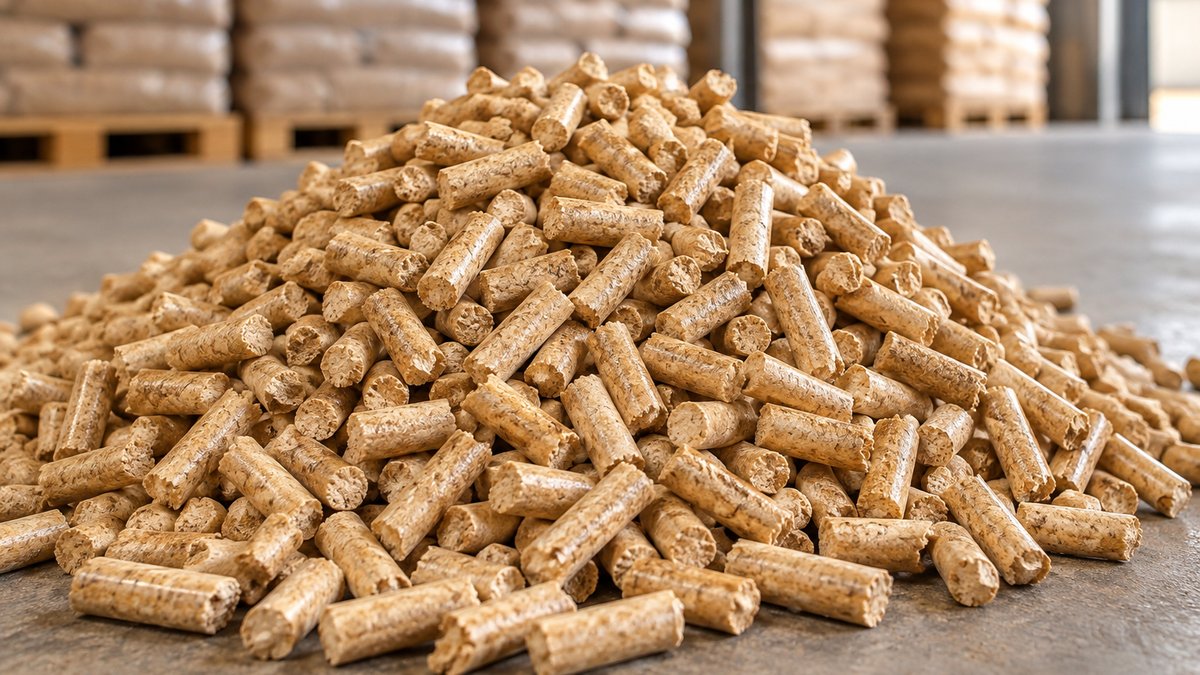

1. How ENplus A1 and A2 Wood Pellets Differ
ENplus A1 and A2 are wood pellet quality classes with different limits for certain fuel properties. Under ENplus ST 1001, the clearest differences are the maximum ash content, maximum nitrogen content, minimum mechanical durability and minimum ash deformation temperature. A1 has tighter thresholds for these properties; the two classes share several other limits, including moisture, diameter, bulk density and minimum net calorific value.
For a buyer, the class helps define a product specification, but it does not establish that every A1 lot will outperform every A2 lot on every measure. A class sets permitted limits. A particular consignment may test well within its class limits, and buyers still need to confirm the actual specification, test evidence and compatibility with the intended appliance or process.
ENplus is a certification scheme for wood pellets, not a universal guarantee that a product suits every boiler, stove or industrial installation. The current second edition of ENplus ST 1001 took effect on January 1, 2026, replacing the first edition. ISO 17225-2:2021 separately defines graded wood pellet specifications for non-industrial and industrial use; buyers should check which standard and certification claim a seller is making.
In practical terms, A1 is the tighter specification where lower permitted ash and nitrogen levels, greater minimum durability or a higher ash deformation temperature matter to the buyer. A2 permits higher ceilings for ash and nitrogen and a slightly lower minimum durability. The decision should follow the equipment maker's fuel requirements, operating conditions and procurement specification, rather than the class name alone.
2. ENplus A1 vs A2 Wood Pellets: Specification Comparison
The table compares selected thresholds in ENplus ST 1001, second edition. Percentages are by mass. Ash and nitrogen are stated on a dry basis; moisture, mechanical durability and net calorific value are stated as received. Keep those bases distinct when comparing supplier test results.
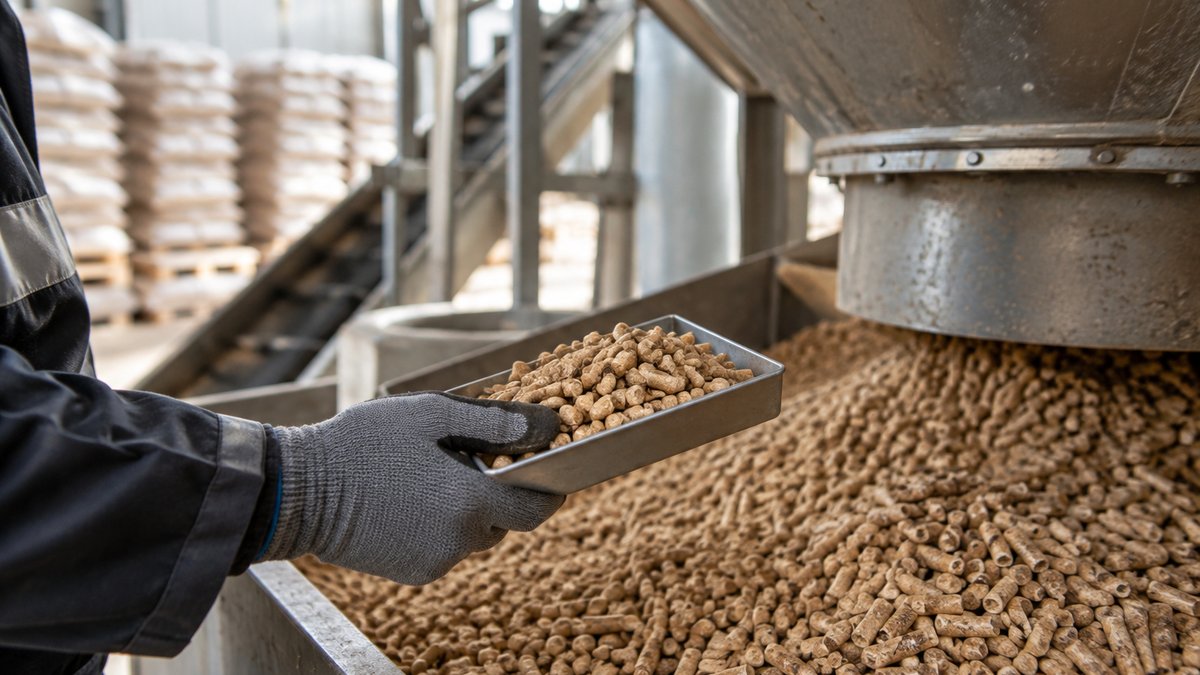
Ash is the most visible numerical distinction in routine purchasing. The A1 limit is 0.70% of dry mass, while the A2 limit is 1.20%. These are maximum class limits, not predictions of the ash produced by every shipment. The buyer's actual result depends on the delivered lot and should be assessed using a documented test basis.
Nitrogen also has different ceilings: 0.30% for A1 and 0.50% for A2, both on a dry basis. A buyer with a nitrogen limit in a procurement specification should check the laboratory result and the method used, rather than relying only on a product description or a class label.
Durability measures resistance to breakage under the applicable test method. A1 requires at least 98.0%, compared with at least 97.5% for A2. This difference in the threshold is relevant when handling and transport can affect pellet integrity. It does not tell the buyer how many fines will be present in an individual delivered load; fines have their own requirements and should be checked separately.
Ash deformation temperature gives buyers another point to compare: the stated minimum is 1,200°C for A1 and 1,100°C for A2. Ask for the test result where ash behaviour is material to the equipment or operating plan. Do not treat this figure as a complete prediction of ash-related performance, which also depends on fuel composition, combustion equipment and operating conditions.
Several commonly requested characteristics have the same stated limits in both classes. Moisture is capped at 10.0% as received, and both classes share the listed diameter options, bulk-density range and minimum net calorific value. The class alone therefore does not distinguish A1 from A2 on those parameters. A buyer who needs a narrower moisture range, a particular diameter or another delivery characteristic should state it separately in the contract specification.
The standard also specifies other pellet parameters and requirements beyond the rows shown here. For procurement, use the applicable edition of the ENplus standard and the full product specification. Confirm whether a test figure is measured as received or on a dry basis, what lot it represents and which test method was used. Otherwise, two figures that look comparable may describe different bases or testing conditions.
3. Illustrative Sourcing Scenario for A1 and A2 Pellets
Consider an importer sourcing pellets for a heating system whose supplier approval specification sets a maximum ash content of 0.8% on a dry basis. The importer is comparing two offers: one described as ENplus A1 and another as ENplus A2. This is an illustrative scenario, not a claim about a particular buyer, market or shipment.
The A1 class limit of 0.70% is within the example specification's ash ceiling. The A2 class limit of 1.20% is higher than that ceiling, so the class designation alone would not show that an A2 lot meets the buyer's stated requirement. The importer should request the relevant test documentation for the specific lot and verify that the result meets the contract requirement.
The buyer should then check the other requirements that the equipment or contract sets. If the approved specification also sets a nitrogen ceiling below 0.50%, an A2 label alone cannot establish compliance with that limit. If durability, ash deformation temperature or moisture is important, those properties need their own thresholds and supporting evidence.
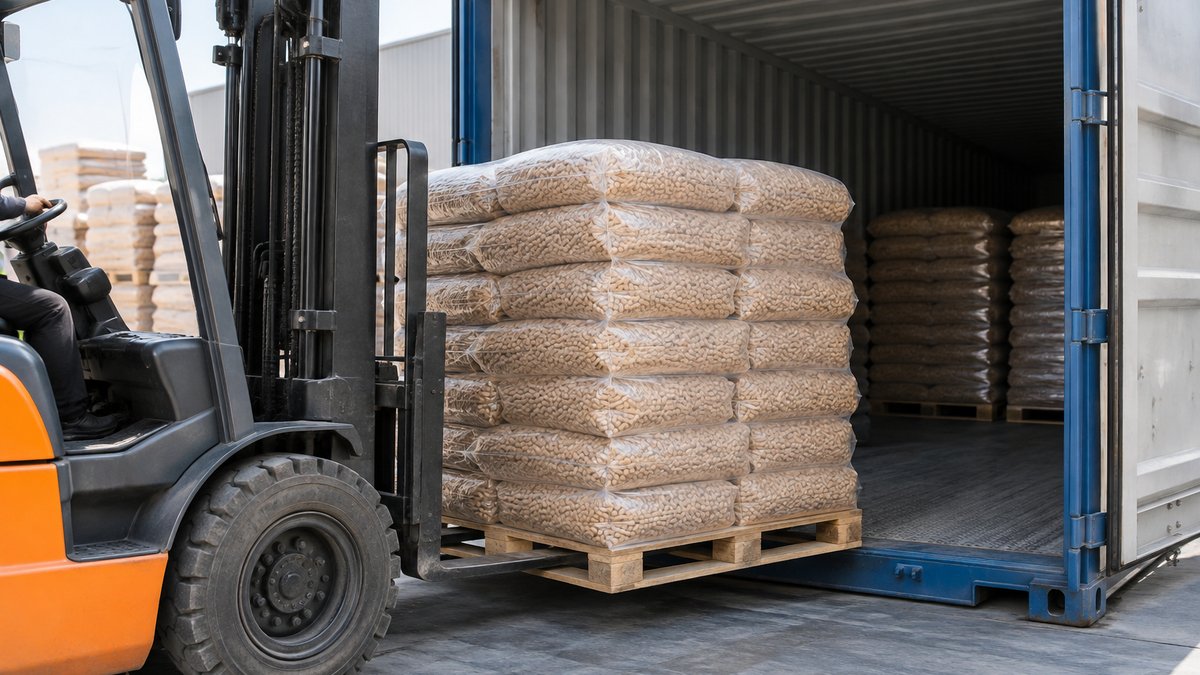
The comparison should also include commercial delivery details. The buyer can ask each seller to state the pellet diameter, packaging or bulk delivery format, quantity, delivery point, shipment schedule and applicable trade term. Those details are separate from the A1 or A2 class and affect whether the offers are commercially comparable.
Before contracting, the importer can document the required class, any tighter parameter limits, the test basis, the lot or production period covered by the documents, and the inspection or acceptance procedure. If the buyer's equipment manual calls for a particular class, that instruction should be checked with the equipment supplier or responsible technical team. This process prevents the class name from being used as a substitute for the buyer's full fuel specification.
Looking to Source Wood Pellet?
Connect with verified suppliers, discover matching products, and explore sourcing opportunities from global markets.
4. When Should Buyers Choose A1 or A2 Wood Pellets?
Specify A1 when the procurement requirement calls for the tighter ENplus limits on ash, nitrogen, durability or ash deformation temperature, or when the equipment documentation requires A1. A1 gives the buyer lower maximum thresholds for ash and nitrogen, a higher minimum durability and a higher minimum ash deformation temperature under the cited standard.
Specify A2 when the intended application accepts the A2 thresholds and the buyer's equipment and contract requirements permit them. A2 remains a defined ENplus quality class; it is not a generic description for ungraded pellets. The buyer should still state any additional limits required for the application, such as a lower ash maximum than the class permits.
Neither class should be selected on the assumption that it automatically delivers more heat per kilogram. ENplus ST 1001 gives both classes the same minimum net calorific value, 4.6 kWh/kg as received. Actual results and other fuel properties should be assessed against the buyer's specification and the supplier's evidence.
Do not assume the class determines diameter, moisture within the permitted range, packaging, origin, delivery terms or lot availability. A1 and A2 share the listed moisture ceiling, diameter choices and bulk-density range. Buyers should include the required values and delivery conditions in the request for quotation so suppliers can respond against the same specification.
A practical comparison starts with the receiving equipment and use case. Check the equipment manufacturer's fuel instructions, then identify which ENplus class and parameter limits satisfy them. If the buyer's internal specification is stricter than the class threshold, write the tighter value into the contract and request test evidence that corresponds to the shipment.
When reviewing an offer, confirm the supplier's certification claim and the scope of the documents provided. Check that the certificate and product information relate to the claimed class, and ask whether the test report covers the same product and lot being offered. Verify the values, units, test basis and date. Certification and laboratory results answer different questions, so buyers should not treat one document as a replacement for the other.
Price comparisons require equivalent specifications and delivery terms. If two offers differ in class, ash ceiling, packaging, shipment quantity or delivery point, a direct unit-price comparison may not compare equivalent products. Ask suppliers to quote against one common specification, or show the differences explicitly before evaluating the offers.
Buying consideration: Before issuing a purchase order, state the required ENplus class, any tighter parameter limits, test-report expectations, delivery format and acceptance criteria. Confirm equipment compatibility and the current applicable standard edition with the relevant technical or certification source.
5. Related Wood Pellet Resources
For specification work, consult the current ENplus ST 1001 requirements for companies and pellet quality thresholds, then use ISO 17225-2:2021 for the international framework covering graded wood pellets for non-industrial and industrial use. These documents have different roles: ENplus sets requirements within its certification scheme, while ISO 17225-2 defines fuel classes and specifications within its stated scope.
A sourcing request can state the required class, maximum ash and nitrogen values, minimum durability, diameter, moisture limit, quantity, packaging, delivery point and requested documentation. Buyers can compare offers more consistently when each supplier is asked to quote against the same requirements. Freshdi lists wood pellet buying requests and potential suppliers within its Energy Chemicals category.
Once the specification is clear, buyers and sellers can review wood pellet requests and supplier listings on Freshdi.
View Latest Energy Chemicals Buying Requests →View Potential Energy Chemicals Suppliers →
References
1. European Pellet Council and Bioenergy Europe – ENplus ST 1001: ENplus Wood Pellets: Requirements for Companies, Second Edition, 2025, effective January 1, 2026.
2. European Pellet Council – ENplus Technical Documentation, Accessed November 17, 2026.
3. International Organization for Standardization – ISO 17225-2:2021, Solid biofuels: Fuel specifications and classes, Part 2: Graded wood pellets, 2021.
4. Deutsches Pelletinstitut – ENplus Certification Handbook for Wood Pellets, 2025, second edition effective January 1, 2026.
Disclaimer: This article is compiled from platform data, public sources and information provided by third parties, for general informational purposes only. We do not guarantee its accuracy or completeness. Please conduct your own due diligence before making business decisions.