
1. Whole and Cut Frozen Okra Differ in Product Form and Preparation
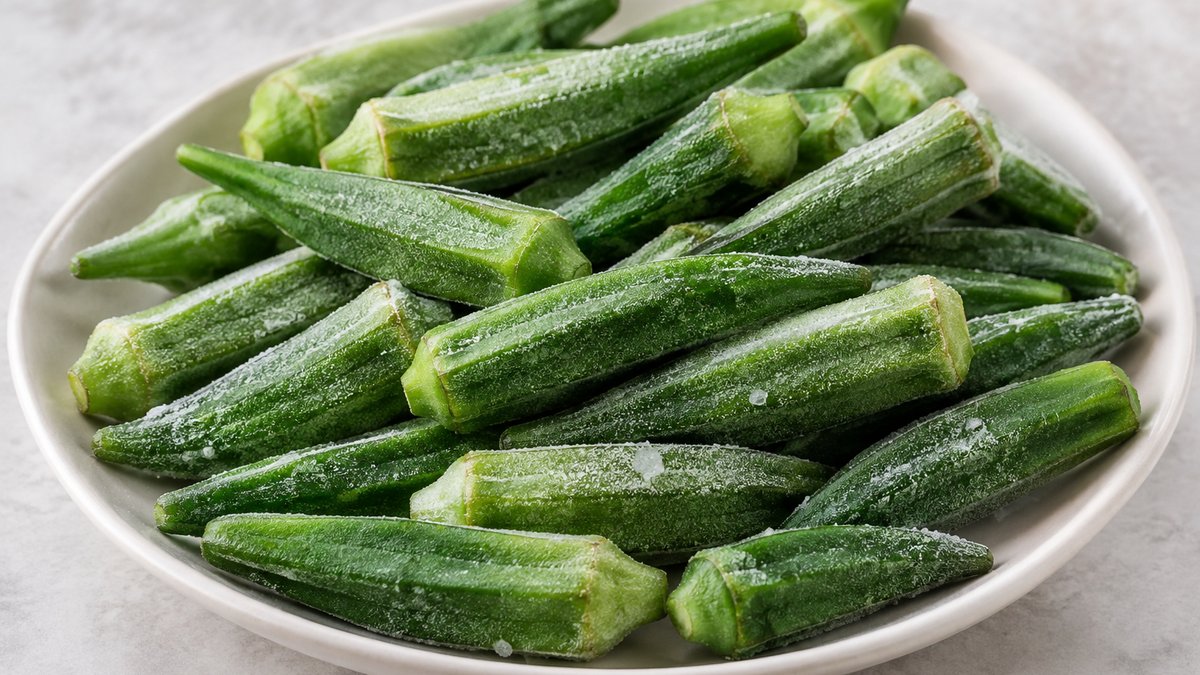
Whole frozen okra is sold as intact pods; cut frozen okra is sold as pieces made by slicing the pods. That physical difference affects portioning and the work required before cooking or further processing. It does not, by itself, specify pod variety, piece dimensions, grade, freezing method, packaging or quality.
For buyers, the first decision is whether the finished product needs recognizable pods or ready-to-use pieces. A foodservice operator serving whole pods may prefer whole style. A processor adding okra to a mixed product may find cut style easier to portion, provided the cut dimensions suit the process.
The form also changes how a lot is described and inspected. The U.S. Department of Agriculture’s voluntary grade standard for frozen okra applies defect limits according to style. Its standard treats misshapen units as a whole-style defect and assesses small pieces differently for whole and cut styles. The USDA grade is a U.S. benchmark, not a universal legal requirement for every destination. Checked 17 November 2026.
“Cut” does not name one universal size. A supplier’s product may be sliced crosswise into rounds or cut into another shape; the buyer should state the required dimensions and tolerance. “Whole” also needs a clear specification if pod length, stem trimming or size range affects the buyer’s use.
2. Compare Whole and Cut Frozen Okra Against the Same Buying Criteria
The comparison below focuses on commercial differences caused by form. Buyers should evaluate grade, processing and shipment conditions separately because the words “whole” and “cut” do not establish those details.

A style name is not a quality grade. Under USDA’s frozen okra standard, U.S. Grade A and U.S. Grade B describe quality requirements, while defect allowances apply according to the product’s style. A Grade A claim should therefore be checked against the stated standard and the buyer’s inspection terms; it does not mean that whole style is inherently better than cut style.
Freezing method is another separate specification. The U.S. Defense Logistics Agency’s November 2024 subsistence buying guide lists cut frozen okra for its procurement and specifies U.S. Grade A and individually quick frozen (IQF). That is one institutional purchasing specification, not a rule for all importers or a claim that every cut product is IQF. Buyers should put their own required freezing method in the purchase specification.
When comparing offers, use the same basis for both forms: product grade, cut or pod dimensions, freezing method, packaging, order quantity, delivery term and destination. A lower price per kilogram may reflect a different specification or delivery basis, so clarify those points before treating quotations as comparable.
3. A Sourcing Scenario: Matching the Cut to the Production Line
Consider a frozen-food processor that needs okra pieces for a mixed-vegetable product. Cut okra may fit the line if its shape and dimensions work with the other ingredients and the filling or portioning equipment. Whole pods may require an added cutting step or a different process. These are process considerations, not guarantees about labor savings or finished-product performance.
A foodservice buyer preparing a dish that presents intact pods has a different requirement. Whole okra may suit that presentation, while cut pieces would change the appearance and portion format. If the buyer’s recipe accepts either form, a controlled kitchen or production trial can check cooking behavior, portioning and the finished appearance before a larger order.
Illustrative inquiry format:
Product: Frozen okra, cut
Cut specification: Rounds, [required diameter or length range]
Grade: [Named grade or buyer specification]
Freezing method: [Required method, if specified]
Packaging and quantity: [Pack format] and [order quantity]
Delivery basis: [Incoterm and named place or port]
Illustrative only. Replace bracketed details with the buyer’s actual requirements and destination-market rules.
The U.S. Defense Logistics Agency’s 2024 guide provides a documented example of why buyers should spell out more than the style: its cut frozen okra entry names a grade and IQF requirement. Other buyers may specify different grades, freezing methods, pack sizes or inspection conditions. A buyer should treat a public procurement specification as an example to learn from, not as a default for a commercial contract.
Looking to Source Frozen Okra?
Connect with verified suppliers, discover matching products, and explore sourcing opportunities from global markets.
4. Choose Whole or Cut Frozen Okra by the Intended Use
Choose whole frozen okra when the recipe, retail presentation or processing line needs intact pods. Define acceptable pod size, trimming and appearance, then state the grade and handling requirements separately. If the buyer needs a particular pod length, include a range and say how size variation will be assessed.
Choose cut frozen okra when the product will be used as pieces and the buyer can define the cut needed for portioning or production. Write the shape and dimensions into the specification. Also set tolerances for pieces outside that range and for small pieces where those affect production or the final pack.
Either form can be the right commercial choice. The deciding points are the buyer’s finished product, preparation steps and written product specification. Compare samples or trial lots when the physical form could affect the production line, and record the accepted dimensions and inspection basis in the contract.
Buyers and exporters comparing available product listings can review Frozen Okra buying requests on Freshdi. Confirm each request’s current status and discuss specifications and commercial terms before proceeding.
References
1. U.S. Department of Agriculture, Agricultural Marketing Service – U.S. Grade Standards for Frozen Okra, 2011.
2. U.S. Department of Agriculture, Agricultural Marketing Service – Frozen Okra Grades and Standards, n.d..
3. Defense Logistics Agency – Subsistence Buyers Guide, 21 November 2024.
Disclaimer: This article is compiled from platform data, public sources and information provided by third parties, for general informational purposes only. We do not guarantee its accuracy or completeness. Please conduct your own due diligence before making business decisions.