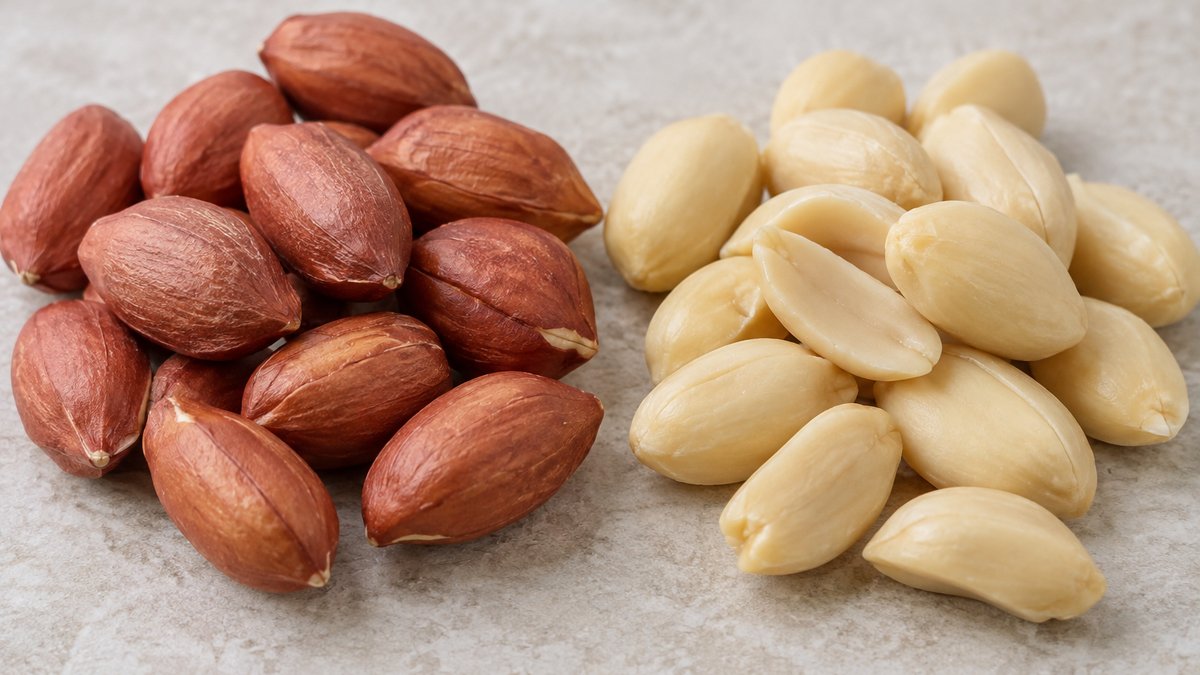

1. Blanched peanuts have their skins removed; unblanched peanuts retain them
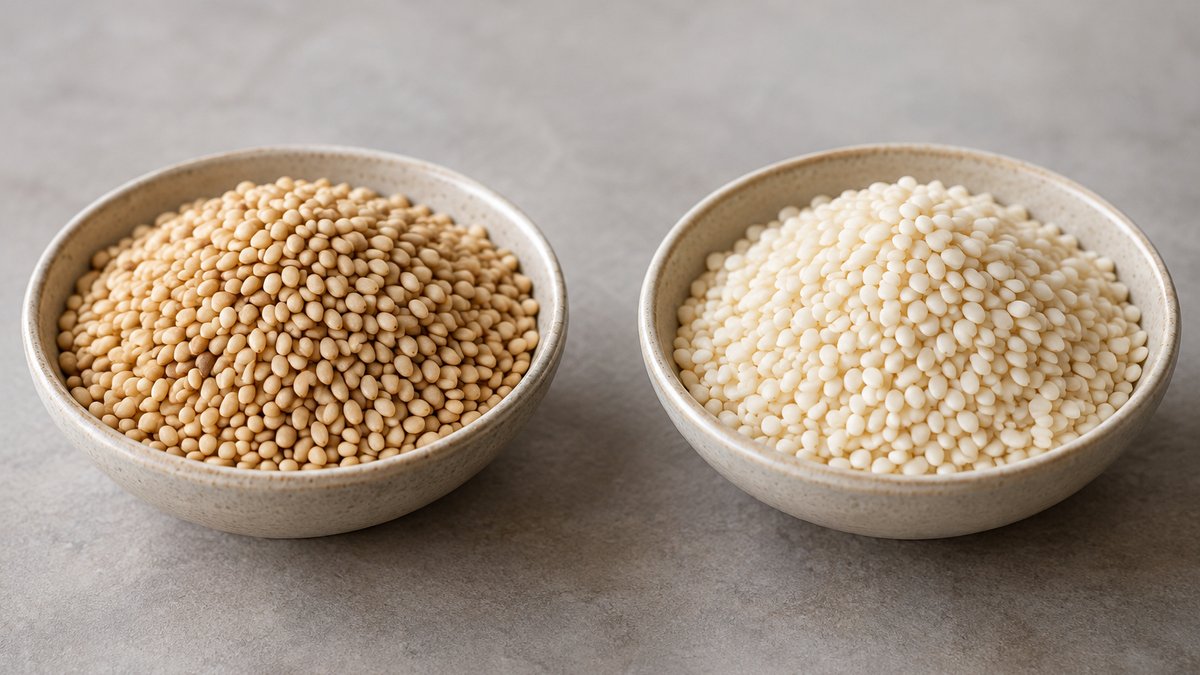
Blanched and unblanched describe whether the peanut kernel's thin outer skin remains. Blanching removes that skin; an unblanched kernel keeps it. The terms do not describe the hard pod shell, the peanut variety, or whether the kernels are roasted. The American Society of Agricultural and Biological Engineers defines blanched kernels by skin removal and unblanched kernels as kernels with none of the skin removed.
That distinction matters when a buyer's product needs a particular appearance or will undergo further processing. For example, a peanut butter ingredient specification may identify blanched or unblanched kernels. A snack manufacturer may instead require skin-on kernels for a particular product. Confirm the intended use and the exact physical form before comparing offers.
The word “shell” can cause confusion in a trade discussion. A peanut in the shell is still inside its pod. A shelled peanut is a kernel removed from that pod; its thin skin may remain or be removed. When requesting quotations, use “in-shell” or “shelled kernel” for the pod status, then state “blanched” or “unblanched” for the kernel skin.
A complete description separates those terms because pod status and skin status answer different questions. A buyer seeking kernels should say that the peanuts are shelled, then identify whether the skin is to remain. A buyer seeking peanuts in pods should state “in-shell” and separately describe any requirements that apply to the kernels after shelling. This wording helps prevent a supplier from interpreting “shell-on” as a request for the pod when the buyer meant the kernel's skin.
Blanching is not the same as roasting. U.S. Customs and Border Protection, relaying a USDA Agricultural Marketing Service clarification issued in 2022, described blanched peanuts as raw peanuts with the skin removed. That clarification also says blanching does not amount to cooking for the U.S. tariff classification discussed there. Processing and tariff treatment depend on the applicable rules and destination, so the U.S. explanation should not be treated as a universal customs ruling.
Buying consideration: In a contract, state pod status, skin status, and whether the kernels are raw or roasted as separate specifications. Add variety, size, whole or split form, quality grade, packaging, and destination requirements where they apply.
2. The comparison turns on skin, appearance, and the specified end use
The main difference is whether the kernel's skin remains. That choice affects the product's visible appearance and whether the buyer needs skin removal in a later processing step. Neither term alone identifies variety, grade, size, flavor, or roasting condition.
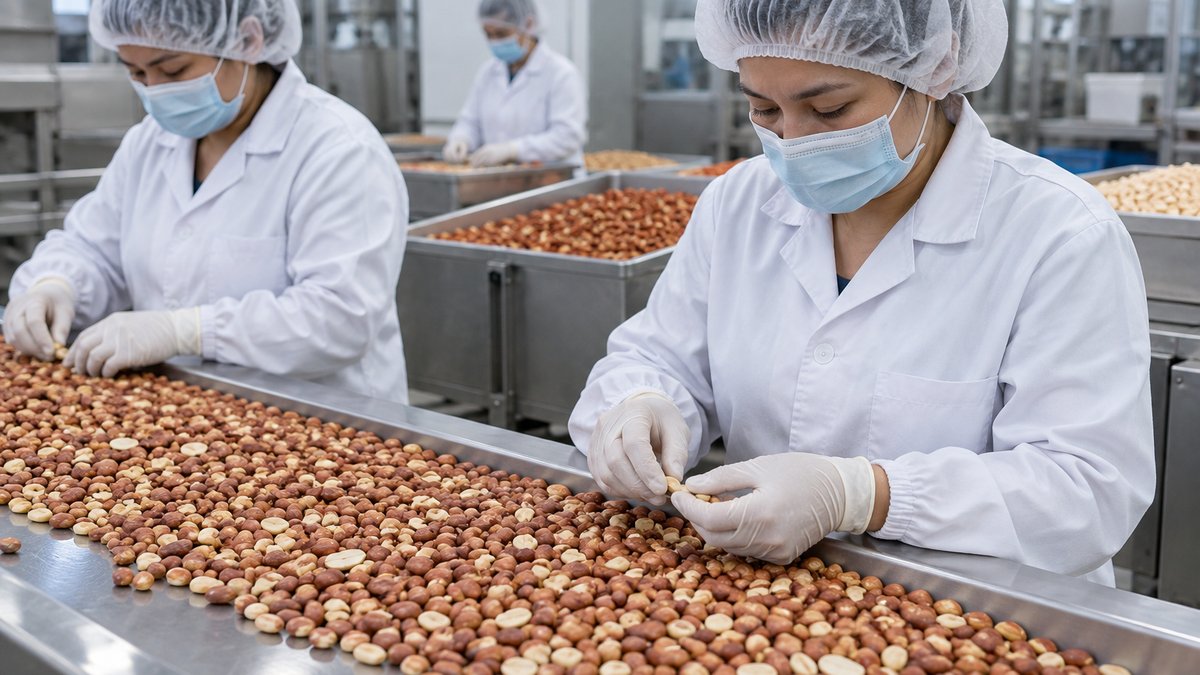
The table separates the skin condition from other purchase attributes. For example, specifying blanched kernels does not settle whether a lot should contain whole kernels, splits, or both. The buyer and supplier need to record those requirements independently so that a quote, sample, and delivered lot refer to the same product.
The terminology can also include intermediate or more precise forms. ASAE terminology distinguishes whole blanched kernels, split blanched kernels, partially blanched kernels, and unblanched kernels. A purchase description that only says “blanched” may therefore need a separate requirement for whole versus split kernels and for the acceptable amount of skin remaining.
Blanched does not by itself promise that every other feature is uniform. It does not state whether the germ is present, whether the kernels are raw or roasted, or how large the kernels are. For peanut butter ingredients, U.S. regulations distinguish blanched peanuts, where the germ may or may not be included, from unblanched peanuts, which include the skins and germ. Those are U.S. peanut butter provisions, not a general definition for every destination or product.
U.S. Department of Agriculture procurement specifications also show that the two forms can serve different product descriptions: one specification calls for blanched Virginia- or Runner-type roasted peanuts and separately describes unblanched Spanish-type roasted peanuts. This is a product specification for that procurement context, not a rule that every Spanish peanut is unblanched or every roasted peanut is blanched.
The comparison also does not establish a price difference. A buyer should not assume one form costs more simply because it has undergone skin removal. Any quotation comparison needs the same product attributes and commercial basis. If one supplier quotes a different variety, size, roast, or delivery condition, the skin description alone is not enough to make the offers comparable.
Buying consideration: Ask the supplier to confirm skin condition and provide a product specification or representative sample. If skin removal must meet a particular tolerance, state that tolerance and how acceptance will be checked in the contract.
3. A peanut butter ingredient order may require blanched kernels
Consider a processor sourcing kernels for a peanut butter production line. The buyer wants the skin removed before the kernels reach the factory, so a blanched description fits that requirement. The buyer still needs to define the variety, kernel size, whole or split form, roasting status, germ requirements, quality criteria, packaging, and destination-market documentation.
Illustrative inquiry format:
Product: Shelled peanut kernels, blanched
Kernel form: Whole or split, as required by the production line
Roasting: Raw or roasted, specify the required condition
Other specifications: State variety, size, grade, germ status, packaging, and applicable destination requirements
This is an illustrative inquiry format, not a universal peanut specification. Replace each open choice with the buyer's actual requirements.
The inquiry should make clear which details are fixed and which are open to supplier proposals. If the buyer accepts either whole kernels or splits, say so; if the production line needs one form, state that as a requirement. Giving the supplier the intended use can help clarify ambiguous details, but it does not replace the written specification.
A different buyer may be developing a skin-on roasted snack or a product for which the retained skin is part of the intended appearance. That buyer can request unblanched kernels, then separately specify the variety, roast, seasoning, size, and acceptable defects. USDA purchasing specifications include examples of roasted peanut products described as unblanched, which demonstrates that the skin condition can be stated alongside the roast and variety.
In either case, the commercial description should separate the skin decision from other product attributes. If the supplier quotes “peanuts” without confirming whether they are blanched, the parties may be pricing different processing requirements. If one quotation is for roasted kernels and another is for raw kernels, the two offers are also not directly comparable.
The buyer can use the same specification when requesting samples and reviewing a final confirmation. Check that the sample description identifies skin condition, kernel form, and roasting status. If a sample is approved, record the applicable attributes in the purchase documents so the approval refers to the same product the supplier is expected to ship.
Buying consideration: Before approving production, confirm the precise kernel form, skin condition, processing status, inspection method, and the contract's acceptance criteria. A sample can help both parties agree on appearance and form before shipment.
Looking to Source Peanut?
Connect with verified suppliers, discover matching products, and explore sourcing opportunities from global markets.
4. Choose blanched or unblanched peanuts to match the process and finished product
Choose blanched kernels when the buyer's specification or processing plan calls for the skin to be removed before delivery. Choose unblanched kernels when the buyer needs the skin retained. The decision follows the intended product and factory process; neither form is inherently a higher grade.
4.1 Blanched peanuts suit specifications that require skin removal
A buyer may prefer blanched kernels when the next stage of production requires kernels without skins. USDA procurement specifications for peanut butter, for example, require the peanuts used for the specified product to be blanched. That requirement applies to the stated U.S. procurement program; buyers elsewhere should check the product specification and local requirements that govern their purchase.
Blanching may also suit a product specification that calls for a skin-removed appearance. Confirm whether the buyer requires fully blanched kernels or permits partial skin retention, and state whether whole kernels, splits, or both are acceptable. If the germ matters to the formulation, specify its status separately.
When evaluating an offer for blanched kernels, verify that the description refers to skin removal rather than a different processing claim. Ask the supplier to state whether the kernels are raw or roasted and whether any other processing has taken place. This keeps the buyer's product requirement distinct from questions about preparation, packaging, or customs classification.
4.2 Unblanched peanuts suit specifications that retain the skin
Request unblanched kernels when the product calls for skin-on peanuts or the buyer's process does not include skin removal. A U.S. procurement specification, for instance, distinguishes unblanched Spanish-type roasted peanuts from other roasted forms. Buyers should treat that as a specific product example, then write their own variety and roast requirements rather than relying on the example as a general market convention.
The skin condition may also affect product appearance and what further preparation the buyer must plan. Confirm that the supplier's description refers to the kernel skin, not the pod shell, and agree on how the delivered lot will be checked.
If the buyer's product uses unblanched kernels, include that requirement in the purchase description and any relevant finished-product documentation. U.S. rules for peanut butter include specific statements for products prepared from unblanched peanuts. Those rules apply in their stated U.S. context; buyers exporting finished goods should verify the labeling rules for each destination.
4.3 Compare quotations only after filling in the other specifications
A blanched quotation and an unblanched quotation can differ in more than skin condition. Compare them only after confirming the same variety, size, grade, whole or split form, raw or roasted condition, packaging, quantity, delivery basis, and destination requirements. The term alone provides no price level or quality ranking.
Also specify how the buyer will inspect skin condition and handle kernels that fall outside the agreed description. The contract can identify the sampling method, allowed tolerance, inspection point, and procedure for resolving a disagreement. These details are especially useful when the visual condition is part of the buyer's acceptance criteria.
Before finalizing the order, check that the commercial documents use the same product wording. The inquiry, quotation, sample approval, contract, and packing description should not leave the skin condition implicit. If a supplier proposes a substitute, ask for the revised specification and approval before treating it as equivalent.
Buying consideration: Match the skin condition to the next processing step, then complete the rest of the specification. The buyer should confirm any destination-specific food, labeling, or customs rules with the relevant authorities or qualified trade advisers.
5. Use standards and sourcing pages to complete the specification
Standards can clarify product language, but they do not replace a complete purchase specification. The ASAE terminology defines forms such as whole blanched and unblanched kernels, while U.S. regulations address particular food and labeling contexts. USDA procurement documents provide examples of product descriptions for their stated programs. Check each document's scope before applying it to a different product, contract, or destination.
The documents used here cover different purposes. The ASAE document describes terminology for peanut blanchability; the U.S. federal regulation addresses peanut butter ingredients and labeling; and USDA procurement specifications describe products for particular purchasing programs. The U.S. Customs and Border Protection notice addresses a U.S. tariff classification clarification. None of those sources establishes a single international purchase specification for every peanut shipment.
For a sourcing request, state the peanut form, skin condition, variety, size, grade, raw or roasted status, packaging, quantity, delivery term, destination, and any requirements that apply to the intended market. Freshdi's Peanut supplier listings and Peanut buying requests can help buyers and exporters review relevant sourcing activity.
References
1. American Society of Agricultural and Biological Engineers – ANSI/ASAE S521 DEC1991 (R2016), Terminology and Test Equipment for Measuring Peanut Blanchability, 2016.
2. U.S. Customs and Border Protection – CSMS #53300999: USDA Agricultural Marketing Service Clarification for Blanched Peanuts, 2022.
3. U.S. Government Publishing Office – Code of Federal Regulations, Title 21, Part 164, 2025.
4. U.S. Department of Agriculture, Agricultural Marketing Service – Commercial Item Description A-A-20164E, Nuts, Shelled, Roasted, 2019.
5. U.S. Department of Agriculture – PP12, Peanut Products for Use in Domestic Programs, n.d..
Disclaimer: This article is compiled from platform data, public sources and information provided by third parties, for general informational purposes only. We do not guarantee its accuracy or completeness. Please conduct your own due diligence before making business decisions.