
1. Frozen Chicken and Chilled Chicken Differ in Their Required Temperature Conditions
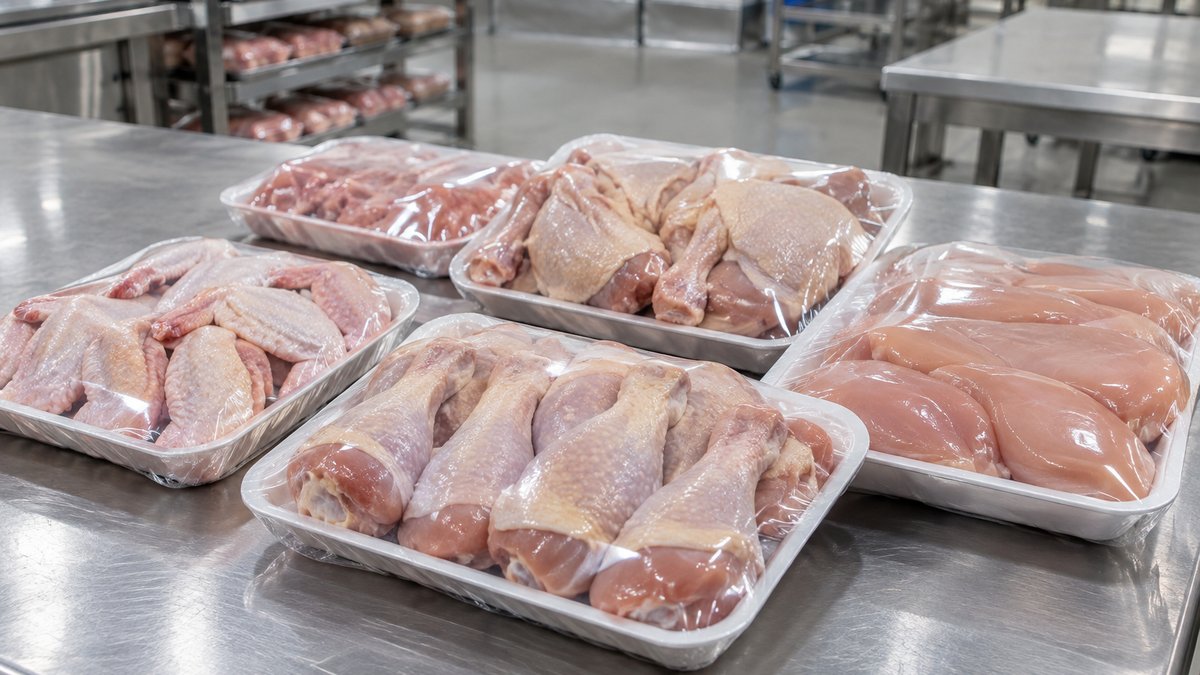
Frozen chicken is held in a frozen state through storage and transport. Chilled chicken is kept refrigerated without being frozen. For an importer, that difference affects the shipment’s temperature plan, storage equipment and handling after arrival.
The terms need careful handling in trade documents. “Chilled” is often used commercially to describe refrigerated chicken, but buyers should define the agreed product condition and temperature range in the specification. Labeling rules also depend on the destination market. In the United States, USDA poultry regulations restrict when raw poultry may be labeled “fresh” and specify when it must be labeled “frozen.”
Neither term states whether the chicken is whole, cut into parts, bone-in, boneless, skin-on or skinless. Those attributes, along with whether the product is raw or cooked, require separate specification. A quotation for “frozen chicken” alone leaves suppliers room to offer products that are not directly comparable.
2. Compare Temperature, Handling and Product Specification Before Comparing Offers
The main operational difference is whether the shipment must remain frozen or refrigerated. The required setpoint and permitted temperature range should be agreed in writing for the specific product, shipment and destination. Do not treat one country’s labeling rule or one purchasing specification as a universal temperature standard.
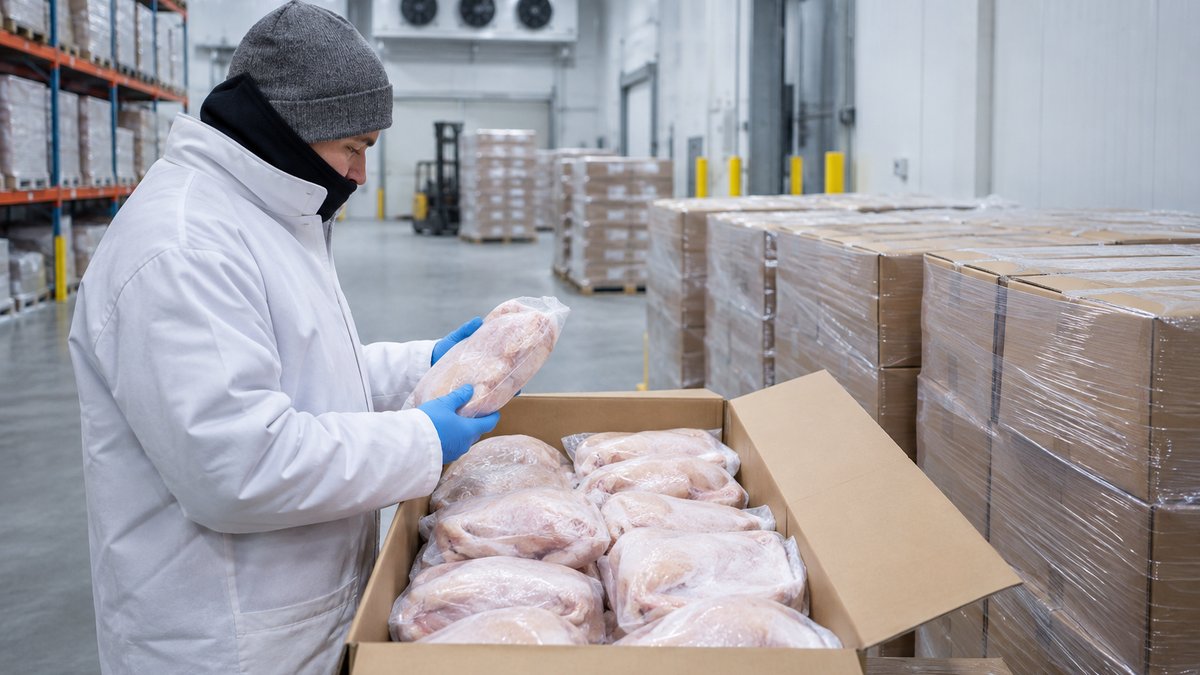
The USDA Agricultural Marketing Service’s 2018 bulk chicken purchasing specification gives one example of how a contract can distinguish conditions: it describes chilled chicken in transit at 26°F to 40°F and frozen chicken held in frozen storage at 0°F. Those values belong to that particular purchasing specification. Buyers should use the applicable destination rules and agreed shipment specification rather than copying them into every contract.
Freezing also does not replace food-safety controls. The USDA Food Safety and Inspection Service says freezing inactivates microbes but does not kill them; after thawing, they can become active again. Importers should therefore include receiving, storage and handling instructions for the condition they are buying, and follow applicable local food-safety rules.
3. A Shipment Plan Shows Why the Product Condition Must Be Agreed Early
Consider a food distributor arranging a shipment of chicken portions for several restaurant customers. One customer has freezer space and plans to schedule thawing before production. Another expects refrigerated stock for near-term distribution. The same cut and pack may suit both accounts, but the temperature condition changes the equipment, receiving plan and handling steps each buyer needs.
Illustrative inquiry format:
Product: Frozen chicken leg quarters
Condition: Frozen, with the required temperature range stated in the contract
Specification: State origin, grade or applicable standard, size range, bone and skin status
Packing: State inner pack, carton weight, net weight and labeling requirements
Shipment: State quantity, destination, requested delivery term and delivery window
Documents: List the certificates and import documents required for the destination
This is an illustrative inquiry format, not a universal chicken specification. Confirm product, temperature and documentation requirements for the destination.
If the distributor instead asks for “chicken, frozen or fresh,” suppliers may respond with different conditions and labeling. The buyer then has to resolve whether the offer is for frozen product, refrigerated product or product that has previously been frozen. That ambiguity can delay comparison and complicate receiving arrangements.
The buyer should settle the product condition before asking for quotations. When comparing offers, check that the products share the same cut, size, pack, processing condition, weight basis and delivery terms. A lower quotation may describe a different specification or shipment basis, so the price alone does not establish equivalence.
Looking to Source Frozen Chicken?
Connect with verified suppliers, discover matching products, and explore sourcing opportunities from global markets.
4. Choose Frozen or Chilled Chicken Around the Buyer’s Distribution Plan
Choose frozen chicken when the buyer’s storage and distribution system is designed to keep the product frozen, or when the buyer needs to schedule use after a planned thawing step. The contract should state the required product condition throughout transport and storage, along with packaging and receiving checks.
Choose chilled chicken when the buyer’s supply chain can maintain the agreed refrigerated condition and the receiving schedule matches the product’s handling requirements. Before shipment, the buyer and supplier should confirm the temperature range, transit arrangements, arrival checks and onward distribution plan.
4.1 Check the destination’s labeling rules
In the United States, 9 CFR § 381.129 says raw poultry that has ever been below 26°F may not be labeled “fresh,” subject to specified temperature tolerances. The rule also says raw poultry that has ever been at or below 0°F must be labeled “frozen,” with stated exceptions for potentially duplicative or conflicting labeling requirements. This is a U.S. poultry labeling rule, not a global definition of chilled chicken.
For cross-border shipments, check the importing country’s current labeling and food requirements, plus any rules that apply to the product’s processing or packaging. A supplier’s use of “fresh,” “chilled” or “frozen” in a quotation should match the product condition and the destination’s requirements.
4.2 Write the full chicken specification
Identify the chicken part and whether it is whole, bone-in or boneless, skin-on or skinless. State whether it is raw or cooked, the required grade or standard if applicable, the size range, pack format and net weight basis. Specify whether the buyer accepts a product that has previously been frozen, if that distinction matters for the intended use or local labeling.
Separate mandatory destination requirements from buyer preferences. For example, a buyer may request particular carton markings or documentation for its own warehouse process; that request should not be described as a legal requirement unless the relevant authority requires it. Ask the supplier to confirm which requested details it can document.
4.3 Compare the cold-chain plan, not just the quoted term
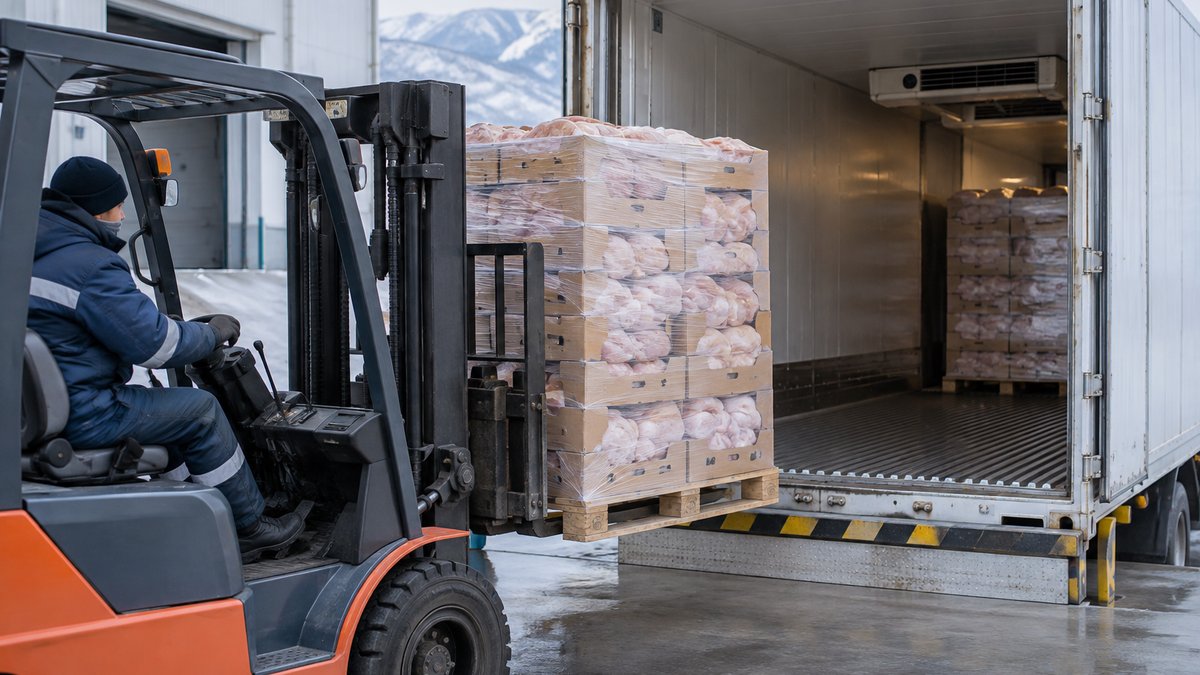
Ask how the supplier will maintain the agreed condition from dispatch through loading, transit and delivery. Confirm the receiving facility has suitable freezer or refrigerated capacity before the cargo arrives. The buyer should also determine who records temperatures, how exceptions are reported and what inspection procedure applies if the shipment arrives outside the agreed range.
A frozen offer and a chilled offer may require different equipment and receiving workflows. Compare the full landed arrangement, including the product specification, freight basis, destination handling and storage capability. Do not infer shelf life, quality or price from the word “frozen” or “chilled” alone; request product-specific evidence and contract terms.
Buying consideration: Before placing an order, make the product condition explicit in the purchase specification and verify that the supplier’s label, shipment plan and supporting documents match the destination market.
5. Related Resources for Frozen Chicken Sourcing
For U.S.-bound poultry, review 9 CFR § 381.129 for labeling provisions and the applicable USDA requirements for the product. The USDA Agricultural Marketing Service’s bulk chicken specification illustrates how a government purchasing document can set separate chilled and frozen conditions; its values apply to that specification, not every transaction. The USDA Food Safety and Inspection Service also provides guidance on freezing and safe thawing.
Buyers can review frozen chicken buying requests on Freshdi when checking stated sourcing needs. Confirm each request’s product details and commercial terms against your own specification.
Research checked November 21, 2026. Regulations and import requirements can change; verify the current rules for the destination and product before shipping.
References
1. U.S. Department of Agriculture, Food Safety and Inspection Service – 9 CFR § 381.129, False or misleading labeling or containers, 2026.
2. U.S. Department of Agriculture, Agricultural Marketing Service – Federal Purchase Program Specification for Bulk Pack Chicken and Chicken Parts, 2018.
3. U.S. Department of Agriculture, Food Safety and Inspection Service – Does freezing food kill bacteria?, 2024.
4. U.S. Department of Agriculture, Food Safety and Inspection Service – How do you thaw food safely?, 2024.
Disclaimer: This article is compiled from platform data, public sources and information provided by third parties, for general informational purposes only. We do not guarantee its accuracy or completeness. Please conduct your own due diligence before making business decisions.