
1. Hass and Fuerte differ most in ripe skin color and seasonal timing
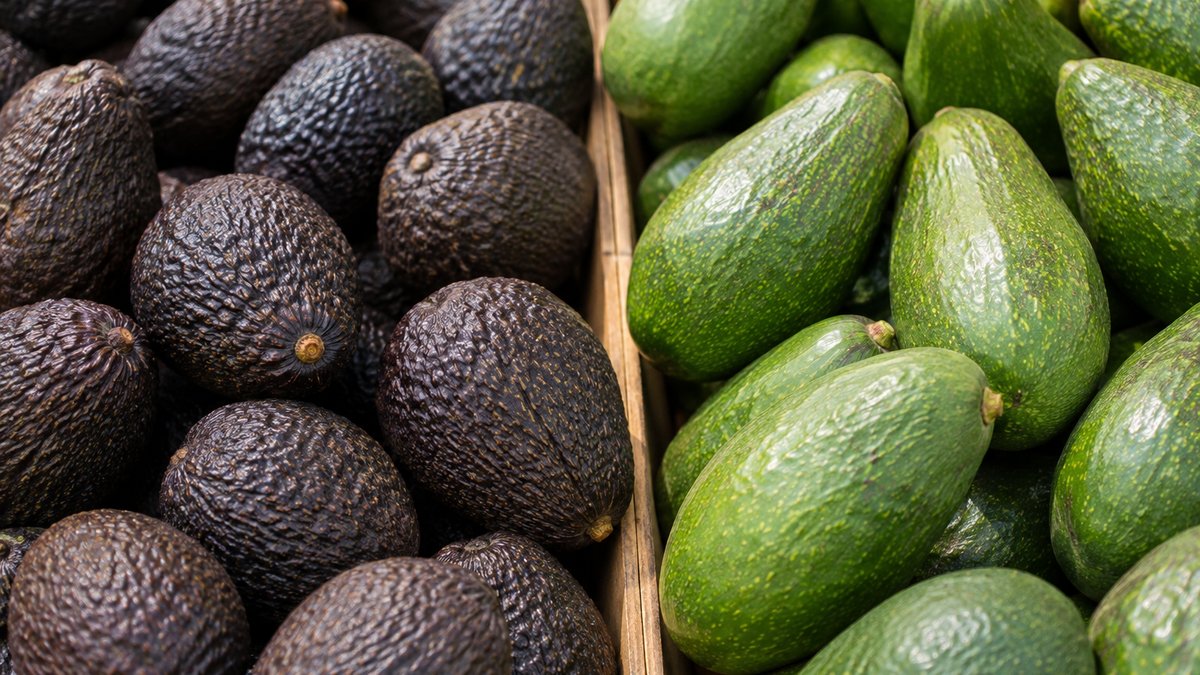
Hass and Fuerte are two avocado cultivars with readily distinguishable fruit characteristics. Hass skin changes from green to dark purple-black as the fruit ripens. Fuerte generally stays green, so a buyer cannot use darkening as its ripeness cue. The varieties also have different typical harvest periods in California: UC Agriculture and Natural Resources (UC ANR) lists Fuerte from November to June and Hass from April to October for Ventura County. Those months describe that California region, not a universal harvest calendar.
The names identify cultivars, not grades. Neither name alone states the fruit's size, maturity, defects, pack, origin, or condition on arrival. A Hass lot can vary in those attributes, as can a Fuerte lot. Buyers comparing offers should match the full specification and destination requirements before treating the cultivars as equivalent alternatives.
Shape and skin provide additional clues. UC ANR describes Fuerte as green-skinned and pear-shaped, while Hass is rounder and darkens at maturity. The University of California Statewide Integrated Pest Management Program (UC IPM) notes that green-fruited varieties may shift toward yellowish-green as they mature; that general cue should be considered alongside cultivar-specific maturity checks and the supplier's harvest information.
A dark Hass skin is a useful retail cue, but color does not establish every quality attribute. Fuerte's green skin is not evidence that the fruit is immature. For either cultivar, buyers should distinguish harvest maturity from eating ripeness: avocados are harvested mature and soften after removal from the tree. UC IPM describes oil content as the basis of avocado maturity and advises using appropriate maturity checks rather than relying on appearance alone.
The practical distinction is therefore about identification, merchandising and supply timing. Hass gives handlers a visible darkening cue during ripening. Fuerte keeps its green appearance and may serve a different seasonal window where it is grown. Actual availability depends on origin, growing conditions, harvest practices and the shipment date.
2. Hass vs Fuerte avocado comparison
The comparison below summarizes cultivar characteristics reported by UC ANR and UC IPM. The harvest months are specific to Ventura County, California, and can differ elsewhere. They are not shipment schedules or a guarantee that either cultivar will be available in a given market.
The season rows are regional reference points, not a direct prediction of when imported fruit will reach a particular buyer. Climate, production area and growing conditions affect harvest timing. UC ANR cautions that maturity seasons vary with district and seasonal conditions; an importer should request the origin's current harvest calendar and shipment plan.
Skin color is also an imperfect standalone test. UC IPM explains that maturity is based on oil content, and that fruit softens after harvest. A darkening Hass may be progressing through ripening, but a buyer still needs the agreed firmness and delivery condition. A green Fuerte may be mature even though its skin has not turned black. The receiving specification should state the expected condition, not simply “ripe” or “green.”
Cultivar does not replace a grade or quality specification. For example, USDA Agricultural Marketing Service (AMS) describes U.S. grade standards for Florida avocados using characteristics such as maturity, condition, shape and defects. The Florida standard is jurisdiction-specific; buyers should not treat it as a worldwide grading rule. For another destination, confirm the applicable national standard, import rules and contract requirements.
When comparing quotations, ask suppliers to identify the cultivar clearly and provide the growing origin, size range or count, harvest and packing dates, maturity basis, packaging, expected firmness at dispatch, and transport conditions. Add the destination market's required documents and inspection criteria. This makes the cultivar comparison useful without assuming that a label determines the rest of the lot's quality.
3. A buyer compares Hass and Fuerte for a seasonal retail program
Consider an illustrative importer planning a fresh-avocado retail program and reviewing offers for Hass and Fuerte. The importer wants a recognizable ripening cue for store staff and needs supply over a defined selling period. The right comparison starts with the program dates and origin-specific availability, then tests each offer against the required fruit condition and pack.
Illustrative sourcing scenario:
Product options: Hass and Fuerte fresh avocados
Program need: Retail fruit arriving at an agreed firmness and maturity
Supplier details to request: Origin, cultivar, size or count, harvest timing, pack and expected arrival condition
Receiving plan: Ripening and inspection criteria that account for each cultivar's skin color
This is an illustrative comparison, not a real buyer request, shipment offer or universal specification.
For Hass, the retailer may use the skin's change from green to dark as one visual signal for shoppers and store teams. The importer should still define firmness and inspection procedures because skin color alone does not confirm the fruit's maturity, internal condition or remaining shelf life. If fruit arrives at different stages of ripeness, the retail program may need separate handling or display instructions.
For Fuerte, the retailer should avoid copying a Hass color-based instruction. Fuerte usually remains green as it matures, so receiving and store checks should rely on agreed firmness, maturity information and any origin-specific handling guidance. The buyer should ensure the supplier, ripening facility and retailer use the same description of the required stage.
The seasonal question matters as much as the appearance. The California reference periods overlap from April to June, while the cited Ventura County schedule places Fuerte's season earlier than Hass for much of the year. The importer must verify actual availability at the chosen origin and date. California's schedule cannot establish the harvest timing of fruit grown in another country.
This comparison does not establish that one cultivar is cheaper, more durable or better suited to all retail programs. Those outcomes depend on the offer and operating conditions. The buyer should compare like-for-like quotations with the same delivery basis, pack, size specification, maturity target and inspection terms. If the suppliers quote different conditions, list those differences before comparing total landed cost or expected sell-through.
Looking to Source Fresh Avocado?
Connect with verified suppliers, discover matching products, and explore sourcing opportunities from global markets.
4. Choose the cultivar that fits the buyer's market and handling plan
Choose Hass when the buyer's program can use its darkening skin as a ripening and merchandising cue, and when the supplier can meet the required size, condition, timing and destination specifications. Hass is the leading California avocado variety according to the California Avocado Commission, but that California description does not establish consumer preference in every country or prove that Hass is available from every origin throughout the year.
Hass can be a practical fit for a retail operation that has staff guidance and display procedures built around color change. The buyer should confirm the fruit's firmness at dispatch and the expected condition at arrival. Include tolerances for size, defects and maturity in the purchase specification. If the sale depends on a particular ripening window, state that requirement and agree how the receiving team will assess it.
Choose Fuerte when the buyer needs a green-skinned cultivar, can assess ripeness without expecting the skin to turn black, and has confirmed supply for the required period. Its pear shape and green color distinguish it from Hass, while the cited California timing indicates a winter-oriented option in that production area. Buyers should verify whether the cultivar is commercially available from their intended origin rather than assuming the California calendar applies.
Fuerte may suit a program with a clear procedure for checking green fruit. The supplier should state the maturity basis and dispatch condition, while the receiver should use the agreed firmness or other contract criteria. Do not reject green fruit solely because it has not developed a dark Hass-like skin. Likewise, green color by itself does not confirm that Fuerte is mature or ready to eat.
For both cultivars, specify the same commercial details before selecting by name: cultivar identity, country and growing region, size or count, grade or quality standard, maturity and firmness at dispatch, pack format, harvest and packing dates, expected transit and arrival condition. Add any destination-specific import and inspection requirements. If the purchase is for processing rather than retail, specify the buyer's acceptable fruit condition and processing needs instead of relying on retail appearance.
A supplier's statement that fruit is “Hass” or “Fuerte” answers only the cultivar question. It does not state whether the fruit meets a particular national grade, whether it has reached the required maturity, or how it will perform after transit. Confirm those points in the product specification and contract, and agree how both parties will handle a lot that falls outside the stated tolerances.
For U.S.-bound shipments, USDA AMS states that imported avocados must meet at least the U.S. No. 2 grade requirement under the Florida avocado standards. AMS lists Hass and Fuerte among the varieties excepted from the specified import maturity requirements described on its avocado import page. That exception is limited to those maturity requirements; it does not remove the stated grade requirement or replace other applicable import rules. Importers should check the current regulation for the shipment and destination.
The buyer's decision should follow the program, not a universal ranking. Hass may be easier to merchandise where color change is part of the ripening routine. Fuerte may be appropriate where its green skin and verified supply window fit the buyer's plan. A clear specification and origin-specific availability check matter for either choice.
5. Related resources for fresh-avocado sourcing
Use cultivar references to identify likely appearance and seasonal differences, then check local harvest and import requirements before agreeing a shipment. UC ANR's Ventura County harvest information gives approximate maturity periods for common varieties in that region. UC IPM explains avocado maturity and ripening cues. USDA AMS publishes U.S. import and grade information, while the California Avocado Commission provides a cultivar overview for California-grown fruit.
These resources answer different questions. A cultivar guide describes fruit characteristics; a regional harvest calendar describes timing in its stated area; an import authority sets rules for its jurisdiction. None of them confirms a particular supplier's current stock, lot condition or delivery schedule. Ask for current, shipment-specific details and compare them with the buyer's written requirements.
Buyers and sellers can review Fresh Avocado buying requests or Fresh Avocado supplier listings on Freshdi, then check each listing's stated product details against the requested cultivar and shipment specification.
References
1. University of California Agriculture and Natural Resources – When to Pick Avocados, n.d.; accessed November 21, 2026.
2. University of California Statewide Integrated Pest Management Program – Harvesting and Storing Avocados, n.d.; accessed November 21, 2026.
3. U.S. Department of Agriculture, Agricultural Marketing Service – Importing Avocados, n.d.; accessed November 21, 2026.
4. California Avocado Commission – A Primer for Fresh California Avocados, 2023.
Disclaimer: This article is compiled from platform data, public sources and information provided by third parties, for general informational purposes only. We do not guarantee its accuracy or completeness. Please conduct your own due diligence before making business decisions.