
1. Fresh Ginger and Dried Ginger Differ in Processing and Product Specification
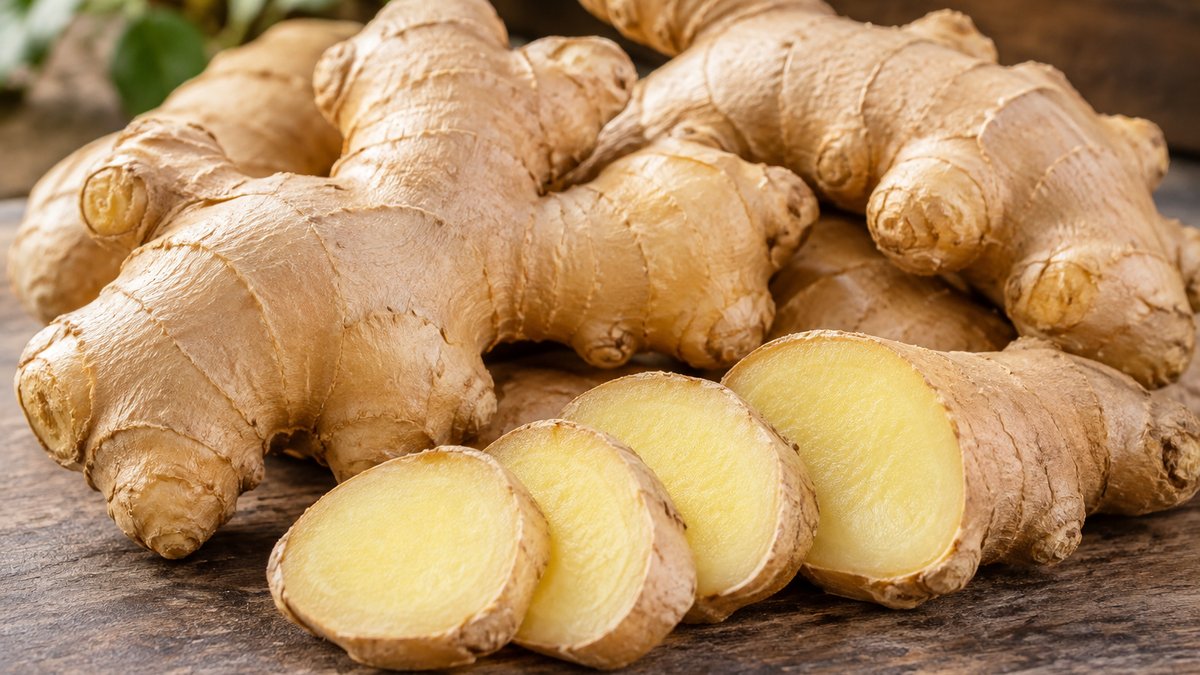
Fresh ginger is the intact rhizome of Zingiber officinale sold in fresh form. Dried ginger comes from the same plant, but it has been dehydrated and may be traded whole, in pieces or sliced, or ground into powder. The difference affects the product being purchased, the quality checks used and the details that belong in a contract.
The Codex Alimentarius Commission addresses the two forms in separate standards. Its Standard for Ginger, CXS 218-1999, applies to ginger supplied fresh to consumers after preparation and packaging; it excludes ginger for industrial processing. CXS 343-2021 covers dried or dehydrated ginger sold as a spice for direct consumption, food processing or repackaging, and excludes products for industrial processing. Buyers should check whether a standard’s scope fits their intended use.
Fresh ginger is commonly purchased for direct preparation, fresh-food distribution or further processing. Dried ginger suits buyers who require a dehydrated spice in a specified form, such as pieces for processing or powder for an ingredient blend. The forms are not interchangeable by weight or recipe without testing: drying changes the product, so buyers should validate the required flavor, processing performance and finished-product result with their own formulation.
A product name alone is not a complete specification. “Fresh ginger” leaves questions about size, condition, preparation and class unanswered. “Dried ginger” still needs a form, quality requirements and intended application. A quotation is easier to evaluate when the buyer states these details before comparing suppliers.
2. Fresh Ginger vs Dried Ginger: Commercial Comparison
Fresh ginger is traded as a fresh rhizome; dried ginger is traded as a dehydrated spice. Codex sets different quality provisions for each product, so buyers should assess a fresh lot against the fresh ginger specification and a dried lot against the dried ginger specification.
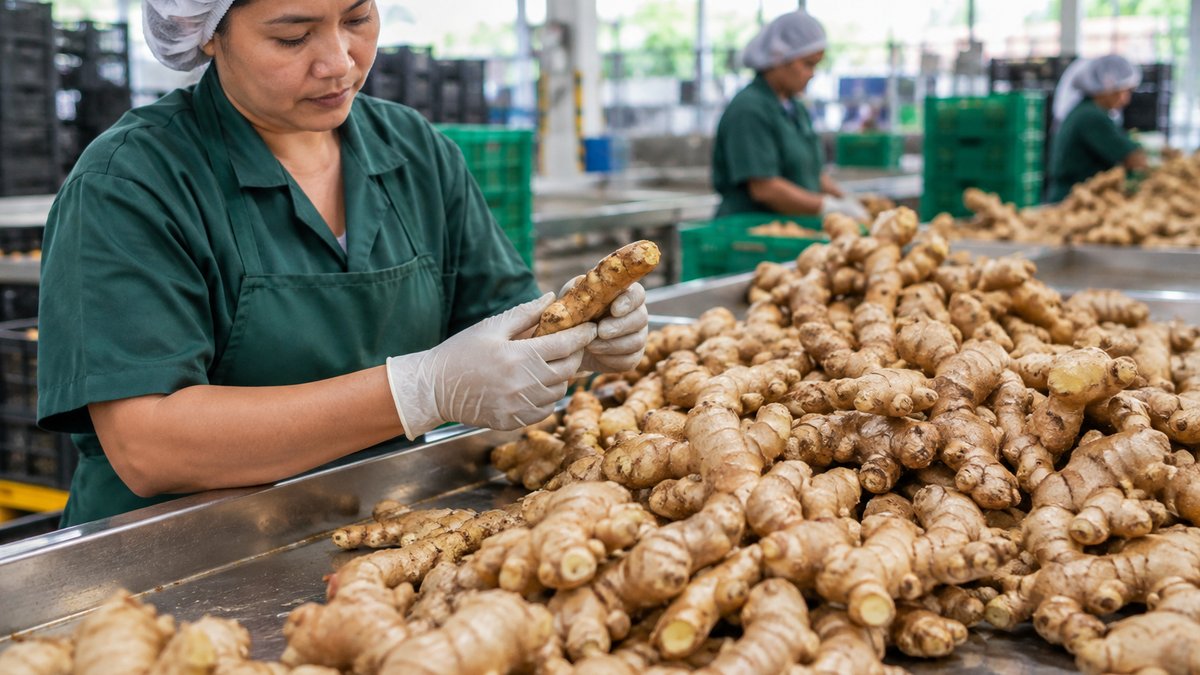
The Codex fresh ginger standard sets minimum requirements that include whole, sound, clean and firm produce, with limits on defects and condition. It also describes three classes: Extra, Class I and Class II. Class descriptions address appearance and defects; the buyer should still state size, packing and any additional acceptance criteria required by the contract.
The Codex dried ginger standard defines whole, pieces and ground or powdered forms. For covered dried ginger, it sets a maximum moisture content of 12% by mass. Its minimum volatile-oil requirement differs by form: 1.5 millilitres per 100 grams on a dry basis for whole and pieces, and 1.0 millilitres per 100 grams on a dry basis for ground or powdered ginger. Those are standard requirements for the product within the standard’s scope, not a complete buyer specification or a substitute for destination-country rules.
Codex standards are international references. Buyers and sellers must check whether the importing market has adopted or supplemented a standard with its own legal requirements. They should also confirm whether the lot is intended for consumer sale, food manufacturing or industrial processing, since the two ginger standards exclude products for industrial processing.
For U.S. trade, the USDA Agricultural Marketing Service says there are no U.S. grade standards for ginger root and notes that Hawaiian grade standards are often used as a trading standard. That makes the contract’s grade reference especially important: buyers should identify the specific standard or written criteria they expect, rather than assuming the words “Grade I” or “premium” have one universal meaning.
Buying consideration: Before comparing quotations, identify the form first, then ask each supplier to quote against the same grade or written quality specification, packing details and intended use.
3. Example: Choosing a Form for a Ginger Food Product
Consider a food manufacturer evaluating ginger for a packaged product. The buyer has two proposals: fresh ginger for in-house preparation, and dried ginger supplied as a spice ingredient. The proposals do not describe equivalent goods, so comparing their prices per kilogram alone would not answer which one fits the production plan.
3.1 If the buyer selects fresh ginger
The manufacturer should specify that the lot is fresh whole rhizomes and set the quality criteria for incoming inspection. Relevant points include the required class or agreed defect tolerances, size range, cleanliness, condition, preparation, packaging and delivery condition. The buyer should also decide how the factory will handle washing, trimming, peeling or other preparation, then test whether the supplied lot works in the production process.
The Codex fresh ginger standard’s minimum requirements include freedom from decay that would make the produce unfit for consumption, practical freedom from visible foreign matter and firmness. Those requirements provide a reference, but the contract should specify any commercial details that matter to the manufacturer, such as the acceptable range of sizes or how defects will be assessed.
3.2 If the buyer selects dried ginger
The manufacturer should specify whether it needs whole dried rhizomes, pieces, slices or ground/powdered ginger. The supplier’s specification should identify the form and the quality tests or limits agreed for the lot. If the buyer plans to use the ginger in a blend, it should run a production trial and confirm that the ingredient performs as intended before approving a larger order.
The Codex dried ginger standard contains form-specific requirements, including moisture and volatile-oil limits. A buyer can reference those requirements where they apply, then add any purchase-specific controls and sampling method. A powder order and a whole-ginger order should not be evaluated as though the same set of physical checks applies to both.
Illustrative inquiry format:
Product: Fresh ginger rhizomes or dried ginger pieces/powder
Use: Fresh preparation, food manufacturing, or another stated application
Quality reference: Named standard or written acceptance criteria
Product details: Size and class for fresh ginger; form and agreed analytical limits for dried ginger
Packing and delivery: State required packaging, quantity, destination and delivery term
Inspection: State sampling method, inspection point and how non-conforming goods will be handled
This is an illustrative inquiry format. The final requirements depend on the product, process, destination and contract.
The manufacturer should compare the cost and performance of each option using its own recipe, processing steps and finished-product requirements. A price per kilogram does not account for the amount of usable ingredient, preparation work or the result in the final product. The buyer should use production trials and matched specifications to decide whether either form meets the need.
Looking to Source Fresh Ginger?
Connect with verified suppliers, discover matching products, and explore sourcing opportunities from global markets.
4. Choose Fresh Ginger for Fresh-Rhizome Needs and Dried Ginger for a Specified Spice Form
Choose fresh ginger when the buyer needs intact rhizomes for fresh distribution, kitchen preparation or a process designed around fresh material. The order should name the fresh form and define the condition expected at inspection and delivery. A class reference can help communicate appearance and defect tolerances, but it does not replace commercial details such as size, packaging or delivery conditions.
Fresh ginger contracts should make the acceptance point clear. Buyers and sellers can state when and where quality will be checked, how the sample will be taken and which defects count toward rejection or allowance. They should also distinguish normal surface characteristics from conditions that make the goods unfit for the agreed use.
Choose dried ginger when the buyer requires a dehydrated spice and already knows the form needed for the application. Whole, cut pieces, slices and powder have different handling and processing characteristics. The buyer should name the form, define the required quality parameters and state whether the Codex dried ginger standard applies to the product’s intended use.
A dried ginger specification can identify the product name, form, origin details, moisture limit, sensory expectations, relevant physical or chemical tests, packaging and labelling requirements. Where a buyer uses the Codex limits, the contract should identify the applicable standard and clarify any additional requirements. For processed ginger intended for industrial processing, neither of the cited Codex commodity standards should be assumed to cover the transaction.
Choose neither form by a general claim that one is better. The decision depends on the buyer’s process, final product and specification. If both are feasible, obtain quotations for clearly defined products and evaluate them through a trial using the same recipe or production criteria.
Before issuing a purchase order, confirm the botanical product identity, form, quality reference, required tests, sampling method, packaging, quantity and delivery terms. Confirm the destination’s applicable food and import rules separately. Codex provides a common technical reference, while the importing market’s regulations and the contract determine what applies to a particular shipment.
5. Related Resources for Fresh Ginger Buyers and Exporters
For fresh ginger, consult the Codex Standard for Ginger, CXS 218-1999, and check the importing market’s current requirements. For dried or dehydrated ginger, consult Codex CXS 343-2021, including its 2025 amendment, and confirm that the product’s intended use falls within the standard’s scope. U.S. buyers can also review the USDA Agricultural Marketing Service’s ginger root inspection instructions, which explain the U.S. grading context.
Freshdi provides a place to review fresh ginger buying requests and fresh ginger suppliers. Buyers and exporters should compare each listing with their own product specification and verify commercial details before proceeding.
References
1. FAO/WHO Codex Alimentarius Commission – Codex Standard for Ginger, CXS 218-1999, Amendment 1-2005, 1999, amended 2005.
2. FAO/WHO Codex Alimentarius Commission – Standard for Dried Roots, Rhizomes and Bulbs: Dried or Dehydrated Ginger, CXS 343-2021, 2021, amended 2025.
3. USDA Agricultural Marketing Service – Ginger Root Inspection Instructions, Accessed November 21, 2026.
Disclaimer: This article is compiled from platform data, public sources and information provided by third parties, for general informational purposes only. We do not guarantee its accuracy or completeness. Please conduct your own due diligence before making business decisions.