
1. Walnut halves and walnut pieces differ in kernel form, not automatically in quality
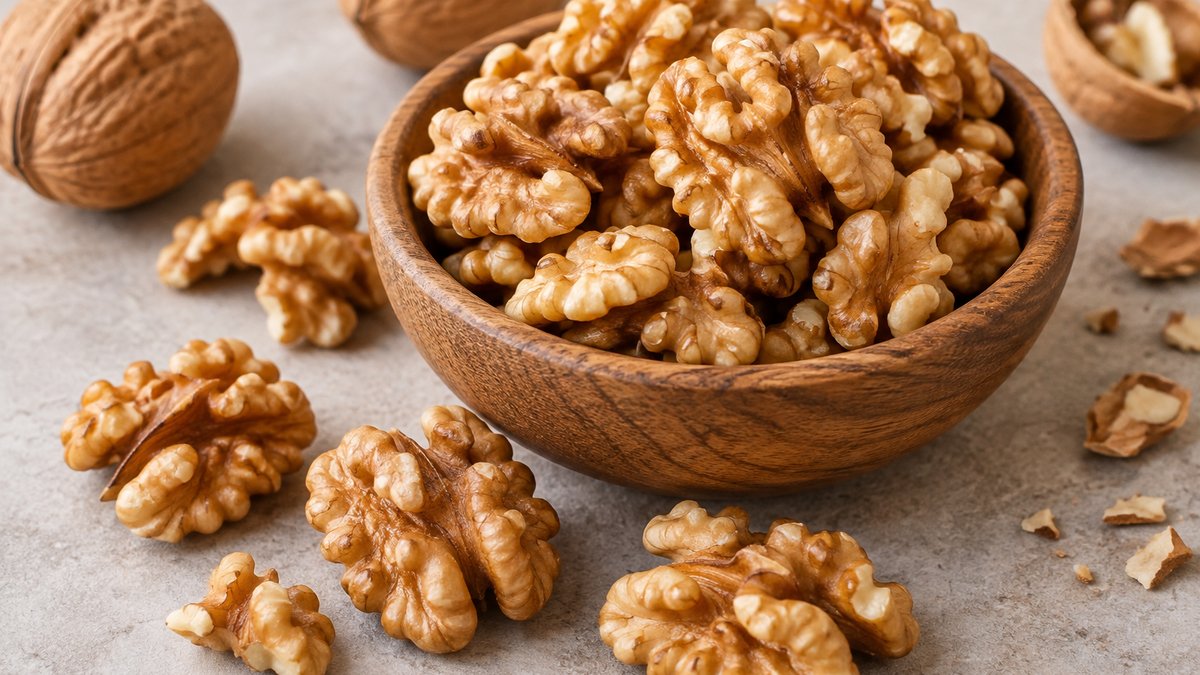
Walnut halves are kernels presented as two largely intact sections; walnut pieces are broken portions of kernels. Buyers choose between them mainly by how the product will be displayed, portioned or processed. The size label alone does not establish color, flavor, defect level, freshness or grade.
For contract purposes, “halves” and “pieces” need a named classification standard. The USDA standard for shelled English walnuts, Juglans regia, defines size classes using the share of half kernels by weight and sieve openings. The UNECE standard for walnut kernels uses a different set of styles, including halves, quarters, large pieces and broken pieces. The labels therefore should not be assumed to have identical thresholds across standards.
Under the USDA standard, a lot classified as “Halves” must contain at least 85% half kernels by weight; the remainder must be three-fourths half kernels. In that same standard, “Pieces” are portions that cannot pass through a round opening 24/64 inch in diameter. USDA also defines “Small pieces” by a different sieve range. These are size classifications, not a claim that one lot is better eating quality than another.
A buyer sourcing kernels for visible topping may need a stated proportion of intact halves. A processor buying walnuts for chopping or incorporation into another product may accept pieces, provided the requested size range and quality requirements are clear. In either case, “halves” or “pieces” by itself leaves other contract details unresolved.
2. Compare walnut halves and pieces against the named standard
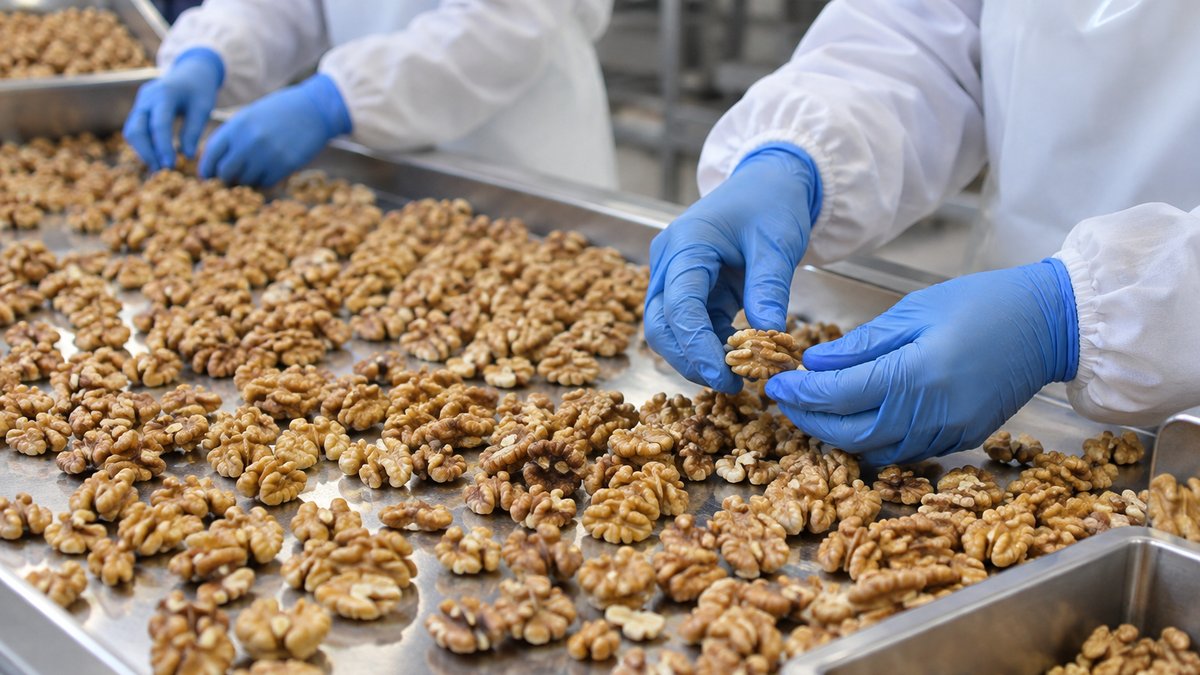
Walnut halves retain a larger, more recognizable kernel shape, while pieces consist of smaller portions. The commercial difference is usually the required appearance and portion size; the standard and specification determine what the label means for the lot.
The numerical thresholds above come from separate standards and should not be combined. USDA’s 24/64-inch opening is not the same measure as the UNECE 8 mm and 3 mm screens. If a contract refers to a standard, state its name and edition, then use that standard’s definitions and tolerances.
The USDA standards cover shelled English or Persian walnuts, Juglans regia, and do not apply to black walnuts, Juglans nigra. USDA says its nut grade standards are voluntary and provide a uniform language for describing quality and condition. A buyer and seller should therefore specify the standard in the contract rather than treating a USDA size term as an automatic requirement in every country or transaction.
Buying consideration: Before comparing offers, request the size class under a named standard, the percentage of halves or pieces where relevant, the permitted size variation, and separate quality and color terms. That keeps a size description from being mistaken for a complete product specification.
3. A bakery order shows why the size term needs a specification
Consider a buyer sourcing shelled walnuts for a bakery product that will show visible walnut portions on its surface. The buyer may prefer halves for the topping and pieces for a filling that will be mixed into dough. This is an illustrative purchasing situation, not a universal rule for bakeries.
Illustrative walnut inquiry
Product: Shelled walnut kernels, variety and origin to be stated
Size: Halves or pieces, with the named standard and requested size limits
Quality: State grade or quality class, color, defect tolerances and any test requirements
Commercial details: State quantity, packaging, delivery destination and requested trade terms
This example is illustrative. Set the final specification for the product, destination market and intended use.
If the buyer writes only “walnut halves,” suppliers may apply different standards or quote lots with different tolerances. A measurable requirement, such as the minimum percentage of halves by weight and the standard used, gives both sides a clearer basis for inspection. For pieces, the buyer should state the preferred size band or screening method and whether smaller fragments are acceptable.
The buyer should also assess attributes outside the size label. The USDA shelled-walnut standard treats size and color as separate classifications and describes grades through requirements for matters such as dryness, cleanliness and defects. A halves lot can therefore meet its size class while still needing separate agreement on color, grade and other quality conditions.
Looking to Source Walnut?
Connect with verified suppliers, discover matching products, and explore sourcing opportunities from global markets.
4. Choose halves for visible form and pieces for a defined processing size
Choose walnut halves when intact kernel appearance is part of the product specification, such as a visible topping, garnish or retail presentation. Put the required proportion and tolerance in the contract. The USDA classification provides one reference point: its “Halves” category requires at least 85% half kernels by weight, with the remainder three-fourths half kernels.
Choose walnut pieces when the buyer’s process calls for smaller portions, or when the kernels will be chopped or blended into another product. “Pieces” can still cover a size range, so state dimensions, screen limits or a recognized style classification. If a purchaser needs a narrow particle size, the word “pieces” alone is not enough.
Some buyers may prefer a mixed lot of halves and pieces when both forms suit the production line. USDA’s “Pieces and halves” class requires at least 20% half kernels by weight, with the remainder meeting its specified sieve condition; the actual percentage of halves may be stated when it exceeds that minimum. UNECE separately describes “large pieces and halves” and allows the proportion of halves to be specified in the marking. The two descriptions are not interchangeable without identifying the standard.
Do not use kernel form as a stand-in for grade or price. A quotation for halves and one for pieces should be compared only after checking the standard, size tolerances, color, grade, defect allowances, packing and delivery basis. Those terms determine whether the offers cover comparable walnuts.
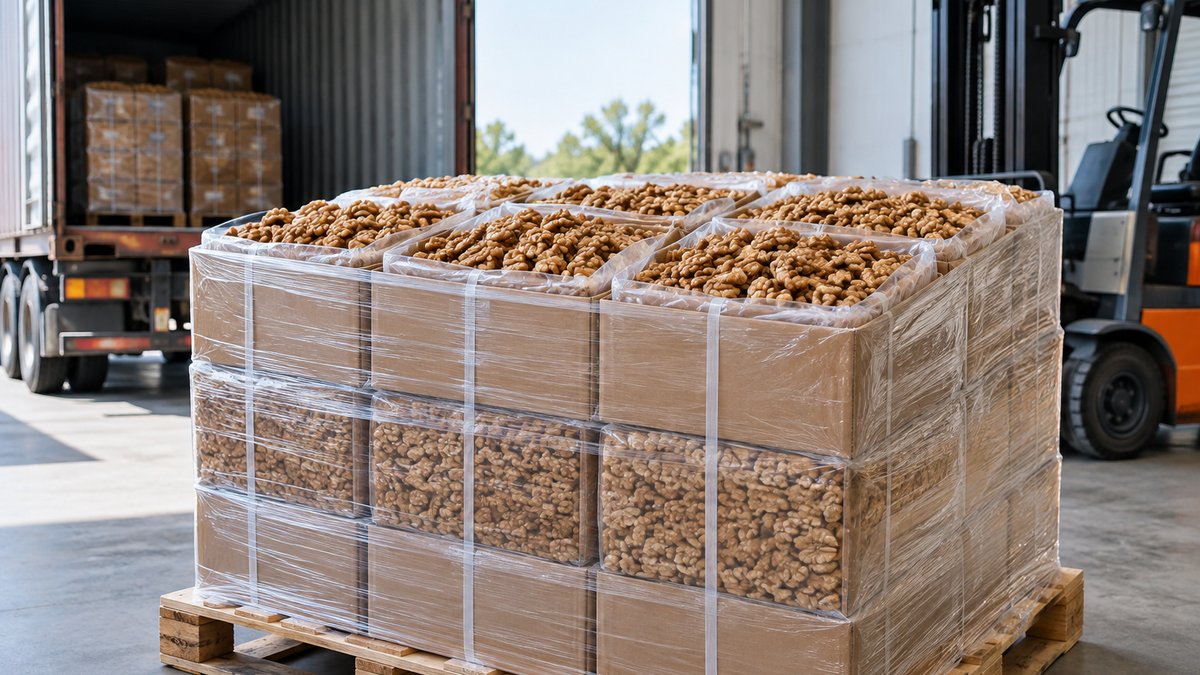
For an import order, the destination’s rules and the contract govern the documentation and product requirements. Ask the supplier to confirm the stated size class against a representative lot sample, and agree how inspection will handle the lot and any out-of-class portions. Keep the size description separate from the buyer’s requirements for color, moisture, flavor and food-safety documentation.
5. Use standards and sourcing resources to complete the walnut specification
Use the USDA standard when the contract calls for U.S. size classifications for shelled English walnuts. Use UNECE DDP-02 when the parties agree to its walnut-kernel styles. Both documents provide defined terminology, but their classifications and screen measurements differ. The importing country’s requirements and the parties’ contract still need to be checked for the shipment.
- Review the USDA standards for grades of shelled walnuts to confirm the U.S. size definitions, grading terms and tolerances.
- Review UNECE DDP-02 for walnut-kernel styles such as halves, quarters, large pieces and broken pieces.
- On Freshdi, review walnut buying requests or walnut suppliers as starting points for product sourcing. Confirm each listing’s current specifications and commercial details directly through the relevant Freshdi listing.
A complete purchase specification names the product form, variety where needed, size standard, size class, tolerances, quality or grade, color, packaging and delivery terms. The buyer can then request offers against the same requirements and compare supplier responses on a consistent basis.
References
1. U.S. Department of Agriculture, Agricultural Marketing Service – United States Standards for Grades of Shelled Walnuts (Juglans regia), 2017.
2. United Nations Economic Commission for Europe – UNECE Standard DDP-02: Walnut Kernels, 2010.
3. U.S. Department of Agriculture, Agricultural Marketing Service – Nuts: Grades and Standards, Accessed November 21, 2026.
Disclaimer: This article is compiled from platform data, public sources and information provided by third parties, for general informational purposes only. We do not guarantee its accuracy or completeness. Please conduct your own due diligence before making business decisions.