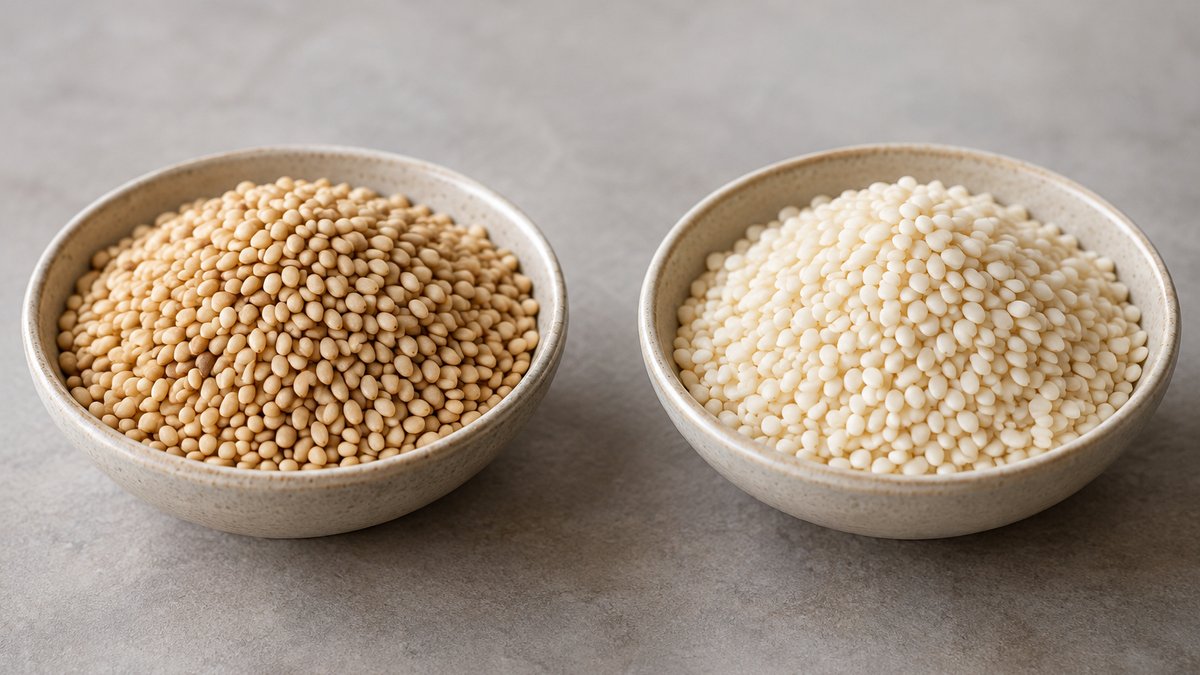

1. Natural and Hulled Sesame Seeds Differ by Processing
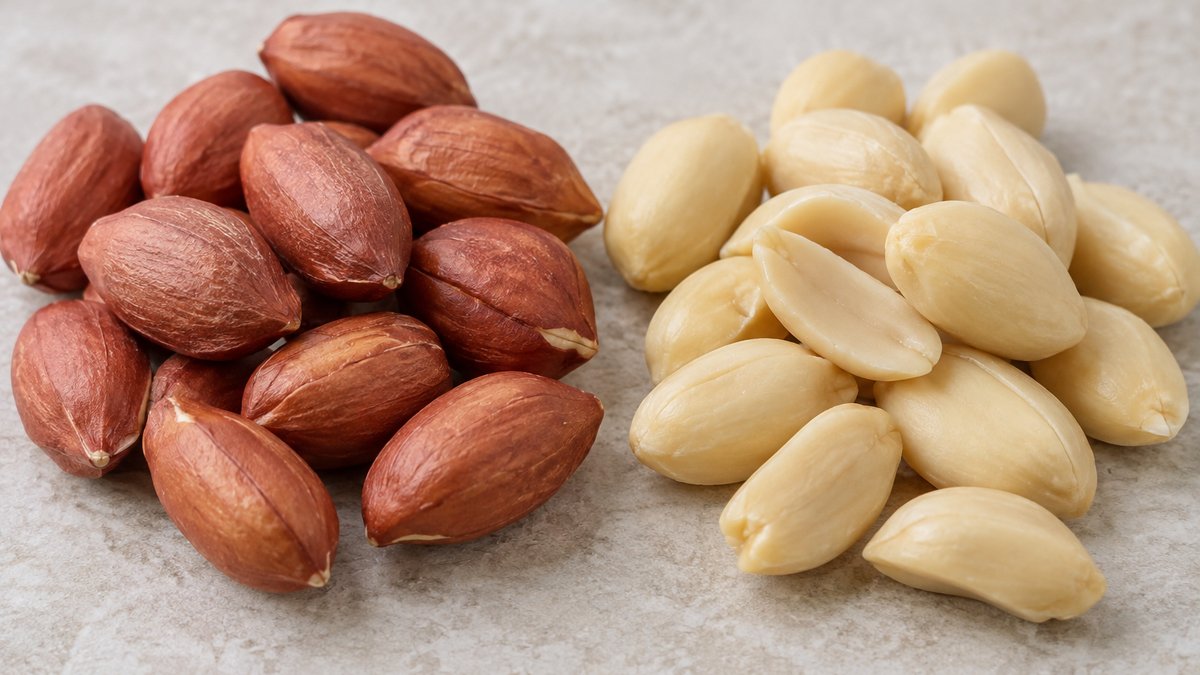
Natural sesame seeds are sold with their outer coat intact. Hulled sesame seeds have had that coat removed through processing. In trade, “natural” is commonly used for unhulled seed, but buyers should confirm the term in the product specification because commercial descriptions can vary.
The distinction describes processing, not a sesame variety, grade, origin or roast level. A natural seed may be white, brown or another variety color; a hulled seed may also differ in color and quality. Neither term alone tells a buyer the crop year, purity, moisture, oil content, treatment or food-safety status.
Hulling removes the seed coat and changes the seed's appearance and handling characteristics. A technical report published by India's Ministry of Micro, Small and Medium Enterprises describes sesame dehulling as removal of the husk and says hulled seeds are softer than unhulled seeds. The report describes one processing route involving washing and drying; other methods exist, so a buyer should ask how a particular lot was hulled rather than assume a process.
The commercial choice starts with the product's next use. A buyer using whole seeds as a visible topping may prefer to assess natural seed, while a processor seeking a seed without its outer coat may specify hulled seed. These are application-based starting points, not rules that every bakery or processor follows.
2. Compare Sesame Seed Form and Specifications
The processing state is only one part of a sesame specification. For both forms, buyers need measurable limits for the attributes that affect their process and finished product. The Centre for the Promotion of Imports from Developing Countries (CBI) identifies color, purity, oil content and seed quality among sesame grading criteria, and advises buyers and exporters to agree on specifications.
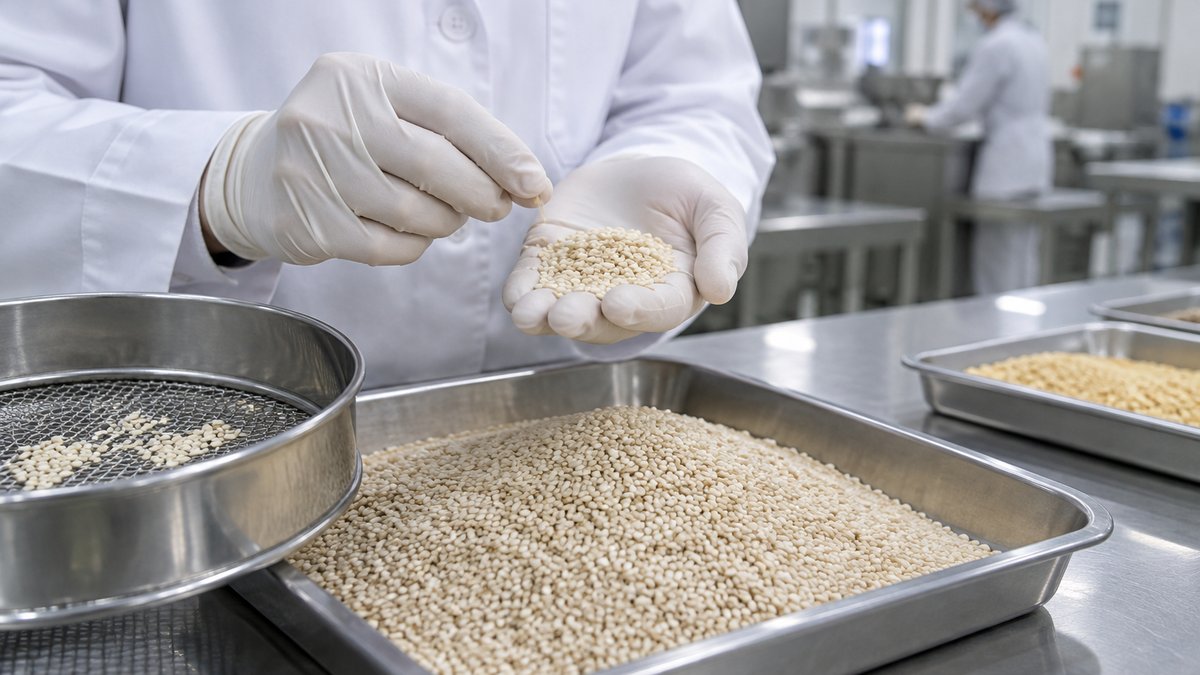
The table describes the processing distinction; it does not set universal acceptance limits. CBI reports that sesame has no official quality standard for the European market and that buyer requirements depend on product and channel. Local standards and import rules may apply in other destinations. Put the destination, intended use and agreed limits in the contract and product specification.
Do not compare quotations by price per kilogram alone if one product is natural and the other hulled. Hulling changes the product delivered, and the processing yield and costs depend on the method and incoming seed. India's Central Food Technological Research Institute reports an 80% to 85% yield for fully dehulled sesame kernels from cleaned and destoned raw material using its dry-dehulling technology. That figure describes that technology, not a guaranteed yield for every supplier or process.
A fair comparison therefore identifies whether the quoted quantity refers to incoming natural seed or finished hulled seed. Buyers should also match the quality limits, packaging, crop information and delivery basis before judging two offers.
3. A Bakery Buyer Chooses Between Natural and Hulled Seed
Consider a bakery sourcing sesame for bread toppings. If the finished product calls for visible whole seeds with the coat retained, the buyer can request natural sesame and state the required color, purity, moisture, foreign-matter limit and packaging. If the bakery's process or product specification calls for dehulled kernels, it can request hulled sesame and add a limit for residual hull.
The buyer should then ask each supplier to quote the same product form and specification. A natural-seed quotation and a hulled-seed quotation do not describe identical goods, even when both are labeled sesame seeds. For hulled product, the buyer can request process details and a lot-specific certificate of analysis covering agreed parameters.
A similar distinction applies to a processor buying seed for further manufacture. If the processor has its own cleaning or dehulling line, natural seed may fit its production plan. If it needs the seed coat removed before the next manufacturing step, it may request hulled seed and assess whether the supplier's finished product meets its process requirements.
These situations are examples of how processing state can affect purchasing. They do not establish that all bakeries prefer natural seed or that every processor needs hulled seed. The buyer's recipe, equipment and customer specification decide which form to test.
Looking to Source Sesame Seed?
Connect with verified suppliers, discover matching products, and explore sourcing opportunities from global markets.
4. Choose the Form That Fits the Next Processing Step
Choose natural sesame when the buyer needs the seed with its coat intact or plans to carry out additional processing in-house. Choose hulled sesame when the purchase specification requires the outer coat to have been removed before delivery. Confirm the intended form with the production team before inviting suppliers to quote.
For natural seed, specify the variety color or acceptable color range and the required limits for purity, moisture, foreign matter and damaged or immature seeds. State oil content when it matters to the application. CBI notes that oil content matters more to oil millers than physical appearance, so the specification should reflect the buyer's use rather than copy a generic grade description.
For hulled seed, retain those quality checks and state the required hulling completeness, residual-hull tolerance, color and any additional processing conditions. “Hulled” does not automatically mean roasted, sterilized, organic or free from every contaminant. Specify those attributes separately when required and verify them against the applicable destination requirements.
- Name the product form as natural or hulled, and define the term in the contract.
- State the intended application and required color or color range.
- Set limits for purity, moisture, foreign matter and damaged seed; include oil content where it affects processing.
- For hulled seed, define the acceptable residual-hull level and request the relevant test result.
- Specify whether roasting, a food-safety treatment, organic status or another attribute is required.
- Match quantity, packaging, destination, delivery terms and crop information when comparing supplier quotations.
For food imports, the processing form does not replace food-safety checks. CBI advises sesame exporters supplying Europe to manage traceability and food safety, including pesticide residues and microbiological hazards. Buyers should identify the requirements for their own destination and product, then agree on suitable documentation and verification with the supplier.
5. Related Sesame Seed Resources for Buyers
A useful sesame seed specification names the product form first, then gives the quality limits and commercial details needed for comparable offers. Ask suppliers to confirm whether the seed is natural or hulled, whether it has been roasted or otherwise treated, and which lot documents support the stated specifications.
The source material cited here includes CBI's guidance on sesame grading and buyer requirements, India's Ministry of Micro, Small and Medium Enterprises report on confectionery-grade sesame processing, and CFTRI's description of dry dehulling. CBI's guidance is specific to entering the European market; buyers shipping elsewhere should check the relevant local requirements.
Buyers comparing current sesame seed requests can view Sesame Seed buying requests on Freshdi. Use the agreed product form and specification to assess whether a request or supplier offer fits the intended application.
References
1. Centre for the Promotion of Imports from Developing Countries – Entering the European market for sesame seeds, 2024; accessed 2026-11-21.
2. Ministry of Micro, Small and Medium Enterprises, Government of India – Confectionery Grade Sesame Seed, n.d.; accessed 2026-11-21.
3. Central Food Technological Research Institute – Dry Dehulling of Sesame Seeds, n.d.; accessed 2026-11-21.
Disclaimer: This article is compiled from platform data, public sources and information provided by third parties, for general informational purposes only. We do not guarantee its accuracy or completeness. Please conduct your own due diligence before making business decisions.