
1. Whole Turmeric and Turmeric Powder Differ in Processing and Specification
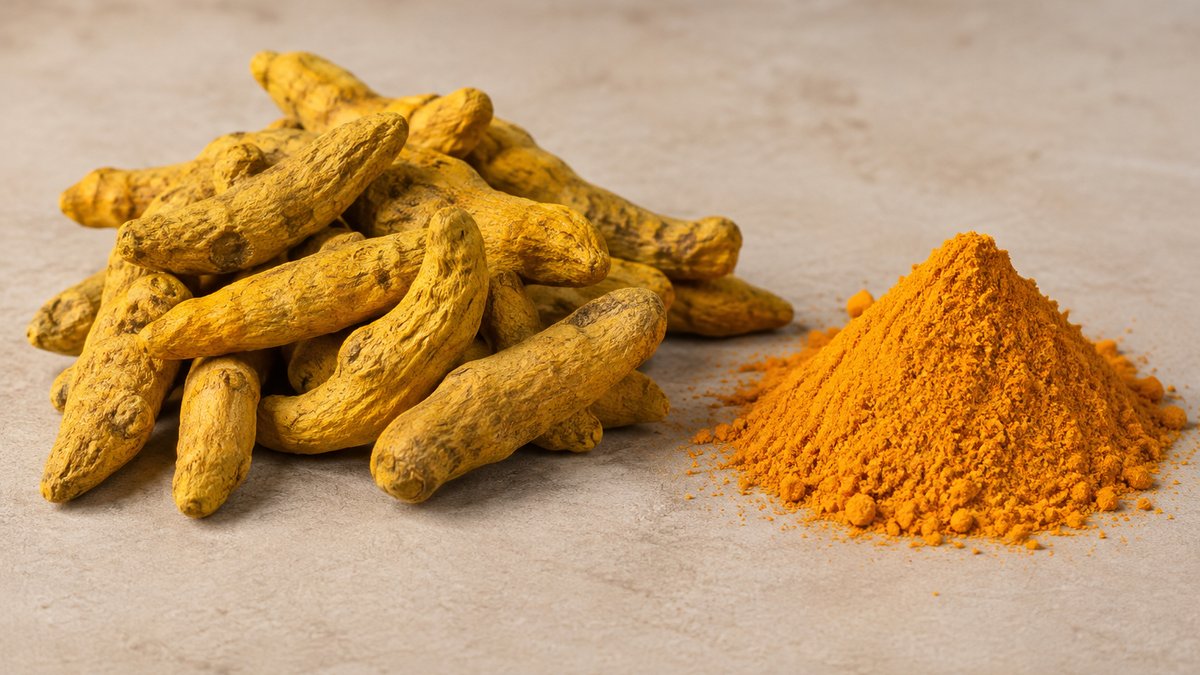
Whole turmeric is dried rhizome, commonly traded as fingers or bulbs; turmeric powder is dried turmeric that has been ground. The choice changes where milling happens, how the product is inspected and which quality details a buyer needs to agree with the supplier.
The Codex Alimentarius Commission’s CXS 359-2024 covers dried or dehydrated turmeric for direct consumption, food processing or repackaging. It recognizes whole, pieces and powdered or ground styles. The standard excludes turmeric for industrial processing, so buyers should confirm that the product and intended use fall within its scope.
For buyers comparing whole turmeric with powder, the useful distinction is the stage of processing at delivery. Whole product leaves the buyer with more control over grinding and particle size. Powder arrives ready for use, with grinding already completed. Neither form alone confirms a particular grade, origin, curcuminoid level above the Codex minimum, microbiological result, packaging format or suitability for a buyer’s production line.
Codex provides an international benchmark for product identity and quality. It is not a substitute for the importing country’s applicable rules or the requirements written into a sales contract. Buyers and sellers should name the agreed specification, sampling approach and acceptance criteria in the contract instead of relying on the product name alone.
2. Comparison of Whole Turmeric and Turmeric Powder
The physical form is the most visible difference, while the Codex chemical limits also differ for moisture and total ash. Both styles share the same minimum curcuminoids content and maximum acid-insoluble ash in CXS 359-2024.
The limits in the table are the Codex values for dried or dehydrated turmeric under CXS 359-2024. They are not a claim that every importing jurisdiction applies the standard as law, or that every buyer accepts those limits as its full specification. A contract may set tighter criteria, and national requirements may apply.
The moisture limits reflect the product styles defined in the standard: maximum 12% for whole turmeric and 10% for powdered or ground turmeric. Total ash has a maximum of 8% for whole turmeric and 9% for powder, measured on a dry basis. Acid-insoluble ash is capped at 1.5% on a dry basis for both, while the minimum curcuminoids content is 2% on a dry basis for each style.
These figures do not tell the buyer how finely the powder is ground or how a batch performs in a particular recipe. A purchase specification should state the needed particle size or sieve test where relevant, and should identify the test method and the basis for reporting results. For whole product, it should describe the accepted style, such as fingers or bulbs, and any size or defect criteria the parties have agreed.
CXS 359-2024 also sets out physical characteristics by style. Its table lists limits for whole turmeric and pieces, while several physical measures for powdered or ground turmeric are marked “not applicable.” That wording does not mean a zero limit; the standard explains that “not applicable” means the style has not been evaluated for that provision and no value is specified there. Buyers should agree on suitable powder inspection and testing criteria directly in the specification.
A quotation that says only “turmeric” leaves the supplied form open to interpretation. State “whole dried turmeric fingers” or “ground turmeric powder,” then add the agreed chemical, physical, packaging and testing details. That gives both parties a clearer basis for quotation, pre-shipment checks and acceptance on arrival.
3. Example: Choosing a Form for a Seasoning Production Line
Consider a food manufacturer that makes a dry seasoning blend and is deciding whether to buy whole dried turmeric or powder. If the factory already has a mill and can manage grinding, whole turmeric may fit a process that requires control over the milling stage. If the factory’s line is set up to blend incoming powder, ground turmeric may fit the existing workflow.
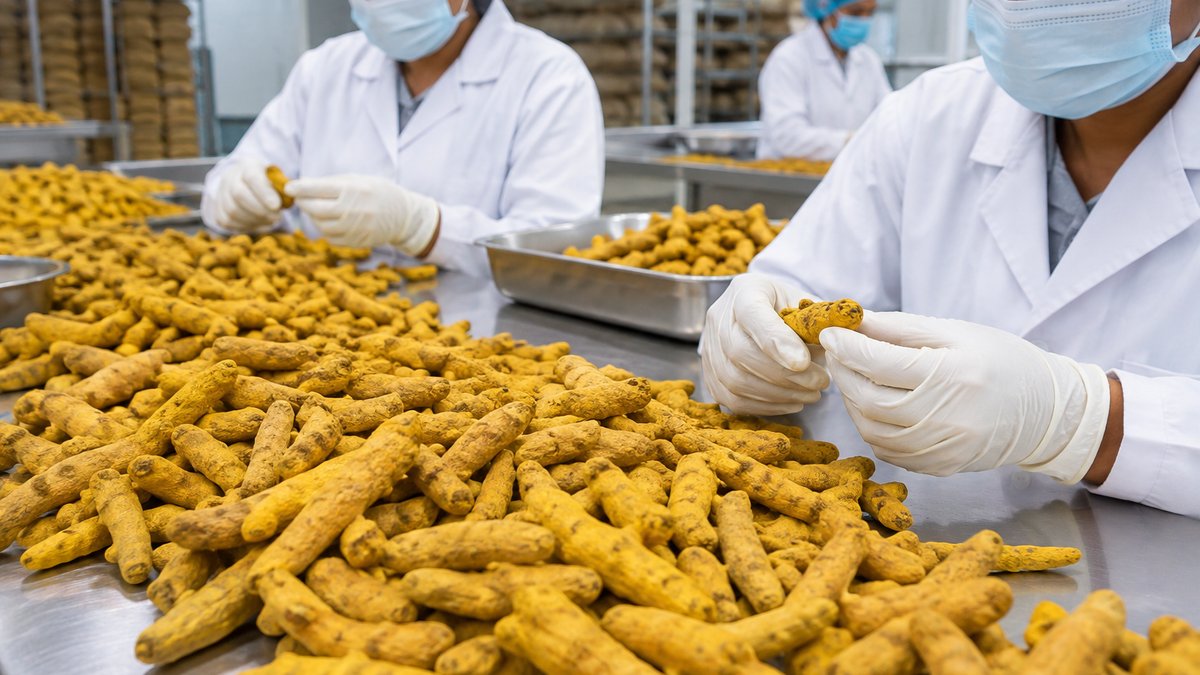
The choice also changes what the buyer needs to verify. For whole turmeric, the buyer can specify the style and inspect the incoming rhizomes before in-house grinding. For powder, the buyer should state the required particle-size range or sieve result and agree how the supplier will show compliance. In either case, test results should identify the lot tested and the relevant method.
Illustrative purchase specification questions:
Product form: Whole dried turmeric fingers or ground turmeric powder
Intended use: Dry seasoning blend
Quality criteria: Agreed moisture, ash and curcuminoids limits
Powder requirement: Particle size and test method, if buying ground product
Shipment details: Quantity, packaging, destination and delivery terms
This is an illustrative checklist, not a universal turmeric specification. Set values and acceptance criteria to match the product, destination rules and production process.
Suppose the factory buys whole product and mills it after receipt. Its incoming inspection needs to cover the whole style and the agreed whole-turmeric quality criteria; the factory then controls the grinding step. If it buys powder, the supplier’s grinding specification becomes part of the incoming product requirement. The buyer should also agree how the lot will be sampled and how any out-of-specification result will be handled.
Neither choice guarantees a lower total cost. A valid comparison should include the quoted product, processing equipment and labor, yield or losses at the buyer’s facility, testing, packaging and any handling needed before blending. Compare quotations for the same destination, delivery term, quantity and quality criteria. A whole-product price and a powder price may cover different processing stages.
Looking to Source Turmeric?
Connect with verified suppliers, discover matching products, and explore sourcing opportunities from global markets.
4. When to Choose Whole Turmeric or Powder
4.1 Choose whole turmeric when milling control matters
Whole turmeric can suit a buyer that has milling capacity and wants to control the grinding stage after receipt. That setup lets the buyer set its own process parameters and produce powder for a defined application. The buyer must account for the equipment, labor, handling and checks required between receipt and use.
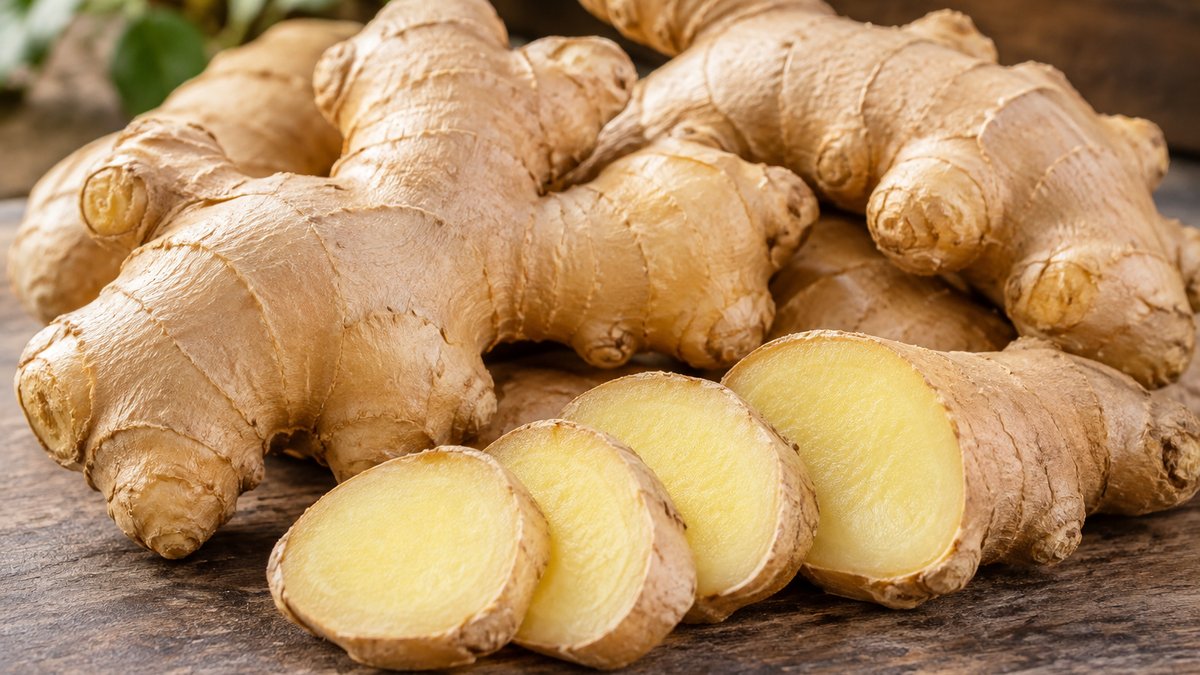
Whole turmeric also gives the buyer a physical form that can be inspected as rhizomes or fingers before grinding. The purchase specification should say which whole style is acceptable and define any measurable quality limits, sampling procedure and packaging needs. Codex describes whole turmeric as including whole or fingers of varying sizes, with possible cutting at both ends while retaining the flattened circular shape.
This choice makes less sense when the buyer lacks milling equipment or needs a controlled powder ready for direct blending. In that case, the buyer would need to arrange an additional processing step and take responsibility for its output. Buyers should compare that work with the cost and specification of purchasing ground turmeric.
4.2 Choose powder when the production line needs a ground ingredient
Ground turmeric can suit a processor whose line receives and blends powder, or a buyer that does not plan to mill whole rhizomes in-house. The purchase specification should describe the particle size needed for the buyer’s process, along with the relevant quality tests and packaging. The word “powder” by itself does not define fineness.
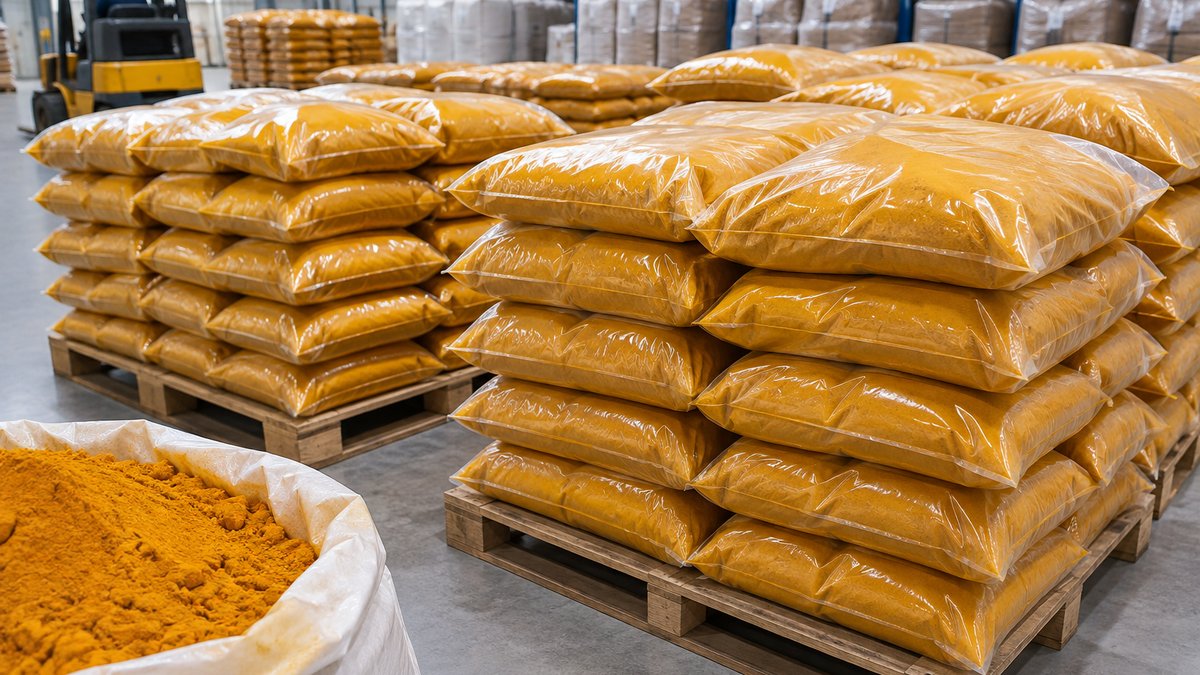
Powder also shifts the milling step to the supplier. Buyers should decide what evidence they require for the supplied lot, including the applicable test results and how the sample was taken. Agreeing on the test method and acceptance procedure before shipment helps both sides assess the same specification.
For either style, make the intended use and destination clear when requesting a quotation. The Codex standard refers to contaminants, pesticide residue and hygiene provisions, including relevant Codex texts. Importers must check which food-safety and labeling rules apply in their destination market and to their specific product. A benchmark for dried turmeric does not establish compliance with every country’s requirements.
Buying consideration: Before comparing offers, match the form, quality limits, test basis, packaging, quantity, destination and delivery terms. For powder, add particle size and its test method; for whole turmeric, identify the accepted style and any agreed defect or size criteria.
5. Related Turmeric Standards and Sourcing Resources
Codex CXS 359-2024 is the primary reference used here for dried or dehydrated turmeric styles and quality limits. It also identifies the Codex texts that apply to contaminants, pesticide residues and hygienic handling. Buyers should consult the relevant current destination rules and write any stricter contractual limits into their product specification.
The Centre for the Promotion of Imports from Developing Countries advises buyers and exporters to ask for the buyer’s specific product requirements and use product data sheets to record product characteristics. For turmeric, a useful sheet can identify the style, intended use, agreed test results, particle-size requirement when buying powder, packaging and lot details. The exact fields depend on the transaction and destination.
Buyers comparing turmeric specifications can review turmeric buying requests on Freshdi; businesses checking potential supply can review turmeric suppliers on Freshdi. Confirm each listing’s current details and assess the supplier’s documents, product specification and commercial terms before proceeding.
References
1. FAO and WHO Codex Alimentarius Commission – Standard for Dried or Dehydrated Roots, Rhizomes and Bulbs: Turmeric, CXS 359-2024, 2024.
2. Centre for the Promotion of Imports from Developing Countries – Entering the European Market for Curcuma longa (Turmeric), 2023.
Disclaimer: This article is compiled from platform data, public sources and information provided by third parties, for general informational purposes only. We do not guarantee its accuracy or completeness. Please conduct your own due diligence before making business decisions.