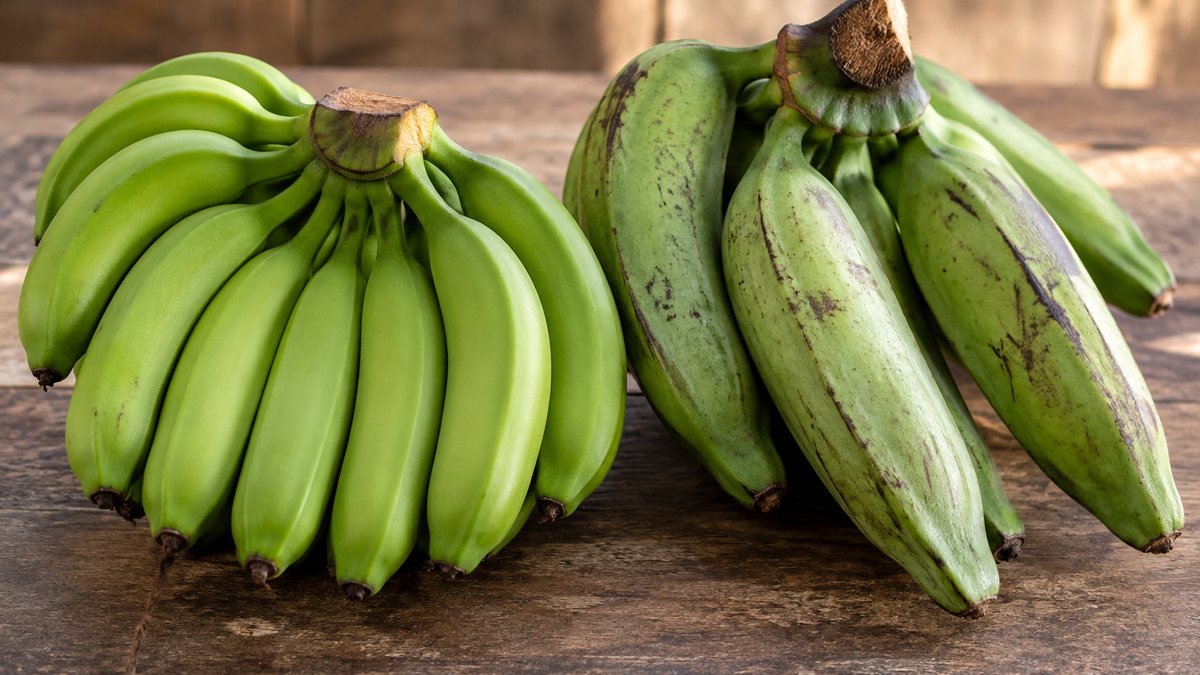

1. How Cavendish and Cardava Differ
Cavendish and Cardava serve different buying needs. Cavendish is the banana variety most traded internationally, commonly sold as a sweet dessert fruit. Cardava, also written Cardaba in some Philippine sources, is chiefly a cooking banana used for snacks and food processing. Buyers choosing between them should start with the intended use, then confirm the cultivar and the exact condition being sold.
The distinction does not make Cardava unsuitable for fresh export. In July 2026, the Philippine Department of Agriculture reported a commercial shipment of fresh saba, identified in that report as Cardava, to Auckland. That shipment shows a fresh-export use case; it does not establish the scale or regularity of Cardava trade across markets. Cavendish remains the more established international trade variety, according to the Food and Agriculture Organization.
The names also need care. Philippine references use Cardava, Cardaba and Saba in related ways, but those names should not automatically be treated as interchangeable cultivar specifications. A buyer should put the requested cultivar name in the purchase specification and ask for a cultivar reference or product photo if the supplier uses a different spelling or local name.
For importers, the practical choice is often between a familiar dessert banana supply chain and a more specialized cooking-banana offer. That choice affects the buyer’s target customer, maturity at delivery, ripening plan and the market’s familiarity with the product.
2. Cavendish and Cardava Compared
Cavendish fits buyers seeking a widely traded dessert banana with established mature-green shipping and ripening practices. Cardava fits buyers sourcing a cooking banana, including for fresh sale to customers who know how to prepare it. The comparison below covers typical use and sourcing considerations; it does not replace a supplier’s product specification.
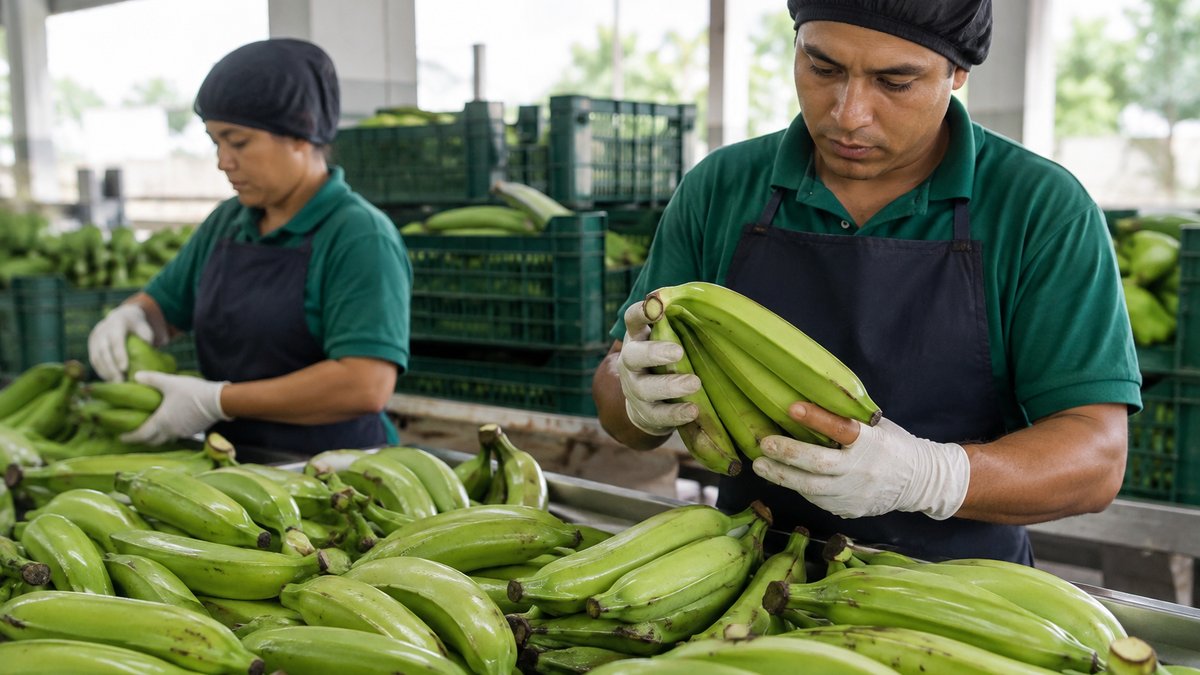
Cardava’s cooking role is tied to its product characteristics and customary use. A Philippine Department of Agriculture industry roadmap describes Cardava as high in starch and reports that fresh Cardava fruit is mostly sold in the local market, where buyers use it for home cooking or snacks. The roadmap also notes that some sub-varieties can be eaten fresh when fully ripe. The Philippine Journal of Science describes Cardaba as a cooking banana and reports its use in snack foods and banana-chip production.
Cavendish trade commonly depends on controlled maturity and ripening. The University of California, Davis Postharvest Research and Extension Center describes commercial Cavendish bananas as harvested mature-green and ripened after arrival. Its guidance lists 13 to 14°C for storage and transport, and 15 to 20°C for ripening. Those figures are Cavendish-specific guidance from the source, not a universal temperature specification for every banana cultivar or shipment.
Do not copy Cavendish handling settings into a Cardava contract without product-specific advice. The sources reviewed here do not establish a comparable universal transport and ripening schedule for Cardava. Importers should ask the exporter for handling instructions for the actual cultivar, maturity and shipment route, and confirm that the plan suits the destination market.
3. Example: Matching the Variety to the Buyer
Consider an importer supplying two customer groups: general fruit retailers and food businesses that buy bananas for cooking. The importer should treat those as separate requirements, even if both purchase fresh bananas. A variety that fits one group’s expected use may not fit the other’s.
Illustrative sourcing request:
Product: Fresh Cardava banana, with cultivar name confirmed
Use: Cooking and fresh sale to customers seeking a cooking banana
Specification: State the required maturity, size range, packing and acceptable defects
Delivery: State destination, quantity, delivery schedule and requested trade term
Handling: Request the supplier’s recommended temperature and post-arrival plan for this lot
This is an illustrative request format, not a universal Cardava specification or a confirmed buyer requirement.
For the importer’s general fruit retailers, a separate Cavendish inquiry should state the desired finger size, maturity on arrival, packing format and planned ripening window. The importer should also confirm whether the supplier can maintain the required conditions during shipment and whether the destination has the ripening facilities needed for the sales schedule.
These are sourcing scenarios, not claims that either customer group exists in a particular country or that a supplier can meet the request. A buyer should verify the product identity, maturity and market-access requirements with the exporter before agreeing a shipment.
Looking to Source Fresh Banana?
Connect with verified suppliers, discover matching products, and explore sourcing opportunities from global markets.
4. When to Choose Cavendish or Cardava
Choose Cavendish when the buyer needs a dessert banana for a sales channel built around ripe, sweet fruit and can manage mature-green arrival and controlled ripening. The variety’s established role in world trade gives buyers a familiar starting point for discussing grading, maturity, packing and ripening, but a familiar cultivar does not guarantee that a particular shipment meets the buyer’s specification.
- Use Cavendish for a fresh-fruit program when the target customer expects a dessert banana and the importer can plan ripening after arrival.
- Ask the supplier to define maturity, finger size, defect tolerances, carton or box format and the handling conditions used in transit.
- Agree how the buyer will assess ripeness and quality on arrival, including the inspection timing and any contract procedure for reporting defects.
Choose Cardava when the buyer’s customers or food business need a cooking banana, or when the sourcing plan is based on a product specifically identified as Cardava. Its familiar uses in Philippine cooking and processing can support a focused offer to customers who already understand the variety. A buyer entering a new market should first check whether customers know the product and how they intend to prepare it.
- Use Cardava for a cooking-banana requirement when the buyer can identify the intended dish, preparation or processing use.
- Confirm whether the offered fruit is Cardava, Cardaba or another locally named banana, rather than relying on a broad label such as cooking banana.
- Specify maturity, size, packing and delivery condition, and request handling guidance for the actual product and route.
- Check whether the destination’s plant-health and import rules allow the product from the stated origin. Requirements depend on the destination and shipment.
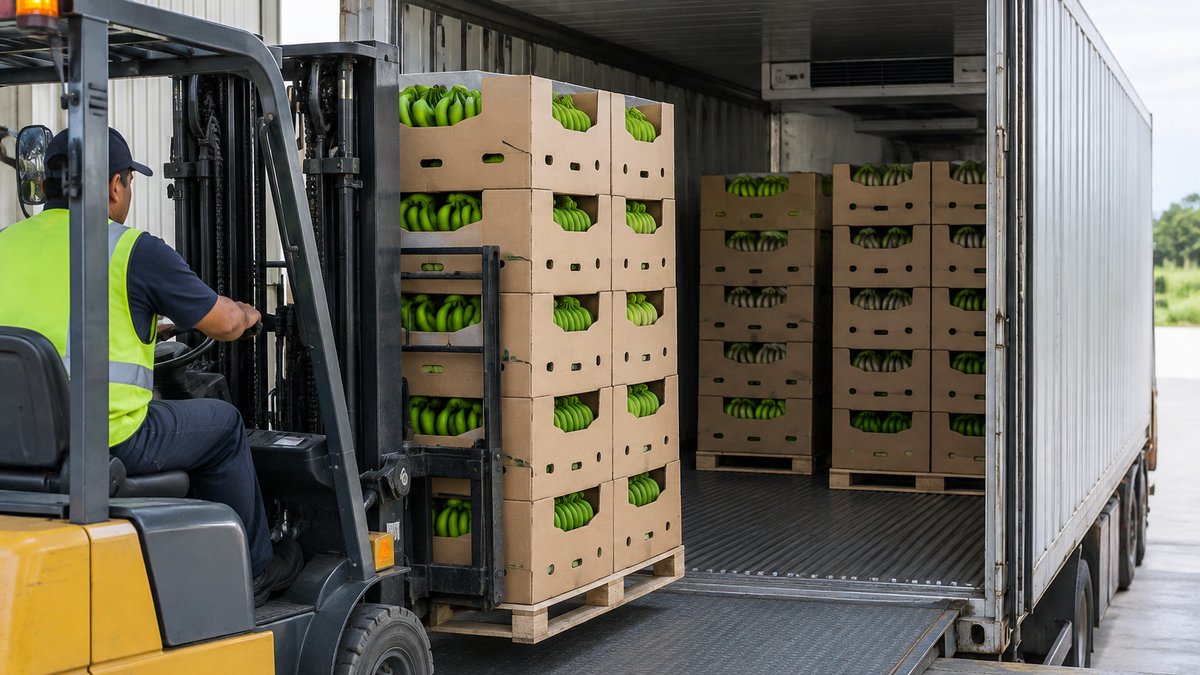
A fresh Cardava program may suit a buyer with a defined customer base and a supplier able to handle the product for the route. The Philippine Department of Agriculture’s July 2026 report documents a fresh Cardava shipment to New Zealand in a refrigerated container. It gives an example of commercial movement, but one shipment does not show that Cardava has the same buyer base, shipping routines or scale as Cavendish.
Neither name alone settles price, grade or quality. Before comparing offers, align the cultivar, maturity, size, packing, quality tolerances, delivery point and handling plan. If a supplier’s quotation omits one of those points, ask for it in writing so both offers refer to comparable products.
5. Resources for Fresh Banana Buyers
Use source material that matches the decision at hand. The FAO’s banana trade information helps explain Cavendish’s place in international trade. Philippine Department of Agriculture materials describe local Cardava uses and document the 2026 fresh shipment to New Zealand. The University of California, Davis postharvest guide provides handling information for Cavendish, while the Philippine Journal of Science article discusses Cardaba as a cooking banana.
For a specific transaction, the supplier’s current specification and the destination authority’s import and plant-health rules take precedence over general descriptions. Confirm the cultivar, origin, maturity, packing, shipping conditions and required documents before placing an order. Buyers comparing fresh banana requests or potential suppliers can review the Fresh Banana buying requests and Fresh Banana suppliers on Freshdi.
References
1. Food and Agriculture Organization of the United Nations – Bananas, Accessed November 2026.
2. Philippine Department of Agriculture – Philippine Banana Industry Roadmap 2019-2022, 2019.
3. Philippine Department of Agriculture – Philippine Saba Bananas Strengthen New Zealand Export Foothold, 17 July 2026.
4. University of California, Davis Postharvest Research and Extension Center – Banana (Cavendish), November 1996.
5. Philippine Journal of Science – Naturally Occurring Short-statured Saba Banana in the Philippines, October 2020.
Disclaimer: This article is compiled from platform data, public sources and information provided by third parties, for general informational purposes only. We do not guarantee its accuracy or completeness. Please conduct your own due diligence before making business decisions.