
1. Ceylon Cinnamon and Cassia Differ by Botanical Type and Typical Product Profile
Ceylon cinnamon comes from Cinnamomum verum, also called Cinnamomum zeylanicum. Cassia is a trade name commonly used for several related types, including Chinese, Indonesian, and Vietnamese cassia. The names describe different botanical identities, so buyers should not treat the terms as interchangeable in a contract.
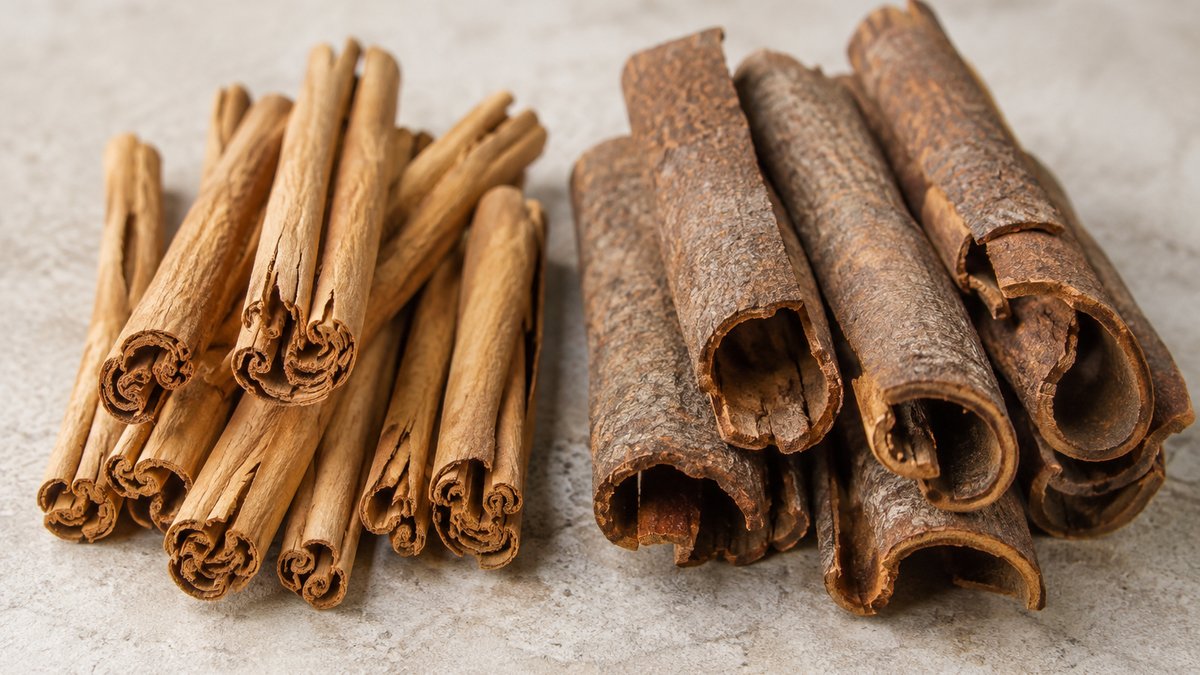
The two types also have familiar differences in bark form and flavor. Ceylon cinnamon quills are generally thin and made up of multiple papery layers; cassia quills are commonly thicker and harder. Ceylon is often described as milder and sweeter, while cassia tends to have a stronger, more pungent flavor. These are typical descriptions, not a substitute for a sample or an agreed sensory specification.
Use the botanical identity as the starting point for a comparison. The commercial name “cinnamon” alone may not reveal which species a supplier is offering. The International Organization for Standardization publishes separate specifications for Ceylon cinnamon and for Chinese, Indonesian, and Vietnamese cassia. That division gives buyers a practical reason to name the type in the purchase specification.
The distinction matters in both whole and ground product. Whole bark gives an experienced inspector visible clues, such as quill thickness and layering, although appearance alone does not establish identity. Ground cinnamon removes those clues. A ground lot sold as Ceylon therefore needs an identity and authenticity check suited to the buyer’s risk and contract.
Coumarin is another difference buyers may need to consider. The European Commission’s Joint Research Centre describes coumarin as naturally present in cassia and reports that Ceylon cinnamon generally has lower levels. Content varies by species and lot, so the type name does not provide a laboratory result. Buyers with a product or market limit should specify the applicable test and request lot-specific results.
For EU trade, distinguish a spice limit from a limit in a finished food. Regulation (EC) No 1334/2008 sets coumarin maximum levels for certain compound foods, including specified bakery products, breakfast cereals, and desserts. The European Commission’s 2025 account of EU rules notes that those provisions do not set a specific maximum for coumarin naturally present in cinnamon itself. Importers should check the rule for the finished product and intended use, not assume the same limit applies to every cinnamon shipment.
2. Ceylon Cinnamon vs Cassia: A Buyer’s Comparison
Ceylon cinnamon and cassia differ in species, common physical form, sensory profile, and the way buyers may need to verify identity. The comparison below describes typical trade distinctions. The contract and the agreed specification should control when a shipment’s characteristics differ from a general description.
The ISO references in the table cover different scopes. ISO 6539:2014 specifies whole or ground cinnamon of the Sri Lankan, Madagascan, and Seychelles types from Cinnamomum zeylanicum. ISO 6538:1997 covers Chinese, Indonesian, and Vietnamese cassia types. ISO lists the Ceylon standard as confirmed in 2025. When a contract cites a standard, state its number and edition and confirm that the product falls within its scope.
Neither standard reference, by itself, proves that a particular lot conforms. Buyers should state which measurable quality attributes and test methods they require, then agree how results will be assessed. The standards provide a common reference point; the commercial specification still needs to identify the product form, type, package, and acceptance criteria.
Type substitution is a documented procurement risk. In a 2025 study, the European Commission’s Joint Research Centre tested 104 cinnamon samples bought in several markets. Of the 44 samples labelled as Ceylon, 9% were found to be fully or partly substituted with cassia. That finding applies to the study’s selected samples, not to all cinnamon on the market. It does show why a Ceylon claim can merit verification, particularly for ground material or a shipment sold at a price that depends on its declared type.
A buyer comparing offers should keep type, form, grade basis, and test requirements aligned. A quotation for whole cassia quills cannot be compared directly with a quotation for ground Ceylon cinnamon as if the names represented only different flavor choices. The processing form, specification, identity evidence, and delivery terms all affect what the buyer is purchasing.
3. A Contract Scenario: Specifying Cinnamon for a Bakery Ingredient
A bakery ingredient buyer choosing between Ceylon cinnamon and cassia should first decide which botanical type the recipe and finished-product requirements call for. The buyer can then ask suppliers to quote the same form, quantity, quality criteria, and delivery basis. That makes it easier to identify whether a price difference reflects the type, processing, or other contract terms.
Illustrative cinnamon inquiry:
Product: Ground Ceylon cinnamon, Cinnamomum verum
Form: Ground, with particle size to be agreed
Quantity: State the required quantity and unit
Quality basis: Cite the applicable standard and agreed contract criteria
Testing: State required identity and coumarin tests, if applicable
Packaging and delivery: Specify package, destination, delivery term, and shipment window
This is an illustrative inquiry format, not a universal cinnamon specification.
The example names the species as well as the commercial type. That matters because a supplier may use “Ceylon” as a product description while the buyer needs botanical identity verified. For a ground lot, the buyer can agree with the supplier on suitable identity testing and on who will collect and test the sample. The purchase contract should also say how the parties handle a result that does not meet the agreed criteria.
If the intended finished food is sold in the EU, the buyer should check the coumarin provision for that food category and recipe. The EU levels apply to listed compound foods as consumed, not as a general maximum for every shipment of cinnamon. A food manufacturer may therefore need both a spice specification for incoming material and a finished-product compliance check.
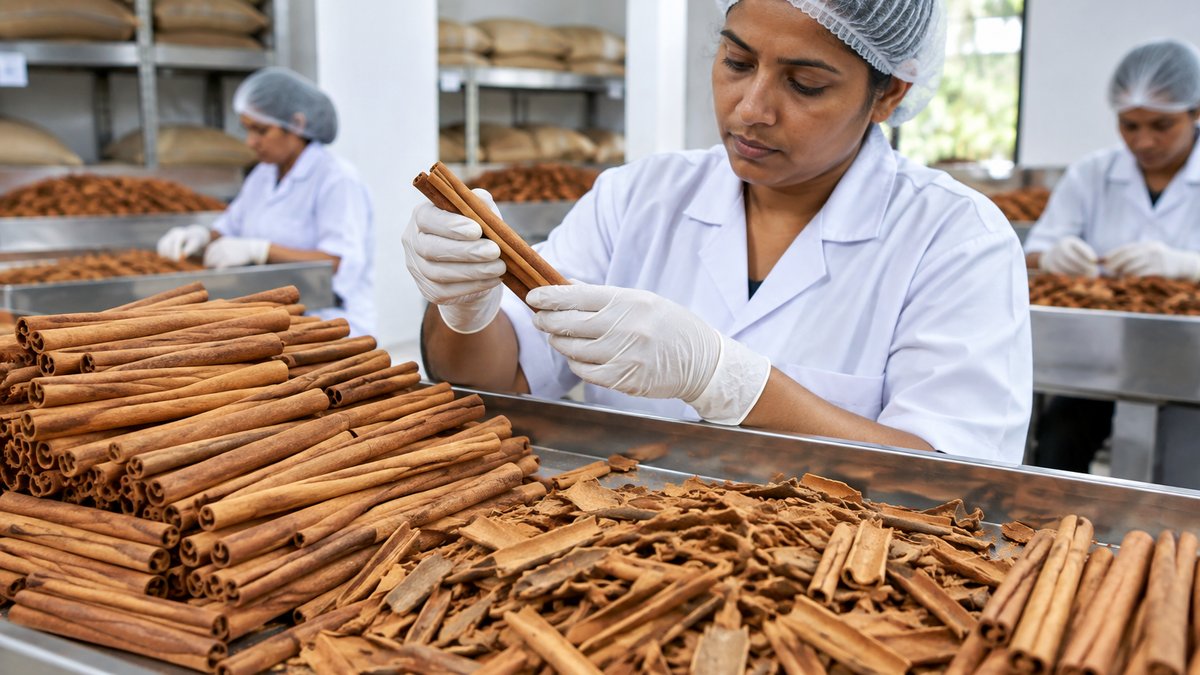
For a whole-bark purchase, the inquiry should state whether the buyer wants quills, broken pieces, or another cut form. The buyer can also request representative samples and agree on the sensory and physical attributes used for acceptance. A general reference to “Ceylon sticks” or “cassia powder” leaves room for different interpretations of size, condition, and quality.
Looking to Source Cinnamon?
Connect with verified suppliers, discover matching products, and explore sourcing opportunities from global markets.
4. Choose Ceylon Cinnamon or Cassia by Specification and Intended Use
Choose Ceylon cinnamon when the product specification requires Cinnamomum verum or the intended flavor profile calls for its typically milder character. Choose cassia when the requirement names a cassia type and the product is intended to deliver its typically stronger flavor. For either type, the name alone does not define a complete commercial specification.
A food manufacturer should begin with the recipe, finished-product standard, and target market. If the formulation names Ceylon, the contract should state Cinnamomum verum and describe the required form. If the buyer is open to cassia, identify Chinese, Indonesian, or Vietnamese type where that distinction affects the recipe or sourcing requirement. Ask for a sample when the expected aroma, heat, or bark form is important to production.
A buyer focused on coumarin should set a limit only after identifying the relevant regulation or product requirement. The buyer can specify the test method, sampling plan, and evidence required from the supplier. A species name can guide sourcing, but it does not establish the measured coumarin level in an individual consignment.
Importers should also check the rules in the destination country for food safety, contaminants, residues, labelling, and any applicable compositional requirements. The EU’s 2025 review of cinnamon found quality and compliance issues among the samples it examined, including suspected substitution. The study is a reason to build proportionate identity and quality checks into procurement; it is not a finding that every shipment or supplier is non-compliant.
Before accepting an offer, compare like with like: botanical type, origin, whole or ground form, agreed quality criteria, test evidence, packaging, quantity, delivery term, and shipment timing. State whether the named ISO specification is being used as a reference and add any contract requirements it does not settle. Buyers seeking potential cinnamon suppliers can review Freshdi’s cinnamon supplier listings, then assess each offer against their own product specification.
References
1. International Organization for Standardization – ISO 6539:2014, Cinnamon (Cinnamomum zeylanicum Blume) — Specification, 2014, reviewed and confirmed 2025.
2. International Organization for Standardization – ISO 6538:1997, Cassia, Chinese type, Indonesian type and Vietnamese type — Specification, 1997.
3. European Commission Joint Research Centre – Detection of fraudulent practices in commercially available cinnamon, 2025.
4. European Commission Joint Research Centre – Commission finds fraud and potential safety issues in cinnamon on the EU market, 2025.
5. European Parliament and Council of the European Union – Regulation (EC) No 1334/2008 on flavourings and certain food ingredients with flavouring properties for use in and on foods, 2008.
Disclaimer: This article is compiled from platform data, public sources and information provided by third parties, for general informational purposes only. We do not guarantee its accuracy or completeness. It is not legal, customs, tax or compliance advice. Regulations, tariffs and requirements differ by country and change frequently, so please consult a qualified professional (such as a customs broker, freight forwarder or lawyer) and confirm product specifications with the supplier before acting.