
1. Pangasius vs Basa: The Main Difference Is Species
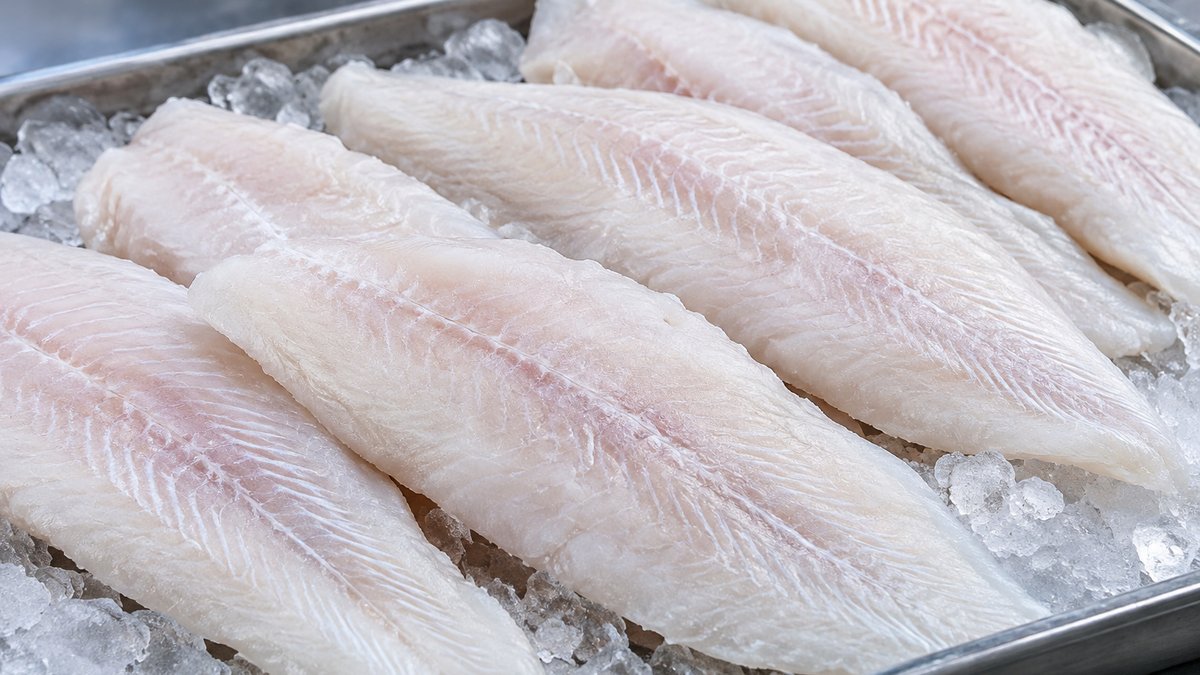
Frozen pangasius fillet is a broad trade description that buyers should verify against the fish’s scientific name. Basa has a more specific meaning in the U.S. Food and Drug Administration’s Seafood List: it is the acceptable market name for Pangasius bocourti. The list identifies Pangasianodon hypophthalmus separately, with acceptable market names including swai, sutchi, striped pangasius and tra.
The distinction matters because a commercial name can vary between markets and sellers. In Vietnam, the national technical regulation for frozen tra fillets covers fish identified as Pangasius hypophthalmus or Pangasianodon hypophthalmus. The FDA’s current Seafood List, updated in August 2026, lists that fish separately from Pangasius bocourti, or basa. Buyers comparing offers should therefore check the Latin species name, not infer species from “pangasius” or “basa” alone.
The terms also do not describe fillet trim, skin, size, freezing format or glazing. Those are separate product details. Two offers using the same market name can still describe different fillet specifications, so contracts and purchase orders should state the species and the required product form.
This comparison uses the FDA Seafood List for U.S. acceptable market names and describes the Vietnamese regulation only within its stated scope. Naming rules depend on the destination market; a U.S. naming reference does not determine the label required in another country.
2. How Pangasius and Basa Fillets Compare
The most useful point of comparison is the species named in the offer. The FDA distinguishes Pangasianodon hypophthalmus from Pangasius bocourti, while Vietnam’s frozen-tra standard defines a fillet product by reference to the former species under its current or earlier scientific name.
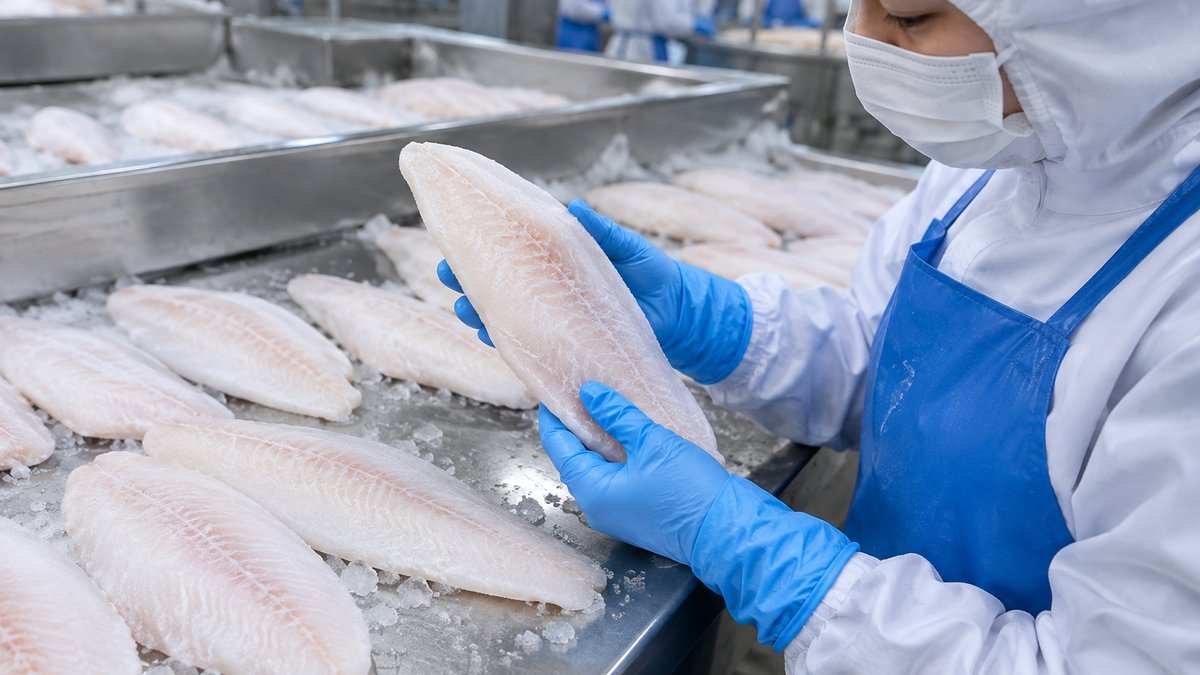
This is a naming comparison, not a quality or price ranking. Neither name guarantees a particular color, texture, yield or price. Buyers should compare lots using the same species, processing details, net weight basis, packaging and delivery terms.
The FDA Seafood List supports the U.S. market-name entries above. Vietnam’s QCVN 02-27:2017/BNNPTNT applies to frozen tra fillets in Vietnam and specifies that the fillet may be skin-on or skinless and trimmed or untrimmed. It describes freezing as complete when the product reaches a core temperature of −18°C or colder. That technical requirement belongs to the Vietnamese standard’s scope; it should not be presented as a universal rule for every destination.
3. A Contract Scenario: When the Name Does Not Settle the Species
Suppose an importer receives two quotations: one for “frozen pangasius fillet” and another for “frozen basa fillet.” The names alone do not show whether both offers cover the same fish. The importer should ask each seller to identify the scientific species before comparing price or approving a sample.
If the first seller confirms Pangasianodon hypophthalmus and the second confirms Pangasius bocourti, the offers concern different species. The buyer can then decide whether either species meets the intended product specification. The buyer should not treat the names as interchangeable just because both products are freshwater catfish fillets.
The importer should also check the destination’s naming rules. For U.S. interstate commerce, the FDA Seafood List identifies acceptable market names by species. For fishery and aquaculture products covered by Regulation (EU) No 1379/2013 and marketed to final consumers or mass caterers in the EU, Article 35 requires the commercial designation and scientific name; Article 37 provides for Member State lists of accepted commercial designations. The applicable label name can therefore depend on the sales destination and product context.
Once the species is settled, the buyer can compare the physical specification. For example, Vietnam’s frozen-tra regulation covers fillets that may be skin-on or skinless, and trimmed or untrimmed. The buyer should still state the exact choice in the contract, along with piece-weight range, glazing basis, packaging and net weight.
Illustrative inquiry format:
Product: Frozen fillet of Pangasianodon hypophthalmus
Destination-market name: Confirm the accepted name and label requirements for the destination
Fillet form: State skin-on or skinless, and trimmed or untrimmed
Other specifications: State piece-weight range, freezing format, glaze, packaging and net weight basis
Commercial terms: State quantity, delivery term, destination and required documents
This is an illustrative inquiry format. Product and labeling requirements depend on the destination and the buyer’s actual needs.
Looking to Source Frozen Pangasius Fillet?
Connect with verified suppliers, discover matching products, and explore sourcing opportunities from global markets.
4. When Should Buyers Choose Each Term?
Use “frozen pangasius fillet” when the offer or sourcing request concerns that product category but the species still needs to be confirmed. Before placing an order, replace the broad wording with the scientific name and the destination-appropriate commercial designation. If the intended fish is Pangasianodon hypophthalmus, name it explicitly and confirm the market name accepted where the product will be sold.
Use “frozen basa fillet” when the intended species is Pangasius bocourti and the destination’s naming rules permit that commercial designation. In U.S. interstate commerce, the FDA lists basa for that species. If the supplier uses “basa” as a general trade label, request the scientific name and supporting product documentation before treating the quotation as a basa offer.
For either product, a complete specification separates identity from processing. State the species first, then describe the fillet: skin status, trim, piece-weight range, freezing format, glazing and packaging. Include the required net weight basis and the acceptance criteria agreed with the supplier. These details let both parties identify the product being priced and inspected.
Exporters should use the scientific name consistently across the quotation, specification sheet, contract and documents where applicable. They should check that the commercial designation follows the destination’s rules, rather than assuming the name used in the country of production will be accepted at import. Importers should resolve any mismatch before shipment documents and retail labels are prepared.
Buying consideration: Before approving a quotation, match the scientific name, destination-market designation and fillet specification across the offer, contract and product documents. If any item is missing, ask the supplier to confirm it in writing.
5. Related Resources for Frozen Pangasius Fillet Buyers
For this comparison, the FDA Seafood List is the reference for acceptable U.S. market names, while Vietnam’s QCVN 02-27:2017/BNNPTNT defines the scope of its frozen-tra fillet standard. The European Commission’s fish-substitution guidance explains that EU species information includes commercial and scientific names, and Regulation (EU) No 1379/2013 sets consumer-information provisions for covered fishery and aquaculture products. Check the current rules for the destination and product before using a name on a commercial label.
Checked 13 November 2026. Buyers can use Freshdi to review frozen pangasius fillet buying requests and potential frozen pangasius fillet suppliers. Confirm species, specifications and commercial terms directly against each transaction’s requirements.
A market name helps identify a product for a particular destination. A species name and a written fillet specification make the contract precise.

References
1. U.S. Food and Drug Administration – The Seafood List: Pangasianodon hypophthalmus and Pangasius bocourti, Updated August 2026; checked 13 November 2026.
2. Ministry of Justice of Vietnam, National Legal Database – QCVN 02-27:2017/BNNPTNT, National Technical Regulation: Fishery Product - Frozen Tra Fish Fillets, 2017.
3. European Parliament and Council of the European Union – Regulation (EU) No 1379/2013 on the Common Organisation of the Markets in Fishery and Aquaculture Products, 2013; consolidated version 27 November 2024.
4. European Commission – Fish Substitution: Questions and Answers, Checked 13 November 2026.
Disclaimer: This article is compiled from platform data, public sources and information provided by third parties, for general informational purposes only. We do not guarantee its accuracy or completeness. It is not legal, customs, tax or compliance advice. Regulations, tariffs and requirements differ by country and change frequently, so please consult a qualified professional (such as a customs broker, freight forwarder or lawyer) and confirm product specifications with the supplier before acting.