
1. Frozen Vannamei Shrimp and Black Tiger Shrimp Have Different Species Names
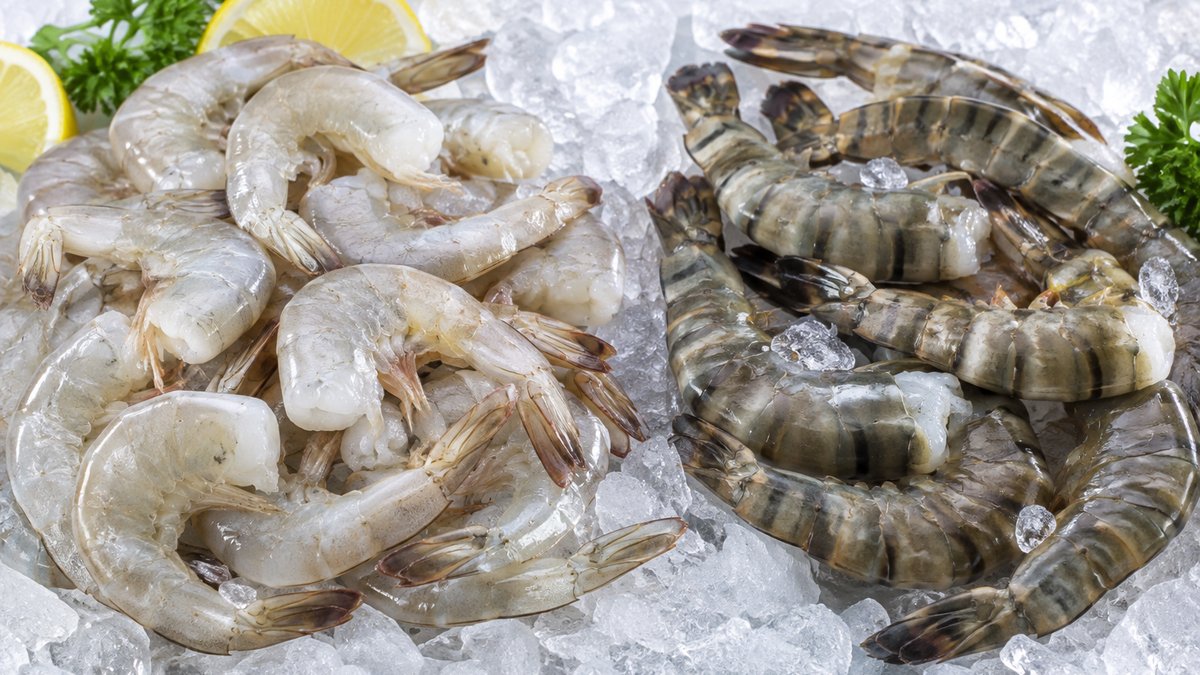
Frozen Vannamei shrimp comes from the whiteleg shrimp, Litopenaeus vannamei. Black tiger shrimp is the common trade name for the giant tiger prawn, Penaeus monodon. The names identify two different species in the penaeid shrimp family; freezing alone does not determine which species is in a pack.
The Food and Agriculture Organization (FAO) identifies L. vannamei as whiteleg shrimp and P. monodon as giant tiger prawn. In a commercial listing, “Vannamei” and “black tiger” are useful starting points, but buyers should ask suppliers to state the scientific name on the product specification and confirm that the packaging and shipping documents use a consistent product description.
The main buying difference is species identity. The species name does not, by itself, establish the shrimp’s size, grade, freshness before freezing, processing style, yield, food-safety status or suitability for a particular recipe. Those details belong in the product specification.
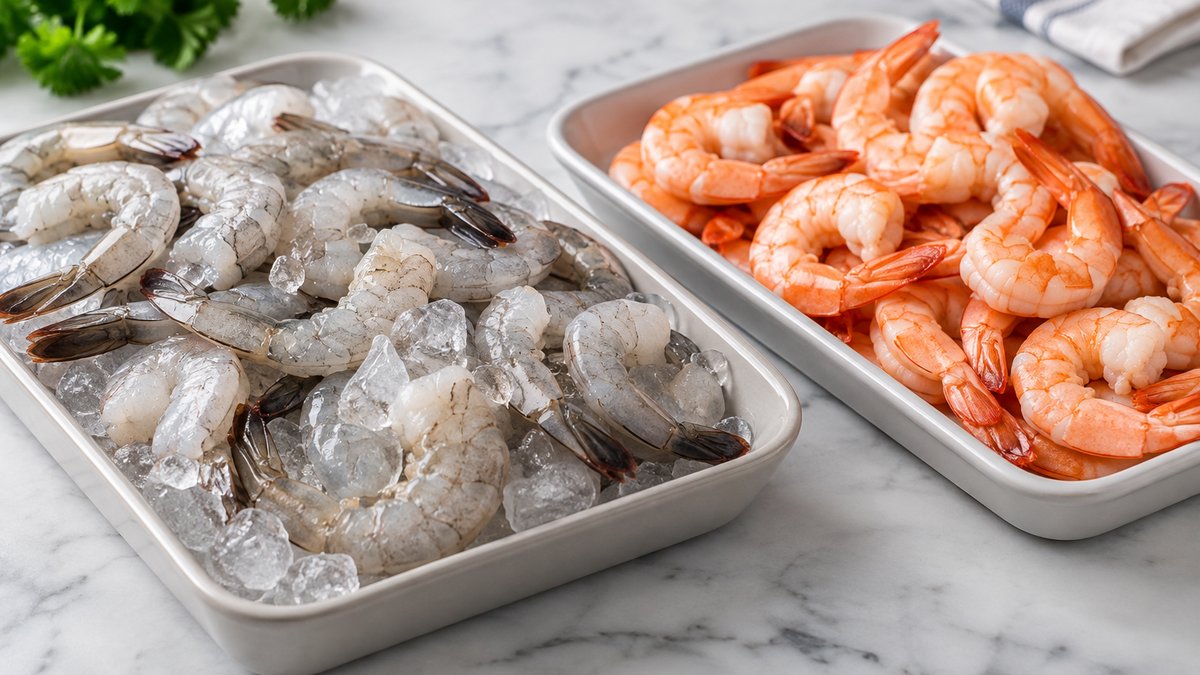
The two species can be sold in overlapping frozen presentations, such as head-on shell-on, headless shell-on, peeled or cooked products. FAO’s profiles describe frozen head-on, head-off and peeled black tiger products, while the Codex quick-frozen shrimp standard covers raw or cooked shrimp, peeled or unpeeled. Confirm the actual presentation rather than assuming it from the species name.
Species descriptions also should not be treated as a size grade. FAO’s species profiles report biological maximum sizes, but those maxima are not commercial size specifications. A buyer comparing a 16/20 count product with a smaller count band needs to check the count basis, unit and tolerance stated in each offer.
The commercial comparison therefore starts with two separate questions: which species is required, and what form and specification will meet the end use? A quotation for one species cannot be compared fairly with another until the other material terms match.
2. Compare Species, Processing and the Frozen Product Specification
A meaningful comparison separates species from the attributes buyers can specify for either one. The table summarizes the distinction and the details to confirm with suppliers.

The Codex Alimentarius Commission’s Standard for Quick-Frozen Shrimps or Prawns, CXS 92-1981, covers quick-frozen raw or cooked, peeled or unpeeled shrimp. Its 2024 version includes requirements for product description and freezing, among other provisions. It provides a general standard for covered products; buyers still need to check destination-country rules and the contract specification.
For size, write the unit and count basis into the inquiry. A count expressed per pound is not directly comparable with a count per kilogram. Ask whether the count applies to the whole shrimp or a processed form, and request the permitted size range or grading tolerance.
Processing changes the quantity of shell, head and other parts remaining in the shipped product. A peeled product and a headless shell-on product can therefore differ in usable yield even if both carry the same species name and count label. If cost per serving or processing yield drives the purchase, compare the same presentation and ask how net weight and any glaze are stated.
Price is also a quotation-specific matter. The species name alone does not establish which product will cost more. Compare offers with matching species, size basis, raw or cooked condition, processing, freezing method, glazing, pack weight, delivery term and destination. If any of those differ, record the difference before drawing a price comparison.
Appearance can help with a visual inspection when the shrimp is shell-on, but processing, cooking and freezing affect what the buyer sees. Use the declared species and traceability documents to confirm identity, then inspect the physical sample against the agreed specification.
3. A Buyer Comparing Two Frozen Shrimp Offers Should Match the Specifications
Consider a food-service buyer seeking peeled, raw shrimp for portioned dishes. One supplier quotes Vannamei and another quotes black tiger. The buyer cannot choose on species name or headline price alone: the count unit, pack weight, processing and delivery basis must also be clear.
The buyer first defines the required use and writes one specification for both suppliers. That specification names the species as a preference or requirement, states the count range and basis, describes peeled or shell-on presentation and tail status, and identifies whether the product must be raw or cooked.
Next, the buyer requests the same freezing and packaging details from each supplier. The comparison should include the freezing method, glaze status and percentage if applicable, net weight basis, inner and master-carton pack, and storage temperature. Each supplier should also state the available certificates and export documents relevant to the destination market.
The buyer then compares the offers using the intended cost basis. For a kitchen, that may mean checking product cost against usable portions after preparation, rather than comparing only the carton price. Any yield assumption should be tested against a sample or documented trial, not inferred from the species name.
Illustrative inquiry format:
Product: Frozen raw shrimp; specify Vannamei or black tiger
Presentation: Peeled; state tail-on or tail-off
Size: State count range and whether per kilogram or per pound
Freezing and glazing: State required method and glaze details
Packaging: State net weight per pack and carton
Commercial terms: State quantity, destination, delivery term and shipment schedule
This is an illustrative inquiry format, not a universal specification. Adjust it to the product, destination rules and buyer’s actual use.
If the quotations still differ, list the unresolved points rather than treating the offers as equivalent. A smaller count, different tail presentation or different net weight basis can change the comparison. Ask each supplier to confirm those points in writing before evaluating the final offer.
Looking to Source Frozen Vannamei Shrimp?
Connect with verified suppliers, discover matching products, and explore sourcing opportunities from global markets.
4. Choose Vannamei or Black Tiger by the Buyer’s Product Requirements
Choose the species that fits the buyer’s required product, menu or customer specification, then assess available sizes and processing forms. A buyer with an approved or established specification should keep that species requirement explicit. A buyer open to either species should compare samples and offers on equal terms.
- Keep the established species when a customer, recipe, label or purchasing standard names Vannamei or black tiger shrimp.
- Consider both species when the specification permits alternatives. Request the same size basis, processing form, raw or cooked condition and packaging from each supplier.
- For a whole-shrimp presentation, specify head-on or headless and shell-on. For a product intended to reduce kitchen preparation, specify peeled status, tail presentation and whether it must be deveined.
- When size consistency matters, state the count range, unit and tolerance. Ask the supplier to identify the grading method and the count basis on the quotation and packing specification.
- When yield affects cost, compare the same processed form and net weight basis. Review sample results or other evidence before relying on a yield estimate.
- For imports, confirm destination-market food-safety, labeling and documentation requirements for the exact product and processing method with the relevant official authority.
The buyer’s end use should guide the comparison. A whole shrimp displayed on a plate and a peeled ingredient used in a prepared dish place different demands on presentation and kitchen labor. The required species may be fixed by the buyer’s customer or product label; where it is not, a sample comparison can test whether either option meets the intended standard.
Use the same evaluation sheet for every supplier. Record scientific name, count range and unit, processing, raw or cooked condition, freezing method, glazing, net weight, packaging, documents, delivery term and quotation validity. Mark missing answers as unconfirmed and request clarification before placing an order.
Buying consideration: Before approval, make the product description on the quotation, specification sheet, label and contract consistent. Confirm the scientific name, size basis and presentation in writing, then check that the delivered lot matches the agreed documents and sample.
5. Use the Codex Standard and Freshdi Category Pages for Further Sourcing
For product handling and description, consult the Codex Alimentarius Commission’s Standard for Quick-Frozen Shrimps or Prawns, CXS 92-1981, in its current version. The standard addresses quick-frozen shrimp products; it does not replace destination-country requirements or a buyer’s product specification.
FAO’s cultured aquatic species profiles provide species-specific background on whiteleg shrimp and giant tiger prawn. Use those profiles to check species identity and general species information, not to infer the size, grade or current availability of a particular frozen lot.
Buyers can review Frozen Vannamei Shrimp buying requests on Freshdi and potential Frozen Vannamei Shrimp suppliers on Freshdi. Check each listing against the required species, product form and commercial terms, and verify the details before committing to a transaction.

References
1. Food and Agriculture Organization of the United Nations – Penaeus vannamei. Cultured Aquatic Species Information Programme, 2009.
2. Food and Agriculture Organization of the United Nations – Penaeus monodon. Cultured Aquatic Species Information Programme, 2009.
3. Codex Alimentarius Commission – Standard for Quick-Frozen Shrimps or Prawns, CXS 92-1981, 2024.
Disclaimer: This article is compiled from platform data, public sources and information provided by third parties, for general informational purposes only. We do not guarantee its accuracy or completeness. Please conduct your own due diligence before making business decisions.