
1. Frozen whole chicken and leg quarters supply different cuts
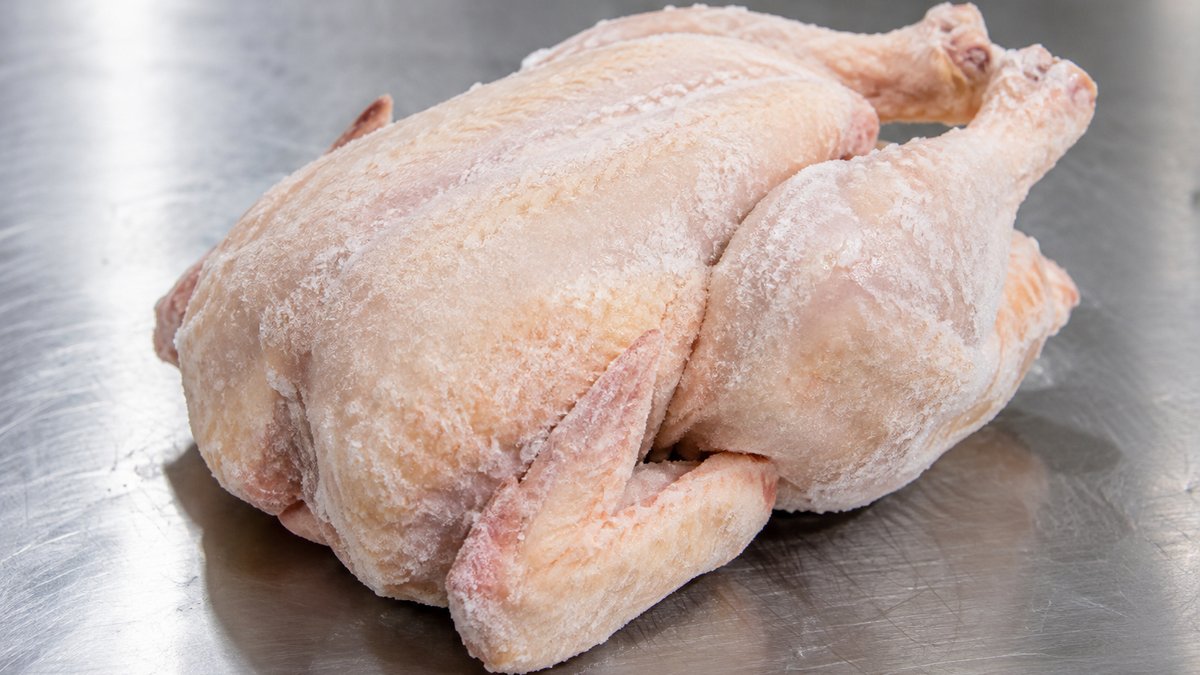
Frozen whole chicken is a complete dressed carcass, while a chicken leg quarter is a cut containing the thigh and drumstick, commonly with part of the back attached. The whole bird gives a buyer several cuts in one unit; leg quarters concentrate the purchase on dark meat. Importers should compare the exact cut and packing specification before comparing quotations.
USDA Agricultural Marketing Service (AMS) trade descriptions define a leg quarter as an intact portion that includes the drumstick, thigh, and adjoining back portion. AMS poultry standards also describe a leg quarter as a thigh and drumstick with part of the back attached. These are U.S. trade definitions. Buyers sourcing from other origins should put the cut definition in the contract rather than assume every exporter uses identical trimming.
1.1 What the whole-bird description needs to say
“Whole chicken” identifies an uncut bird, but it does not settle every commercial detail. State whether the carcass is eviscerated, whether the neck and giblets are included, and whether the head and feet are removed. Specify the bird class or size range, skin-on or skinless presentation, and any grade or defect limits that apply.
Those details affect the quantity of each portion a buyer can sell or use. A foodservice buyer that needs breast meat still has to cut a whole bird and manage the wings, back, thighs, and drumsticks. A buyer of leg quarters receives the specified leg cut, with bone and potentially a back portion, and does not need to plan sales for the other parts of the carcass.
1.2 Usable portions and yield
Neither product has a universal usable-yield advantage. Yield depends on bird size, trimming, the definition of the cut, bone content, and how the buyer intends to portion or cook it. A whole bird can be portioned into multiple cuts, but portioning adds labor and generates parts the buyer must use or sell. Leg quarters reduce that cutting work when the operation already has demand for thighs and drumsticks.
Both products are generally bone-in unless the specification says otherwise. For an accurate cost comparison, use the same currency, delivery basis, frozen condition, quality grade, net-weight basis, and order volume. Then calculate cost against the portions the buyer can actually sell or use. Comparing the price per kilogram alone can mislead when one quotation includes a whole carcass and the other covers only leg quarters.
2. Compare product, packing, certification and delivery specifications
The cut is only one part of a frozen chicken quotation. Buyers should compare the product definition, weight basis, pack format, required halal documentation, and temperature controls on the same terms. U.S. AMS federal purchase specifications illustrate how detailed a commercial description can be; their packing terms apply to those purchases and are not a universal export standard.
2.1 Packing and case weight
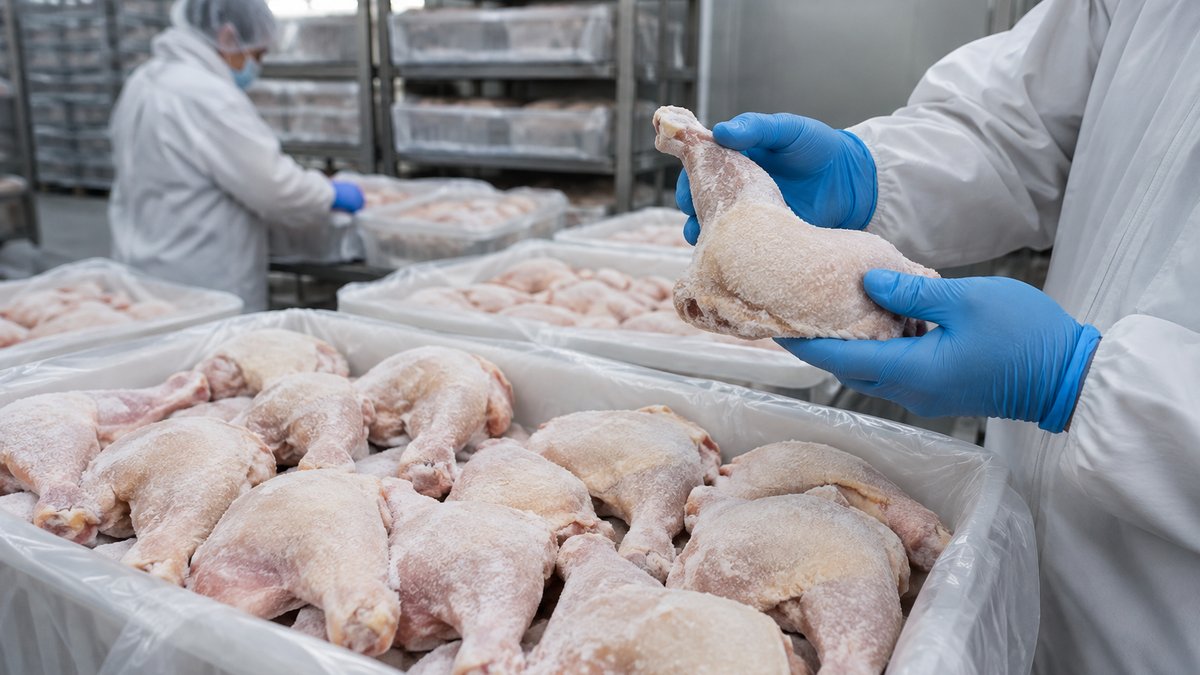
Packing can change handling costs and the quantity a buyer can receive in each case. In its March 2024 Federal Purchase Program Specification for frozen chicken parts, USDA AMS lists leg-quarter formats with eight 5-pound inner packs or four 10-pound inner packs in a 40-pound shipping container. That is a U.S. government purchase specification, not a general requirement for international shipments.
For either product, request the net weight per inner pack and outer case, the number of units per case, the packaging material, and whether the stated weight is net or gross. Also agree on carton markings, production and expiry dates, lot identification, language, and destination-market label requirements. A case count alone does not tell the importer how much product is in each saleable unit.
2.2 Halal certification
A halal claim needs documentation that the buyer and destination market will accept. The Codex General Guidelines for Use of the Term “Halal” state that importing-country authorities interpret the guidelines and may set specific requirements. They also address preparation, processing, transport, and storage, so a slaughter claim alone may not answer every handling question.
Before contracting, confirm the required certifying body, certificate validity, facility and product scope, slaughter method, and any destination-specific recognition or registration rules. Check that the certificate covers the establishment and product being shipped. The whole-bird and leg-quarter descriptions do not themselves establish halal status.
2.3 Cold-chain handling
Whole chicken and leg quarters both need an agreed frozen-temperature chain from processing through delivery. USDA Food Safety and Inspection Service guidance recommends keeping a freezer at 0°F (-17.8°C) for frozen-food quality. That is consumer freezer guidance, not a substitute for checking the importing country’s rules or writing transport and storage conditions into a commercial contract.
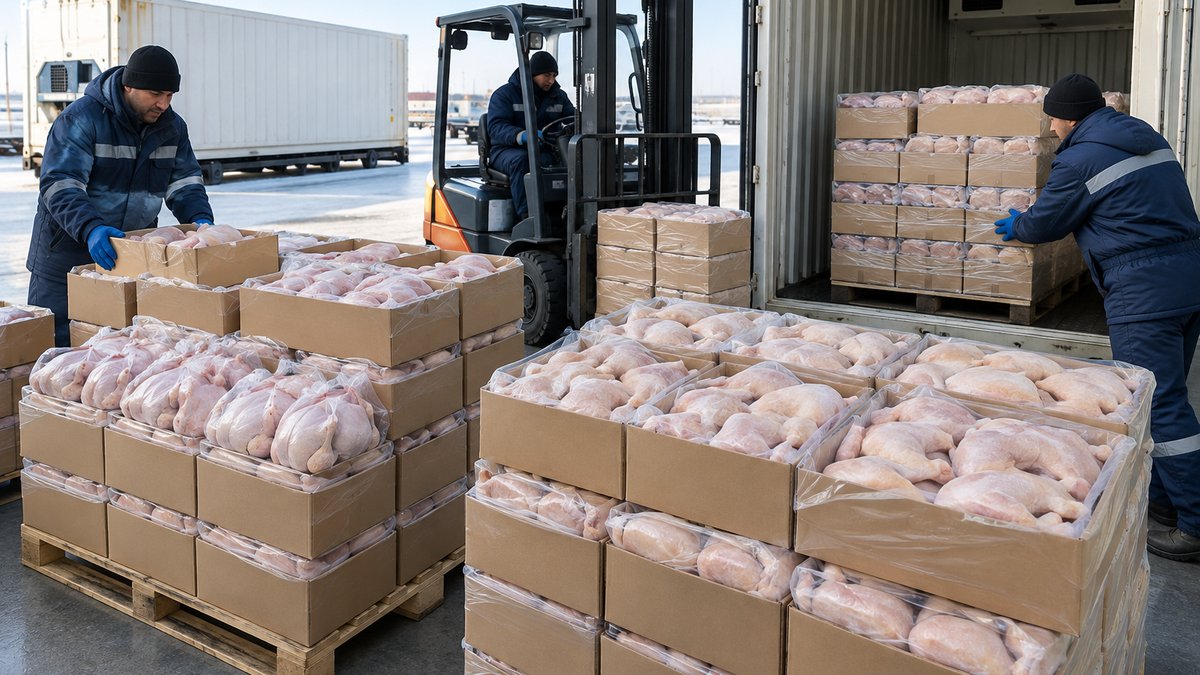
Set the required product condition and temperature limits with the supplier and logistics provider. Agree how they will record temperatures, what evidence will be provided at handover, and how excursions or damaged packaging will be handled. Check that the container is suitable for frozen cargo and that the consignee can receive and store the shipment without a break in the agreed chain.
3. A restaurant importer should match the cut to its menu and sales plan
Consider a restaurant group importing frozen chicken for several menu items. If its kitchens portion birds on site and can sell or use the breast, wings, and other cuts, whole chicken may fit its operating plan. If the menu centers on grilled or braised thighs and drumsticks, leg quarters may reduce cutting work and avoid purchasing unwanted cuts.
The importer should first estimate the demand for each portion, then compare the labor and storage required for each format. For whole birds, the calculation should account for the cuts produced and the buyer’s ability to sell or use each one. For leg quarters, the buyer should confirm how much back portion is attached and whether that cut suits the recipe and portion size.
Suppose a supplier quotes both products on a CIF basis. CIF means the seller pays the cost, insurance, and freight to the named destination port, while risk transfers under the applicable Incoterms rules when the goods are loaded on board. The buyer should still check that both offers use the same destination port, net-weight basis, pack size, shipment timing, and comparable quality terms before reading one price as lower.
A useful comparison also checks whether the whole-bird offer includes necks or giblets and whether the leg-quarter offer includes back meat. If one supplier quotes individual bags and another quotes bulk packs, include repacking or handling costs where relevant. Ask for the product specification, pack photographs or samples, halal documents, and temperature records before approving the shipment.
Looking to Source Frozen Chicken?
Connect with verified suppliers, discover matching products, and explore sourcing opportunities from global markets.
4. Choose whole chicken for mixed portions and leg quarters for focused demand
Choose frozen whole chicken when the buyer needs an intact bird, has equipment and labor for portioning, and can use or sell the resulting cuts. It may suit distributors serving customers with varied chicken needs, processors that cut carcasses, or foodservice operations that prepare whole birds.
Choose chicken leg quarters when the buyer’s sales plan centers on thighs and drumsticks and the specified cut matches the intended use. The format can simplify preparation for buyers who do not need to purchase breast and wing portions as part of a whole carcass. Confirm the attached back portion because it changes the cut and the usable meat calculation.
4.1 Information to include in a quotation request
- Name the product as frozen whole chicken or frozen leg quarters, then describe the cut and any included parts.
- State the bird class, size or weight range, skin condition, bone status, grade, and acceptable defects.
- Specify inner-pack weight, units per case, case net weight, packaging, labels, and required language.
- Set the halal certification and destination-market documentation requirements before production.
- State quantity, destination port, delivery term, shipment window, and any inspection or temperature-record requirements.
- Request a quotation on a consistent net-weight and delivery basis so offers can be compared.
The USDA AMS poultry trade descriptions provide a voluntary U.S. framework for communicating wholesale product and packaging requirements. Buyers can use a similarly explicit specification with suppliers from any origin, while checking the importing market’s own food, labeling, and halal rules. Freshdi’s frozen-chicken buying requests and supplier listings can help importers review relevant sourcing opportunities; verify each product specification and commercial term before proceeding.
View frozen chicken suppliers on Freshdi
References
1. USDA Agricultural Marketing Service – United States Classes, Standards, and Grades for Poultry, 2018.
2. USDA Agricultural Marketing Service – Federal Purchase Program Specification for Chicken Parts, Frozen, 2024.
3. USDA Agricultural Marketing Service – Poultry Trade Descriptions, Accessed November 16, 2026.
4. Codex Alimentarius Commission – General Guidelines for Use of the Term “Halal” (CAC/GL 24-1997), 1997.
5. USDA Food Safety and Inspection Service – What Is the Right Temperature for the Freezer?, February 4, 2025.
Disclaimer: This article is compiled from platform data, public sources and information provided by third parties, for general informational purposes only. We do not guarantee its accuracy or completeness. Please conduct your own due diligence before making business decisions.