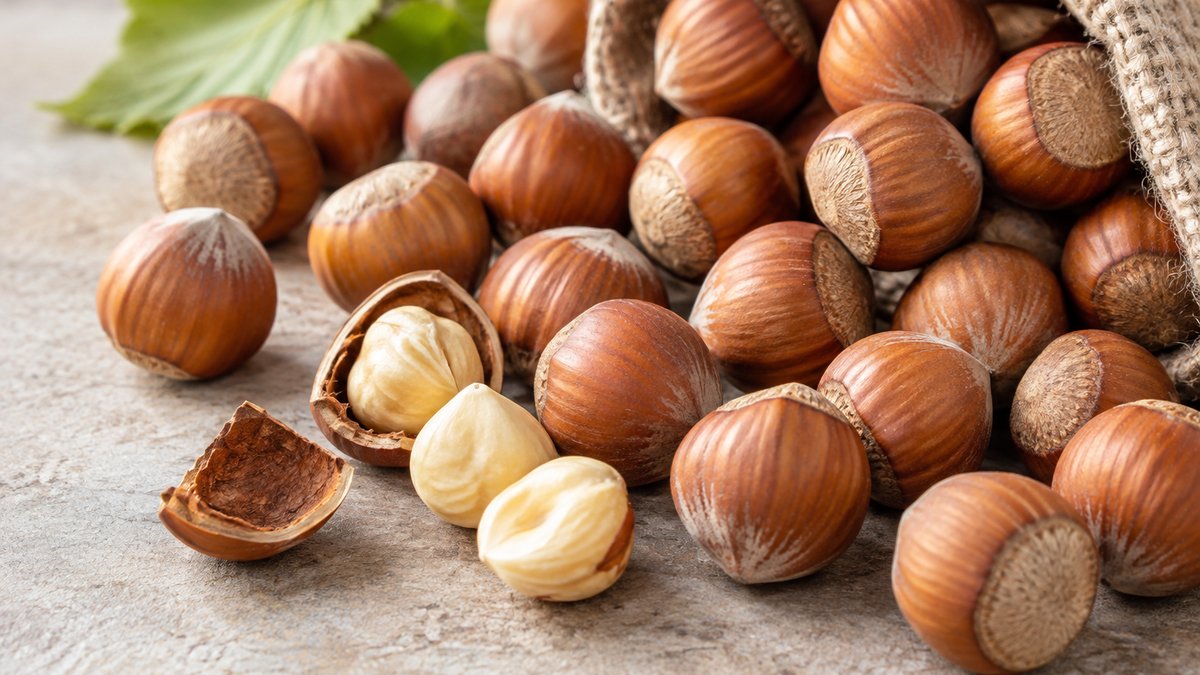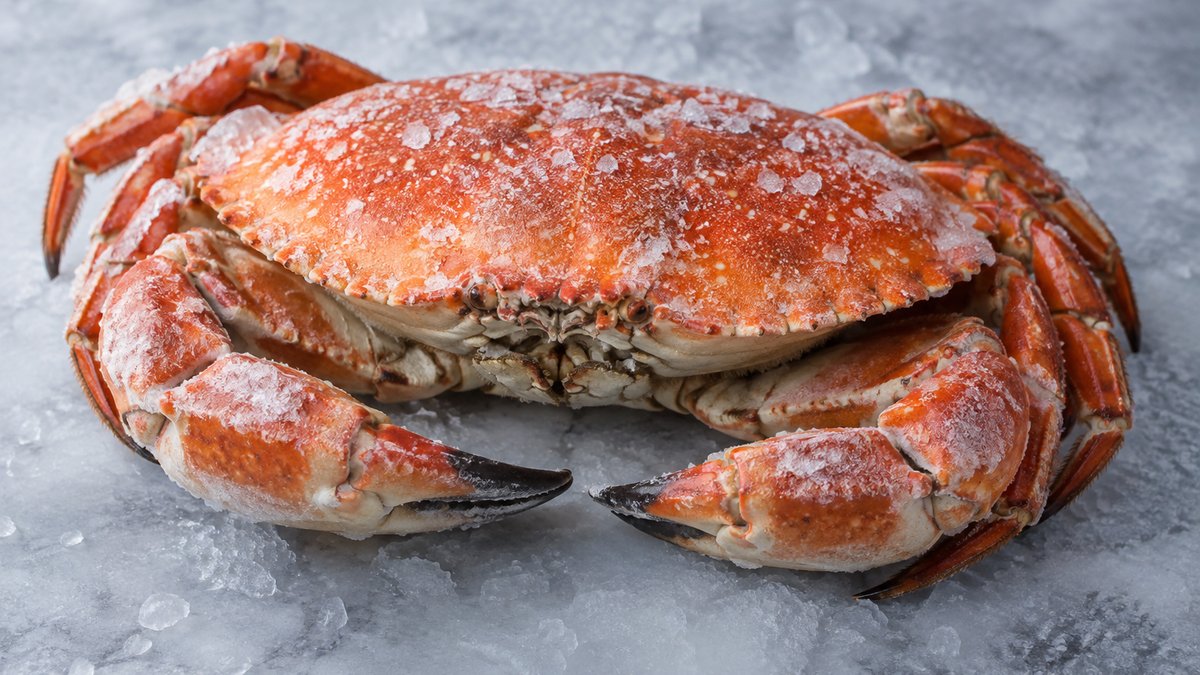

Frozen whole cooked crab and frozen crab meat are both processed crab products, but they arrive in different forms. Whole crab is cooked and frozen with its shell largely intact; crab meat has been removed from the shell, then packed and frozen.
That difference affects how much preparation a buyer must arrange, how the product can be portioned, and what details need to be checked before comparing quotations. Neither form is automatically better or less expensive: species, size, meat grade, processing, packaging and intended use all matter.
For importers, processors and foodservice buyers, the practical starting point is to define the product form and intended application clearly. The comparison below explains what each term usually describes and which specification details suppliers should confirm.
Key Takeaways
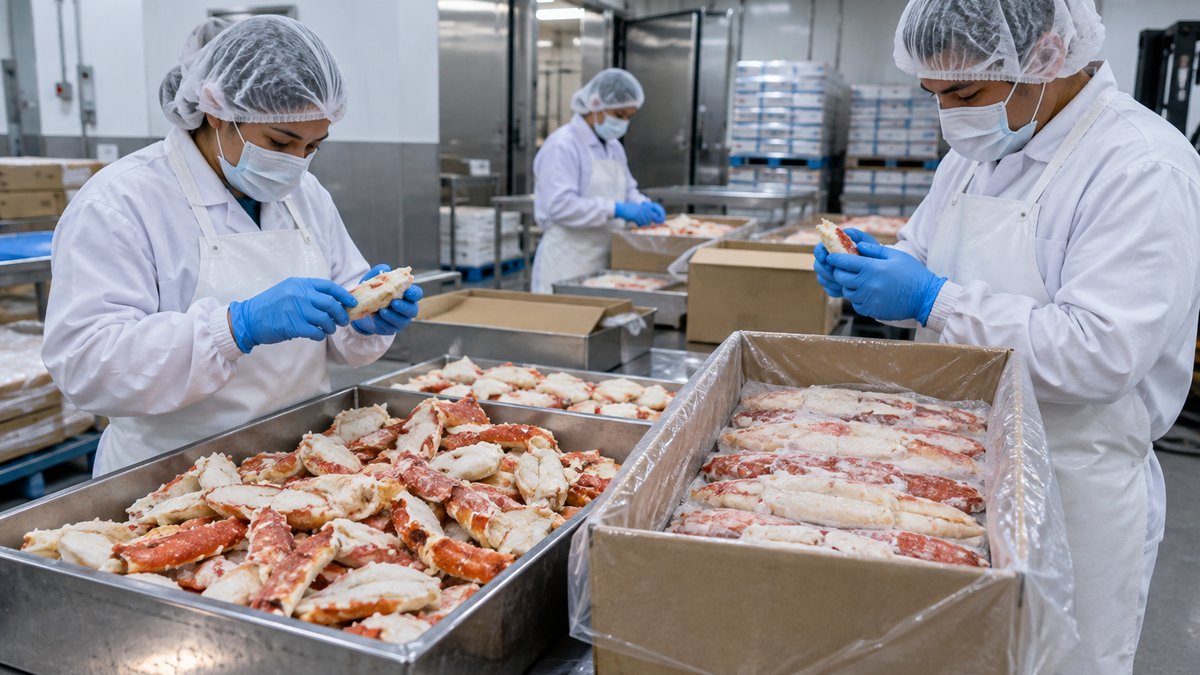
- Frozen whole cooked crab is sold as a cooked crab in its shell; frozen crab meat is picked meat packed without the shell.
- Both forms can be cooked and frozen, so the key distinction is product presentation and processing—not simply whether the product is ready to use.
- Whole crab suits applications where the shell-on product and whole-crab presentation are useful; crab meat can simplify portioning and further processing.
- Crab-meat grade names, such as lump or claw, describe meat characteristics in some markets but should be defined in the supplier specification rather than assumed to mean the same thing everywhere.
- Compare quotations only after confirming species, product form, net weight, glaze or added water, packaging, storage conditions and delivery terms.
1. Frozen Whole Cooked Crab vs Frozen Crab Meat: The Core Difference
The short answer is shell-on crab versus picked meat. Frozen whole cooked crab is cooked before freezing and sold as a whole crab, generally with the shell intact. Frozen crab meat is flesh separated from the shell and packed as meat. NOAA Fisheries’ Buying Crab Meat describes whole crab as a product that may be frozen in the shell or picked from the shell and marketed as crab meat. FAO/WHO Codex Alimentarius’ classification of processed crustaceans also distinguishes cooked crustaceans from cooked crabmeat.
The terms do not, by themselves, specify the crab species, size, exact cooking method, freezing method, meat grade or packaging. They also do not confirm whether the meat is raw or cooked unless the product description says so. The word “cooked” in the first product name is explicit; buyers sourcing crab meat should confirm its processing state and whether it is frozen, pasteurized, or otherwise treated.
This distinction is useful when reviewing buying requests for frozen crab on Freshdi or comparing frozen crab supplier listings on Freshdi. A product listing that only says “crab” leaves important questions unanswered: the requested form, species and pack style may differ substantially.
Once the product form is clear, buyers can compare requests and suppliers against the same specification.
View Latest Seafood & Aquatic Products Buying Requests →
View Potential Seafood & Aquatic Products Suppliers →
Crab meat may also be sold in named grades or styles. For example, North Carolina Sea Grant’s guide to blue crabmeat describes jumbo, lump or backfin, special or flake, and claw meat. These terms refer to characteristics such as piece size or the part of the crab from which the meat is picked. That guide concerns blue crabmeat, however, and is not a universal grading rule for every crab species or export market. Ask the supplier for the grade definition and composition that apply to the actual product.
Codex’s CXS 90-1981 is titled Standard for Canned Crab Meat. It is specifically a canned-product standard, so buyers should not treat it as a complete specification for frozen crab meat or whole frozen cooked crab.
2. Frozen Whole Cooked Crab vs Frozen Crab Meat: Comparison
The table summarizes the usual commercial distinction. Exact forms vary by species and supplier, so the product description and specification should take precedence over a short label.
| Comparison point | Frozen whole cooked crab | Frozen crab meat |
|---|---|---|
| What is supplied | Cooked crab sold in its shell | Picked meat packed without the shell |
| Processing after cooking | Usually cleaned or prepared as specified; shell remains | Meat is separated from the shell and packed |
| Preparation at destination | Thawing, cracking, picking or portioning may be needed | Less shell removal; further sorting or recipe preparation may still be needed |
| Yield basis | Crab weight includes shell and other non-meat parts | Net meat weight is the relevant starting point; confirm drained or glazed basis |
| Useful specification details | Species, size or count, whole or dressed form, cooking, packing | Species, meat grade or style, cooked state, additives, pack and net weight |
| Potential applications | Whole-crab presentation, foodservice and further preparation | Crab cakes, fillings, soups, sauces and other portioned products |
The yield row matters when buyers compare prices. A kilogram of whole crab includes shell, while a kilogram of crab meat refers to a different product basis. The price per kilogram alone is therefore not a like-for-like comparison. Estimate usable yield for the intended use and compare the cost of the quantity of meat or servings actually required.
Do not assume that every frozen crab-meat pack is a single grade or contains only large pieces. Specify whether the buyer needs lump, claw, mixed meat, flakes or another named style, and request the supplier’s definition. Likewise, “whole” does not necessarily establish whether the product is cleaned, dressed, or sold with particular parts removed.
Buying consideration: Before requesting prices, make the two offers comparable: confirm crab species, whole or picked form, processing state, net weight basis, packaging, storage condition and destination.
Looking to Source Frozen Crab?
Connect with verified suppliers, discover matching products, and explore sourcing opportunities from global markets.
3. Example: Choosing a Form for a Foodservice Order
Consider a foodservice buyer planning two menu items: a whole-crab platter and a crab filling for a prepared dish. These are illustrative uses, not a claim about a particular buyer or a universal product rule.
3.1 For a whole-crab presentation
Frozen whole cooked crab may fit the platter if the buyer wants guests to see and handle the crab in its shell. The buyer should confirm species, size or count per carton, whether the crab is whole or dressed, cooking details, packaging and the expected condition after thawing. The kitchen should also account for the labor needed to handle and serve a shell-on product.
3.2 For a prepared filling
Frozen crab meat may be more practical for a filling because the shell has already been removed. The buyer should specify the desired meat style and piece size, whether the meat is cooked, the net weight and pack format, and any permitted ingredients or additives. A product selected for visible chunks may require a different specification from meat intended to be blended into a sauce.
Illustrative inquiry format:
Product: Frozen cooked crab meat, specified grade or style
Species and origin: State the required species and acceptable origin
Quantity and pack: State total quantity, unit weight and packaging
Quality details: Request grade definition, piece-size details and ingredient declaration
Commercial details: State destination, delivery term and requested shipment schedule
This is an illustrative inquiry format, not a universal specification or purchasing recommendation.
A quotation for whole cooked crab should not be compared directly with one for picked crab meat without accounting for shell weight, usable yield, preparation labor and the buyer’s recipe. If the purchase is for production, a trial based on the actual recipe and supplier specification can help the buyer assess portioning and performance before finalizing the order.
After defining the intended use and product requirements, buyers can review suppliers whose listings match the form they need.
View Related Suppliers for This Product →
4. When Should Buyers Choose Each Product?
The right choice depends on the product’s role in the buyer’s operation. Whole cooked crab preserves a shell-on presentation; picked crab meat reduces the need for shell removal at the destination. Both still require a specification that reflects the species, pack and end use.
4.1 Consider frozen whole cooked crab when
- The menu or retail presentation calls for a whole crab or shell-on portions.
- The buyer has the labor, equipment and handling process to thaw, crack, portion or pick the product.
- The buyer wants to evaluate whole-crab size, appearance or count as part of the purchase specification.
- The operation can compare the product on usable meat yield rather than relying only on gross shipment weight.
4.2 Consider frozen crab meat when
- The product will be portioned into a prepared dish, filling, soup, sauce or similar application.
- Reducing shell-removal work at the destination is an operational priority.
- The buyer can specify the required meat style, piece size, grade definition and acceptable ingredients.
- The buyer needs to estimate recipe portions using the stated net meat weight.
These are sourcing considerations rather than guarantees about labor savings, price or product performance. Actual results depend on species, processing, pack format, condition on arrival and the buyer’s handling procedures. FDA guidance on selecting fresh and frozen seafood advises buyers to check that frozen packages are intact and to avoid products that show signs such as frost or ice crystals that may indicate long storage or thawing and refreezing. For commercial shipments, use the applicable destination-country requirements and agreed product specifications as well.
For either product, request clear information about the species and origin, cooked state, freezing and storage conditions, net weight, packaging, lot identification and required documentation. Buyers should also confirm whether the stated weight includes glaze or packing medium and how defects, broken pieces or missing parts are handled under the supplier’s specification.
Once those points are defined, compare the request with frozen crab suppliers on Freshdi, or review frozen crab buying requests on Freshdi to see the product details buyers state in their requests.
Clear product details make it easier to start a relevant buyer-supplier conversation.
View Latest Seafood & Aquatic Products Buying Requests →
View Potential Seafood & Aquatic Products Suppliers →
If a requirement is not clear in a listing, ask the other party to confirm it directly before agreeing on price or shipment. Freshdi also provides broader seafood buying requests and seafood supplier listings for buyers and exporters comparing seafood categories.
5. Related Resources
For sourcing, start with the product form and then check the request or supplier details against your specification. Buyers can browse Freshdi buyer listings, while exporters can review Freshdi supplier listings. These pages are discovery resources, not a substitute for checking product details, business information, documents and commercial terms directly.
For support with a sourcing process, buyers and suppliers can find Freshdi’s Account Manager information. Always confirm that the product description, species, origin, packing, quantity, delivery terms and any required documentation match the transaction before proceeding.
The product-form distinction in this article is supported by NOAA Fisheries’ Buying Crab Meat, FAO/WHO Codex Alimentarius’ processed-crustacean classification, and the North Carolina Sea Grant guide to blue crabmeat terminology. The Codex standard cited for crab meat in the Codex catalogue is CXS 90-1981, Standard for Canned Crab Meat; its stated scope is canned crab meat.

Frequently Asked Questions
What is the difference between frozen whole cooked crab and frozen crab meat?
Frozen whole cooked crab is cooked and frozen as a shell-on crab, subject to the product’s exact preparation. Frozen crab meat is flesh picked from the shell and packed as meat. Both are frozen products, but they differ in presentation, preparation needs and weight basis.
Is frozen crab meat always cooked?
No. The phrase “frozen crab meat” confirms the product form and frozen state, but it does not by itself state the cooking or other processing details. Ask the supplier to confirm whether it is cooked, pasteurized or otherwise processed, and request the applicable product specification.
Which product is more cost-effective?
There is no universal answer. Whole crab weight includes shell, while crab-meat weight refers to picked meat. Compare the cost of usable meat or portions for the intended application, and include preparation labor, pack details, species, quality and delivery conditions.
What do lump, special and claw mean on crab meat?
In some blue crab markets, these names describe different meat styles, such as larger body pieces, smaller flakes or meat from the claw. Definitions can vary by market, species and packer. Ask for the supplier’s grade definition, composition and piece-size information rather than assuming the names are interchangeable across products.
What should importers include in a frozen crab quotation request?
State the species, origin, whole or picked form, cooked state, required size or meat style, quantity, net weight basis, packaging, freezing and storage details, destination, delivery term and schedule. Include any applicable documentation or market requirements, and ask suppliers to clarify glaze, ingredients and grade definitions.
References
1. NOAA Fisheries – Buying Crab Meat, n.d.; accessed November 26, 2026.
2. FAO/WHO Codex Alimentarius – Classification of Foods and Animal Feeds: Processed Crustaceans, 1993.
3. North Carolina Sea Grant – How to Select Fresh North Carolina Blue Crabmeat, n.d.; accessed November 26, 2026.
4. FAO/WHO Codex Alimentarius – Related Standards: Codex Committee on Fish and Fishery Products, Accessed November 26, 2026.
5. U.S. Food and Drug Administration – Selecting and Serving Fresh and Frozen Seafood Safely, n.d.; accessed November 26, 2026.
Disclaimer: This article is compiled from platform data, public sources and information provided by third parties, for general informational purposes only. We do not guarantee its accuracy or completeness. Please conduct your own due diligence before making business decisions.