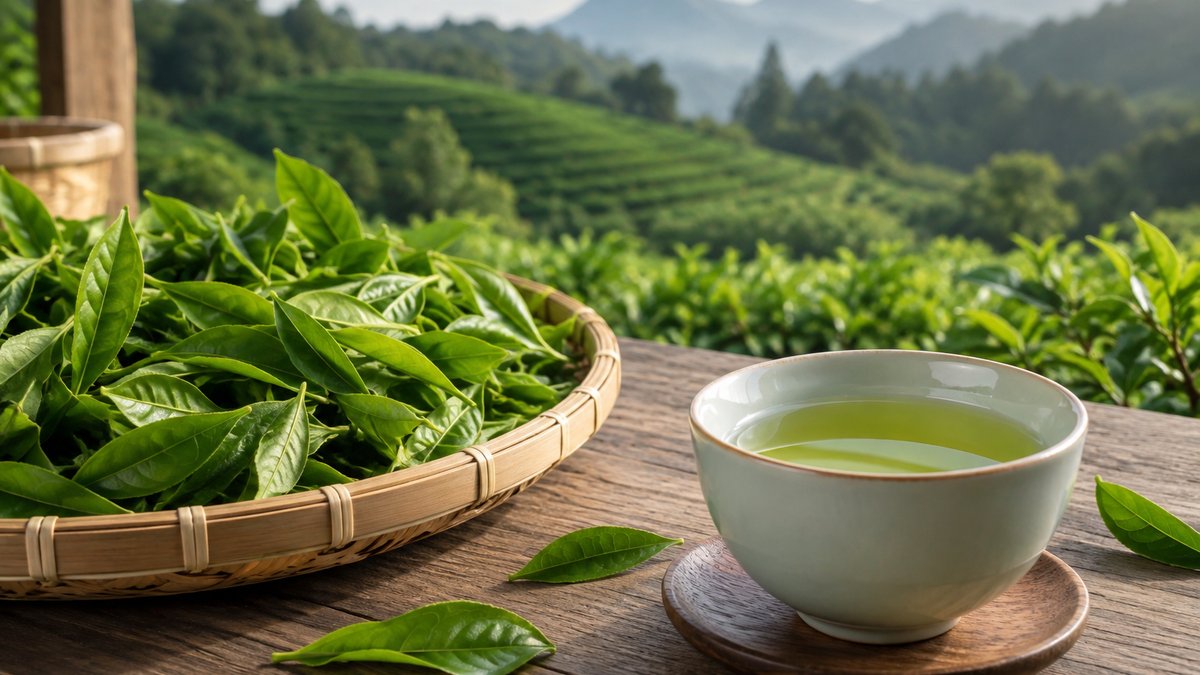

Steamed green tea and pan-fired green tea are both made from Camellia sinensis leaves, but they use different heating methods during processing. Steaming exposes the leaves to steam; pan-firing uses heated equipment to apply dry heat. Both approaches help limit oxidation, yet they can produce different aromas, appearances and cup profiles.
For buyers and exporters, the processing name is a useful starting point, not a complete specification. Cultivar, harvest, shaping, drying, storage and brewing all influence the finished tea. This comparison explains the main distinction and what to confirm before discussing samples or quotations. Information checked November 26, 2026.
Key Takeaways
- Steamed green tea is fixed using steam; pan-fired green tea is processed with heat in a pan or similar equipment. The precise sequence and terminology can vary by tea style and producer.
- Steaming and pan-firing can contribute to different aroma and sensory profiles, but neither label guarantees a particular taste, color, grade or quality level.
- A fair purchasing comparison should cover origin, cultivar, harvest, leaf style, moisture, grade, packaging, intended use and the seller’s exact processing description.
- Request samples and compare them using the same brewing method. For commercial orders, make the agreed product characteristics and acceptance criteria explicit in the specification.
1. Comparison Table: Steamed Green Tea vs Pan-Fired Green Tea
The primary difference is the way heat is applied during processing. Steaming uses water vapor to heat the leaves, while pan-firing uses direct heat from a hot pan or related equipment. The heat treatment is part of making green tea, but it is only one step among several that shape the finished product.
The terms are not interchangeable, and they do not specify every feature of a saleable lot. The International Organization for Standardization’s <em>Green tea — Vocabulary</em> (ISO 18449:2021) distinguishes product categories by processing, including steamed green tea and pan-fired green tea. For a contract, however, buyers should also state the expected leaf form and finished characteristics rather than relying on a category name alone.
| Comparison point | Steamed green tea | Pan-fired green tea |
|---|---|---|
| Main heating method | Steam is used to fix the leaves. | Heated pan or related equipment applies dry heat. |
| Processing purpose | Heat treatment helps limit enzymatic oxidation. | Heat treatment helps limit enzymatic oxidation; firing may also contribute to drying and shaping. |
| Typical aroma direction | Can retain a fresh, leafy or vegetal character, depending on the tea and processing. | Can develop warm, toasted or nut-like notes, depending on the tea and firing. |
| Appearance | May appear vivid green, but appearance varies by leaf, production and storage. | May range from green to a warmer tone; shape and color vary by style and processing. |
| Common buyer concern | Confirm steaming, later drying, leaf shape and the desired freshness profile. | Confirm what the seller means by pan-fired, including the heating and drying stages. |
| What the label does not specify | Origin, cultivar, harvest, grade, moisture, packaging or brewing performance. | Origin, cultivar, harvest, grade, moisture, packaging or brewing performance. |
These are general tendencies, not guaranteed sensory standards. In a 2022 study comparing Chinese pan-fried, steamed, baked and sun-dried green teas, Shi and colleagues found differences in volatile aroma compounds among the samples. The study supports the point that processing can matter; it does not establish that every tea in either category will have one fixed aroma.
A separate 2022 study comparing green teas made using different fixation methods also reported differences in measured compounds. Such results depend on the teas and production conditions studied. Buyers should use sensory descriptions as a guide for sample evaluation—not as a substitute for agreed specifications or their own assessment.
Buying consideration: When asking for a quotation, request the supplier’s process description and a sample of the exact grade or lot offered. Record the intended profile in observable terms—such as leaf appearance, liquor color, aroma and acceptable defects—rather than treating “steamed” or “pan-fired” as a full quality grade.
2. Example Scenario: Comparing Two Green Tea Offers
Consider a tea importer sourcing loose-leaf green tea for a product range. One supplier describes an offer as steamed; another calls its tea pan-fired. The importer is interested in a fresh, clean cup profile but also needs a consistent leaf appearance and dependable packing for repeat orders.
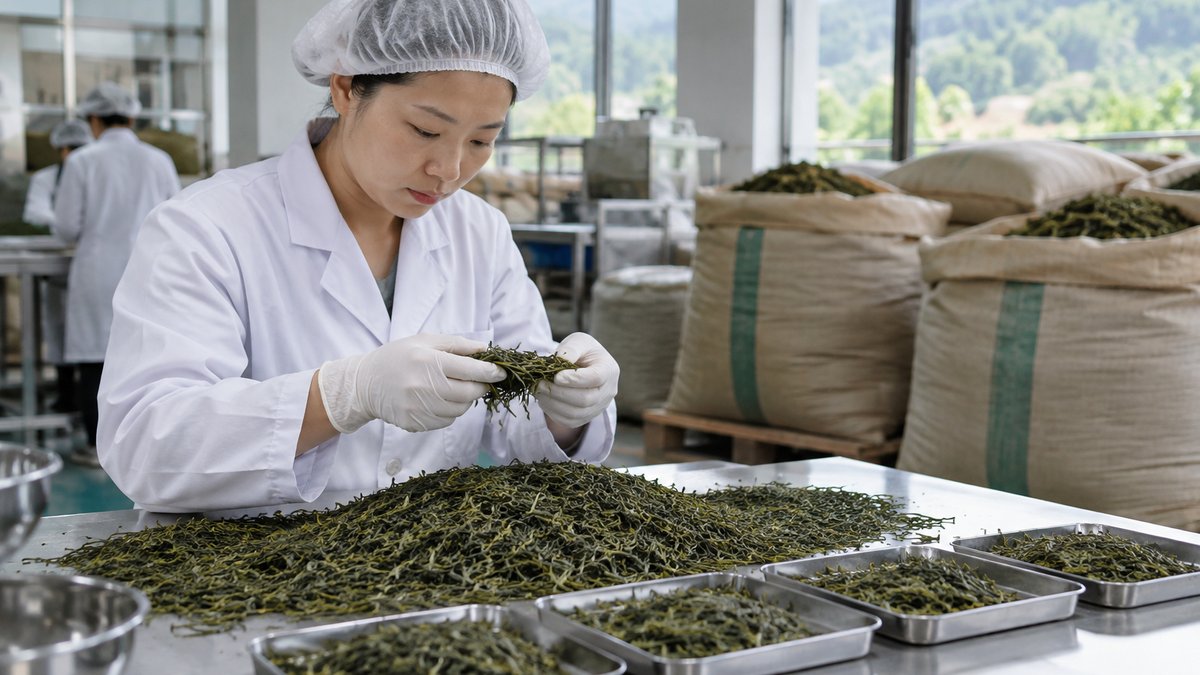
The processing labels alone do not tell the importer whether either offer will meet the brief. The suppliers may be offering different origins, cultivars, harvest periods, grades, leaf shapes, moisture levels or storage histories. A lower quoted price per kilogram would not resolve those differences, nor would it establish how the tea performs in the importer’s blend or brewing application.
2.1 A practical sample review
- Send both suppliers the same product brief, including intended use, desired sensory profile, pack format, target quantity and destination.
- Ask each supplier to describe the heat-treatment method and the later rolling, shaping and drying steps relevant to the offered tea.
- Request representative samples identified by lot or batch, with origin, harvest information, grade and storage details stated where available.
- Brew both samples using the same water, leaf-to-water ratio, temperature and infusion time. Record dry-leaf appearance, aroma, liquor color, taste and aftertaste.
- Compare the samples with the intended end use. If the tea will be blended or used in a manufactured product, evaluate it in that application as well as as a brewed infusion.
- Before ordering, agree on the product description, quality checks, packaging, quantity, delivery terms and the process for handling a nonconforming shipment.
In this scenario, the importer might find that the steamed sample better fits the desired profile, or that a particular pan-fired sample works just as well. The outcome depends on the actual samples and the buyer’s criteria; the process label by itself cannot decide.
Illustrative inquiry format:
Product: Green tea; steamed or pan-fired process to be stated
Intended use: Loose-leaf retail product
Information requested: Origin, harvest, grade, leaf style, process description and storage conditions
Sample evaluation: Dry leaf, brewed aroma, liquor appearance, taste and consistency
Commercial details: Quantity, packaging, delivery destination and requested trade terms
This is an illustrative inquiry format, not a universal green tea specification.
Buying consideration: Keep the accepted sample, lot identification and written specification together during negotiations. If a tea will be blended, packed or sold under a particular product description, verify that the supplier’s process and product information support the description you intend to use.
Looking to Source Green Tea?
Connect with verified suppliers, discover matching products, and explore sourcing opportunities from global markets.
3. When Should Buyers Choose Steamed or Pan-Fired Green Tea?
Choose based on the required cup profile, application and the specific tea available—not on a broad assumption that one method is inherently superior. A process category can help narrow a search, but it does not replace tasting samples and checking the commercial specification.
3.1 When steamed green tea may be a suitable starting point
Buyers seeking a fresh, leafy or vegetal character may want to include steamed teas in their sample review. Some steamed green teas are associated with this general profile, but it can vary with cultivar, harvest, processing control, storage and preparation. Confirm that the actual lot suits the buyer’s needs rather than assuming the category guarantees a particular flavor.
For a retail line or foodservice offer, buyers may also care about leaf shape, color consistency, brewing instructions and pack stability. Ask how the tea is dried after steaming and how it is protected from moisture, heat, light and odors during storage and transport.
3.2 When pan-fired green tea may be a suitable starting point
Buyers looking for a warmer, toasted or nut-like direction may want to evaluate pan-fired teas. Firing conditions can influence aroma, but the result depends on the raw leaf and the producer’s process. Different styles can produce different shapes and sensory characteristics, so request a sample that represents the grade and lot under discussion.
Clarify the supplier’s use of “pan-fired.” The term can describe a broad processing category, while producers may use different equipment and sequences for fixation, shaping and drying. Ask which stage is pan-fired and what later steps are used, especially if the distinction matters for labeling, product development or repeat purchasing.
3.3 Buyer checklist before confirming an order
- Define the product and intended use, such as brewed loose-leaf tea, blending or a food-manufacturing ingredient.
- State the preferred process and sensory direction, while allowing the supplier to explain the specific tea offered.
- Confirm origin, cultivar or variety where available, harvest period, grade, leaf style and whether the quoted tea is a single lot or blend.
- Agree on measurable or assessable quality criteria, sampling method, moisture requirements if specified, and acceptable defect limits.
- Request details of packaging, inner liner, carton format, net weight, labeling and storage recommendations.
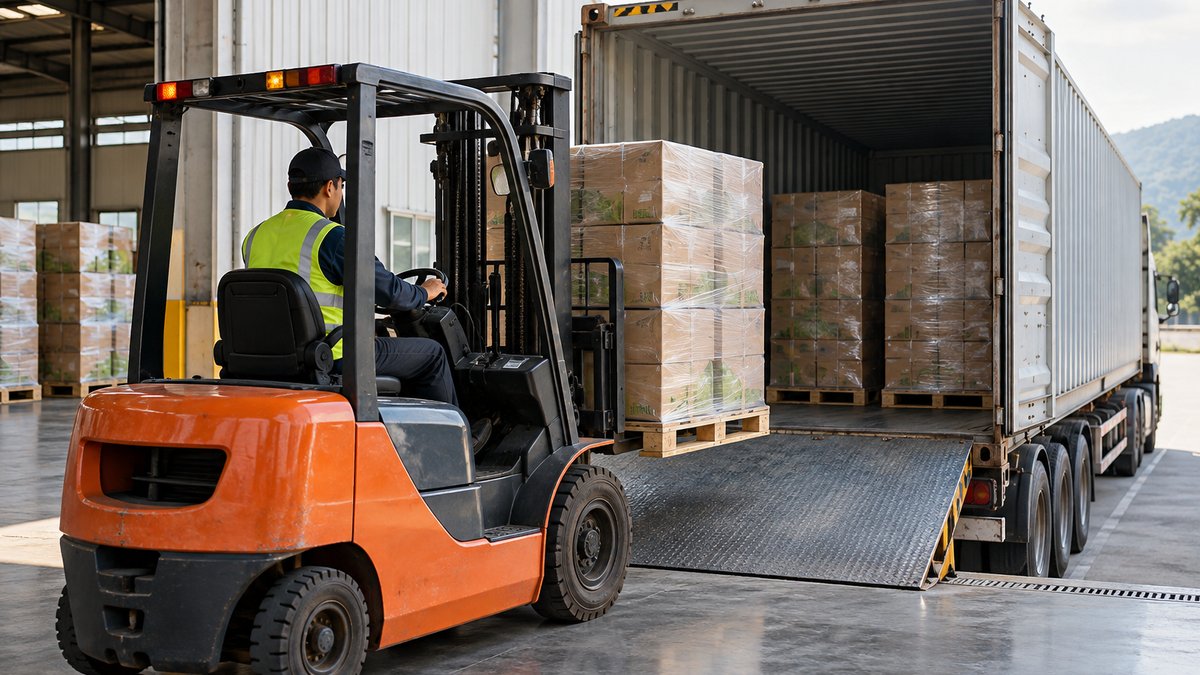
- Clarify quantity, sample or pre-shipment inspection arrangements, delivery destination, trade term, payment conditions and required export documents.
- For repeat business, agree how the next shipment will be compared with the approved sample and what happens if it differs.
A well-defined brief makes it easier to compare offers on equivalent terms. If a specification leaves out grade, packaging or destination, quotations may refer to products and delivery conditions that are not directly comparable.
Once your target process and product specification are clear, you can compare green tea suppliers that may be able to discuss the requirements.
View Related Suppliers for This Product →
4. Related Resources for Green Tea Buyers and Sellers
The process comparison is one part of sourcing. Buyers can also review green tea buying requests on Freshdi and explore green tea suppliers on Freshdi as starting points for B2B discovery. Listings are not a substitute for checking current availability, specifications or business details with a prospective partner.
For a broader category view, browse Tea & Tea Leaves buying requests or Tea & Tea Leaves suppliers. Buyers and sellers can also review the general buyer directory and supplier directory when considering other relevant product listings.
Before moving from an online listing to a transaction, confirm the product identity, sample, quantity, packaging, shipment terms and applicable documents directly with the potential business partner. If you need assistance navigating the platform, see the Freshdi Account Manager page.
After defining whether steamed or pan-fired tea fits your brief, use relevant buying requests and supplier listings to explore potential sourcing conversations.
View Latest Tea & Tea Leaves Buying Requests →
View Potential Tea & Tea Leaves Suppliers →
The practical conclusion is simple: steamed green tea and pan-fired green tea differ chiefly in how heat is applied, but the process name alone cannot predict a lot’s full quality or commercial suitability. Compare exact samples, document the agreed specifications and assess the tea against its intended use.
Frequently Asked Questions
What is the main difference between steamed and pan-fired green tea?
Steamed green tea uses steam to heat and fix the leaves during processing. Pan-fired green tea uses heat applied in a pan or related equipment. Both methods are used to process green tea, and later steps such as rolling, shaping and drying also affect the finished product.
Does steamed green tea always taste more vegetal?
No. A fresh or vegetal character may be associated with some steamed teas, but taste also depends on the cultivar, harvest, processing details, storage and brewing. Buyers should evaluate representative samples using a consistent brewing method rather than treating the processing label as a flavor guarantee.
Does pan-fired green tea always have a roasted flavor?
No. Pan-firing can contribute warm or toasted notes, but the result varies with the raw leaf and the producer’s process. Ask the supplier to describe the method and assess the actual sample against the intended profile.
Are steamed and pan-fired green teas different grades?
The terms describe processing categories, not a universal grade ranking. Grade, leaf condition, origin, harvest and other product attributes should be stated separately in the specification.
What information should a buyer request from a green tea supplier?
Request a clear process description, origin, harvest and grade information where available, leaf style, sample or lot identification, packaging details and the commercial terms. Include your intended application and sensory requirements so the supplier can respond with a relevant product.
How can importers compare samples fairly?
Use samples representative of the lots being offered and brew them under the same conditions, including water, leaf quantity, temperature and infusion time. Record the dry leaf, aroma, liquor appearance, taste and aftertaste, then compare the results with the written brief and intended use.
References
1. International Organization for Standardization – ISO 18449:2021, Green tea — Vocabulary, 2021.
2. Shi et al., Food Chemistry: X, via PubMed Central – Characterisation of the volatile compounds profile of Chinese pan-fried green tea in comparison with baked green tea, steamed green tea, and sun-dried green tea using approaches of molecular sensory science, 2022.
3. PubMed Central – Effect of Fixation Methods on Biochemical Characteristics of Green Teas and Their Lipid-Lowering Effects in a Zebrafish Larvae Model, 2022.
4. PubMed Central – Analysis of the Changes in Volatile Components During the Processing of Enshi Yulu Tea, 2024.
Disclaimer: This article is compiled from platform data, public sources and information provided by third parties, for general informational purposes only. We do not guarantee its accuracy or completeness. Please conduct your own due diligence before making business decisions.